

We are currently witnessing a massive, structural tectonic shift in how electric vehicles are designed, sourced, and delivered to our driveways. For years, the automotive industry relied on a highly globalised, hyper-complex supply chain. But in 2026, that system is hitting a wall of geopolitical friction, tariff barriers, and shifting market dynamics. The result? A massive pivot toward localised manufacturing and clever engineering that will ultimately benefit everyday drivers looking for more affordable, sustainable motoring.
The Geopolitical Roadblock to Budget EVs
For those of us passionate about zero-emission transport, the holy grail has always been the sub-£25,000, high-quality family EV. We came incredibly close to seeing this realised on a grand scale, but recent trade barriers have thrown a spanner in the works. A prime example is the highly anticipated Volvo EX30 Cross Country. As reported by Ars Technica, this brilliant little chunky EV has essentially become a victim of intense geopolitics, with steep tariffs and anti-China policies effectively halting its progress in key markets like the United States. Similarly, Ars Technica reports that the US federal government has outright denied Polestar the authorization to sell its cars there from the 2027 model year.
This protectionist wave isn't just an American phenomenon; it is forcing global carmakers to completely rethink where and how they build cars. Legacy giants are feeling the squeeze. Reports from Ars Technica indicate that Volkswagen Group is actively considering closing up to four factories as it struggles to adapt to falling sales in China and the US. VW's restructuring is a stark reminder that the old way of building cars—relying on massive, centralised global hubs—is no longer sustainable or future-proof. This transformation, often referred to as the great EV recalibration, is fundamentally reshaping the market.
The Rise of Localised, Simplified Engineering
So, where does this leave the everyday motorist? If we can't import cheap, high-tech EVs from overseas, we have to build them smarter, closer to home. And that is exactly where the green motoring revolution gets exciting. Instead of relying on complex, global battery supply chains, manufacturers are looking at simplified, highly efficient local production methods.
Look at the influx of new, utilitarian EV concepts designed to bypass high-cost manufacturing. For example, Ars Technica recently took a ride in Slate’s $24,950 (approx. £19,500) electric pickup truck, which offers a bare-bones 205 miles of range. It proves that by stripping away unnecessary weight and complex software, manufacturers can still deliver highly functional, budget-friendly utility vehicles. At the luxury end of this simplified-platform spectrum, Apple and Audi alumni have designed the Amble One, a £19,500 ($25,000) street-legal electric buggy inspired by the moon buggy, as detailed by Ars Technica. While designed for resorts, it highlights a growing trend: using highly efficient, lightweight space-frame architectures to slash manufacturing costs. This micro-platform revolution is seeing purpose-built EVs slashing costs and saving our streets.
Even established giants are finding ways to clear the hurdles. Ars Technica reported a massive 25% surge in Tesla’s Q2 2026 sales, with deliveries outstripping production. This suggests that Tesla has successfully cleared out older inventory, largely by adjusting its pricing and leveraging its highly localised gigafactories in Europe and China to avoid the worst of the tariff wars.
The UK Infrastructure Reality Check
If you're considering making the switch to an EV in the UK, this manufacturing pivot is good news. It means the next generation of electric cars will be more tailored to our local markets, built to comply with domestic regulations, and less vulnerable to international trade spats. However, a vehicle is only as good as the network that powers it.
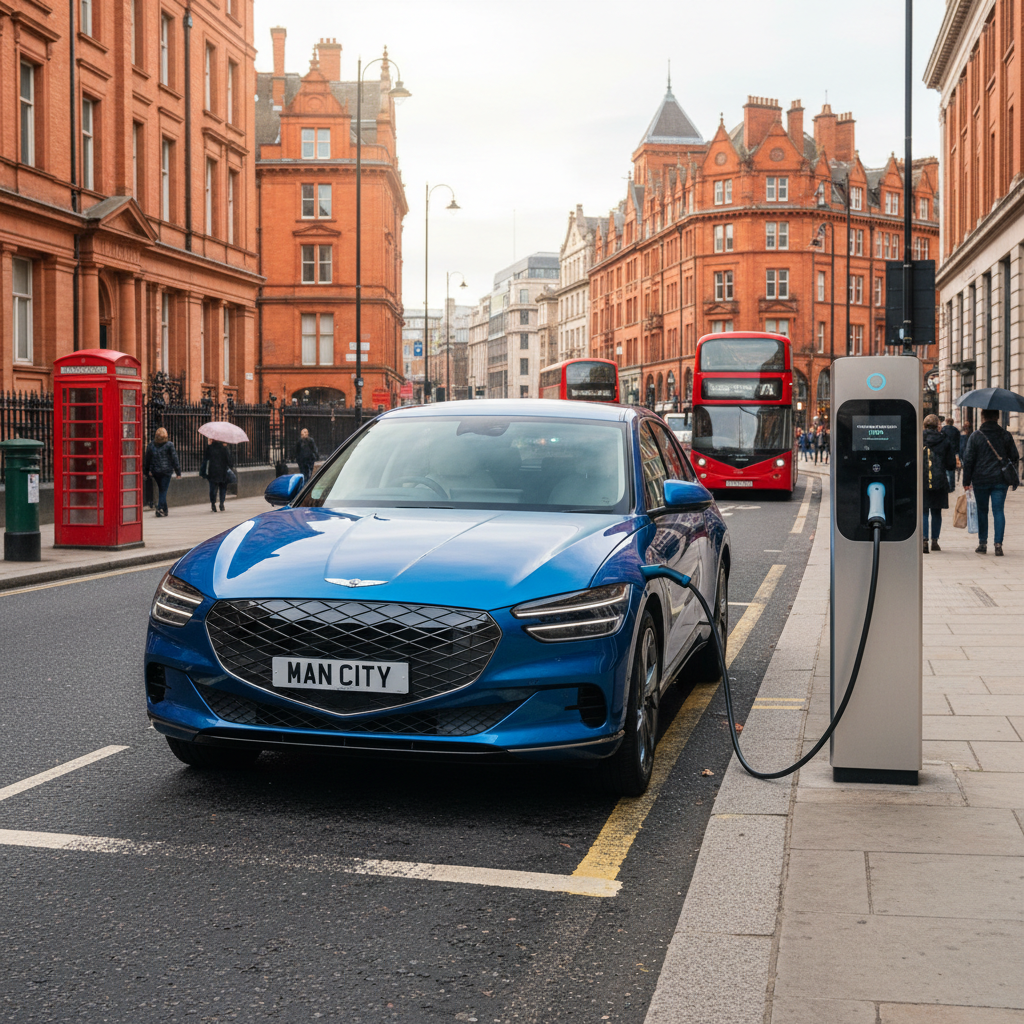
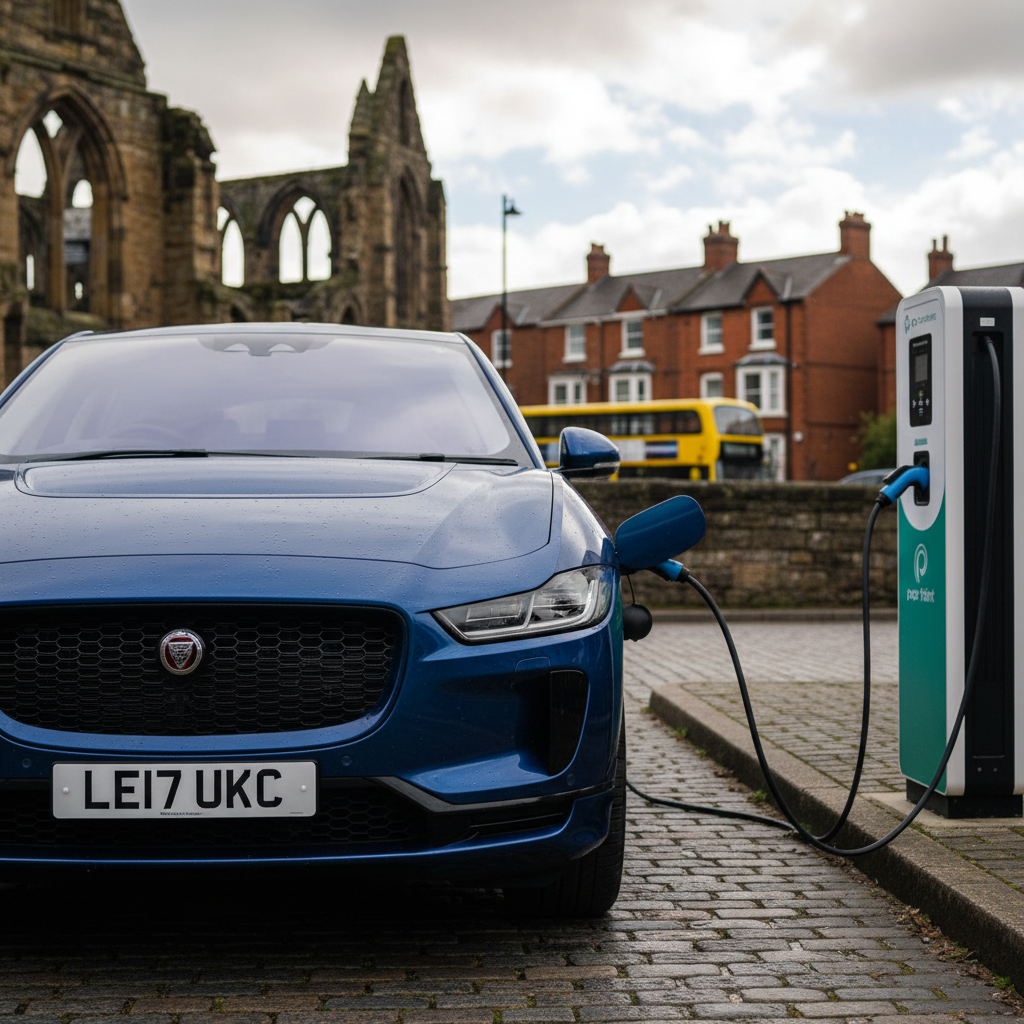
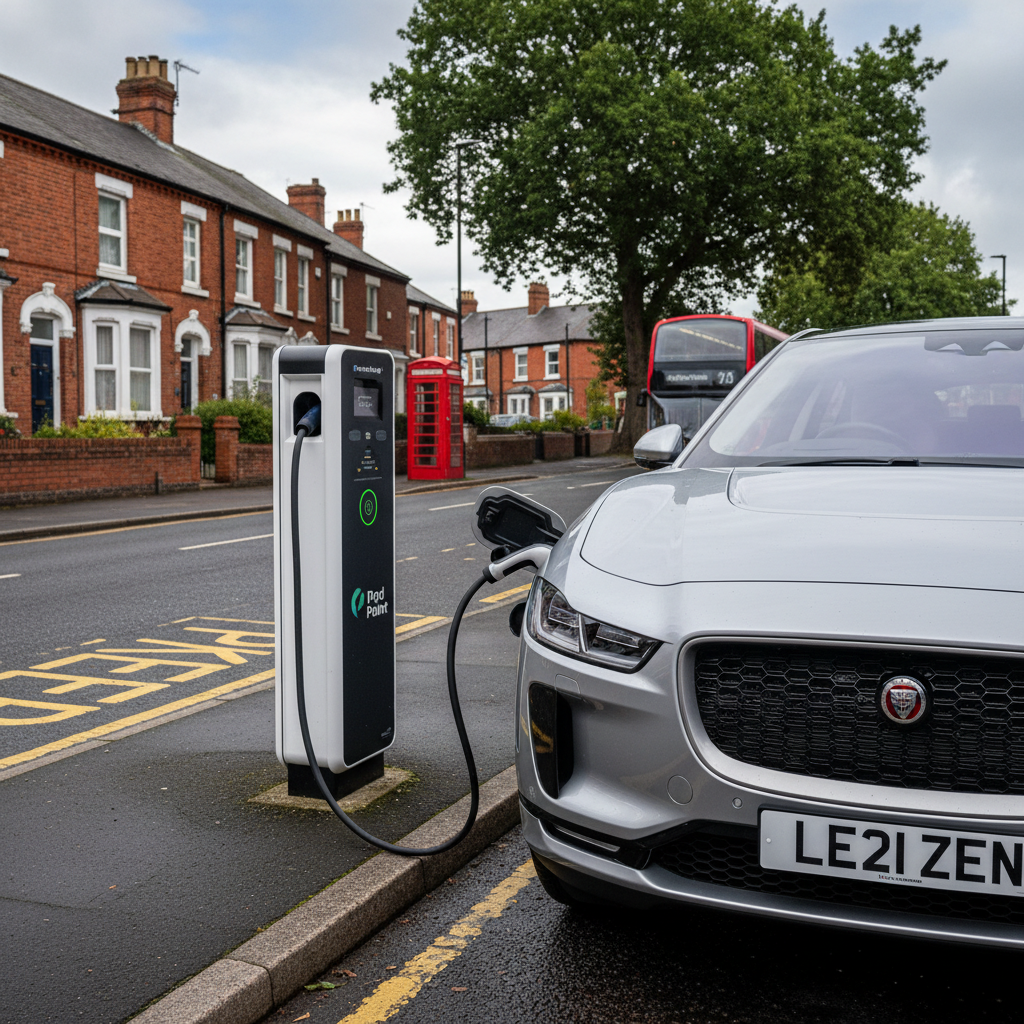
A recent market analysis by Barbour ABI highlights that while our charging network is expanding, it hit a temporary speed bump. The slowdown in the UK EV charging market's growth was largely driven by bureaucracy, particularly the wait to gain substation upgrades from District Network Operators (DNOs) and delays in the Local Electric Vehicle Infrastructure (LEVI) fund designed to help councils install street chargers. Fortunately, the first wave of these funded chargers began hitting British streets, meaning the urban charging bottleneck is finally starting to clear. This makes the prospect of home and street-side charging far more practical for those without a private driveway. The focus on right-sized battery technology and efficiency is also critical for outsmarting the UK grid connection bottleneck.
The Ultimate Goal: Saving Lives
Why does all this geopolitical and infrastructure juggling matter? Because the end game of this transition is incredibly profound. A landmark study reported by Ars Technica revealed that if the US achieved a 100% EV transition by 2040, it would save more than 100,000 lives. Crucially, much of this benefit comes from cleaning up heavy-duty diesel trucks and buses. Applied to the UK, a localised, robust EV supply chain that makes electric trucks, buses, and passenger cars affordable is not just a win for our wallets—it is a literal lifesaver for our public health.
Key Takeaways for Future EV Buyers
- Geopolitical Shifts: High tariffs are forcing global brands like Volvo and Polestar to regionalise their manufacturing, which will eventually lead to more locally built, tariff-exempt EVs.
- Simpler, Cheaper Platforms: Innovators are proving that stripping away heavy, complex tech allows for highly functional, low-cost electric utility vehicles.
- UK Charging Boost: Despite bureaucratic delays with DNO upgrades, the rollout of LEVI-funded street chargers is now active, greatly improving urban charging access.
- Beyond the Environment: Transitioning to zero-emission fleets isn't just about carbon dioxide; it's a critical public health initiative that will save thousands of lives from toxic particulate pollution.
The Verdict
The transition to sustainable motoring was never going to be a smooth, straight highway. The geopolitical speed bumps we are seeing in 2026 are forcing a painful but necessary evolution. By moving away from hyper-extended supply chains and embracing localised manufacturing, smart engineering, and robust local charging infrastructure, the automotive industry is building a foundation that is truly future-proof. For the everyday driver, this means the electric cars of tomorrow will be more resilient, more practical, and ultimately, more aligned with the clean, green future we all want to see.