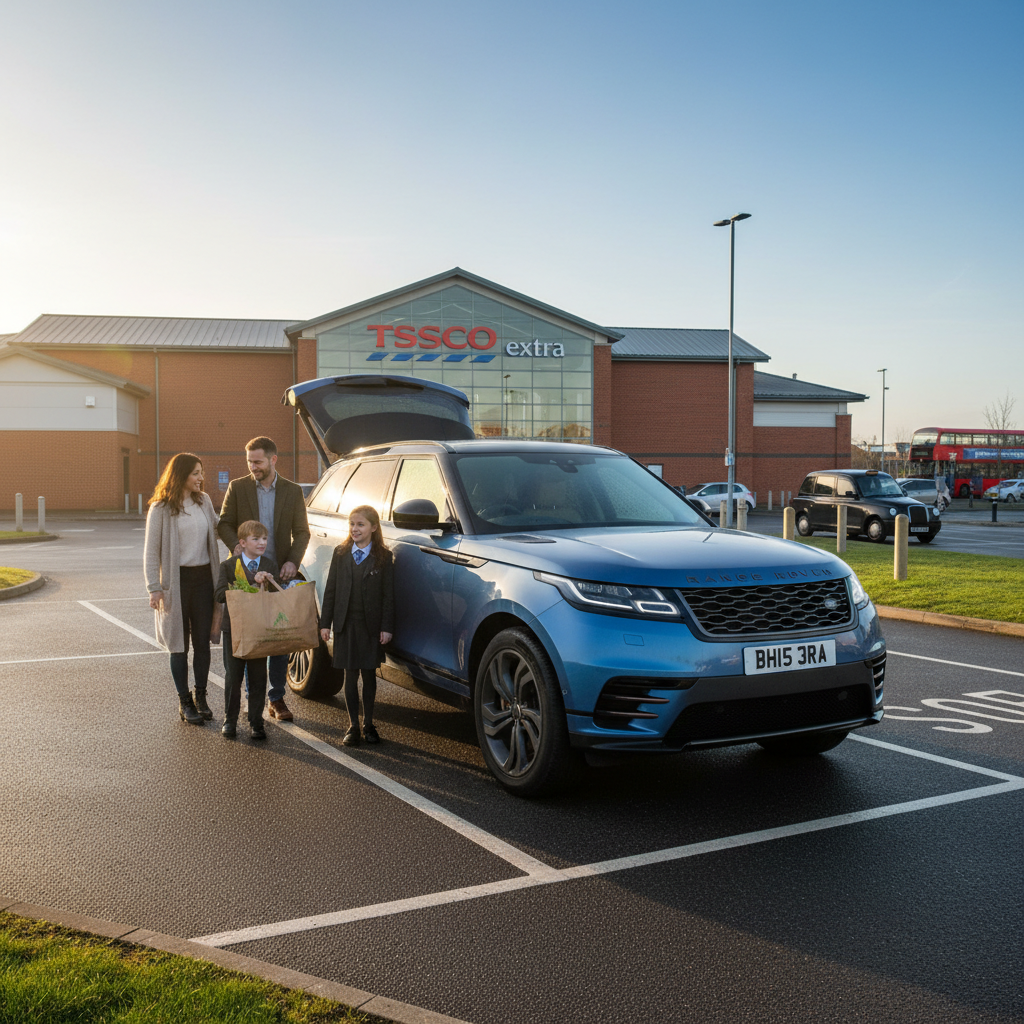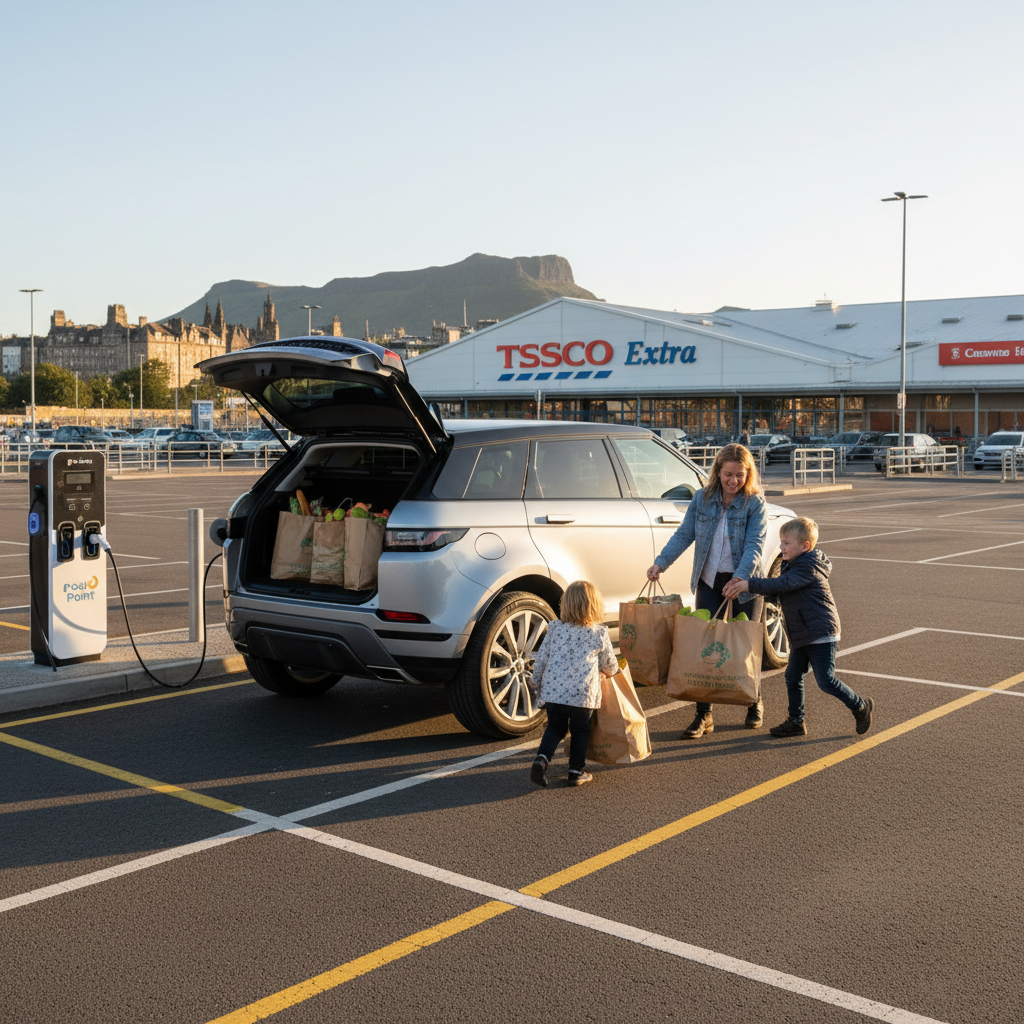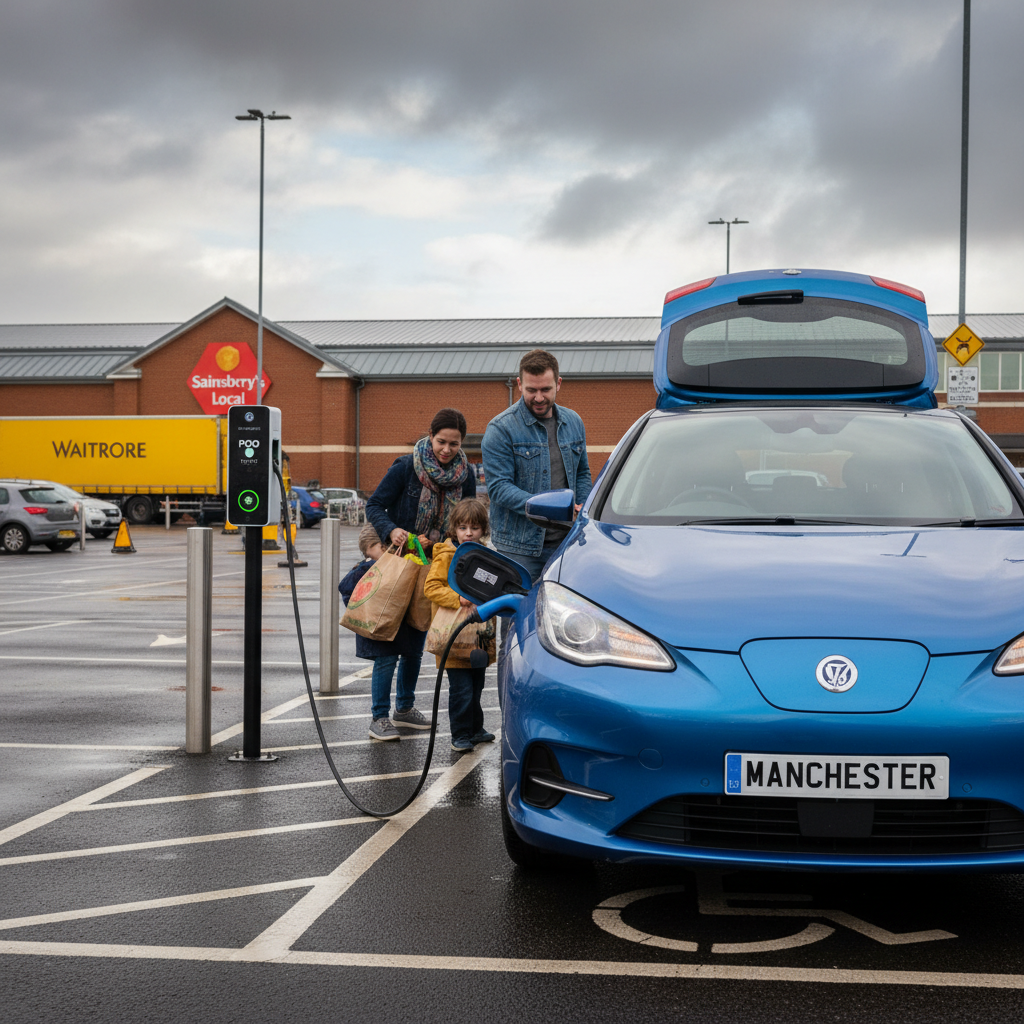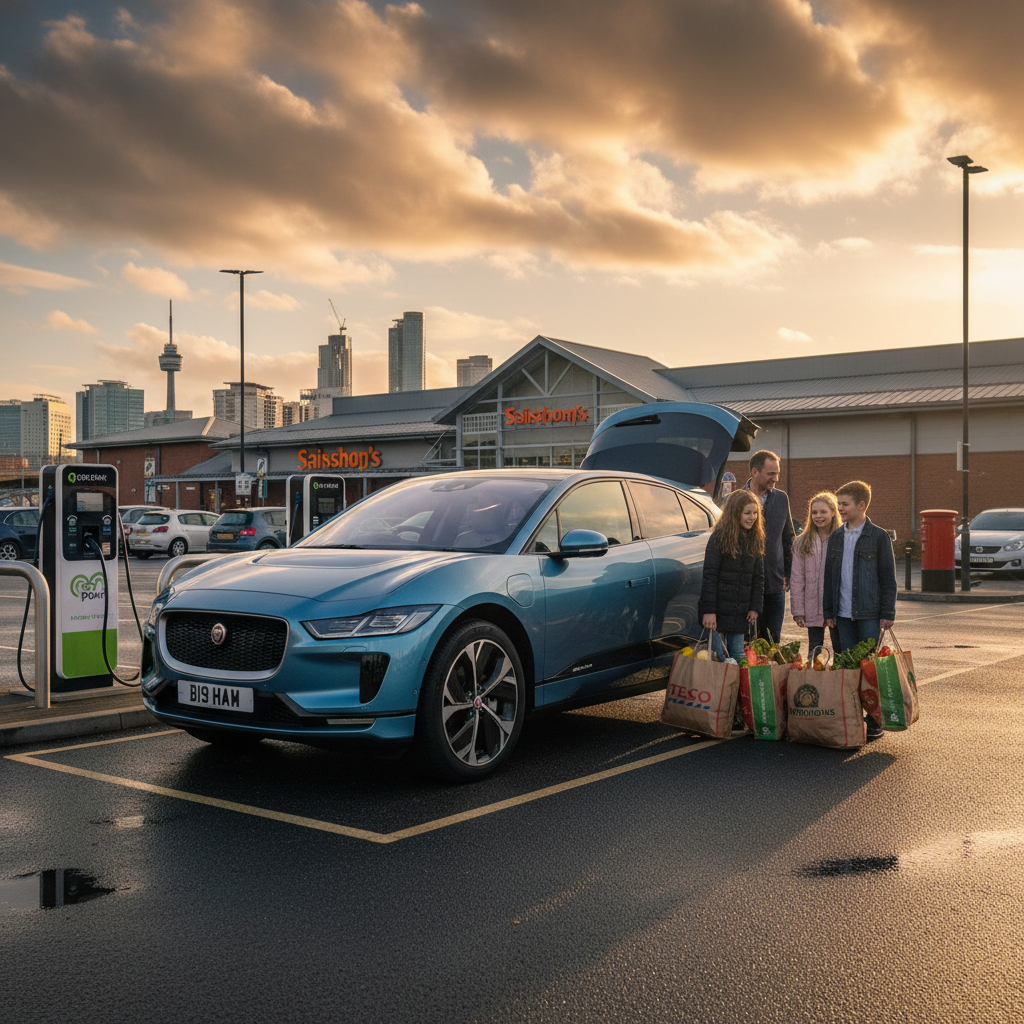


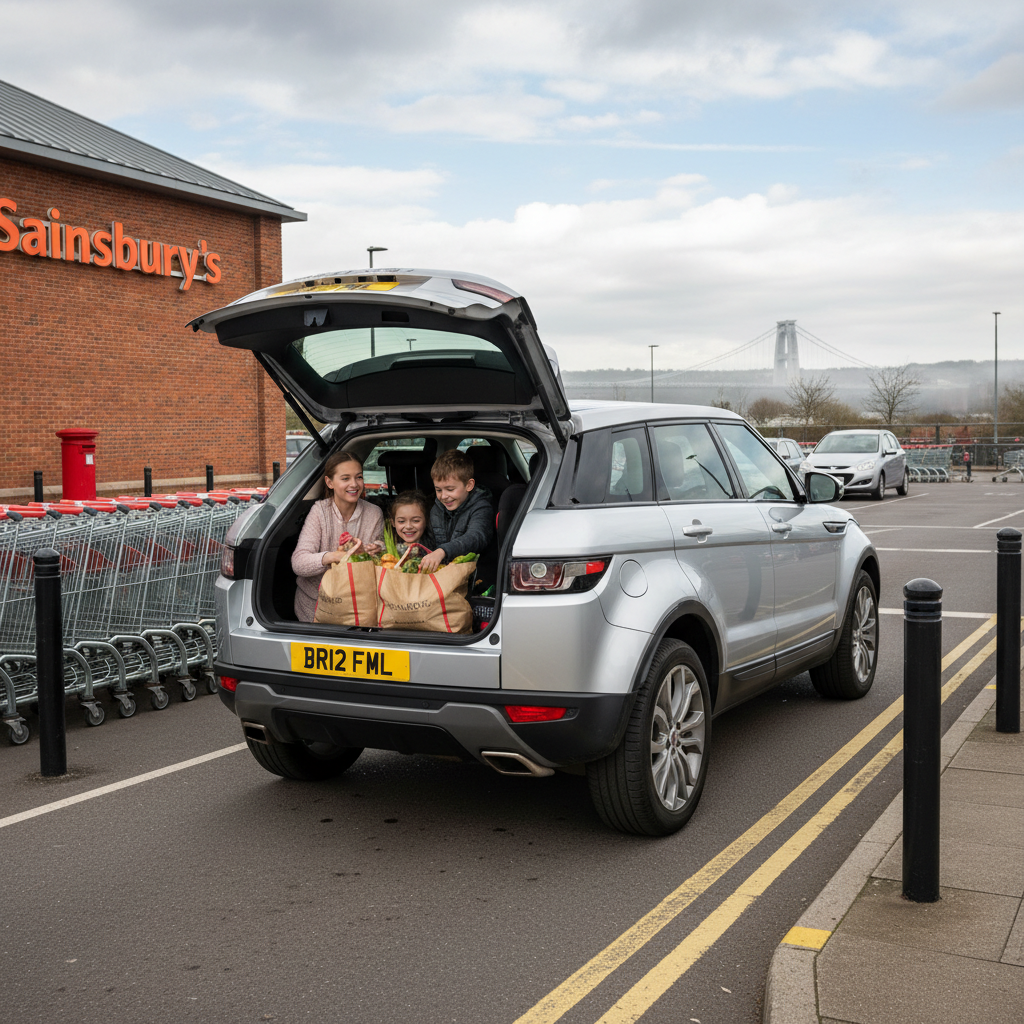
When you’re packing the boot for a family weekend away, wrestling with awkward buggy wheels, and ensuring the kids’ tablets are fully charged for the journey, you probably aren't thinking about the global logistics of zero-emission flight or heavy freight. But perhaps we should be. The quiet green revolution currently happening across the wider transport sector is doing something wonderful: it is securing a safer, cleaner, and much more affordable future for our own family driveways.
The Immediate Win: Premium Safety Meets Family Budgets
For most parents, the priority list when buying a car is simple: five-star safety, a reliable engine, a boot big enough for the weekly shop, and running costs that don't make you wince. According to reports from Electrive, premium motoring has just taken a very welcome, budget-friendly turn. BMW has strategically trimmed UK prices for selected variants of its iX1 and iX2 electric SUVs. This clever move makes them eligible for the government's Electric Car Grant (ECG), making BMW the first premium German brand to qualify for the scheme's highest tier of support.
If you've got kids in the back, this is fantastic news. It means you no longer have to compromise on safety to stay within your household budget. The BMW iX1, for example, is a masterclass in family practicality. It features a generous 490-litre boot—ideal for school bags, sports gear, and the family dog—alongside a reassuring five-star Euro NCAP safety rating. It puts your most precious cargo in very safe hands while slashing your daily fuel bills down to pennies when charging at home overnight. For more insights on how these vehicles are making premium affordable, check out how a new wave of electric SUVs are putting parents in the driving seat.
A Glimpse into the Future: Affordable and Reliable Family Cruisers
Looking slightly further down the road, the options for practical family cars are only going to get better and more affordable. Giant carmakers are joining forces to share the heavy financial lifting of developing new electric models, and the benefits will trick down directly to our wallets.
As reported by Electrive, Ford and Geely have announced plans to establish a joint production company in Valencia, Spain. Starting in 2028, this partnership will pool resources to build new vehicles for the European market. For families, this is a major win. Geely’s highly regarded electric platforms combined with Ford’s legendary knack for building practical, reliable household staples mean we can look forward to a new wave of spacious, robust, and highly affordable family SUVs designed specifically for our roads. You might also be interested in how the Geely EX2 is the budget-friendly SUV parents have been waiting for.
Meanwhile, BMW is keeping its future fleet on track. According to Electrive, the brand’s production of the highly anticipated Neue Klasse i3 and iX3 models in Mexico remains firmly on schedule for 2027. These space-age, highly sustainable family vehicles will offer next-generation driver-assistance safety features, giving parents ultimate peace of mind on the daily school run. This aligns with the broader picture of how the latest EV wave is putting safety and family budgets first.
The Wider Picture: Cleaner Air for the Next Generation
It is incredibly heartening to see that the shift to clean energy isn't just limited to the cars we drive; it is cleaning up the entire world our children are growing up in. In Scotland, the government has allocated £1.9 million to help the haulage sector prepare for zero-emission trucks. This means those massive HGVs sharing the motorways on our family holidays will soon be quieter and cleaner. On a global scale, Aurora is already deploying second-generation driverless electric freight trucks in the US, demonstrating just how reliable and advanced autonomous safety technology has become.
The air quality around our schools and cities is also getting a major upgrade. In Poland, the Upper Silesian-Zagłębie Metropolis (GZM) has recently integrated 73 brand-new battery-electric buses and 45 charging stations into its public transport network. On the international stage, countries like Laos are halting the import of fossil-fuel vehicles until the end of 2026 to jumpstart electromobility, while Thailand is eyeing a massive $714 million incentive scheme to replace older, high-polluting vehicles with clean electric alternatives.
Even the skies are changing. Airbus is actively testing a new hybrid-electric energy architecture (the LEIA project) for future commercial aircraft, and UK regional airline Loganair has secured advanced BETA electric aircraft for its shorter regional routes.
Key Takeaways for Busy Parents
- Premium for Less: BMW’s UK price cuts on the iX1 and iX2 bring premium build quality and top-tier safety within reach of family car grants.
- Future-Proofing: Joint ventures like Ford and Geely in Spain ensure a reliable pipeline of spacious, budget-friendly electric options by 2028.
- Systemic Safety: Massive global investments in electric buses, clean transport grants, and zero-emission trucks mean safer motorways and cleaner air for our kids.
- Long-Term Value: Buying electric today is no longer a gamble; it’s a smart, future-proof investment backed by the world's biggest engineering giants.
The Verdict
As a parent, your primary job is to protect your family and keep your household running smoothly. Seeing the massive scale of global investment in clean, electric infrastructure—from family SUVs to regional aircraft—proves that the electric transition is here to stay. It is highly reliable, incredibly safe, and, thanks to recent price adjustments and upcoming manufacturing partnerships, increasingly affordable. If you are looking to upgrade the family car, there has never been a more reassuring time to make the switch to a cleaner, safer drive. For a deeper dive into this topic, refer to The Clean-Air Revolution: How Global Electric Shifts Are Making Premium Family Safety Affordable.