

We’ve all been there: a chorus of “Are we nearly there yet?” echoing from the back seats, a stray juice carton rolling under the pedals, and a navigation system that seems to have a mind of its own. When you’re juggling the chaotic reality of family motoring, you need a car that works with you, not against you. Most of all, you need to know that you’re in safe hands.
Lately, the car industry has been buzzing with talk of high-tech automation, self-driving capabilities, and massive digital screens. But as a mum, I’ve always believed that the most important safety feature in any car is a focused, alert driver who remains firmly in control. Technology should support us, not replace us.
The Myth of the Hands-Off Family Road Trip
If you’ve got kids in the back, your attention is already divided. That is why a recent, worrying report from Canada has caught my eye. According to a report by electrive.com, a video has sparked intense debate online after appearing to show a driver fast asleep behind the wheel of a Tesla while the vehicle was in motion.
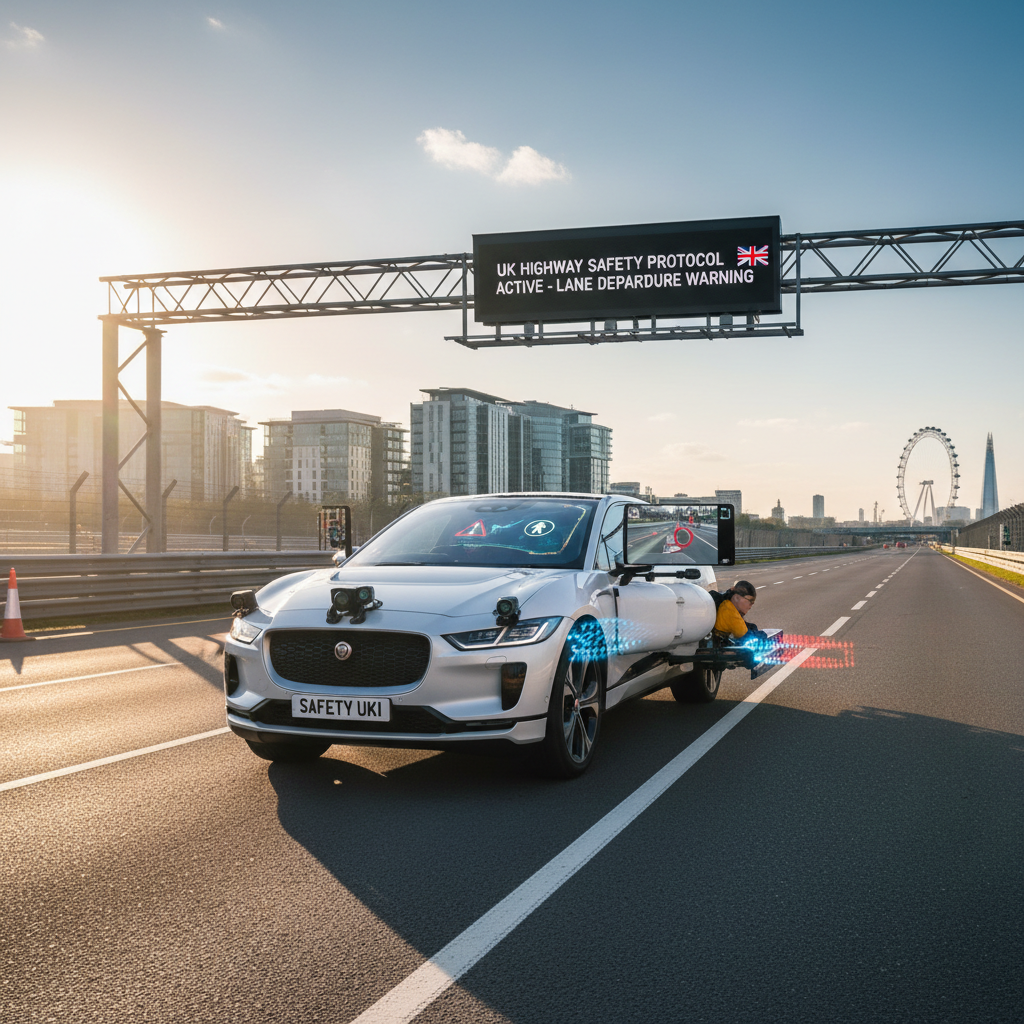
It’s a stark and sobering reminder for all of us. No matter how advanced a car’s “autopilot” or self-driving assist claims to be, these systems are helper tools, not digital babysitters. For busy parents, relying too heavily on driver assist functions can lead to a dangerous false sense of security. True peace of mind doesn’t come from letting the car take over; it comes from active safety systems — like autonomous emergency braking, lane-keep assist, and blind-spot monitoring — that act as an extra set of eyes when you need them most, while leaving you firmly in the driving seat.
The Tech That Actually Matters: Better Batteries and Smarter Diagnostics
So, where should car manufacturers be focusing their tech budgets instead? The answer lies beneath the floorboards. Real family-friendly innovation isn’t about flashy self-driving software; it’s about making electric vehicles (EVs) safer, more reliable, and longer-lasting.
We are starting to see some brilliant behind-the-scenes breakthroughs that will make a real difference to the safety of our family transport. For instance, researchers at the University of Kiel have developed a new battery sensor-based communication system. By embedding smart sensors directly into battery cells, future cars will be able to monitor their own battery health with pinpoint accuracy. For families, this means a car that can self-diagnose potential faults long before they cause a breakdown on the hard shoulder, keeping your precious cargo safe and moving.
At the same time, battery manufacturers are finding ways to squeeze more range and stability out of safer battery chemistry. Crucially, AESC has launched the mass production of its new 46120 cylindrical cells, which are set to power future BMW electric models like the upcoming iX5. For parents, this translates to more stable power delivery, faster charging times, and greater range — meaning fewer stressful roadside charging stops with restless toddlers.
More Space, Less Stress: The Return of the Practical Giant
Of course, safety isn’t just about avoiding collisions; it’s also about practical, everyday usability. If you’re struggling to squeeze a double buggy, three school bags, and the weekly food shop into a cramped boot, your stress levels are going to skyrocket before you’ve even turned the key. Luckily, the electric market is finally moving beyond tight hatchbacks to offer the kind of heavy-duty space big families actually need.
In China, Leapmotor has just launched the D99, its very first electric van. Configured as a spacious seven-seater, it offers both pure electric and range-extender options at a budget-friendly price point. Meanwhile, closer to home, Renault is giving its dependable workhorse a major family-friendly upgrade. According to electrive.com, the newly refreshed Renault Master E-Tech features an upgraded 87kWh battery, giving it a much longer range, alongside a suite of new comfort and safety functions.
While we often think of vans as commercial vehicles, these larger, highly configurable electric platforms are increasingly being adapted as ultra-practical multi-purpose vehicles (MPVs). They offer sliding doors (a godsend in tight supermarket car parks to prevent those dreaded door-ding accidents) and enough genuine boot space to accommodate active family life without compromising on safety or comfort.
Key Takeaways for Safe Family Motoring
- Stay in Control: Never treat driver-assist or “autopilot” systems as self-driving. Keep your eyes on the road and hands on the wheel.
- Look for Smart Safety: Prioritise cars with active safety features like pedestrian detection and rear cross-traffic alert.
- Battery Health is Safety: Upcoming sensor tech from universities and manufacturers will soon make EV batteries self-monitoring and safer than ever.
- Prioritise Space: Don't compromise on boot space; a cramped cabin increases driver distraction and stress.
The Verdict
As the automotive world charges ahead into an electric, high-tech future, it is easy to get distracted by the latest gadgets. But as parents, our priorities remain simple: reliability, value, and keeping our children safe. The latest industry developments show that while some automated tech requires a healthy dose of caution, the underlying battery and space innovations are genuinely moving in the right direction to give UK families the safe, practical transport they deserve. For more on how innovation is changing the game for family cars, read about real innovations making family motoring safer and smarter, or explore navigating the changing roads for ultimate peace of mind.