

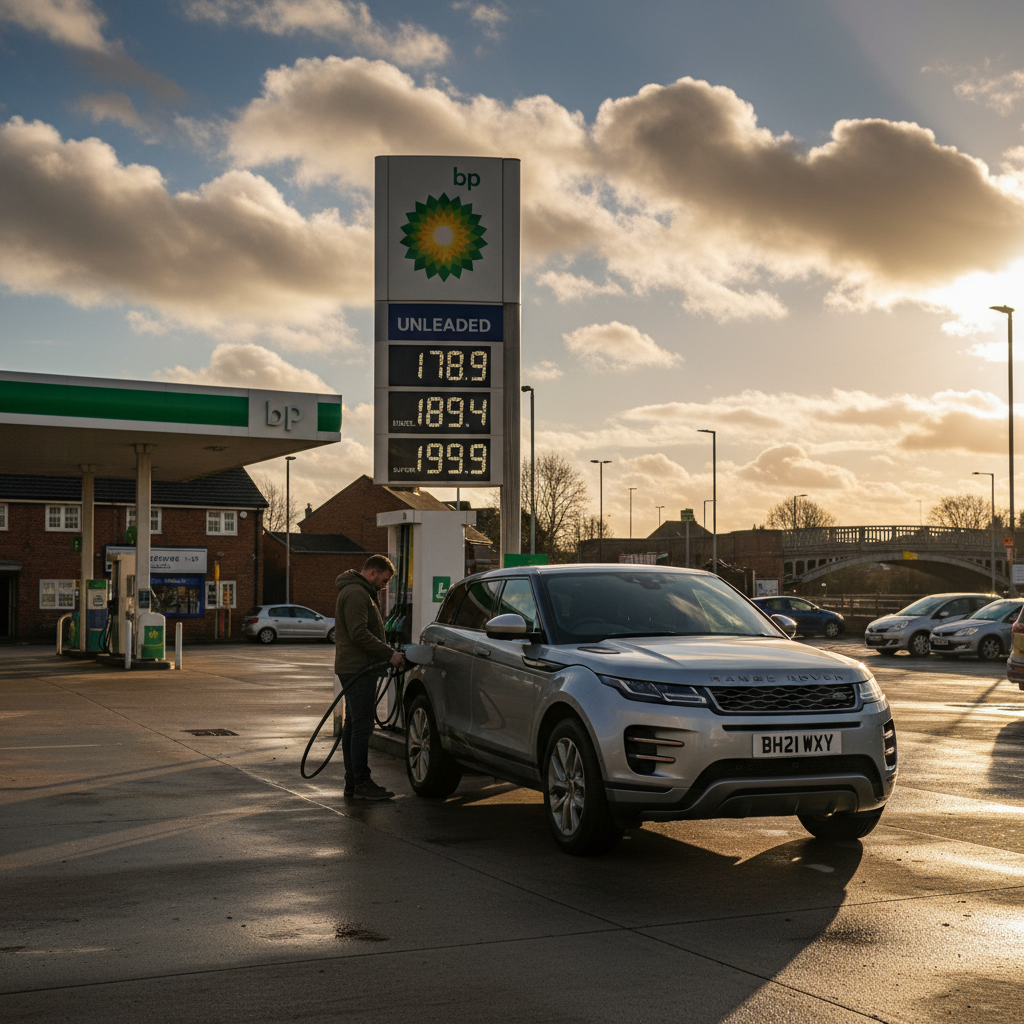
If you still believe that massive corporate scale and buying power translate to cheaper prices at the pumps, today’s live market data is about to shatter that illusion. For years, drivers have been told that the biggest retail giants are the only ones capable of absorbing global economic shocks. But today's real-time fuel data reveals a startling truth: a quiet rebellion is happening on our high streets, led not by the giants, but by independent micro-chains.
While the national average for unleaded sits at a high 181.18p per litre, a deep dive into today’s retail figures shows that localized operators are actively shielding drivers from the worst of the fuel crisis, undercutting some of the UK's biggest brand names by a staggering 44p per litre.
The Live Forecourt Data: Today's Price Landscape
To understand the sheer scale of the savings available to savvy drivers, we analysed today’s pricing structures across seven major fuel retailing groups. The disparity is not just wide; it is a financial chasm.
| Retailer / Group | Average Unleaded Price (p) | Cost to Fill a 55L Tank (£) |
|---|---|---|
| Karan Retail | 142.53p | £78.39 |
| JET | 174.90p | £96.20 |
| Motor Fuel Group (MFG) | 178.91p | £98.40 |
| SGN | 179.89p | £98.94 |
| Tesco | 186.55p | £102.60 |
| Rontec | 190.15p | £104.58 |
| Moto (Motorway) | 194.28p | £106.85 |
The standout performer is Karan Retail, a smaller independent operator with 42 stations tracked today, boasting an incredibly wallet-friendly average of 142.53p per litre. At the other end of the scale, high-street standard Rontec is averaging 190.15p per litre, while supermarket giant Tesco averages 186.55p.
The math is blunt: filling up a standard 55-litre family petrol car at a Karan Retail site costs £78.39. Filling up at Rontec costs £104.58. That is a £26.19 saving on a single tank of fuel, achieved simply by driving past the big-brand signposts.
Why Are the Giants Dragging Their Feet?
How is it possible that a localized independent network can sell fuel for 44p less than a multi-billion-pound supermarket chain? The answer lies in how these businesses manage wholesale market volatility.
According to motoring analysis reported by BBC News, a $10 movement in the global cost of crude oil generally prompts a 7p change at the pump. When international oil prices fall, independent retailers, who buy fuel on shorter-term, highly reactive spot-market contracts, can pass those wholesale cuts to consumers almost instantly. They use these competitive, bargain prices to drive footfall into their forecourt shops.
In contrast, the UK's largest retailers employ complex hedging strategies, buying fuel months in advance. Worse, they have increasingly adopted a "rocket and feather" pricing model—raising pump prices like a rocket when crude rises, but letting them drift down like a feather when crude drops. By maintaining high margins, they are effectively using fuel as a cash cow to bolster corporate balance sheets.
As reported by Mirror Online, the average petrol driver now faces monthly fuel costs of around £123. In an era where family budgets are stretched to breaking point, paying an unnecessary corporate premium on the weekly commute is a luxury working-class families cannot afford.
The Policy Pinch and Your Actionable Defence
Drivers hoping for legislative rescue will have to wait. While RAC Fuel Watch confirmed that the Chancellor’s recent Budget opted to maintain the 52.95p fuel duty freeze into 2025, this freeze merely prevents prices from climbing higher—it does nothing to force greedy retailers to reduce their current margins.
Therefore, your best defence is localized consumer action. Savvy drivers must stop relying on the historical assumption that supermarkets are always the cheapest option. Today’s data proves that Tesco is charging, on average, 44.02p per litre more than Karan Retail. The "supermarket price shield" is officially dead.
Key Takeaways for Savvy Drivers
- The 44p Divide: Micro-chains like Karan Retail are currently offering the ultimate bargain, undercutting major high-street brands by up to £26.19 per tank.
- The Supermarket Myth: Supermarkets like Tesco are no longer the default budget option, averaging 186.55p today—well above the mid-market independent average. Instead, demolishing the 'brand loyalty tax' can save you significantly.
- Spot the Spots: Look for independent forecourts supplied by smaller distributors; their business models allow them to pass wholesale price drops to the consumer much faster. This often reveals a "hidden retailer lottery" where significant savings are found.
- Track Before You Travel: Use live pricing apps to hunt down local independent outliers before you leave the house.
The Verdict
The national average of 181.18p is a misleading metric that masks a highly fractured market. Today’s live data proves that you do not have to accept these high-street demands. By shifting your loyalty away from corporate giants and supporting local, independent micro-chains, you won't just keep your hard-earned cash in your wallet—you will actively force the big brands to rethink their pricing strategies. Fill up smart, drive past the supermarkets, and seek out the independent outliers today.