

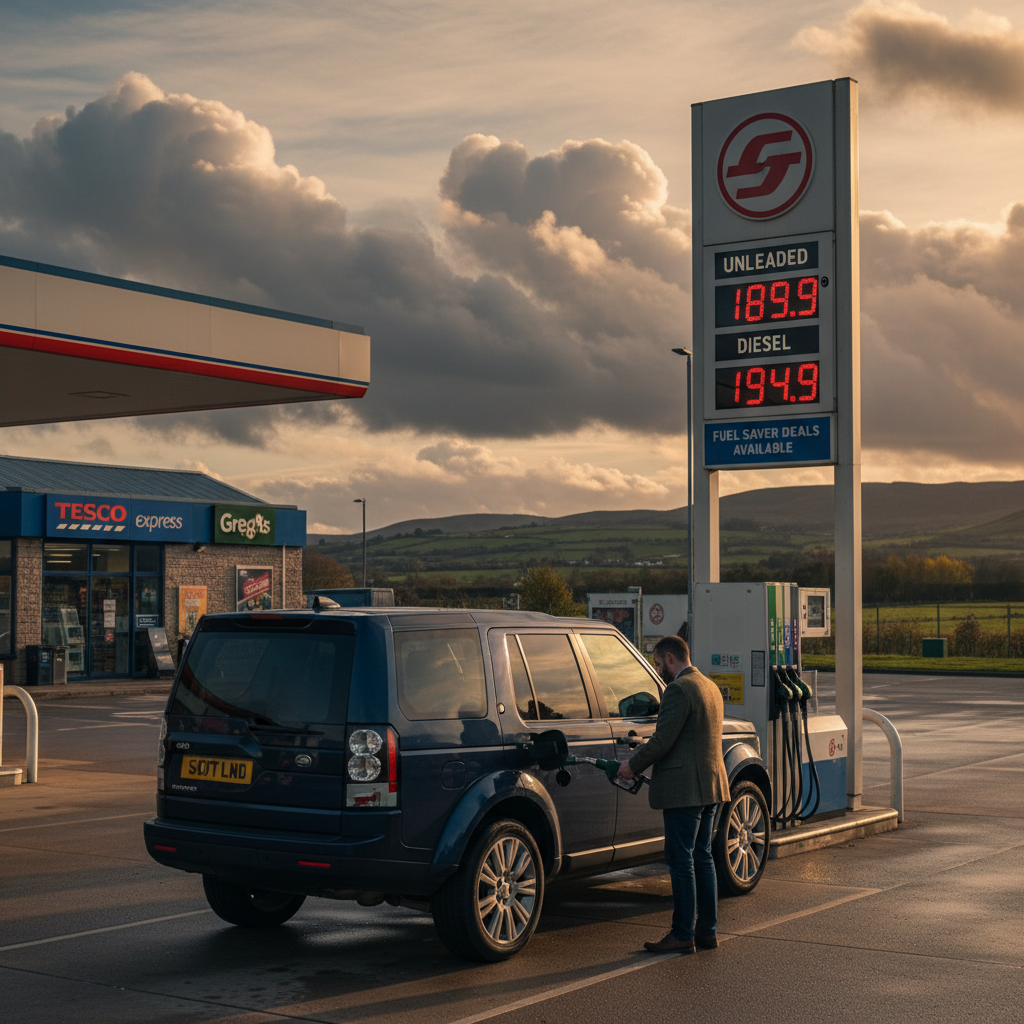
For decades, British motorists have adhered to an unwritten rule of the road: if you want cheap petrol, head to the supermarket forecourt. We’ve queued patiently beside giant grocery stores, convinced that we were outsmarting the system. But today, I have some uncomfortable, highly actionable data that completely dismantles this myth. If you are blindly filling up at your local supermarket, you are likely overpaying.
According to today’s live fuel analysis of 500 forecourts across the UK, the average price of a litre of unleaded has hit 182.25p. But the real shockwave lies in the retailer breakdown. Tesco, once the champion of the budget-conscious weekly shop, is currently averaging a painful 186.55p per litre. That is not just higher than the national average—it is actively subsidising healthier profit margins on the backs of hard-working drivers.
The Cold, Hard Data: Today's Pump Prices
To understand the sheer scale of the disparity, we have analyzed the average prices of major fuel brands and independent groups. The results reveal a massive 63p-per-litre chasm between the cheapest and most expensive fuel in the country today.
| Retailer | Average Unleaded Price (pence/litre) | Forecourts Tracked |
|---|---|---|
| Karan Retail | 142.53p | 42 |
| JET | 174.90p | 11 |
| Motor Fuel Group (MFG) | 181.54p | 100 |
| SGN | 182.41p | 100 |
| Tesco | 186.55p | 100 |
| Rontec | 190.15p | 100 |
| Moto (Motorway) | 194.71p | 47 |
The £24.21 Supermarket Premium
Let’s put these numbers into context for a typical working-class household. If you drive a standard family hatchback with a 55-litre fuel tank, rolling up to a Tesco pump today will cost you £102.60.
However, if you seek out a genuine bargain at a regional player like Karan Retail, where the average price is sitting at a wallet-friendly 142.53p, that same 55-litre fill-up drops to just £78.39. That is a jaw-dropping saving of £24.21 on a single tank of fuel. Even opting for a mid-market independent group like Motor Fuel Group (181.54p) will save you money compared to the commercial supermarket giants.
Why Are Supermarkets Letting Us Down?
So, why has the supermarket safe haven crumbled? Historically, supermarkets used fuel as a 'loss leader'—cheap petrol drew you into the car park, and they made their money back on your weekly grocery shop. Today, those dynamics have flipped. Faced with intense competition from German discounters inside the store, big-name grocers are using fuel margins to prop up their retail balance sheets.
According to RAC Fuel Watch, pump prices are theoretically driven by global oil movements, with a general rule of thumb that a $10 shift in oil price prompts a 7p change at the pump. Furthermore, the UK government confirmed in the recent budget that the 52.95p fuel duty rate will remain frozen, meaning there are no tax-based excuses for these hikes. The simple truth is that supermarkets are choosing to keep their margins high because they know drivers trust them blindly to be cheap.
As Mirror Online recently highlighted, average petrol drivers are facing monthly fuel bills of around £123 just to cover typical mileage. When budgets are stretched this tight, relying on outdated assumptions about where the cheapest fuel lies is a luxury working families cannot afford.
Key Takeaways for Savvy Drivers
- Ditch the Grocery Habit: Do not assume your local supermarket is cheap. Tesco is currently averaging 4.3p/litre above the national average.
- Hunt for Local Independents: Smaller, focused networks like Karan Retail are offering staggering savings, averaging over 44p cheaper per litre than Tesco.
- Avoid motorway traps: While Moto and Rontec remain the absolute most expensive places to fill up (flirting with the 200p mark), supermarkets are rapidly closing the gap.
- Check before you drive: Use local fuel-tracking tools to spot regional price wars in your post code before starting your engine.
The Motoring News Verdict
The era of the cheap supermarket fill-up is officially dead. While the supermarkets rely on our habits to keep us coming back, the data shows that independent retailers are the ones fighting for our business with truly wallet-friendly prices. For those looking to save even more, exploring how a little-known brand slashed unleaded by 25% could be invaluable.
My advice today is clear: break the supermarket habit. Look beyond the big blue signposts, do your research, and support the independent stations that are actively keeping fuel affordable. For example, some drivers are finding significant savings by playing the £75 'Retailer Roulette', identifying forecourts that offer better value. Your wallet will thank you for it, and you might even discover how today's price disparity can net you 20 litres free.