

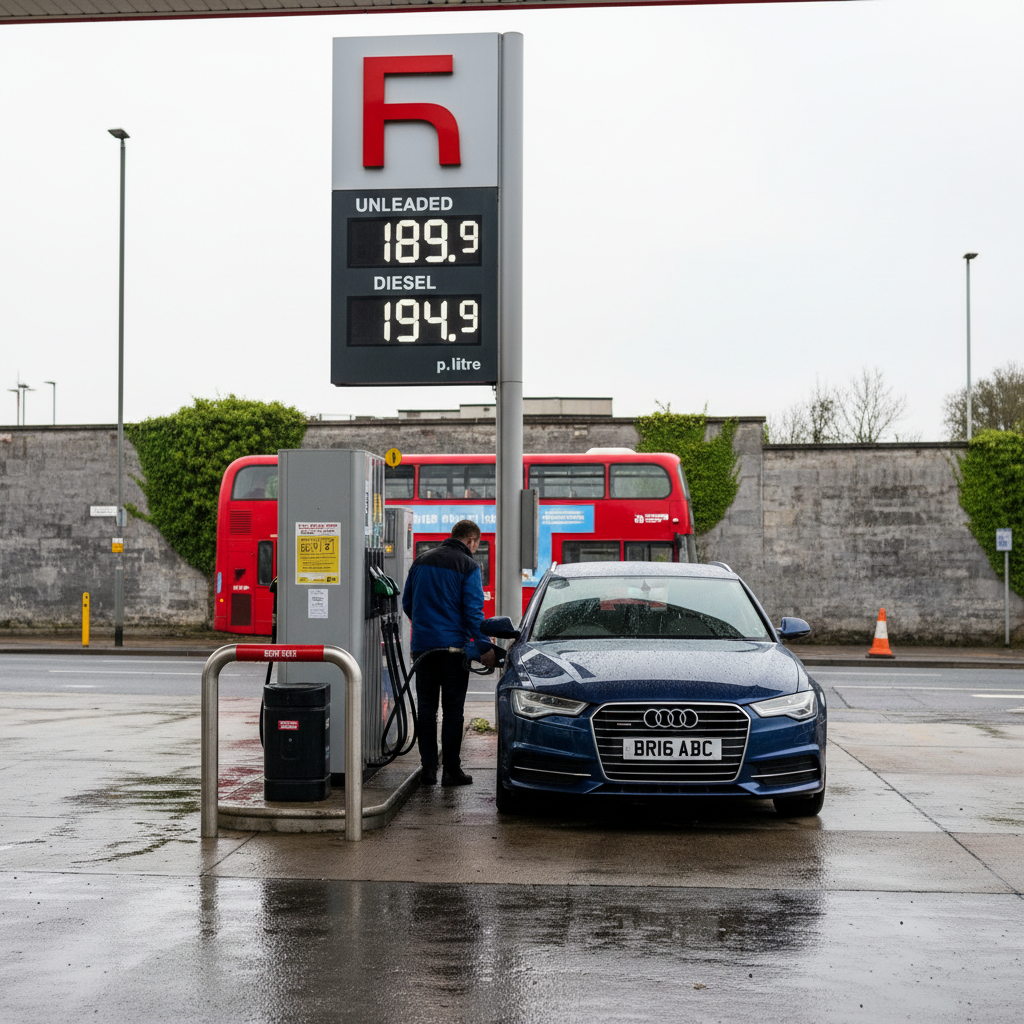
Today, as I dove into the latest fuel price data, a figure jumped out so starkly it demanded immediate attention. Amidst a national average of 184.67p for unleaded, a single Morrisons forecourt is defying gravity, offering fuel at an astonishing 129.9p per litre. This isn't just an anomaly; it's a glaring spotlight on the extraordinary disparities in the UK's fuel market, presenting a 'penny-pinching' paradox for savvy drivers everywhere.
With a whopping 70p difference between the cheapest and most expensive unleaded – ranging from that incredible 129.9p to a peak of 199.9p – the idea of a stable, predictable fuel price has been blown out of the water. This isn't theoretical; it's money in your pocket, or needlessly draining out of it.
The Data Speaks: A Tale of Two Forecourts
Let's break down today's numbers. Our analysis of 500 unleaded stations across the UK paints a clear, if sometimes frustrating, picture:
| Fuel Type | Average Price (p) | Min Price (p) | Max Price (p) |
|---|---|---|---|
| Unleaded | 184.67 | 129.90 | 199.90 |
Retailer Performance Snapshot:
This data reveals a truly fragmented market, almost like a postcode lottery for your fuel spend:
- Morrisons: 129.90p (1 station) – The undisputed bargain champion.
- Karan Retail: 142.53p (42 stations) – A strong contender for value.
- JET: 179.90p (11 stations)
- Tesco: 186.55p (100 stations)
- Esso Tesco Alliance: 188.30p (42 stations)
- Motor Fuel Group: 188.88p (100 stations)
- SGN: 189.87p (100 stations)
- Rontec: 190.15p (100 stations)
- Moto: 196.40p (4 stations) – Consistently among the highest.
The average price of unleaded today stands at 184.67p, but the range, that 70p spread, is what truly matters to working-class drivers. The single Morrisons site at 129.9p is an outlier, certainly, but it’s a crucial one. It proves that vastly lower prices are achievable, challenging the notion that high prices are inevitable everywhere.
Why The Wild Swings? Unpacking the Market Dynamics
So, why such a colossal difference? The answer is complex, involving everything from wholesale costs to local competition (or lack thereof) and retailer strategy. Crude oil remains a key ingredient in fuel pricing, and fluctuations driven by global events – such as the US-Iran ceasefire discussions, as highlighted by BBC News – can cause wholesale costs to jump, impacting pump prices. A 10-dollar movement in the cost of oil can prompt a 7p change at the pump, according to the RAC.
However, the wholesale price doesn't always translate directly or immediately to the pump. The AA notes that diesel's wholesale cost has fallen more significantly than pump prices. And motorways, as many drivers know, are notorious for higher prices – the AA points out drivers can pay up to 20p more on motorways than on A-roads. This clearly indicates that location and retailer type play a colossal role in what you pay.
The Competition and Markets Authority (CMA) has been actively monitoring the road fuel market, investigating margin data. Their reports often highlight rapid increases in prices, as seen when petrol and diesel jumped by 26p and 50p respectively between February and April. Yet, the question remains: why do some retailers pass on decreases slowly, or not at all, while others like our standout Morrisons can offer such a bargain?
It boils down to competition, buying power, and local market dynamics. Some retailers have the ability and perhaps the strategic intent to offer extremely aggressive pricing, even if only in specific locations. For the bulk of retailers, especially those with less competition nearby, the incentive to lower prices aggressively is simply not there.
The Actionable Insight: Your Wallet-Friendly Strategy
For working-class drivers, this analysis isn't just about understanding the market; it's about making informed choices that save real money. That 70p gap isn't abstract; it could mean fitting an extra week's groceries into your budget, or finally affording that small repair your car needs.
Filling up a 50-litre tank at the national average of 184.67p costs £92.34. At the Morrisons bargain price of 129.9p, that same tank would cost £64.95 – a saving of £27.39 on a single fill-up! Even comparing to the next cheapest retailer, Karan Retail at 142.53p, still nets you a saving of £21.07. These aren't small change amounts.
My advice remains consistent: do your homework. Use fuel price comparison apps and websites before you set off. Don't assume your usual forecourt is offering you the best deal. This data proves that 'shopping around' for fuel is more critical than ever.
Key Takeaways for Savvy Drivers:
- The 70p Chasm is Real: A significant price difference exists from pump to pump.
- Location, Location, Location: Avoid motorways and check prices in competitive areas.
- Supermarket Savvy: While not all supermarkets are equal, Morrisons and Karan Retail are today's standouts.
- Knowledge is Power: Use price comparison tools to find the best deal near you.
Today's data unequivocally shows that the fuel market is a landscape of extremes. While the average price might look high, the existence of forecourts offering fuel at prices thought impossible just months ago provides a glimmer of hope – and a clear directive for drivers. Don't be a victim of the pump price lottery. Seek out those incredible bargains, and your wallet will thank you.