

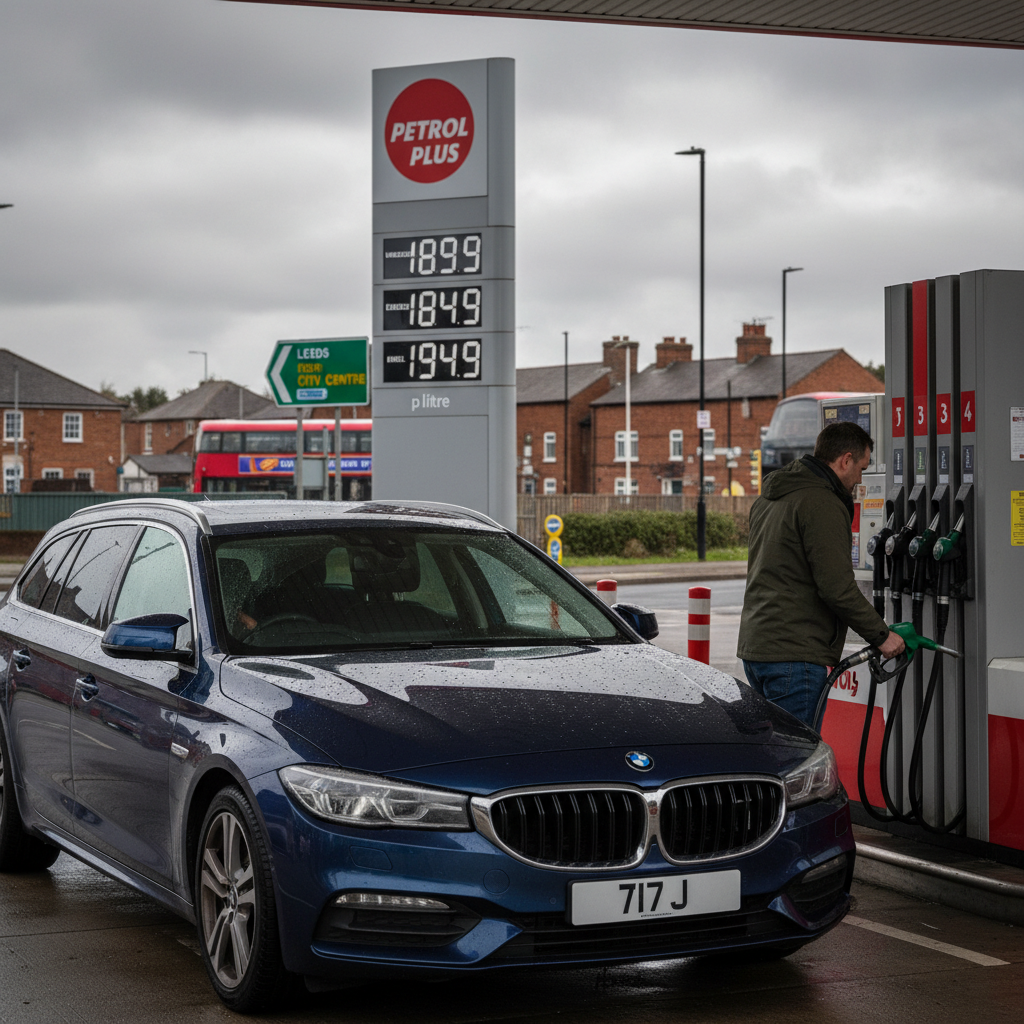
For years, British motorists have operated under a comfortable set of assumptions. We’ve assumed that the major supermarkets offer a safe haven of low prices, that independent stations are a costly last resort, and that prices across the country fluctuate in a relatively tight band.
Today, I have some data that will completely shatter those assumptions.
According to our latest nationwide pump analysis at Motoring News, we are witnessing a profound structural split in the UK fuel market. It is no longer just about where you live; it is about who you buy from. Agile regional chains and mid-market operators are aggressively undercutting legacy giants, leaving drivers who rely on household-name brands paying a staggering premium of up to 44p per litre.
The New Fuel Hierarchy Exposed
Let’s look cold, hard, and analytical at today’s numbers. The national average for a litre of standard unleaded petrol currently stands at 176.65p. But that figure hides an incredibly wide chasm between the lowest price found in our sample (a wallet-friendly 136.90p) and the absolute peak of 199.90p.
The real story, however, lies in the brand averages. Look at how the market is currently segmented:
| Retailer | Average Unleaded Price (pence per litre) | Cost to Fill a 55-Litre Tank |
|---|---|---|
| Karan Retail | 142.53p | £78.39 |
| JET | 166.81p | £91.75 |
| Motor Fuel Group (MFG) | 167.76p | £92.27 |
| SGN | 168.64p | £92.75 |
| Tesco | 186.55p | £102.60 |
| Rontec | 190.15p | £104.58 |
| Moto | 195.62p | £107.59 |
This is a staggering spread. A savvy driver filling up a family hatchback at a Karan Retail station will pay an average of 142.53p per litre. Pull into a Tesco forecourt just a few miles away, and you are looking at an average of 186.55p.
To put that in perspective: filling a standard 55-litre family car costs £78.39 at Karan Retail, compared to £102.60 at Tesco. That is a £24.21 difference on a single tank of petrol. If you end up at a motorway site operated by Moto (averaging 195.62p), that gap widens to nearly £30.
Why Is the Mid-Market Winning the Price War?
Why are regional operators and mid-tier networks like JET (166.81p) and Motor Fuel Group (167.76p) able to comfortably beat the major supermarkets and large corporate networks?
The answer comes down to supply chain agility and business model strategies. According to industry experts, smaller, independent retail groups often operate on highly dynamic wholesale supply contracts. When oil prices dip, these nimble operators can pass savings onto the pumps almost instantly. They use ultra-competitive fuel pricing as a aggressive loss-leader, knowing that once a driver is on the forecourt, they are highly likely to spend money on high-margin products inside their convenience stores.
In contrast, the legacy players—including major supermarket networks and behemoths like Rontec—operate on wholesale hedging models that slow down their ability to drop prices. Furthermore, many corporate retailers are currently choosing to protect their profit margins on fuel to offset rising operational costs elsewhere in their businesses. Essentially, working-class drivers are subsidising corporate overheads at the pump.
Actionable Advice for Savvy Drivers
To navigate this highly fragmented market, you have to break your old habits. The era of blindly trusting your local supermarket for the cheapest fill-up is officially over. Here is how you can fight back and keep your hard-earned cash in your pocket:
- Target the Regional Challengers: Look out for aggressive independent groups. Brands like Karan Retail, JET, and SGN are currently offering some of the best value in the country, routinely beating the major supermarkets.
- Track the Mid-Tier Averages: If you cannot find a budget independent, look for large independent operators like Motor Fuel Group (MFG). At an average of 167.76p, they still offer a significant discount over the big-brand giants. Mid-market operators are increasingly becoming the new safe haven for drivers at the pump.
Key Takeaways for UK Drivers
- Anatomy of a Divide: There is currently a 44p-per-litre gap between the cheapest regional chain averages and mainstream supermarket rates.
- The £24 Penalty: Relying on standard supermarket petrol can cost you an extra £24.21 per tank compared to budget regional champions.
- Mid-Tier Resilience: Independent giants like MFG and SGN are consistently keeping their averages below 169p, proving much cheaper than legacy corporate brands.
- Check Before You Travel: Use independent price tracking tools to locate local outliers before committing to a fill-up.
The Motoring News Verdict
We are no longer looking at minor regional variations; this is a full-blown fuel class divide. Agile, consumer-focused independent networks are proving that pump prices do not need to be extortionate. Meanwhile, legacy supermarkets and major corporations are lagging far behind, relying on driver habit to sustain inflated margins.
My advice is simple: vote with your wallet. Ditch the big-brand loyalty, seek out the aggressive regional players, and keep your fuel costs firmly under your own control.