

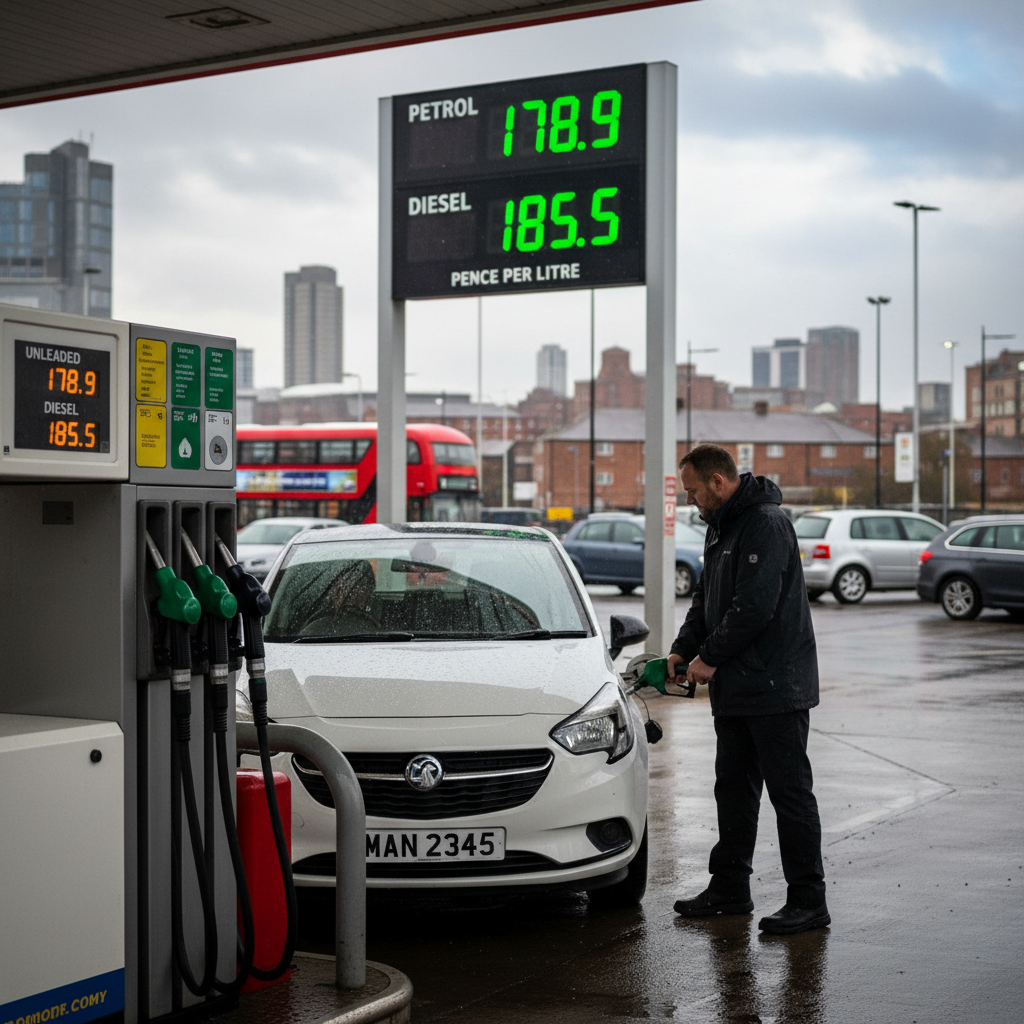
For decades, British drivers have operated under a simple, unspoken rule: if you want the absolute cheapest petrol, you head to the supermarket forecourt. It was a reliable tactic that required zero thought. But today, a radical shift in the fuel retail pyramid has turned that logic completely on its head.
Our latest analysis of 500 live unleaded fuel prices across the UK reveals a startling new reality. The traditional hierarchy of fuel pricing has collapsed. Savvy drivers who look beyond the supermarket giants and target specific mid-market and independent brands are saving a massive £24.21 per tank.
The New Fuel Hierarchy Revealed
To understand how dramatic this shift is, we only need to look at the massive 59p-per-litre chasm between the cheapest and most expensive fuel in our dataset. Unleaded is currently retailing from a rock-bottom 136.9p per litre all the way up to a staggering 195.9p per litre.
But the real story lies in the brand averages. The household names we traditionally trust to keep motoring affordable are no longer leading the charge. In fact, they are lagging behind regional champions by a country mile.
| Retailer / Brand | Average Unleaded Price (p) | Cost to Fill a 55L Tank (£) |
|---|---|---|
| Karan Retail | 142.53p | £78.39 |
| JET | 162.90p | £89.60 |
| Motor Fuel Group | 163.61p | £89.99 |
| SGN | 164.71p | £90.59 |
| Tesco | 186.55p | £102.60 |
| Moto | 187.41p | £103.08 |
| Rontec | 190.15p | £104.58 |
As the data shows, Karan Retail is currently leading the market with an incredibly wallet-friendly average price of 142.53p per litre. Compare that to Tesco, a brand long associated with budget-friendly family shopping, which is averaging a hefty 186.55p per litre. That is a difference of 44.02p per litre. For a standard 55-litre family car, filling up at Tesco costs £102.60, while the same fuel at Karan Retail costs just £78.39—a direct saving of £24.21.
Why Is the Mid-Market Winning?
This is not a temporary glitch; it is a structural shift in how fuel is being priced. Historically, supermarkets used fuel as a "loss leader"—accepting razor-thin margins on petrol to lure shoppers into their stores. However, changing retail habits and squeezed grocery margins mean supermarkets are now using fuel sales to bolster their bottom lines, relying on the convenience factor to keep drivers coming through the gates.
Meanwhile, mid-market operators and independent groups, such as JET and Motor Fuel Group (MFG), are fighting aggressively for volume. By keeping their averages at 162.90p and 163.61p respectively, these brands are positioning themselves as the true allies of the working-class motorist. They are operating on leaner structures and reacting much faster to wholesale price drops than their larger, more bureaucratic rivals.
The Actionable Strategy for Drivers
To navigate this new landscape, motorists need to abandon old habits. The assumption that "supermarket equals savings" is officially dead. Instead, the smartest route to a bargain bypasses the big-name grocers entirely.
Look for regional independent chains and established mid-market brands like JET. Even SGN, with an average of 164.71p, offers a highly competitive alternative to the national average. By shifting your loyalty away from supermarkets and towards these aggressive mid-market players, you can instantly shave £12 to £24 off your weekly motoring bill.
Key Takeaways for Savvy Drivers
- The Supermarket Myth: Supermarket fuel is no longer the default budget choice, with Tesco averaging 186.55p—nearly 44p higher than the market leaders.
- Identify the Underdogs: Look for Karan Retail, JET, and Motor Fuel Group forecourts, which are actively undercutting the big brands.
- Know the Gap: With a 59p-per-litre range across the UK, taking five minutes to compare local prices can secure you an instant £24 saving per tank.
- Watch the Margins: Mid-market retailers are passing wholesale savings on to consumers much quicker than major retail giants.
The Verdict
The golden age of cheap supermarket fuel is over, but that does not mean drivers have to accept extortionate prices. A new tier of budget champions has emerged in the mid-market. By keeping an eye out for regional players and independent groups, you can beat the supermarkets at their own game and keep your hard-earned cash where it belongs: in your wallet. If you want to know more about how brand loyalty is costing drivers, read our latest analysis.