

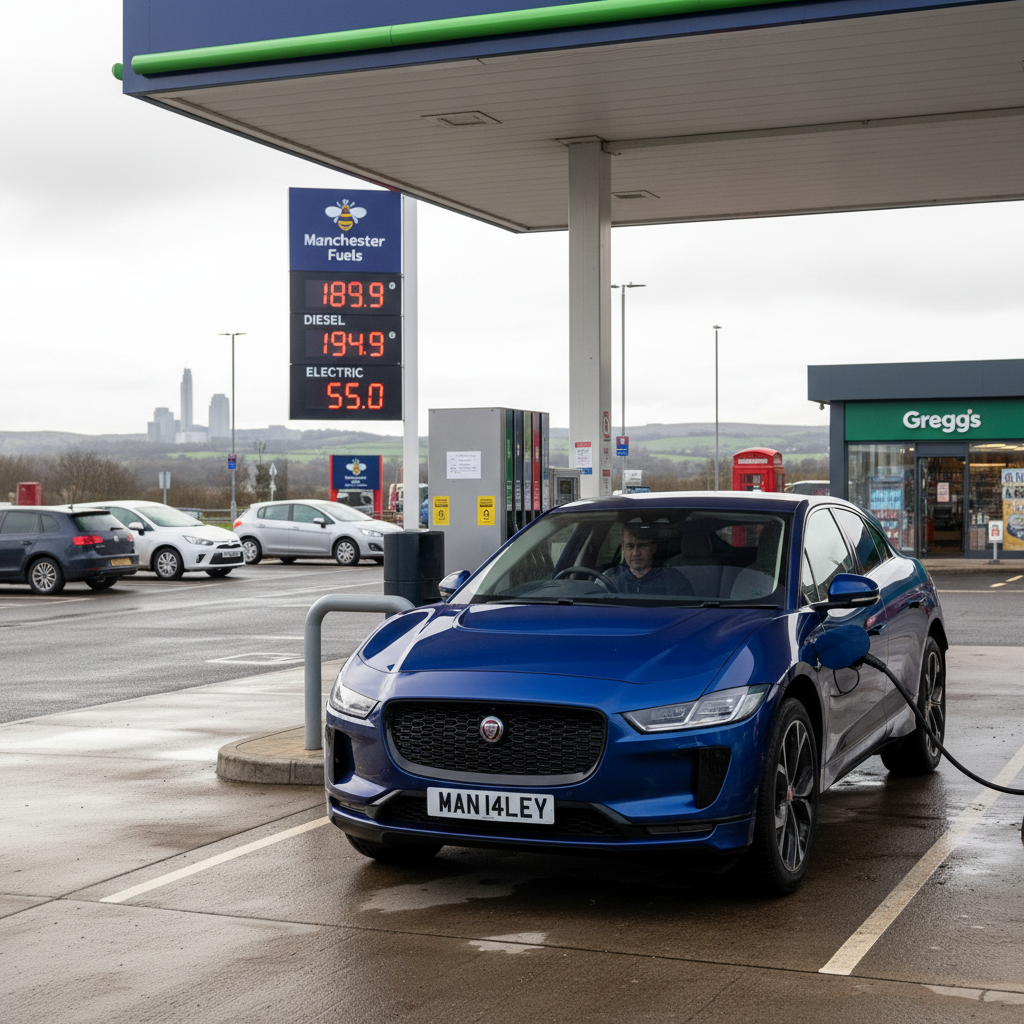
For decades, the golden rule of budget motoring was simple: queue up at the supermarket forecourt to get the cheapest fuel. It was a reliable, wallet-friendly ritual for millions of working-class drivers. But today, a radical shift in fuel economics has turned that traditional logic completely on its head.
Fresh analysis of pump prices across the UK reveals a startling reality. The big-name supermarket giants, once the undisputed champions of low-cost petrol, are now trailing far behind nimbler, aggressive independent retailers. In fact, relying on your weekly grocery spot for a top-up could now be one of the most expensive motoring mistakes you make this year.
The 44p Per Litre Reality Check
According to our latest data, the national average for standard unleaded currently sits at 173.88p per litre. However, this average masks a massive 59p gulf between the nation's cheapest and dearest pumps. While the absolute lowest price found was a stellar 136.90p, the absolute maximum peaked at a staggering 195.90p.
When we look at who is charging what, the results are eye-opening. Tesco, traditionally a safe haven for petrol-buying families, is averaging a hefty 186.55p per litre across the 100 stations analysed. Meanwhile, Karan Retail—a smaller, hyper-efficient independent operator—is offering a jaw-dropping average of just 142.53p across 42 sites.
That is a massive difference of 44.02p per litre. For a typical family hatchback with a 55-litre tank, refuelling at this independent champion instead of the supermarket giant saves an incredible £24.21 on a single fill-up.
The Retailer Price League
To see how the major players stack up in today's market, here is how average unleaded prices compare across key retailers:
| Retailer | Average Unleaded Price (p) | Price Difference vs. Karan (Per Litre) |
|---|---|---|
| Karan Retail | 142.53p | Benchmark |
| JET | 162.90p | +20.37p |
| Motor Fuel Group | 163.87p | +21.34p |
| SGN | 164.70p | +22.17p |
| Moto (Motorway) | 183.73p | +41.20p |
| Tesco | 186.55p | +44.02p |
| Rontec | 190.15p | +47.62p |
Why Are the Giants Lagging Behind?
Why are our trusted supermarkets letting us down at the pumps? The answer lies in how these massive corporations manage their supply chains and profit margins. Supermarkets operate on high-volume, slow-moving fuel contracts. When wholesale oil prices fluctuate, it takes them much longer to pass those falls down to the consumer.
Conversely, agile independent operators buy fuel more frequently on the spot market. When wholesale costs drop, these nimbler businesses can immediately pass those savings onto drivers, using aggressive pricing to steal market share from the sluggish giants. Furthermore, supermarkets have increasingly used higher fuel margins to subsidise price wars on their grocery shelves—essentially asking motorists to fund cheaper milk and bread at the pump.
How Savvy Drivers Can Beat the Squeeze
To navigate this upside-down market, working-class drivers need to abandon old habits. The assumptions we made three years ago about where to find cheap fuel no longer apply. Getting actionable savings today requires looking beyond the big supermarket logos.
Keep an eye out for regional independent brands like JET, SGN, and local family-run forecourts. As our data shows, even mid-market operators like Motor Fuel Group (averaging 163.87p) are comfortably beating the supermarkets by over 22p per litre, saving you more than £12 a tank.
Key Takeaways for Motoring Savings
- Ditch Supermarket Loyalty: Tesco is currently averaging 186.55p, making it one of the most expensive options on the high street.
- Embrace Agile Independents: Look for smaller networks like Karan Retail, where prices average a wallet-friendly 142.53p.
- Track regional brands: Mid-market brands like JET and SGN are consistently beating supermarkets by over 20p per litre.
- Map your route: Avoid motorway service operators like Moto (183.73p) and premium networks like Rontec (190.15p) wherever possible.
The Verdict
The era of the cheap supermarket fill-up is officially on pause. Today's data proves that real value lies in the hands of the independent champions who are hungry for your business. Before you default to your local supermarket forecourt this week, take a moment to look at the independent sign down the road. Making the switch could keep an extra £24 in your pocket where it belongs.