

As a mum and a motoring editor, I know the daily juggle. Between school runs, grocery trips, and weekend adventures, your car isn't just a vehicle; it's a mobile command centre for your family. That's why when I look at the latest news from the motoring world, my radar is always tuned to two things: safety and practicality. And let me tell you, the electric vehicle landscape is changing rapidly, with some truly exciting (and frankly, some irrelevant) developments for us parents.
The Real Stars of the Show: Safety First, Always
While some headlines might be dominated by eye-watering prices for super-fast electric sports cars – I'm looking at you, Ferrari's first EV 'Luce' at a cool half-a-million-plus, as reported by electrive.com – what truly matters to families is robust safety. And on that front, there's good news.
It's no secret that a five-star Euro NCAP rating is the gold standard, and happily, many new electric models are not just meeting it, but exceeding expectations in crucial areas. For instance, the Volvo EX90, as highlighted by Parkers, is set to be a safety leader with impressive adult and child protection scores. According to Auto Express, making a truly safe family car means protecting everyone – adults, children, pedestrians, and other road users. This holistic approach to safety is what we should be looking for.
When you've got precious cargo in the back, those child protection scores are paramount. Synergy Car Leasing Hub confirms that a five-star Euro NCAP rating with strong child occupant protection and crash avoidance features is essential. And don't forget the practicalities for parents: ISOFIX points, easy-access rear seats, child locks, and rear seatbelt reminders are non-negotiable, as Nationwide Vehicle Contracts rightly points out.
Beyond the Price Tag: Practicality and Peace of Mind
While the luxury market gets its electric supercars, the real momentum for families is in the everyday electric vehicle. VinFast, for example, has unveiled its second-generation VF 8, an electric SUV, according to electrive.com. These kinds of developments hint at more family-friendly electric options becoming available, offering the space and versatility busy parents need.
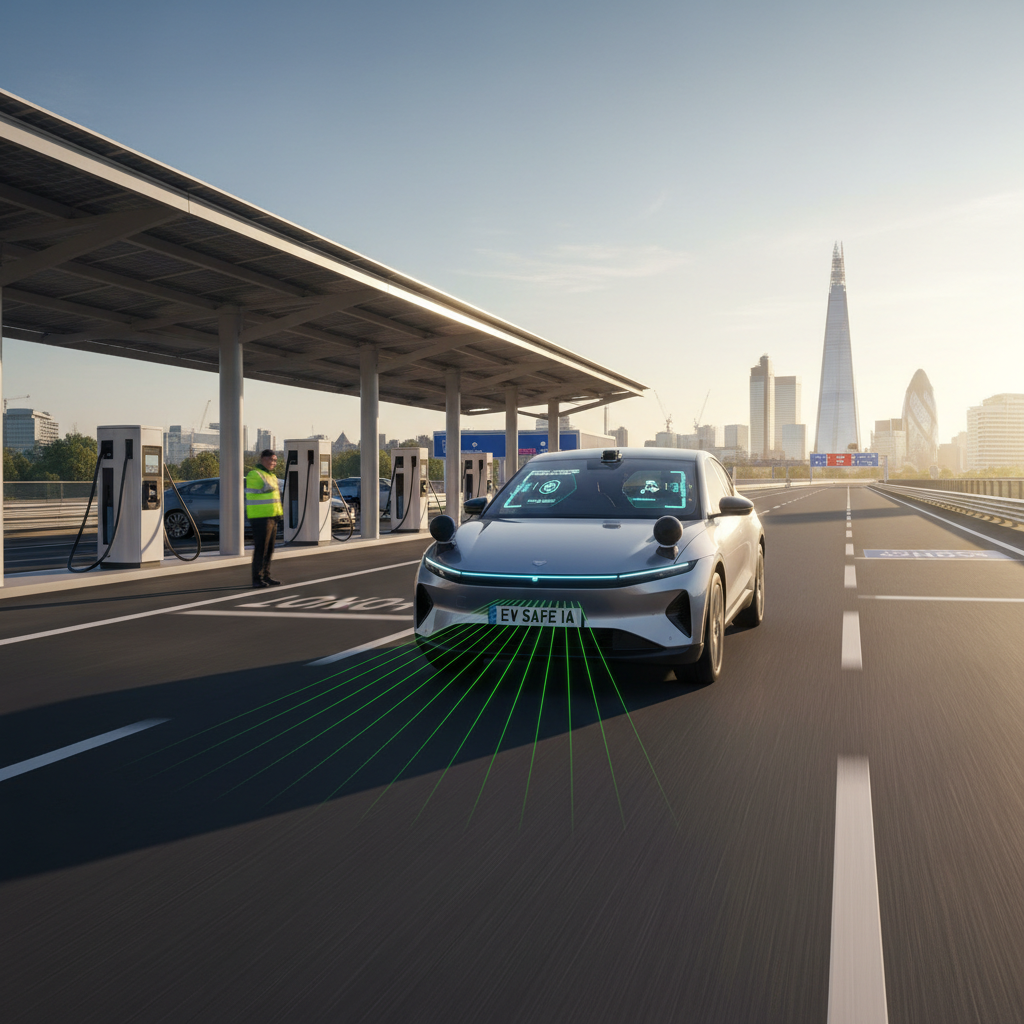
But practicality isn't just about the car itself; it's about the infrastructure that supports it. Access to charging points has always been a concern for those considering an EV, and it's fantastic to see developments like Volvo Cars opening up access to Tesla's Supercharger network for its European customers from late 2026, as reported by electrive.com. This significantly eases range anxiety and makes longer family journeys much more viable. More charging options mean less stress on those motorway services stops! If you're wondering why EV infrastructure is the unsung hero for parents, these developments are a prime example.
Another area where electric progress is directly impacting families is in public transport. Electrive.com reports that Volvo Buses has secured an order for 47 battery-electric buses in southern Sweden, and we're seeing electric heavy-duty trucks being deployed in Vietnam. While these aren't cars for your drive, they signify a growing, reliable electric infrastructure and supply chain (like DHL's new battery logistics hub in the Netherlands, mentioned by electrive.com) that ultimately benefits the entire EV ecosystem, making parts more accessible and potentially driving down costs for consumer vehicles in the long run. These big changes in electric transport mean better roads for families.
The Drive Towards Smarter, Safer Tech (Without the Self-Driving Stress)
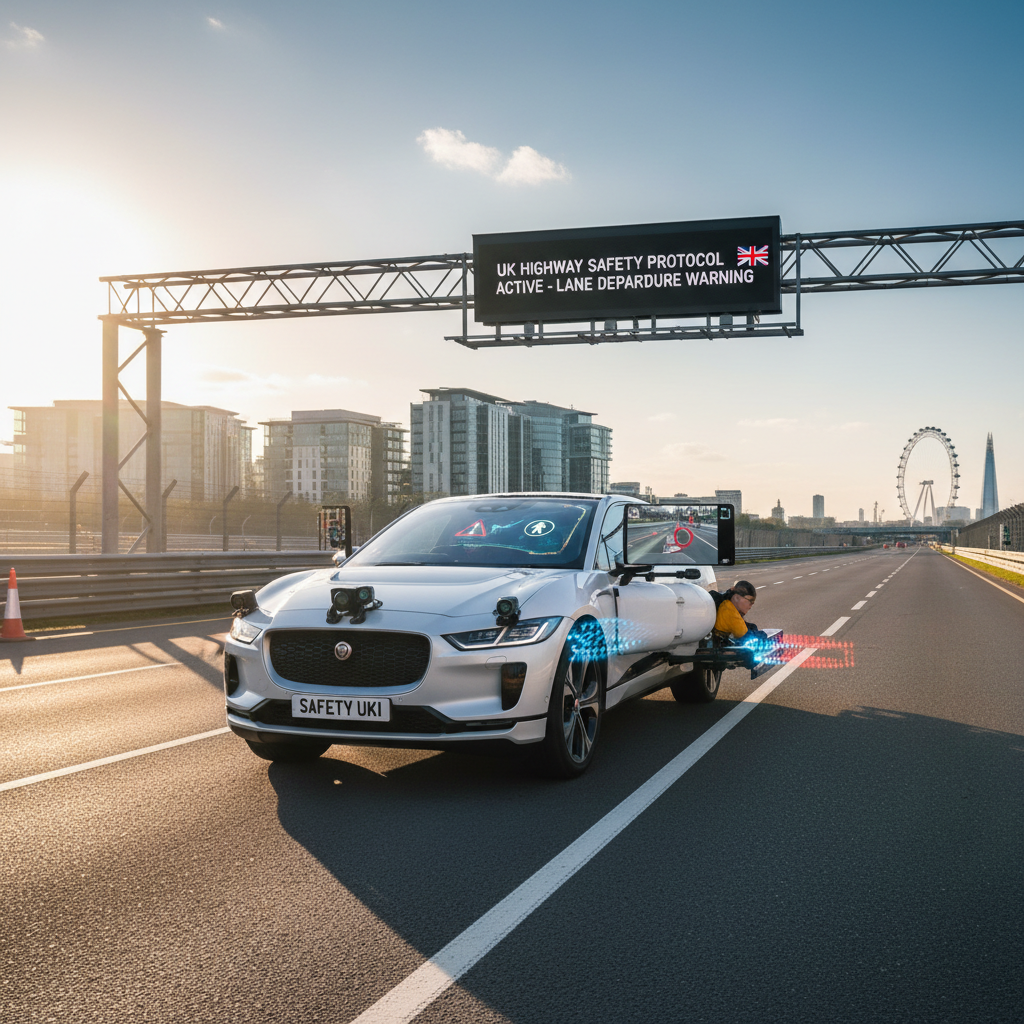
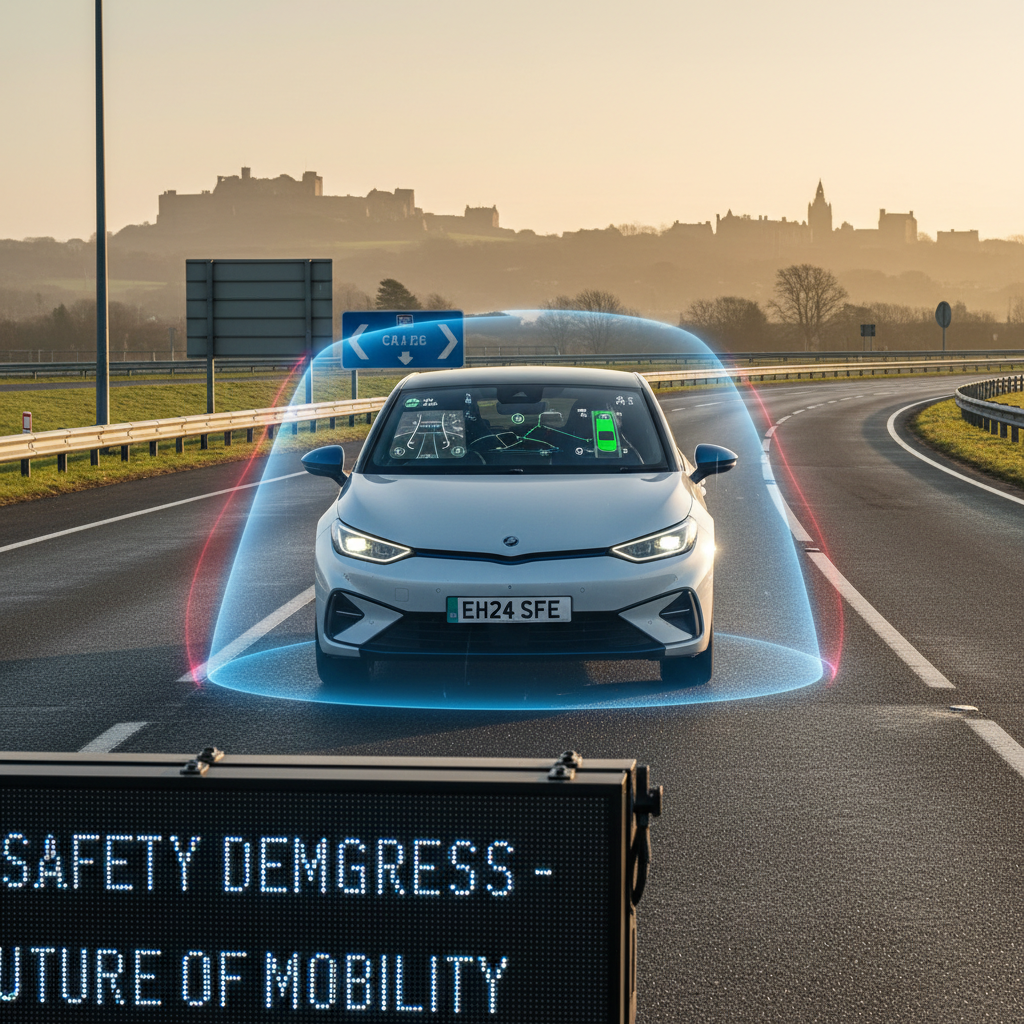
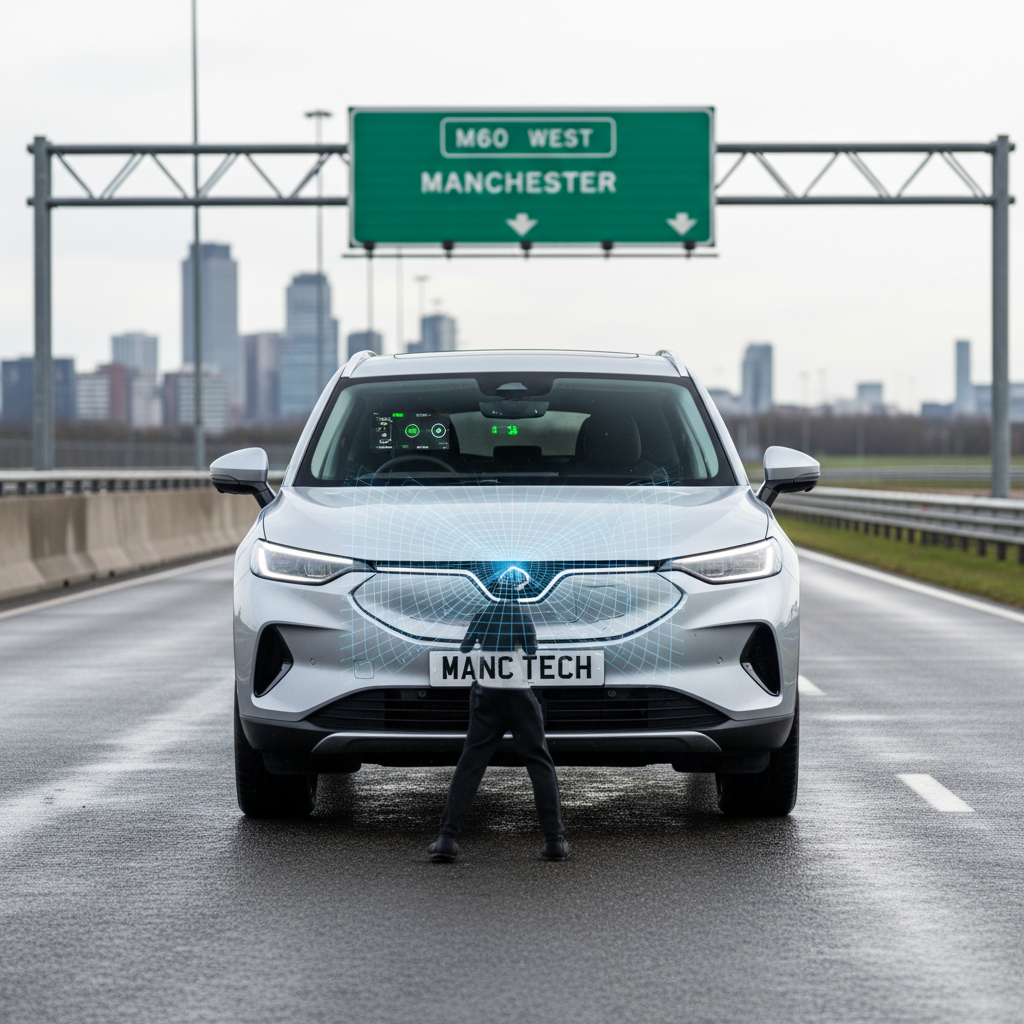
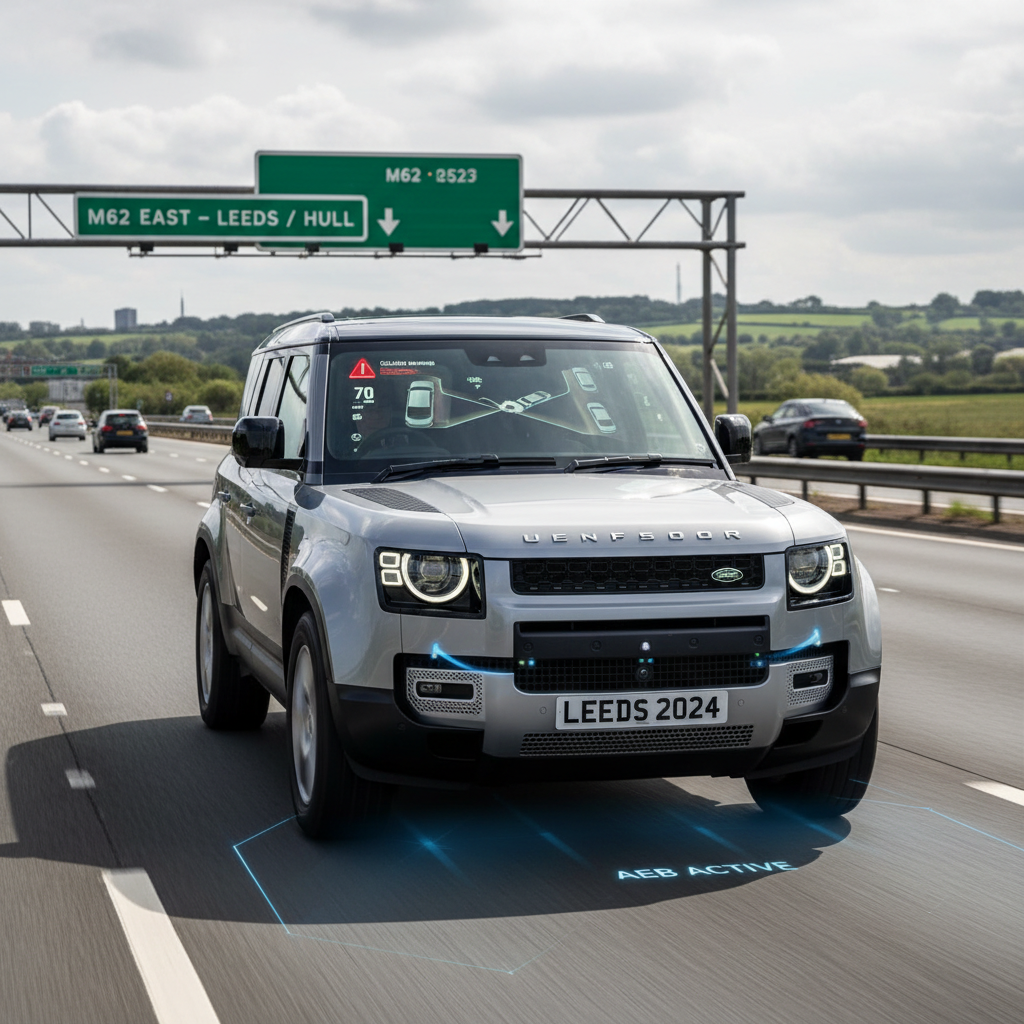
Advanced driver assistance systems are also becoming increasingly sophisticated, offering another layer of protection. Mercedes-Benz is launching its new MB.Drive Assist Pro, with initial availability in Germany, as electrive.com notes. While fully self-driving services might be making headlines with the UK opening application processes for robotaxi services, as electrive.com describes, for daily family life, I'm more interested in the 'assist' part of these systems. Features like autonomous emergency braking, lane-keeping assist, and blind spot warnings are invaluable for preventing accidents and are often standard in top-rated family cars. Carwow reminds us that Euro NCAP tests aren't just about crash protection; they also evaluate these crucial safety assist features. For parents, understanding what the latest tech means for your family's motoring peace of mind is crucial.
The electric revolution is far from just a performance race. For families, it's about making our roads safer, our journeys more economical, and our choices more sustainable. We need to look past the glitz and focus on the practical benefits that these advancements bring to our everyday lives.
Key Takeaways for UK Families:
- Prioritise Safety Ratings: Always look for five-star Euro NCAP ratings, especially high child protection scores.
- Check for Charging Access: New partnerships like Volvo and Tesla Superchargers are making EV ownership more practical.
- Focus on Practical Tech: Advanced driver assistance features offer real-world safety benefits for day-to-day driving.
- Consider the Long Game: Improvements in public transport and logistics signal a more robust EV future for everyone.
Ultimately, when it comes to choosing the next family car, the fundamental questions remain: Is it safe? Is it practical? Does it offer peace of mind without breaking the bank? The electric vehicle market is rapidly maturing to provide compelling answers to these questions, ensuring that our families are in safe hands, whoever's driving. This aligns with the broader aim of navigating tomorrow's roads for your family's safety and budget.