

Keeping Up with the Kids: Why Practicality Trumps Posh Every Time
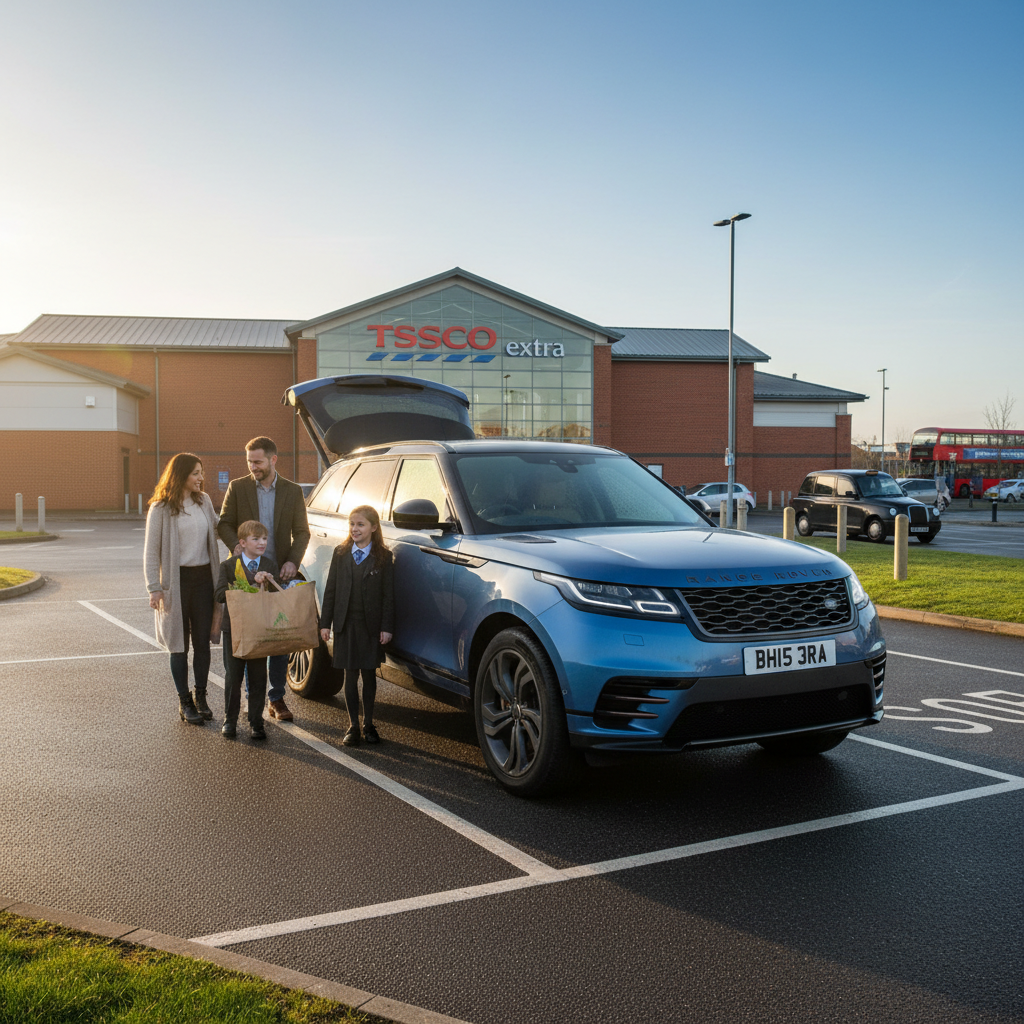
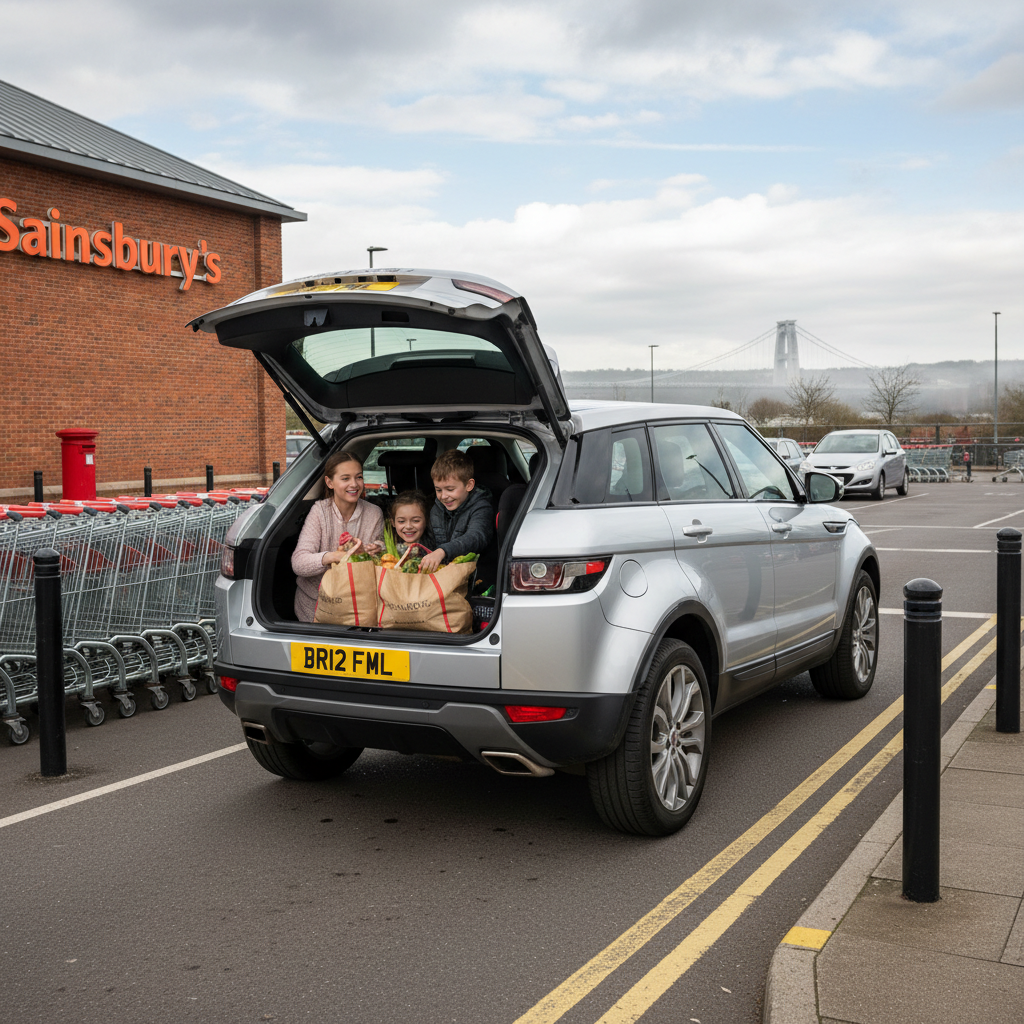
As a mum myself, I know all too well that car shopping with little ones in tow isn't about flashy performance figures or the latest gadgetry. It's about finding a reliable workhorse that can safely transport your precious cargo, handle the daily school run, and still have enough boot space for the weekly shop and all those inevitable extra bits and bobs. In 2026, the motoring world is seeing some fascinating shifts, and thankfully, many of them are playing right into the hands of us family-focused drivers.
The Unsung Heroes: Safety Stars and Sensible Choices
When it comes to family cars, our number one priority is, and always should be, safety. And I’m not just talking about airbags here. It’s the comprehensive package: robust crash protection, advanced driver assistance systems, and even how well a car protects pedestrians and other road users. This is where Euro NCAP ratings become our best friend. As Carwow rightly points out, their tests are constantly evolving, so a five-star rating from a few years ago might not cut it under today's stringent standards. We need to look for recent tests.
It's reassuring to see electric SUVs like the Volvo EX90 making headlines for their exceptional safety, with Parkers reporting 92% adult protection and a remarkable 93% for child occupants. While a brand new Volvo might be out of reach for many, it sets a high bar for what's achievable.
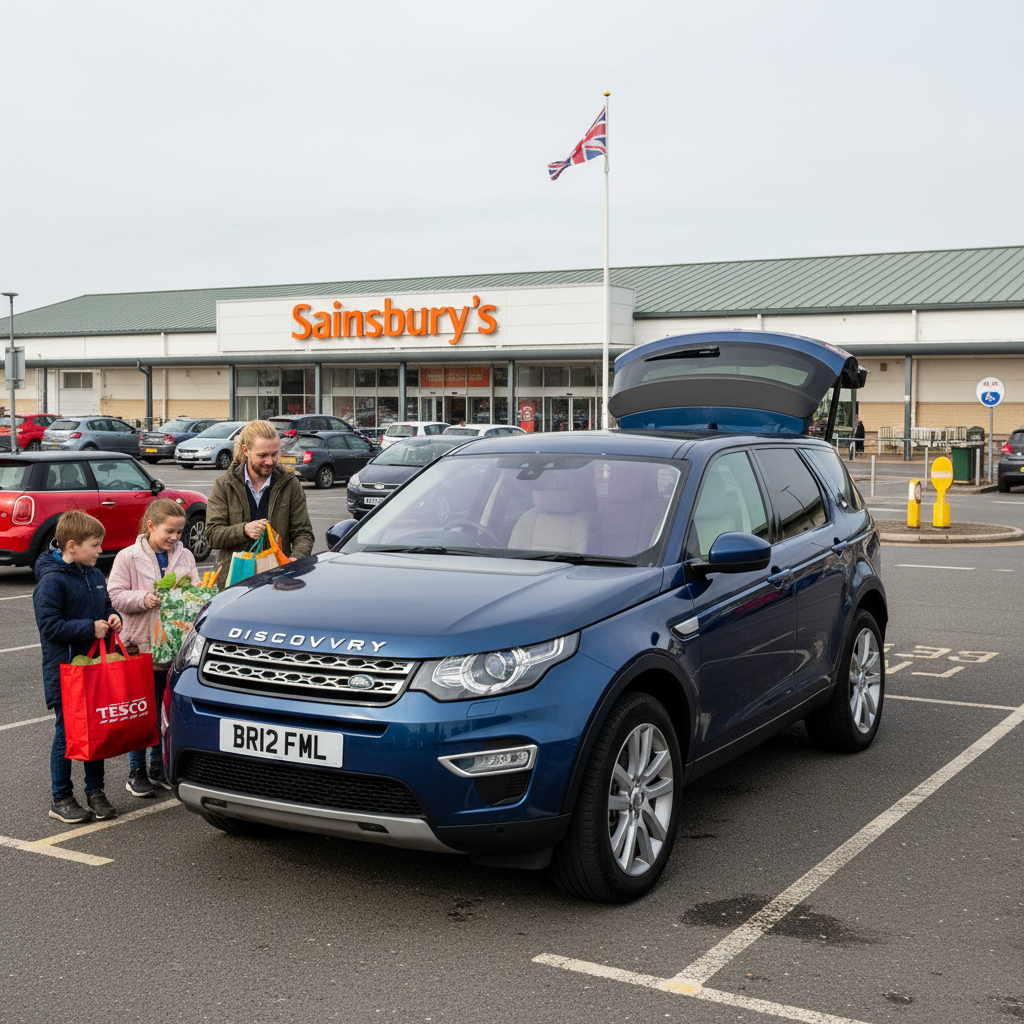
But you don't always need to break the bank for top-tier safety. The Land Rover Discovery Sport, despite being around for a few years, still boasts a full five-star Euro NCAP rating, according to Carwow, proving that well-engineered models can stand the test of time. For families, features like ISOFIX points, child locks, and rear seatbelt reminders are non-negotiable, as highlighted by Nationwide Vehicle Contracts. If you're looking to nail the family car choice, prioritizing these safety features is key.
Beyond the Showroom: Charging Up and Looking Ahead
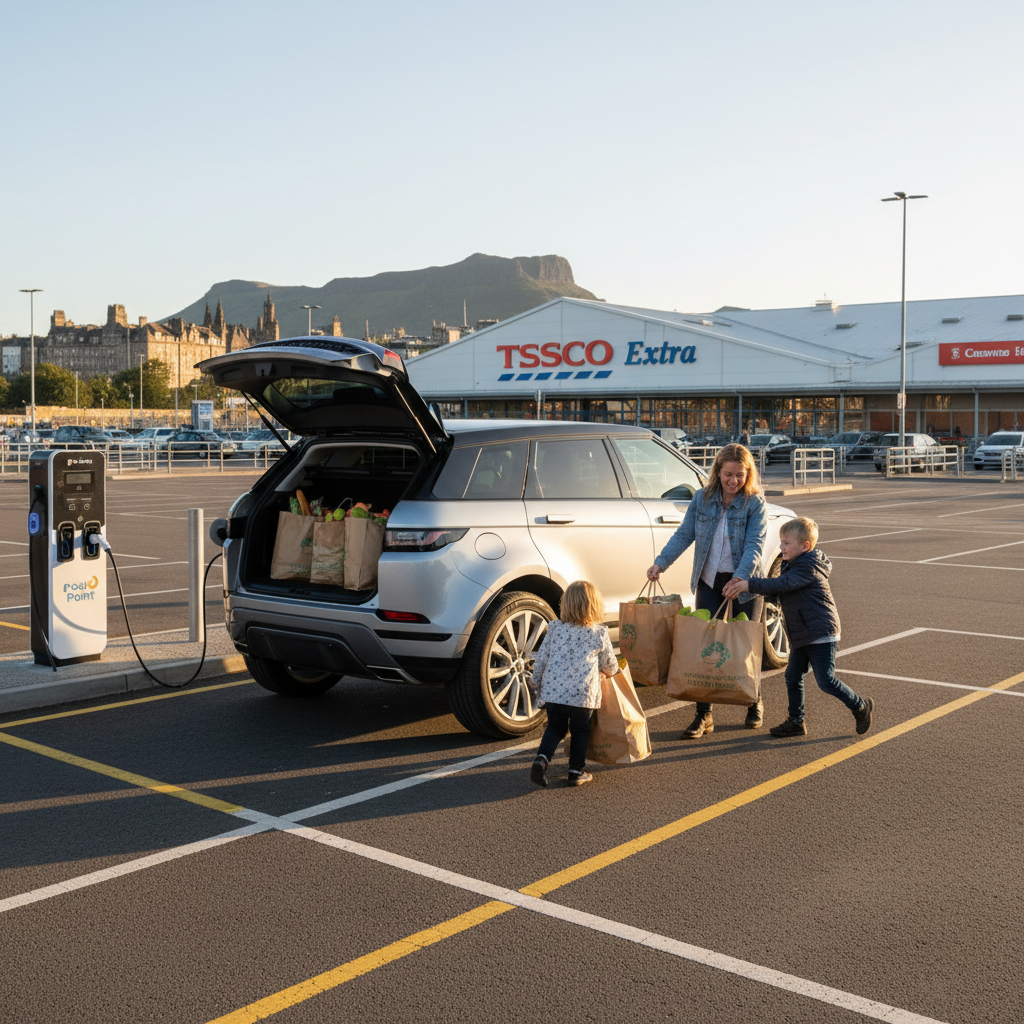
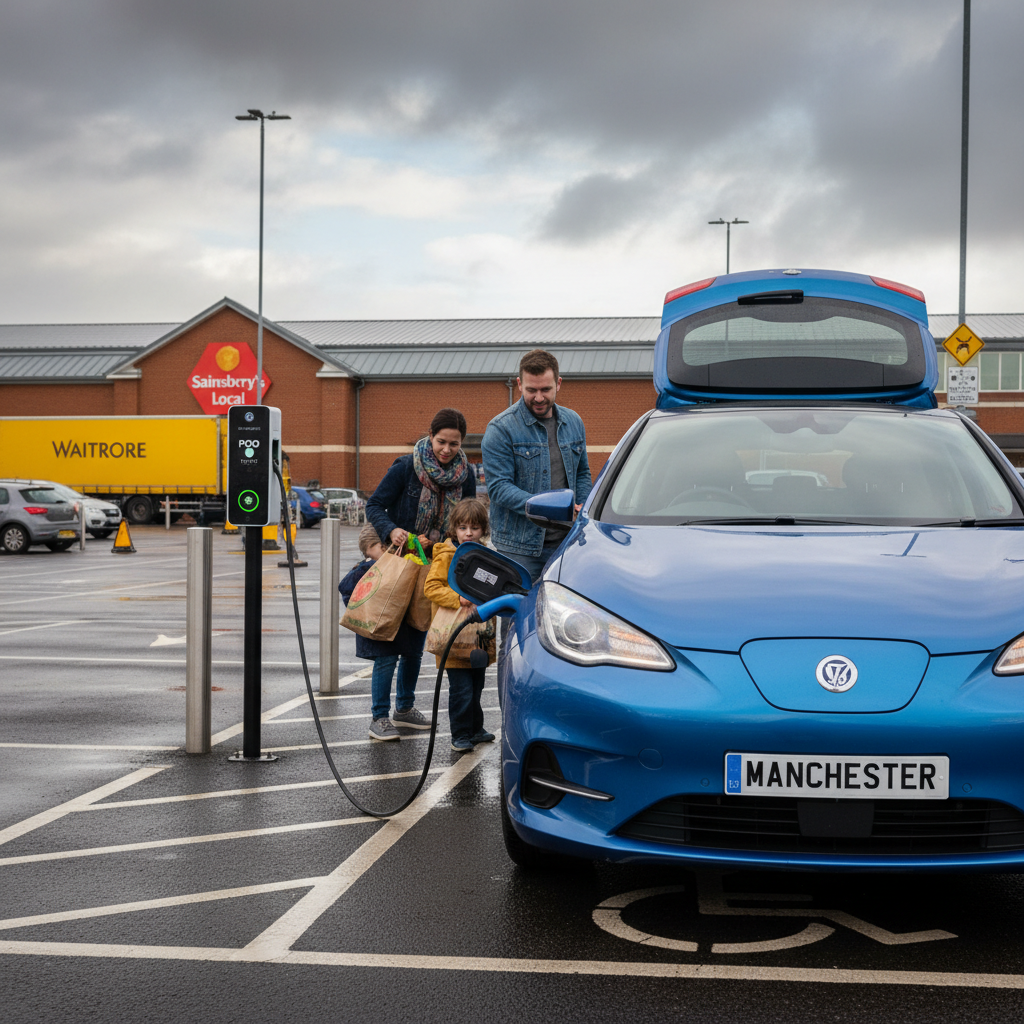
The push towards electrification continues, and it’s not just about what’s under the bonnet. The infrastructure supporting these vehicles is crucial for families. Wattif EV expanding its network by acquiring Mer's business units, as reported by Electrive.com, means more charging options could be popping up, making electric family motoring more convenient. And Canada increasing investment in cobalt refining (electrive.com) and Australia extending EV incentives (electrive.com) show a global commitment to making EVs more accessible and sustainable in the long run. These developments are good news for powering family adventures.
However, it’s not all smooth sailing. The news that Ebusco, an electric bus manufacturer, is exploring a partial sale of its division (electrive.com) reminds us that innovation in greener transport faces its own challenges. On the public transport front, Hamburg's Hochbahn planning to procure 240 electric buses (electrive.com) is a positive step, even if they've had to adjust their full electrification timeline. For many of us, better public transport options mean less reliance on the family car for every journey, which is a win for both our wallets and the environment.
The Autonomous Age: Safety and Responsibility
The development of autonomous vehicles is fascinating, but for families, safety and accountability are paramount. The news from electrive.com that California police can now ticket autonomous vehicles is a significant development. It signals that even with advanced tech, there must be a clear line of responsibility. As a parent, the thought of my children in a car where no human can intervene is still a big one to wrap my head around. For now, tried and tested active safety features that assist the human driver remain my preference.
Interestingly, some manufacturers are making big moves. Porsche is discontinuing the internal combustion Macan in summer 2026 (electrive.com), focusing instead on its electric successor. While a Porsche might not be the typical 'family car' for many, it shows how quickly even luxury brands are adapting to the electric future. This rapid evolution means that future-proofing family journeys increasingly involves embracing new EV tech.
Emma's Key Takeaways for Family Car Buyers in 2026:
- Prioritise Recent Euro NCAP Ratings: Look for cars tested in 2024/2025 for the most relevant safety scores, especially for child occupant protection.
- Check for Practicality First: Don't just look at boot space; consider ease of access, child seat fitment, and intelligent storage solutions.
- Consider Long-Term Costs: Electric car incentives and a growing charging infrastructure can make EVs more affordable in the long run.
- Safety Features are Not Just Luxuries: Active safety tech like autonomous emergency braking and blind-spot warning are crucial for peace of mind.
Ultimately, for families, the best car is one that offers peace of mind, reliable transport, and doesn't stretch the budget to breaking point. From dedicated safety features to a burgeoning electric infrastructure, the motoring landscape in 2026 is shaping up to offer more practical and safer choices than ever. It's about making smart decisions that truly benefit your family, and that's something I can always get behind, especially when considering real-world electric car solutions for your family budget.