

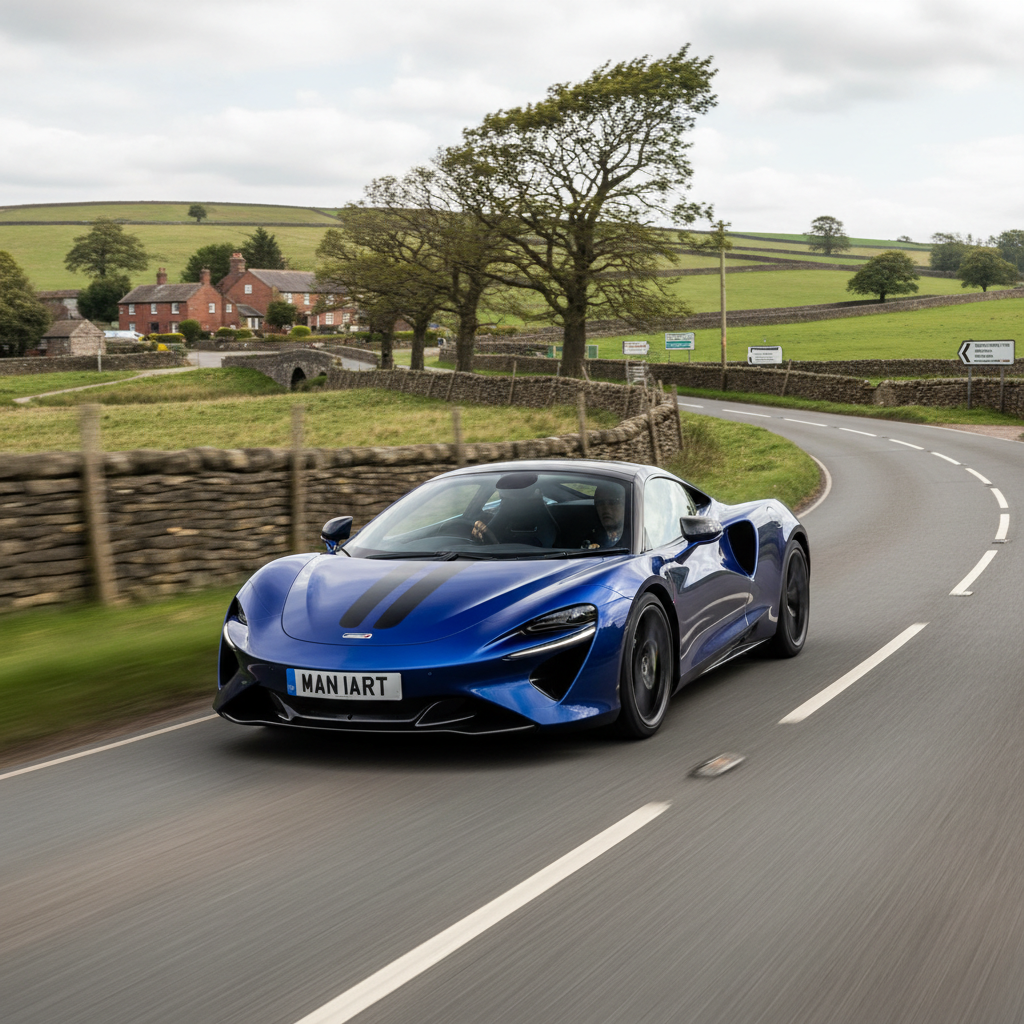
There's a palpable hum in the air this week, a symphony of high-octane drama reverberating from the hallowed circuits of Monaco to the blistering asphalt of Balaton Park. It’s not just about who crosses the finish line first; it’s about the sheer, unadulterated effort, the razor-sharp focus, and the exquisite machinery that allows man and machine to dance on the very edge of physics. This, my friends, is why we love performance cars and motorsport – the relentless, intoxicating pursuit of perfection.
The Art of the Apex: What We Learn from the Track
Take Marc Marquez's sensational pole position at the Hungarian Grand Prix, for instance (Autosport.com). Outgunning Pedro Acosta, the pre-qualifying favourite, with two ballistic laps illustrates something fundamental: the driver's touch, the ability to extract every last ounce of grip and power, remains paramount. It’s that same intuitive connection we crave in our road cars. We want a machine that communicates, that responds to our every input with precision, making us feel like an integral part of the driving experience.
That pursuit of the perfect lap isn't confined to two wheels. Just look at the Monaco Grand Prix. Ferrari, despite a minor hiccup with Fred Vasseur's absence for medical checks (Autosport.com), looked incredibly strong. Charles Leclerc leading a Ferrari 1-2 in practice (Autosport.com) isn't just about raw pace; it's about a car that’s planted, responsive, and utterly engaging in slow-speed corners. This is the holy grail of chassis tuning – a car that feels alive in your hands, giving you the confidence to push harder.
However, the Formula 1 landscape isn't without its controversies. Fernando Alonso, a man who knows a thing or two about pushing limits, has candidly called the upcoming 2026 F1 cars 'the worst ever' (Autosport.com) due to concerns about energy management dampening the high-speed thrill. And then there's Audi, opposing major F1 engine changes for 2027 (Autosport.com), highlighting the delicate balance between technical innovation and maintaining the visceral excitement that defines the sport. It's a stark reminder that even at the pinnacle of motorsport, the essence of driving dynamics can be threatened by political and technical wrangling.
From Circuits to Showrooms: Performance You Can Touch
But fear not, fellow petrolheads, the future of thrilling performance on the road looks bright. According to Trackdays.co.uk, the next generation of sports cars coming from 2025 promises to be 'thrilling, innovative, and deeply rewarding for those who love to drive.' This isn't just marketing fluff; it's a commitment to performance that translates into tangible benefits for us, the drivers.
We're talking about cars that deliver that immediate, punchy acceleration, a chassis that feels like an extension of your own body, and steering that’s so communicative you could almost feel the texture of the tarmac through the wheel. Think about the McLaren 765LT, a car that, as Auto Express notes, uses hydraulically-assisted power steering for 'transparent and confidence inspiring in feel' – a crucial element often sacrificed in modern cars for perceived convenience. It's that direct, uncorrupted feedback that separates a good performance car from a truly great one.
And let's not forget our roots. How the RAF helped make Britain a sports car mega-power (Autocar.co.uk) by providing those perfect testing grounds, those abandoned airfields that became canvases for engineers and drivers to sculpt legendary machines. It speaks volumes about the British passion for driving, a legacy that Evo.co.uk continues to celebrate with its Leaderboard, ranking the fastest lap times from iconic UK circuits like Anglesey and Silverstone.
If you live for that perfect apex, for the thrill of a balanced chassis rotating exactly as you command, or the surge of power delivering you to the next corner, then you understand this obsession. Whether it's Giorgetto Giugiaro's brilliant designs (Autocar.co.uk) that inspire, or a track day at Silverstone (Silverstone.co.uk) pushing your own limits, the pulse of performance motoring beats strong. And as for those 'controversial models' (Autocar.co.uk) that missed the mark? They only serve to highlight just how difficult it is to nail that perfect blend of form, function, and sheer driving joy.
Key Takeaways:
- Driver Engagement is King: Motorsport's challenges remind us that the human element and a responsive machine are paramount.
- Chassis Dynamics Matter: The subtle nuances of suspension geometry and steering feedback are what make a car truly exciting.
- Innovation vs. Emotion: The debate around F1 engine rules highlights the ongoing tussle between outright technical ambition and the visceral thrill of pure driving.
- UK's Enduring Legacy: Britain continues to be a hub for performance car development and appreciation, fuelled by a rich history.
- The Future is Thrilling: Upcoming models promise to continue the tradition of exciting, driver-focused performance.
So, as the dust settles on another weekend of motorsport and the anticipation builds for the next wave of road-going beasts, one thing is clear: the pursuit of that ultimate driving experience remains at the heart of our automotive world. It’s what drives engineers, inspires designers, and keeps us, the enthusiasts, utterly captivated. Roll on the next track day!