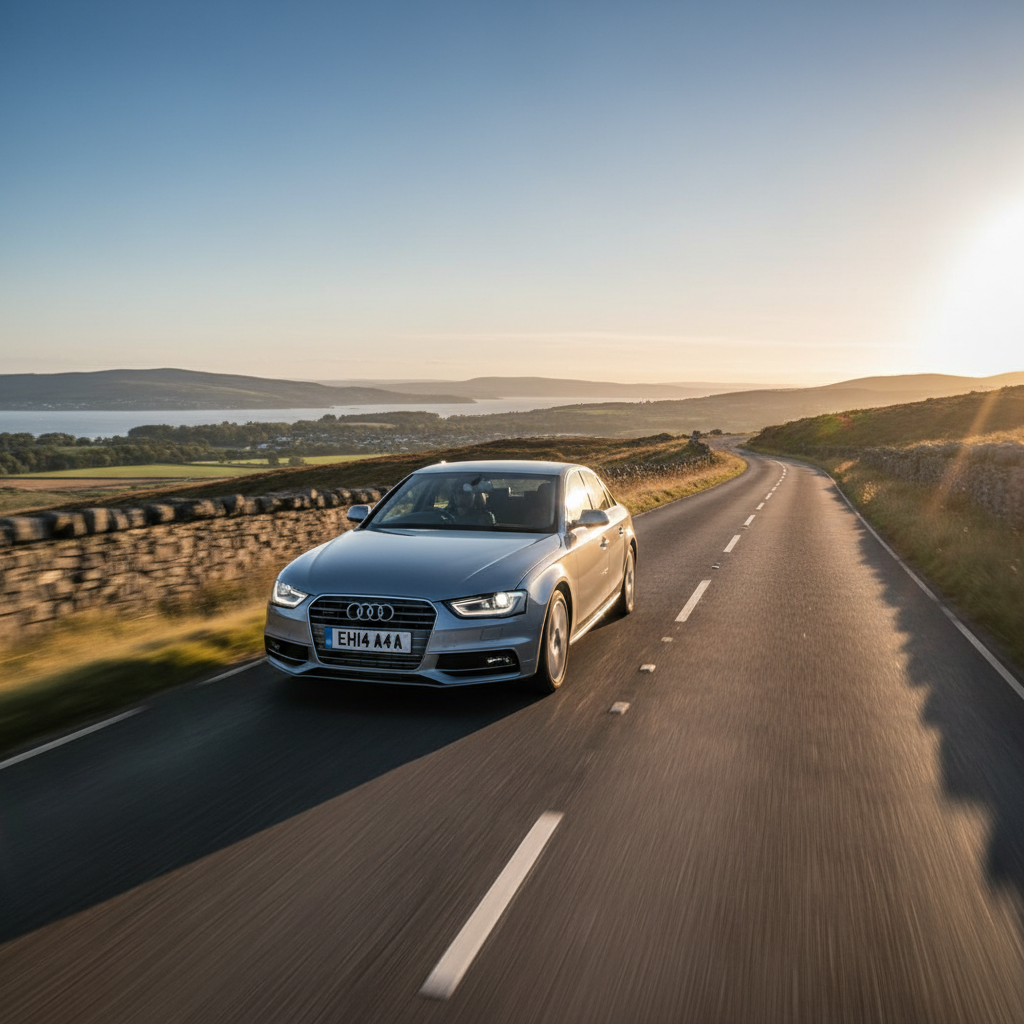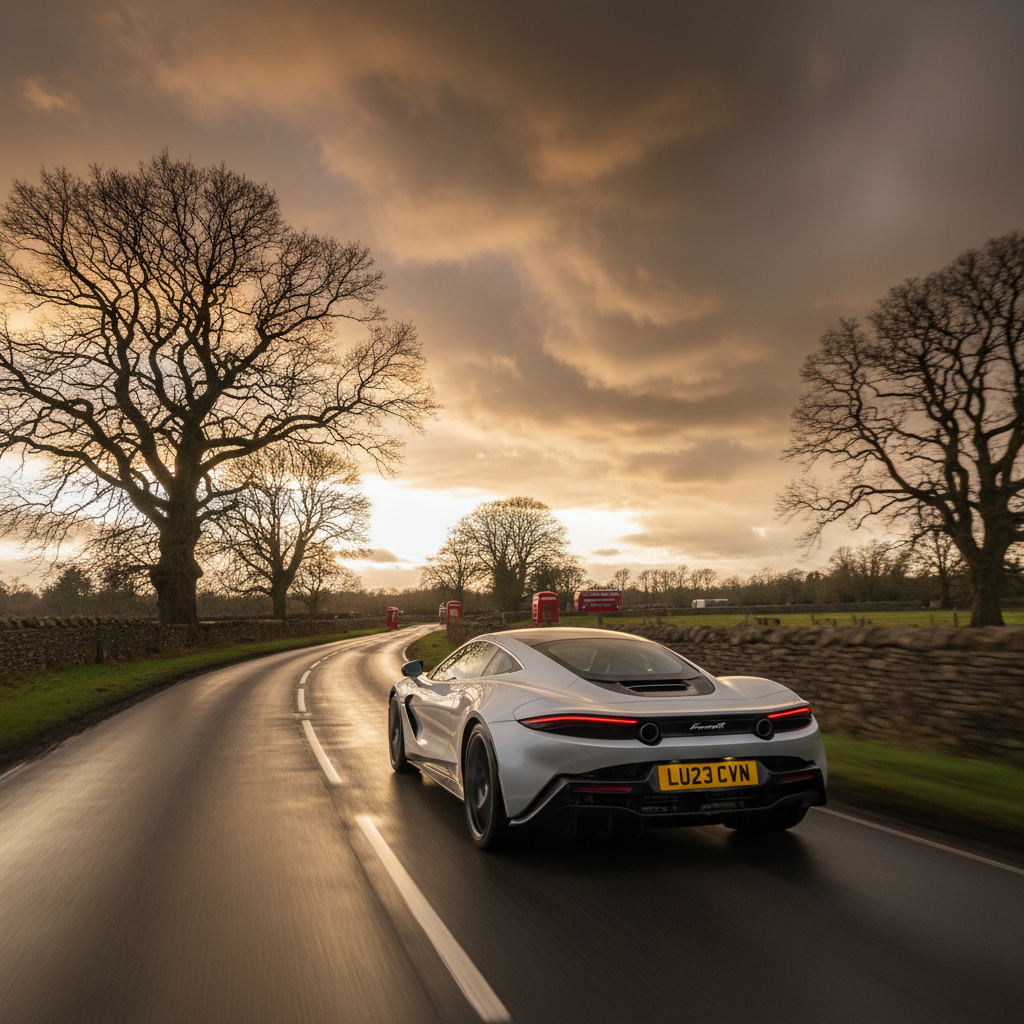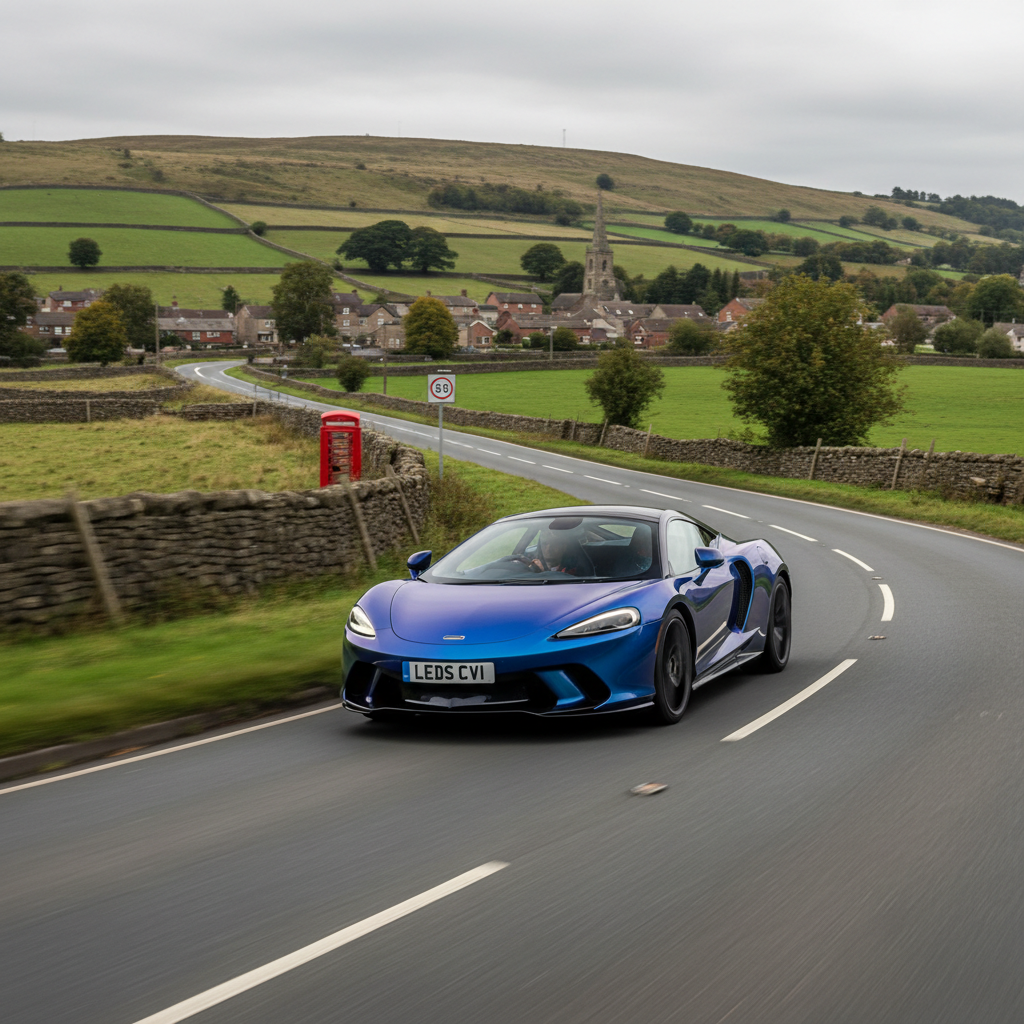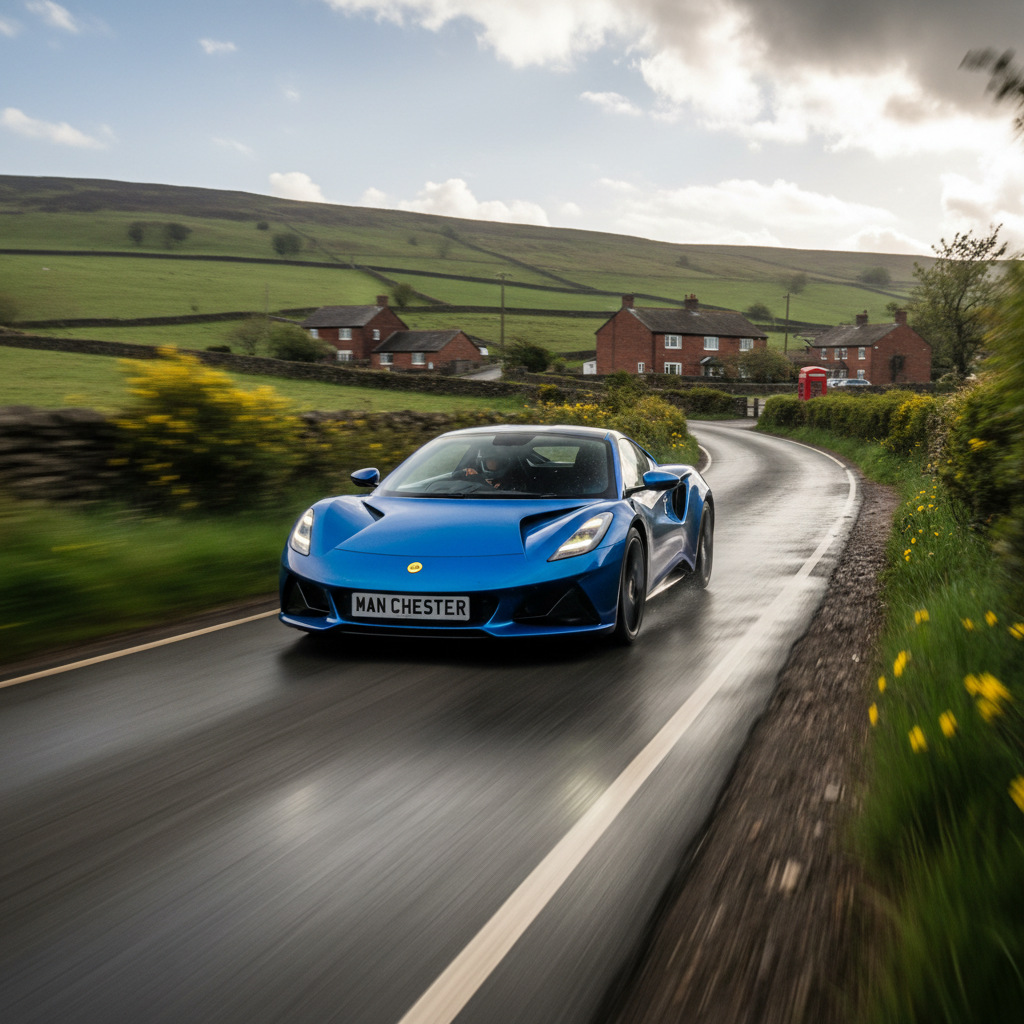


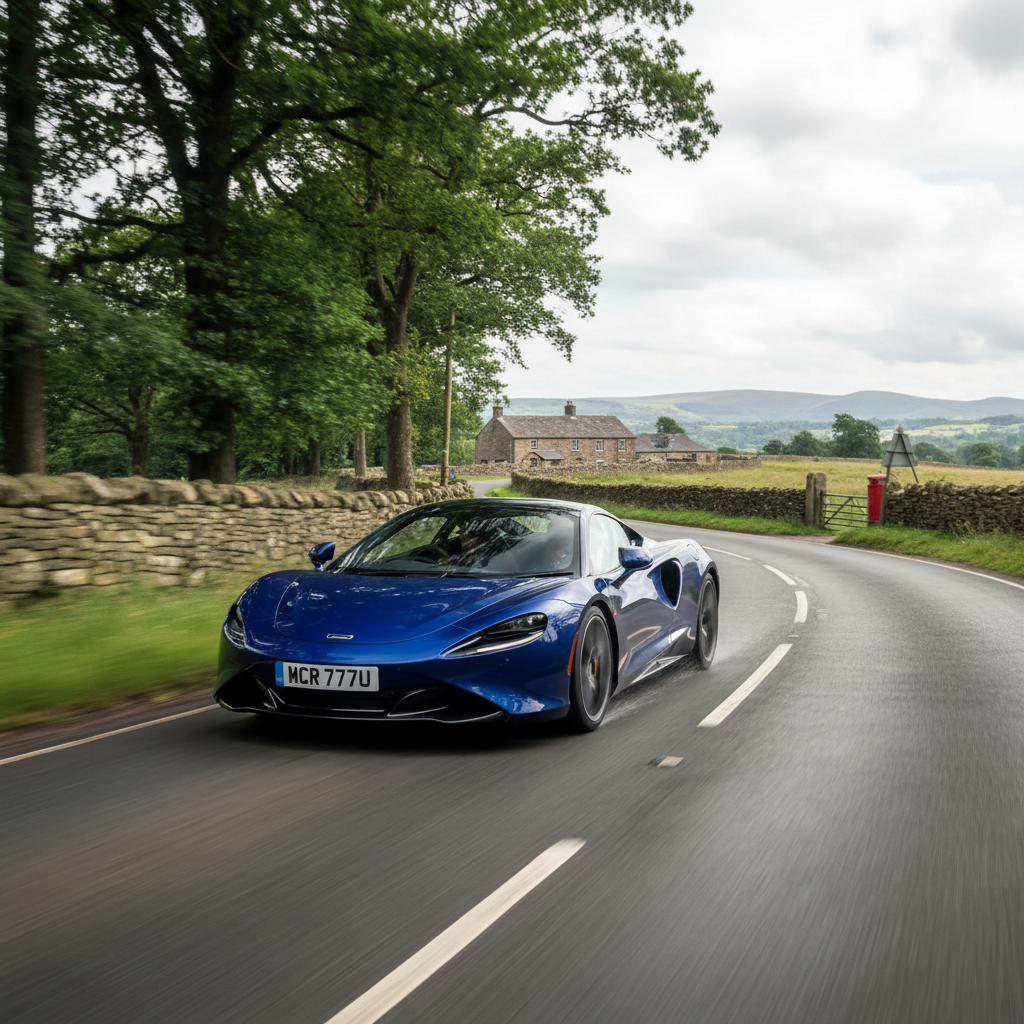
Alright, petrolheads, settle in. This past weekend was a masterclass in what truly separates a great driver from the merely good, and what defines a truly engaging performance machine. Forget the endless spec sheets for a moment, because at Brands Hatch, Le Mans, and even the treacherous stages of Rally Portugal, we saw pure, unadulterated driving prowess steal the show. It’s a stark, exhilarating reminder that while cutting-edge tech is brilliant, the human element—that visceral connection between driver, machine, and tarmac—is still king.
The Art of the Overtake: When Less is More
Let's kick things off at Brands Hatch. Ash Sutton, the four-time BTCC champion, put on an absolute clinic in the qualifying race. Autosport.com reported his victory as a 'masterclass of driving and opportunism'. And why was it so impressive? Because he did it with compromised TOCA Turbo Boost, a direct handicap for being the points leader. Think about that for a second. While some drivers might lament the power deficit, Sutton took his NAPA Ford Focus Titanium saloon and danced it through the corners, making up time where it truly matters – through sheer skill and understanding of his car's dynamics. This isn't about brute force; it's about surgical precision, balancing on the edge of grip, and extracting every last millisecond from the chassis. It's the kind of driving that makes you want to immediately book a track day and try to emulate even a fraction of it.
This resonates deeply with what we look for in road cars. We talk endlessly about 0-60 times and top speeds, but how often do we celebrate a car that feels inherently balanced, responsive, and communicative, even if it's not the most powerful? The joy isn't just in the destination, it's in the journey – the way a car rotates on turn-in, the feedback through the steering wheel, the progressive bite of the brakes. That's the Sutton effect translated to the everyday drive, and it’s why a well-sorted hot hatch can often be more engaging than a supercar on a twisty B-road.
Rallying in the Rain: The Ultimate Test of Control
Then we swing over to the brutal, beautiful world of WRC Portugal, where Oliver Solberg delivered a genuinely stunning performance in the rain. Autosport.com noted how he 'snatched the lead... after delivering a stunning time in wet conditions on the final stage of the morning loop, to climb from fourth to first.' He faced an 18.6-second deficit to Sebastien Ogier and obliterated it in conditions that worsened as the stage went on. This isn't just fast; it’s an exhibition of supreme car control, reading the grip levels through the seat of your pants, and making micro-adjustments that would send lesser drivers into the trees. It’s a testament to the visceral connection between driver and car when the margin for error is razor-thin.
It's moments like these that remind me why hydraulically-assisted power steering, as highlighted by Auto Express when praising the McLaren 765LT, is so crucial. That transparent, confidence-inspiring feel is exactly what allows a driver to communicate with the road surface, to feel every ripple and texture, and react instinctively. It's the difference between merely guiding a car and truly *driving* it.
MotoGP's High-Stakes Ballet: Precision and Peril
Meanwhile, in MotoGP, the French Grand Prix was an absolute rollercoaster. Jorge Martin’s 'rocket start' from eighth to first to win the sprint race, as reported by Autosport.com, was pure aggression and tactical brilliance. But the headline, sadly, was Marc Marquez's violent highside crash, leading to a fractured foot and him missing at least two races, according to Autosport.com. It's a stark reminder of the knife-edge these athletes operate on, and the brutal consequences when they push past the limits of adhesion.
And speaking of limits, the discussion around banning ride-height devices at the start of races, as proposed for Silverstone and Phillip Island (Autosport.com), is fascinating. It’s an endeavour to put more emphasis back on rider skill and less on technological aids. This parallels the wider automotive debate: do we want more tech to make driving 'easier', or do we want cars that amplify the driver’s engagement, making every input count?
Max Verstappen's attraction to GT3 racing, where he seeks a 'level-playing field' and a chance to 'make a difference' (Autosport.com), perfectly encapsulates this desire for pure driving challenge. He knows the joy isn't just about winning; it's about the fight, the nuanced understanding of the machinery, and the thrill of pushing limits with genuine skill rather than just superior horsepower.
At the end of the day, whether it's a BTCC saloon, a WRC challenger, or a MotoGP bike, the moments that truly captivate us are when human ingenuity and audacity overcome mechanical limitations. These are the lessons that filter down to the cars we love to drive – the ones that make us feel like Ash Sutton or Oliver Solberg, even if we're just tackling the local bypass.
It’s about tactility over pixels, as Autocar.co.uk recently opined. We want to *feel* the road, *feel* the car respond, rather than simply observe it on a screen. That’s the heart of driving dynamics, and it’s why the thrill factor remains paramount.
Key Takeaways for the Performance Enthusiast:
- Driver Skill Remains King: Sutton's BTCC win and Solberg's WRC masterclass prove raw talent can overcome handicaps. This echoes sentiments in the thrill of the chase, where WRC brawls and track day beasts highlight how driving dynamics still reign supreme.
- Feedback is Fundamental: Hydraulic steering (McLaren 765LT, per Auto Express) and clear chassis communication are vital for engagement. This focus on driver connection is a recurring theme, often touched upon in articles discussing why we still crave analogue thrills in a digital age.
- Challenging the Comfort Zone: MotoGP's debate over ride-height devices highlights the push for pure, unassisted driving challenge.
- Tactility Over Technology: The ongoing shift towards physical controls enhances the emotional connection with the driving experience.
- GT3's Allure: Even top F1 drivers seek out 'level playing fields' where driver input is the primary differentiator. This pursuit of pure driving challenge and crafting driving perfection, from rally icons to hypercar dreams, is a core subject for enthusiasts.
So, next time you're behind the wheel, remember these weekends. Feel the road, listen to the engine, and revel in the sheer joy of truly *driving*. Because that, my friends, is where the real performance magic happens.