

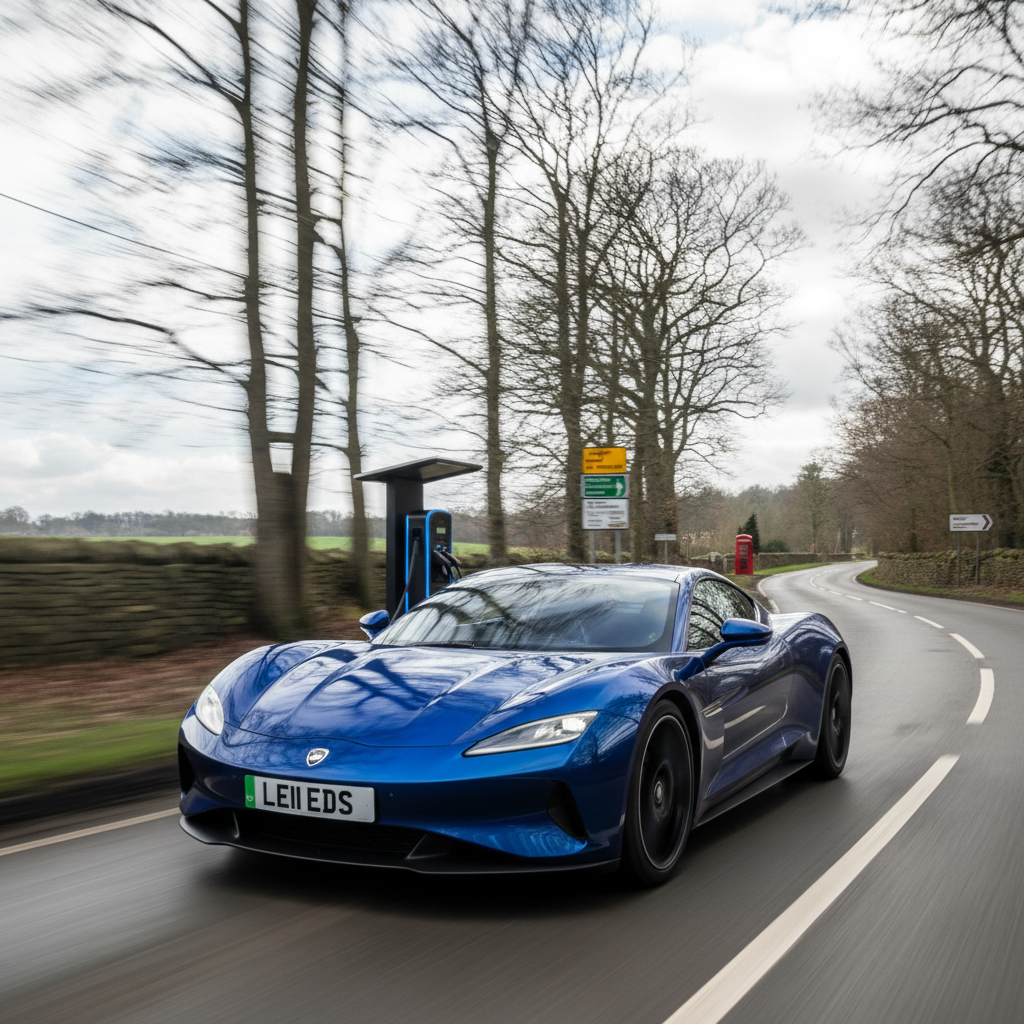
Right then, you petrolheads, gather 'round! There's a tangible buzz in the air, a crackle of anticipation that tells me the automotive landscape is shifting, not just incrementally, but fundamentally. We're not just talking about new models; we're talking about a redefinition of what truly moves us, from the white-knuckle intensity of the Nürburgring to the silent, electrifying agility of the next generation of sports machines.
It’s no longer just about raw horsepower, though let's be honest, that still sets the pulse racing. No, it’s about the holistic driving experience, the synergy between driver and machine, the delicate dance of braking, turn-in, and power delivery that creates those unforgettable moments.
The Green Hell's Enduring Allure and the Electric Evolution
Take the Nürburgring 24 Hours, for instance. It's the ultimate proving ground, a crucible where man and machine are pushed to their absolute limits. Seeing Max Verstappen, a four-time Formula 1 world champion, tackle the Nordschleife in a Winward Mercedes-AMG GT3 – as reported by Autosport – is a testament to its enduring appeal. He's not chasing F1 glory there, but the sheer, unadulterated thrill of the challenge. His initial third-place in qualifying, just 3.582s off the pace, shows the immense competition and the relentless pursuit of perfection required.
But while the roar of that AMG GT3 is pure theatre, a different kind of performance is quietly, yet powerfully, emerging. We're seeing manufacturers embrace electrification, and surprisingly, not always at the expense of engagement. Autocar recently showed a video of the Caterham Project V hitting the test track. A 268bhp, 1430kg electric sports car? Now that’s intriguing. Caterham has always been about lightweight, minimalist driving purity, and to see them apply that philosophy to an EV hints at a future where electric doesn’t mean anodyne. If they can nail that steering feel and chassis balance, we might have an EV that truly connects with the driver's senses, rather than just assaulting them with acceleration. According to Trackdays.co.uk, the future of performance motoring can still be thrilling and innovative, even with cutting-edge electric performance.
The Pursuit of Perfection: Beyond the Numbers
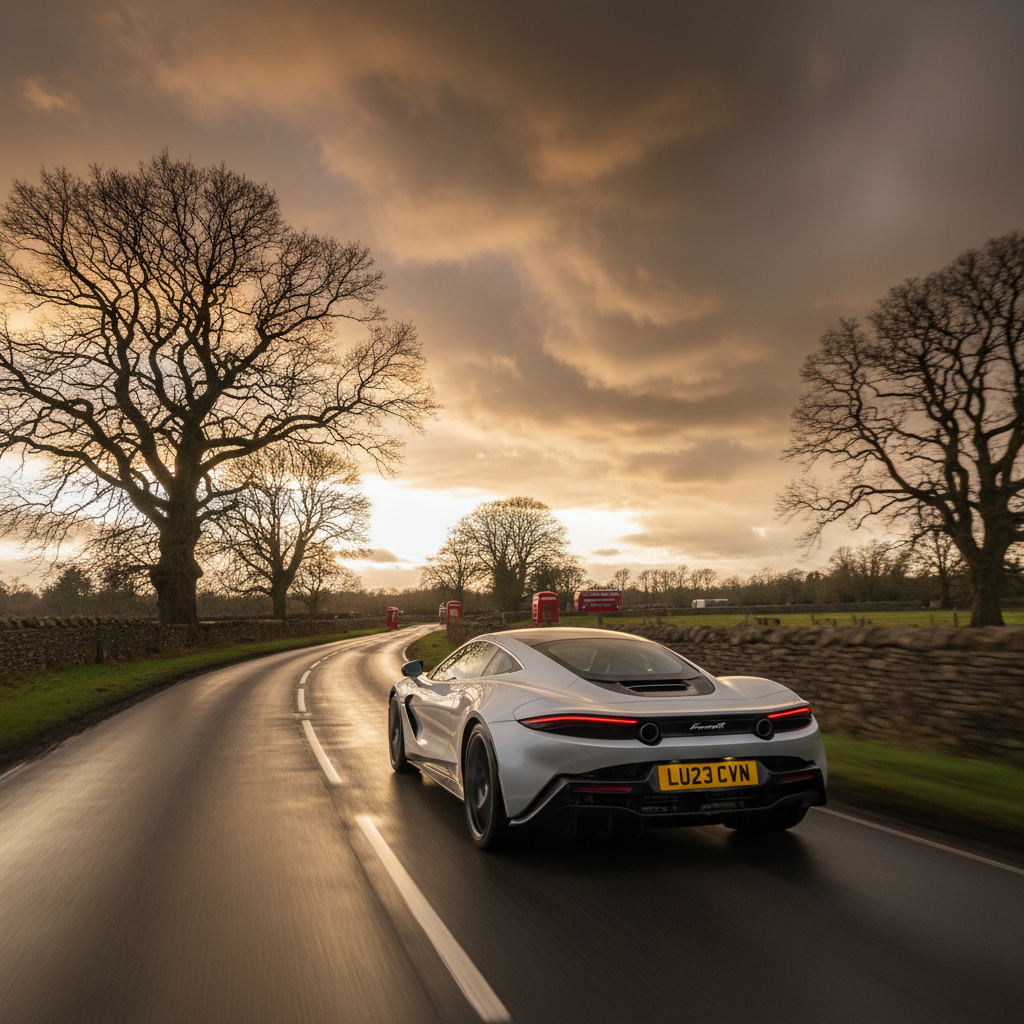
It's vital to remember that performance isn't just about the spec sheet. You can have all the bhp in the world, but if the car doesn't communicate with you through the steering wheel, if the suspension geometry isn't dialled in for razor-sharp responses, then it's just a fast car, not an engaging one. This is why a car like the McLaren 765LT, as lauded by Auto Express, stands out. Its hydraulically-assisted power steering is a rare gem in modern supercars, providing transparent and confidence-inspiring feel, allowing drivers to truly stay in tune with the car as the speed climbs.
And let's not forget the more accessible end of the spectrum. The vRS badge has a proud history of injecting serious zest into Skoda's lineup. Autocar's preview of the Skoda Elroq vRS raises a fascinating question: can performance upgrades make an already superb electric SUV even better? It's about finding that sweet spot where practicality meets dynamic prowess. A punchy motor, a sportier suspension tune, and a more responsive steering rack could transform it into something genuinely exciting for everyday driving, not just track days.
The Shifting Sands of Motorsport and Manufacturing
Away from the asphalt, there's interesting chatter from the world of F1. Zak Brown, according to Autosport, is rightly concerned about the potential for further 'B-teams' in the sport. The integrity of independent competition is paramount; it’s what fuels innovation and genuinely competitive racing. We want to see manufacturers pushing their own boundaries, not simply sharing resources and diluting the challenge. And Luca Marini's call for a single voice to represent MotoGP riders in Safety Commission meetings (Autosport) highlights the importance of clear communication and shared vision, whether it's on track safety or the direction of vehicle development.
Honda, for example, is doubling down on hybrids and cutting back on EVs, as reported by Autocar, in a bid to recover from their first-ever annual loss. This isn't about abandoning electric entirely, but about refining their strategy to ensure their future products deliver what customers truly want, and what they can deliver with their unique engineering expertise. It's a reminder that performance, ultimately, has to make commercial sense too.
The beauty of our industry is its constant evolution. Whether it's the raw pursuit of lap times at Anglesey Circuit, as tracked by Evo, or the emergence of truly surprising cars (Autocar), the spirit of innovation and the passion for driving remain at its core.
Key Takeaways:
- Driving Engagement is Paramount: Beyond raw power, the connection between driver and car defines true performance.
- Electrification is Redefining Agility: Light electric sports cars like the Caterham Project V hint at a thrilling, silent future.
- Motorsport Integrity Matters: Fair competition in F1 and clear communication in MotoGP are crucial for innovation.
- Performance for All: The vRS badge shows that dynamic upgrades can elevate even practical EVs.
- The Nürburgring Endures: Still the ultimate test for both traditional and emerging performance machines.
So, whether you're chasing the ultimate lap time, carving through a B-road, or simply enjoying the precise, responsive feedback of a well-engineered machine, the future of performance driving is vibrant and challenging. The battleground might be shifting from the purely mechanical to a blend of electric and internal combustion, but one thing remains constant: the thrill of the drive, that visceral connection, will always be the ultimate measure of a truly great car. And that, my friends, is something to be genuinely excited about.