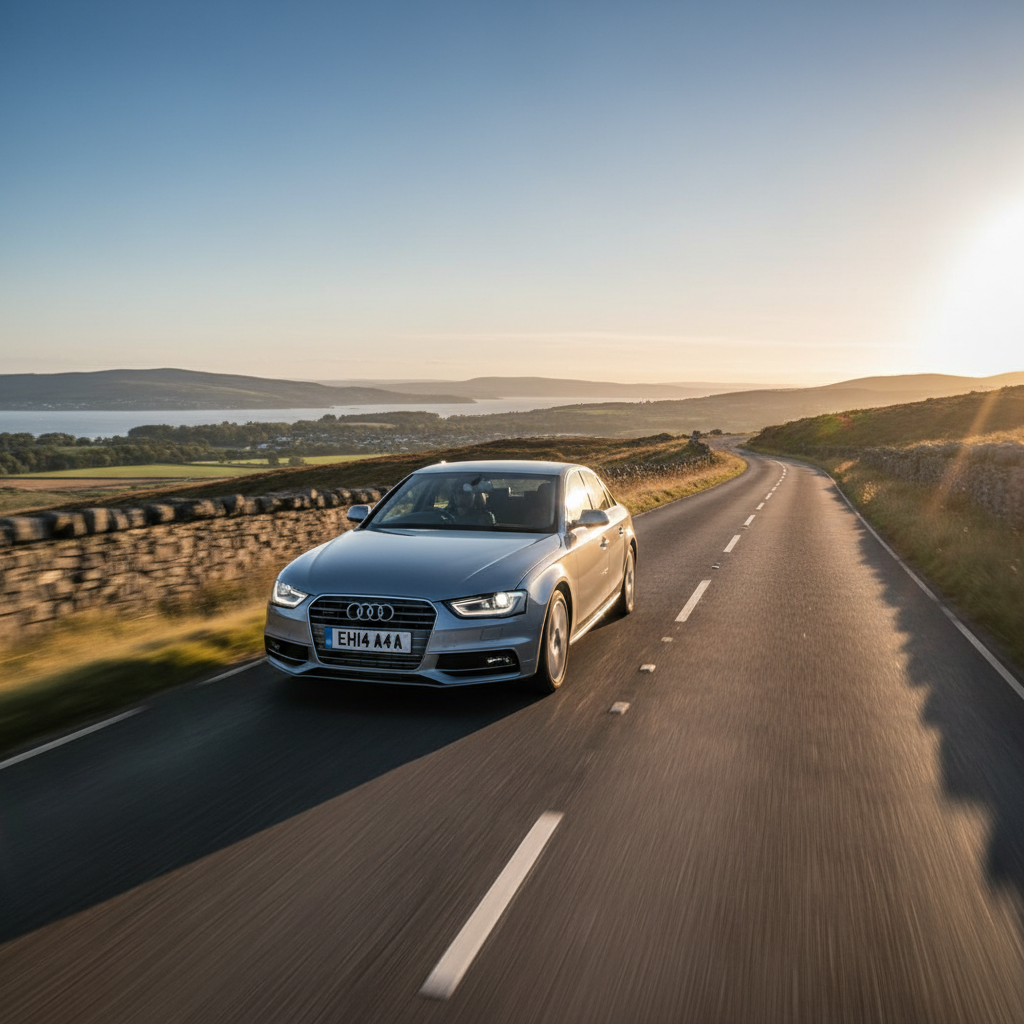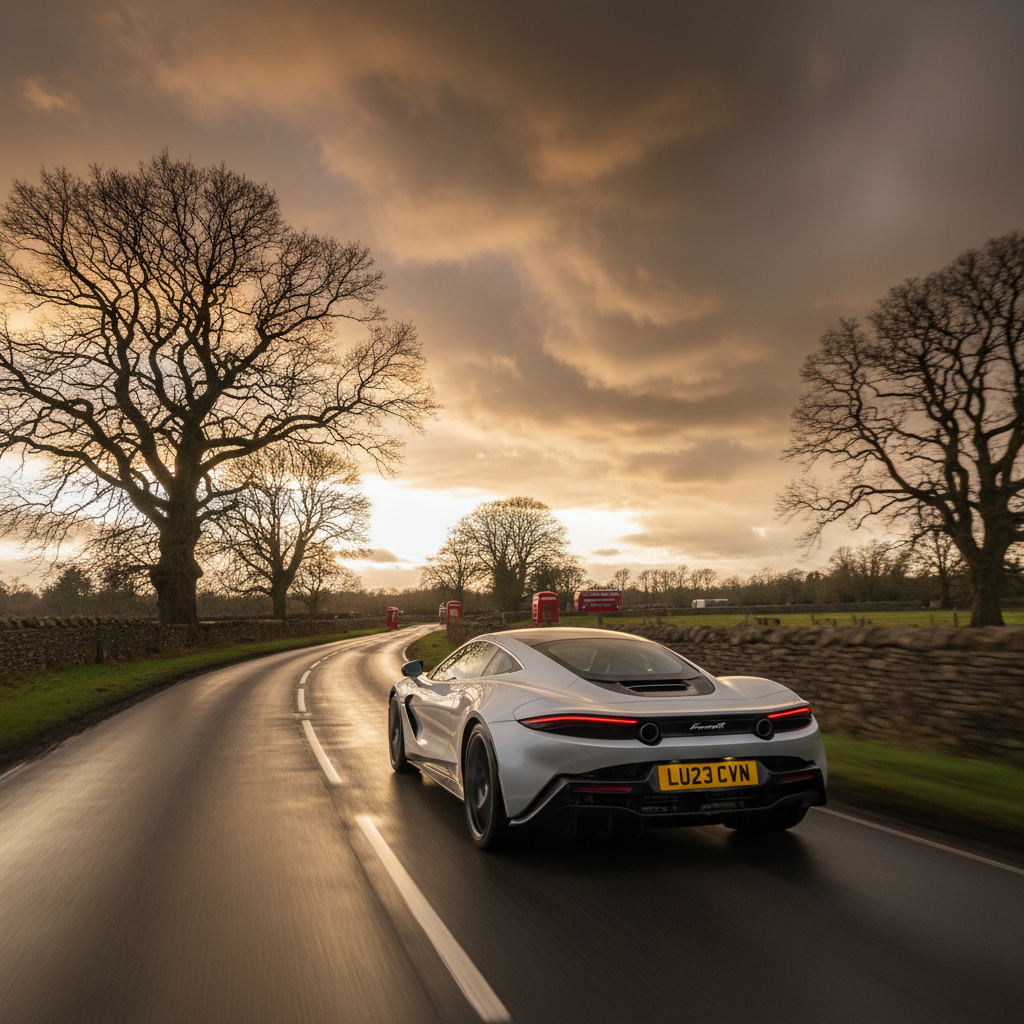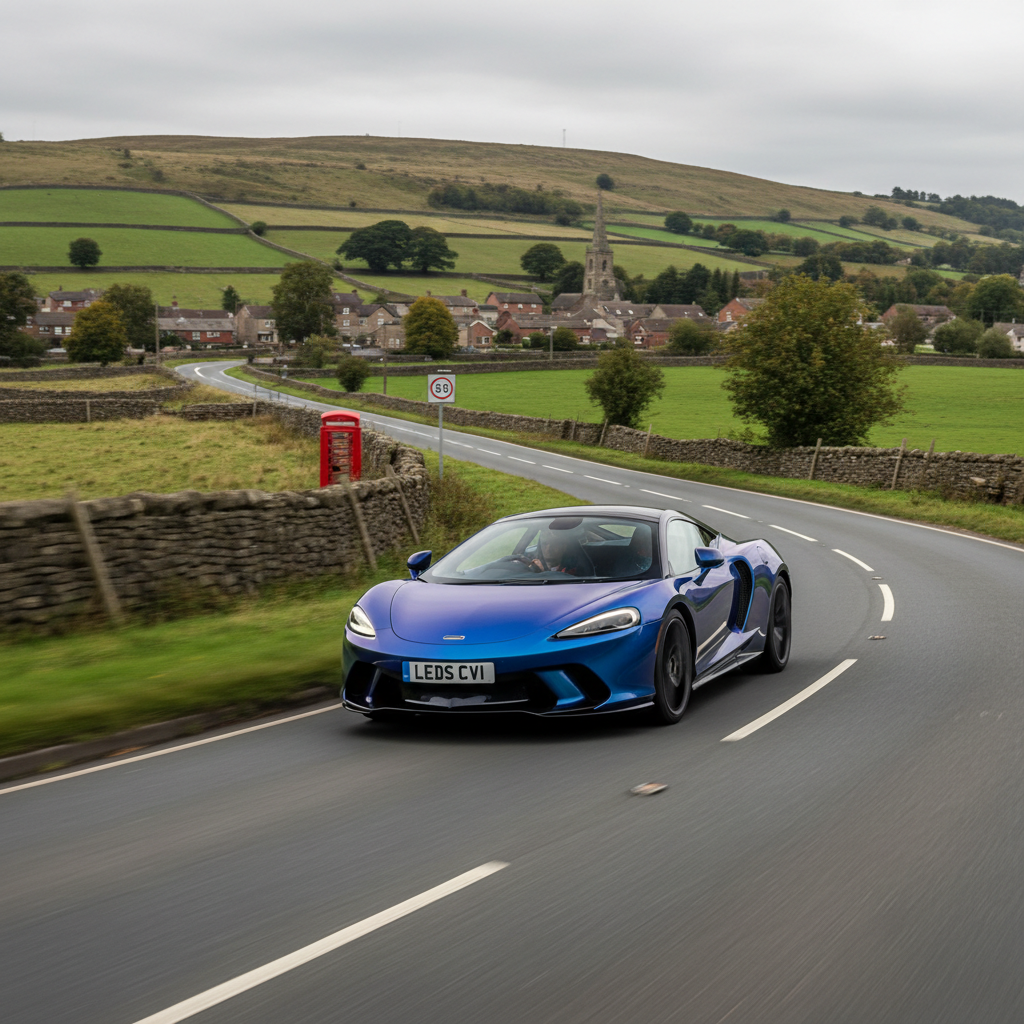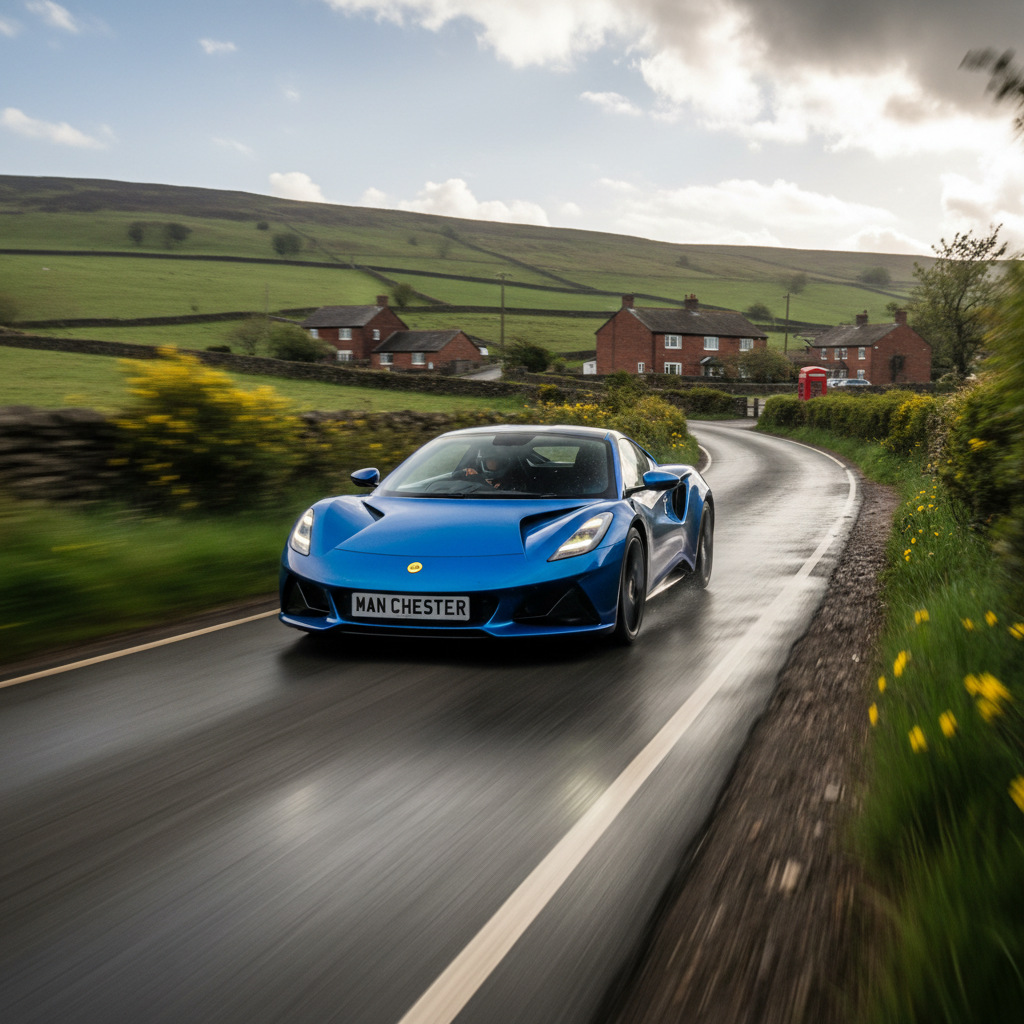


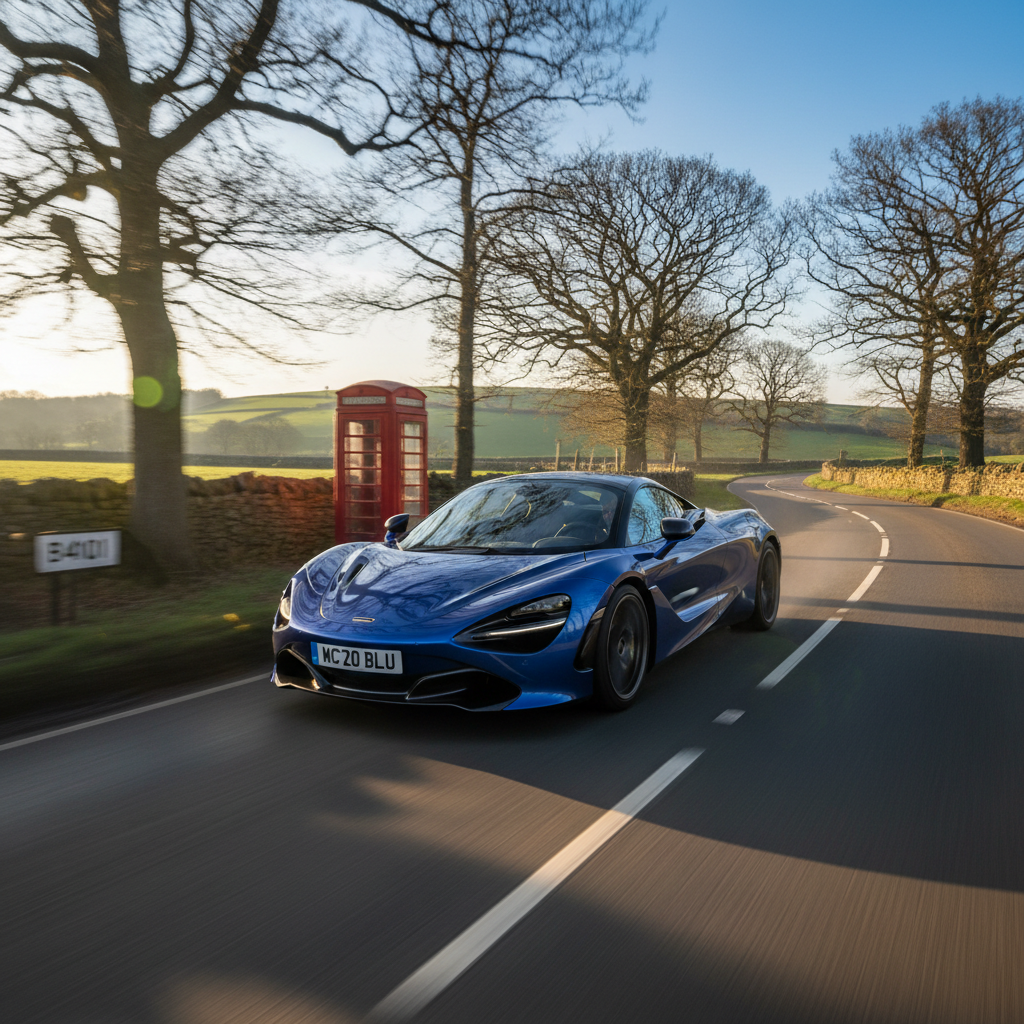
Close your eyes and picture the perfect hillclimb. The scent of unburnt high-octane fuel hanging in the damp morning air, the violent, mechanical bark of a racing engine bouncing off stone walls, and a chassis working right at the microscopic limit of adhesion. This is the Goodwood Festival of Speed. It is a glorious, unfiltered celebration of pure motoring physics that stands in stark, beautiful contrast to the increasingly sanitised reality of modern road driving. For my money, it remains the ultimate playground for those of us who live for that perfect apex.
The Shock of the New at the Hillclimb
According to reports from Autocar and Autosport, this year’s Festival of Speed is serving up an intoxicating mix of motorsport royalty and new road machinery. With the Formula 1 calendar mercifully clear of clashes, current grand prix stars are trading their ultra-regulated paddocks for the raw, hay-bale-lined challenges of the famous hillclimb. They are guiding everything from historic V10 monsters to the latest electric hypercars up the tight, tarmac ribbon.
What makes Goodwood so special for the performance purist is the sheer variety of engineering philosophies on display. You watch a bespoke, multi-million-pound prototype with razor-sharp turn-in and instant electric delivery, and then immediately witness a classic, naturally aspirated V10 screaming its way to a frantic redline. It’s a brilliant reminder of what we stand to lose as propulsion technologies evolve.
The Reality Check: From the Cathedral of Speed to 20mph Limits
But while we celebrate unrestrained horsepower on the lawns of West Sussex, the real world is threatening to dial down the volume. As detailed by Autocar, MPs in England are currently mulling over whether to follow Wales in implementing a default 20mph speed limit on urban roads. For the enthusiast driver, this represents a massive shift in how we must evaluate performance cars. Personally, I find the prospect of creeping around at jogging pace depressing, but we have to deal with the reality on the ground.
When the legal limit on your favourite local tarmac is squeezed, massive horsepower figures and triple-digit top speeds lose their relevance. Instead, we have to look for fun at realistic speeds. Driving dynamics are no longer just about pull-your-face-off lateral G-forces. They are about tactile steering feedback, pedal weighting, and how a chassis communicates at 15 to 30mph. It makes lightweight, small-footprint cars more vital than ever.
Finding Thrills in Unexpected Packages
This shifting landscape explains why manufacturers are trying to inject driving character into everyday segments. Take the Jeep Avenger, evaluated recently by Autocar. Once a pure EV play, it has expanded to include a modest petrol manual, an electrified petrol automatic, and a petrol hybrid. While a baby crossover with a punchy three-cylinder engine isn’t going to break any lap records, the lightweight petrol manual version offers a level of mechanical connection that is sorely missing from heavy, digitalised family SUVs. It is a bit of a faff to stir the gearbox yourself in traffic, but the reward is there.
If you want to know what true, unyielding speed feels like when the shackles are completely off, you only have to look at the peak of two-wheeled motorsport. At the German Grand Prix, Autosport reports that Marc Marquez topped Friday practice on his factory Ducati with a blistering lap time of 1m19.394s around the highly technical Sachsenring. Cornering on that knife-edge, where a sudden gust of wind can instantly compromise traction and send a rider sliding into the gravel, is the ultimate expression of vehicle dynamics. It is a stark reminder that true driving excitement comes from managing weight transfer, hunting for grip, and feeling completely connected to the machine.
The Performance Editor's Verdict
Whether it’s Fernando Alonso admitting to Autosport that he has "no idea" what he’ll do after retiring from the relentless, high-downforce world of F1, or WRC organisers pushing ahead with plans to bring the tarmac-shredding Rally di Roma Capitale to the World Rally Championship stage by 2027, the desire for raw, mechanical feedback remains universal. No surprises there, really.
As enthusiasts, we must champion cars that prioritise steering feel, body control, and driver involvement over sheer, unusable straight-line speed. The future of performance isn’t just about ballistic 0-60mph times. It’s about how connected we feel to the asphalt, whether we’re attacking a hillclimb or navigating the local high street.
Key Takeaways for the Performance Enthusiast
- Goodwood's Diversity: The Festival of Speed proves that driver engagement comes in many forms, from high-revving historic engines to instant-torque electric prototypes.
- The 20mph Challenge: Stricter speed limits mean we must value tactile feedback, steering response, and low-speed agility over raw, unusable top-end power.
- Chassis Dynamics Reign Supreme: True speed, whether on a MotoGP bike at the Sachsenring or a rally car on asphalt, is defined by managing weight transfer and finding the limit of adhesion.