


Any parent will tell you that the secret to a successful family road trip isn’t the destination; it’s the lack of drama along the way. We want to know that when the kids are buckled in, the boot is packed to the brim, and the inevitable requests for snacks begin, our car is going to get us there safely, reliably, and without costing us a fortune. For many families, making the jump to an electric vehicle (EV) has felt just a bit too risky—plagued by worries about high purchase prices, battery lifespans, and the dreaded public charging scrum. But this week, a wave of motoring news suggests the tide is finally turning, making practical green motoring a realistic option for household budgets.
A Welcome Boost for Motorway Service Stations
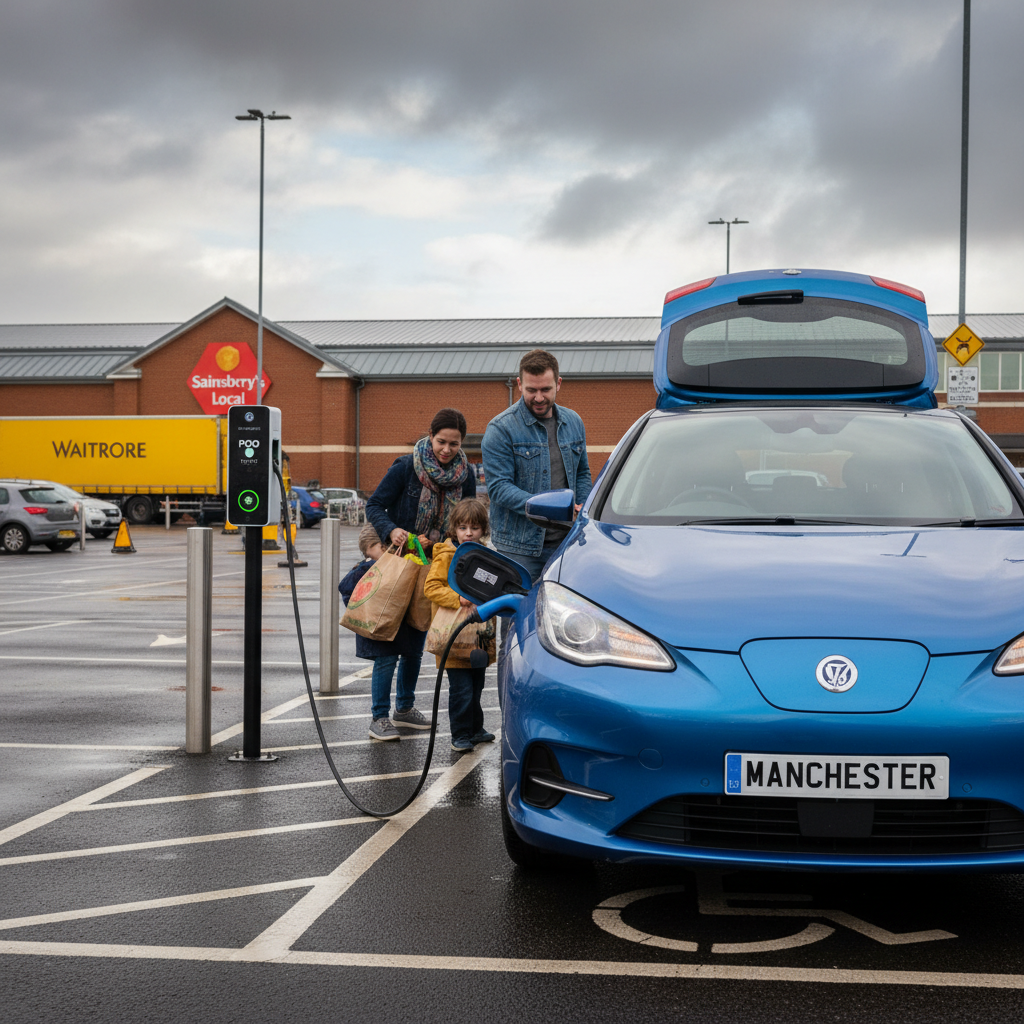
If you’ve ever experienced the sheer panic of pulling into a motorway service station with 10% battery, a sleeping toddler, and a queue of angry drivers waiting for the only working charger, you’ll love this next bit of news. According to a report by electrive.com, the UK government is consulting on a massive £190 million motorway grid upgrade scheme.
This isn't just about putting more plugs in the ground; it’s about upgrading the actual electrical grid capacity at our major service stations. For families, this is absolute gold. It means that in the very near future, we can expect more ultra-rapid chargers that actually work, meaning shorter stops, less waiting in the rain, and a much faster return to the open road. It is exactly the kind of peace-of-mind upgrade that makes long-distance family travel feel safe and manageable again, helping to banish 'Are We There Yet?' anxiety.
The End of the Charger Blockers?
Of course, having the chargers is one thing; being able to use them is another. We’ve all seen those cars left plugged in for hours after they’ve finished charging, treating a vital top-up point as a personal parking space. Brussels is tackling this head-on. As reported by electrive.com, the Belgian capital is introducing "rotation fees" from October 1st to fine EV drivers who overstay their welcome at public hubs.
While this is happening on the Continent, it’s a policy we should champion here in the UK. When you have a car full of tired children, every minute matters. Deterring "charger hogging" ensures a fairer, faster system for everyone, meaning you can get in, plug in, and get back to the school run or the supermarket trip without delay. This change, alongside other technological advancements, is truly helping to bring about the end of charging faff for family road trips.
Double the Life: More Miles for Your Money
For budget-conscious parents, the biggest worry when buying a used EV is often the health of the battery. We need to know our investment is in safe hands. Exciting new research led by the University of Cambridge, highlighted by electrive.com, has discovered that applying "constant physical pressure" to certain types of batteries could actually double their lifespan.
This is a massive breakthrough for the long-term reliability of family cars. If manufacturers can build this technology into the next generation of EVs, it means our cars will hold their value much better, offer more consistent range as they age, and ultimately reduce the lifetime running costs of the family vehicle. That is money back in the household budget where it belongs. These "forever" batteries are a major part of slashing family EV costs.
Affordable Electric Options on the Horizon
If you need a compact second car for the daily run to primary school or local activities, the price of brand-new EVs has historically been a major barrier. However, we are seeing real movement here. Fiat has officially opened UK order books for its ultra-cute, fully electric Topolino quadricycle, starting at just £8,995 on-the-road, as reported by electrive.com. While this tiny runaround isn’t meant for the motorway and won’t fit a double buggy (it’s a two-seater designed for low-speed urban hops), its accessible price point shows that manufacturers are finally thinking about affordable, zero-emission urban mobility. For families needing a simple, low-cost runaround for local errands, it’s an intriguing sign of things to come, making family EVs more practical than ever.
Furthermore, we are seeing huge appetite for affordable EV adoption. In Ireland, a new "ICE2EV" scrappage pilot scheme was fully subscribed within just one hour of launching, with 2,000 applicants eager to trade in older petrol and diesel cars for cleaner electric models, according to electrive.com. It proves that families genuinely want to make the switch—they just need the right financial incentives to make it practical.
Key Takeaways for Busy Parents
- More Reliable Road Trips: The UK’s proposed £190m grid upgrade will mean faster, more reliable charging at motorway services.
- Longer-Lasting Batteries: Cambridge University research into battery pressure could double EV battery life, protecting your car's resale value.
- Fairer Charging Access: European fines for blocking chargers could pave the way for better etiquette and less waiting at UK plug points.
- Budget-Friendly Shifts: Rapid uptake of scrappage schemes shows a clear demand for affordable pathways to family EV ownership.
The Verdict: A Safer, Easier Future for Family Journeys
Whether it’s upgrading our motorway infrastructure, punishing those who block vital family charging spots, or researching technology to make batteries last twice as long, the motoring world is finally focusing on real-world usability. For those of us with precious cargo in the back, these practical, common-sense improvements are exactly what we need to make the electric transition with absolute confidence. These changes contribute significantly to a smarter, cheaper, and stress-free experience for families.