

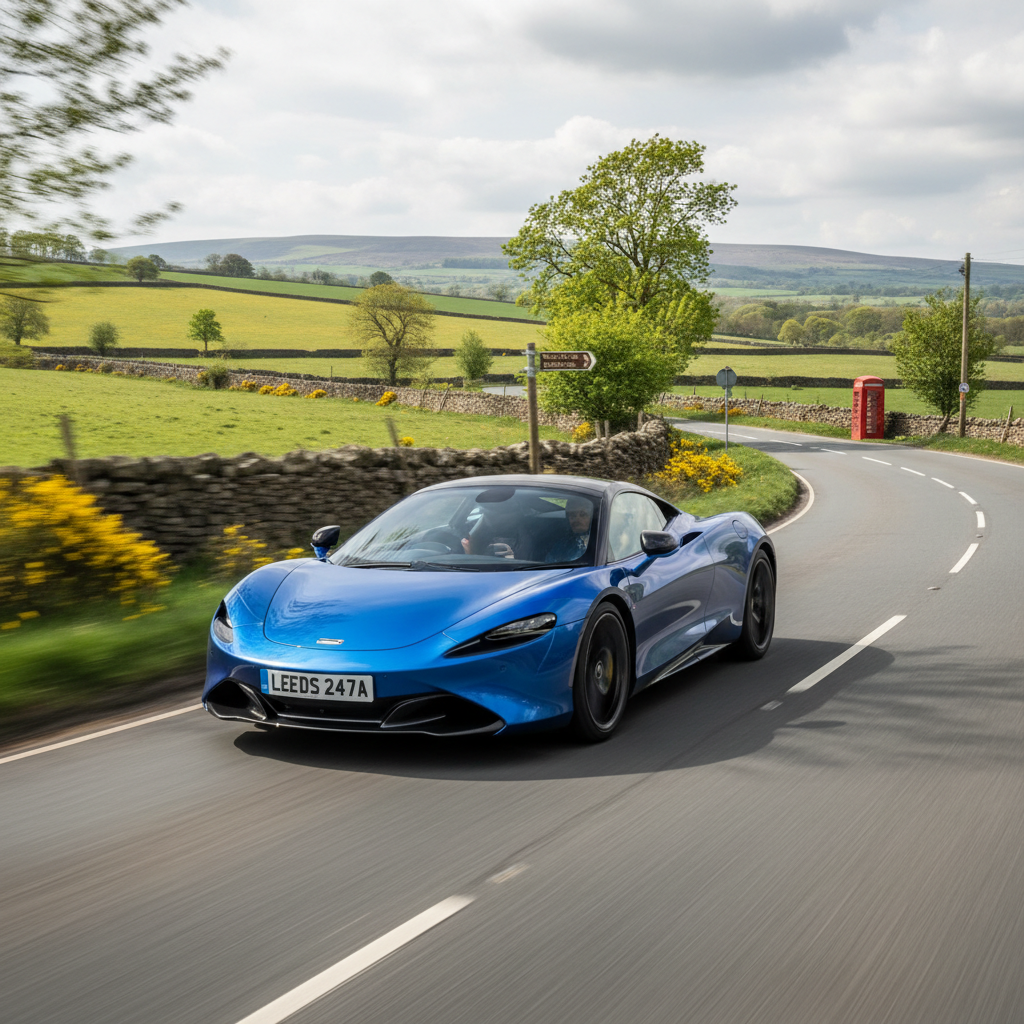
Right, listen up, because if there's one thing that gets my petrolhead pulse racing faster than a naturally aspirated V12 at full tilt, it's the prospect of a proper, no-holds-barred, rain-soaked race. Forget the sterile perfection of a dry track; when the clouds burst, that's when the true artistry of driving, and the genius of a chassis, truly come alive.
The murmurs from Miami this weekend about impending thunderstorms and a shifted race schedule (Source 1, Source 5) have me practically buzzing. While some might fret about the chaos, I see it as an incredible opportunity – a visceral proving ground for both man and machine. It’s in these treacherous conditions, when grip is fleeting and the margin for error shrinks to a hair's breadth, that we truly separate the contenders from the pretenders. It's not just about raw horsepower then; it's about the delicate dance of braking, the nuanced throttle inputs, and the razor-sharp feedback from the steering wheel that telegraphs every whisper of impending slide.
And speaking of razor-sharp feedback, let's talk about what makes a car truly engaging, whether it's navigating the streets of Miami or carving up a track day. Porsche, for instance, has been grappling with the impact of weight in their 963 racers (Source 8). It’s a perennial challenge in motorsport – shedding kilograms without sacrificing strength or balance. Every gram counts, influencing everything from braking distances to transitional stability. On the road, a lighter car often equates to a more responsive, more agile experience. Think about the pure, unadulterated joy of an early Mini Cooper S – a ‘modern classic in the making’ as Autocar puts it (Source 4). It wasn't about colossal power; it was about its lightweight, its direct steering, and that go-kart-like handling that made every corner an event.
Now, let's cast our gaze back to Miami. We saw Kimi Antonelli claiming a third successive pole, holding off Max Verstappen (Source 9). Verstappen, who surprisingly nabbed a front-row start after a challenging run in Japan, highlighted a 'hidden factor' in Red Bull’s recovery (Source 3). While he's coy on the specifics, I'd wager it's a testament to rapid setup adjustments and the inherent driving dynamics they've managed to dial into that car. Good engineers can find pace, but truly great drivers exploit every ounce of it, especially when the conditions demand adaptability. And let's not forget the unfortunate Isack Hadjar, disqualified for technical infringements related to his car's floorboards (Source 2, Source 6). It's a harsh reminder that in competitive motorsport, every millimetre, every rule, is scrutinised – a testament to the relentless pursuit of performance and the incredibly fine line between legal and illegal gains. This constant pushing of boundaries to gain an edge is truly the raw nerve of speed.
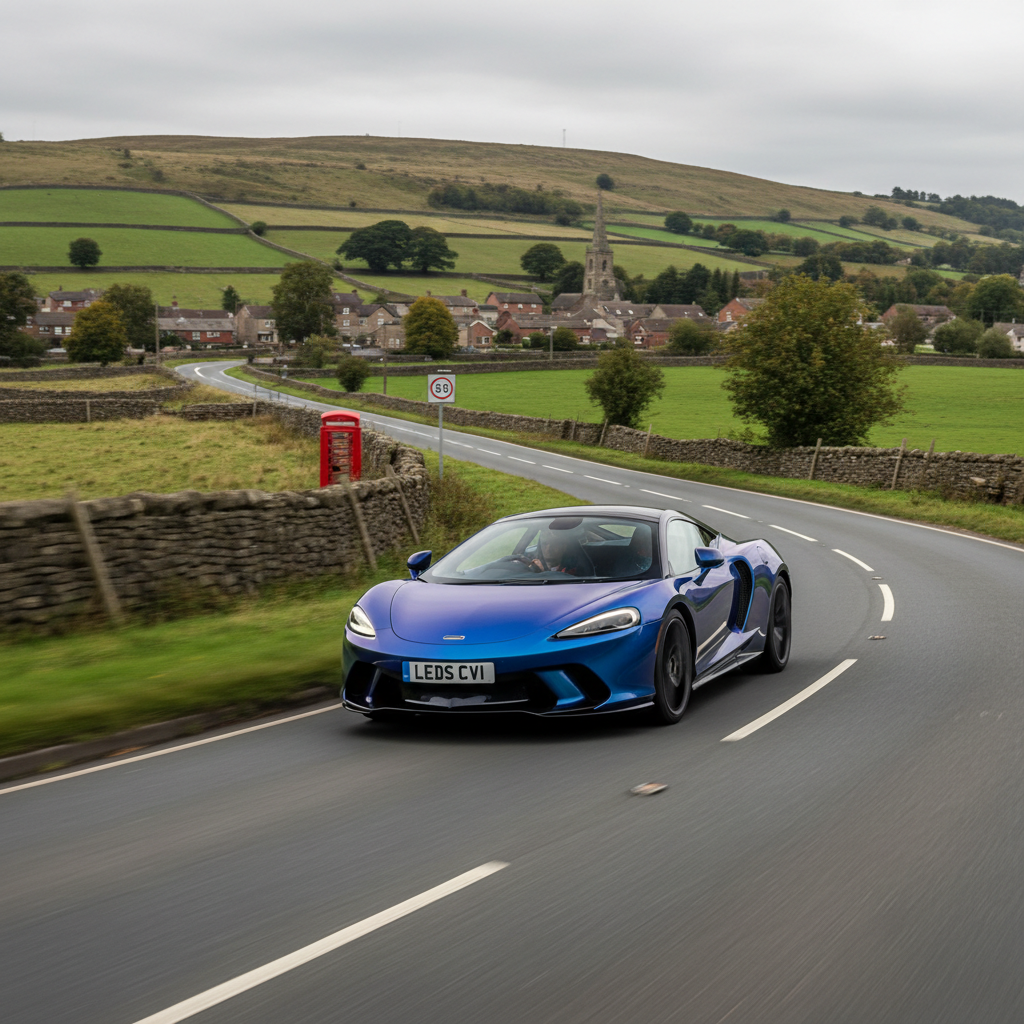
When it comes to road-going performance cars, the principles remain the same. The McLaren 765LT, for example, is lauded by Auto Express as a superb track car (Source 3). Why? Because it uses hydraulically-assisted power steering, offering transparent and confidence-inspiring feel. That’s the kind of direct communication with the road that enthusiasts crave, allowing you to stay 'in tune with the car' even as the limits are pushed. Compare that to some modern supercars with their electrically assisted systems that can often filter out too much of that crucial feedback.
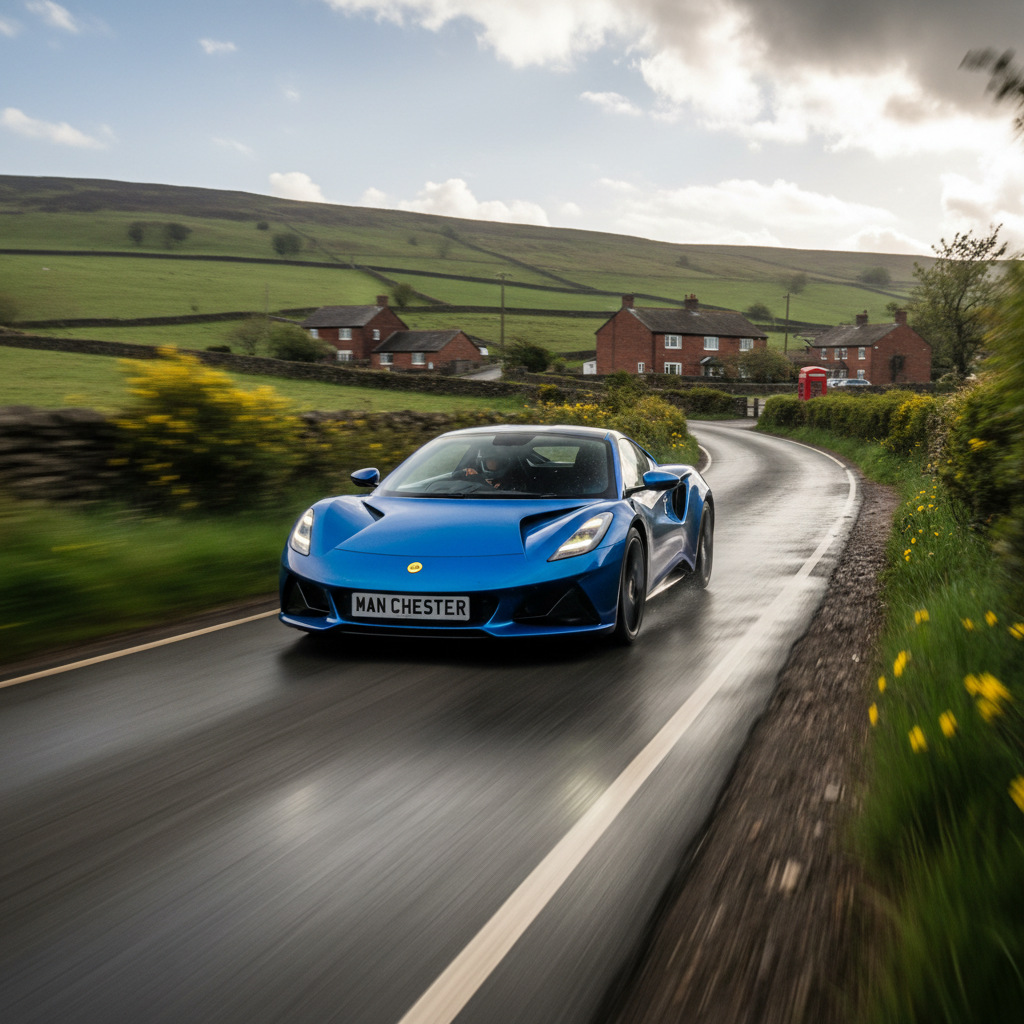
And let's not forget the sheer joy of a car that feels like an extension of your own body. Evo talks about track cars that, despite having 612bhp, make their biggest impression with their cornering performance and neutral handling, capable of lapping close to GT3 pace (Source 9). That's what we live for – a car that's not just ballistic in a straight line, but truly comes alive when you throw it into a bend, feeling planted and responsive. It perfectly illustrates how driving dynamics are the unsung hero of performance, transforming a powerful machine into an exhilarating experience.
So, as Miami braces for rain, I'm not seeing potential chaos; I'm seeing an epic stage set for incredible driving. It's a reminder that whether on a global F1 stage or your local track day, the thrill comes from mastering the dynamics, from feeling that connection, and from pushing the limits of what's possible, come rain or shine.
Key Takeaways for the Performance Enthusiast:
- Wet Weather is the Ultimate Test: Rain reveals a car's true chassis balance and a driver's skill in managing grip.
- Feedback is King: Direct, communicative steering and chassis dynamics are paramount for an engaging drive, whether F1 or a road car.
- Every Detail Matters: From weight reduction to aero, the relentless pursuit of marginal gains defines performance engineering.
- Adaptability Wins: Quick setup changes and driver adaptability are crucial for performance in varied conditions.
Ultimately, whether you're watching the world's best drivers wrestle F1 machinery around a sodden track or contemplating your next track day beast (Source 7, Source 8), the focus remains the same: the purity of the driving experience. It's about a car that doesn't just go fast, but truly feels fast, responsive, and utterly, gloriously engaging. Bring on the rain, Miami!