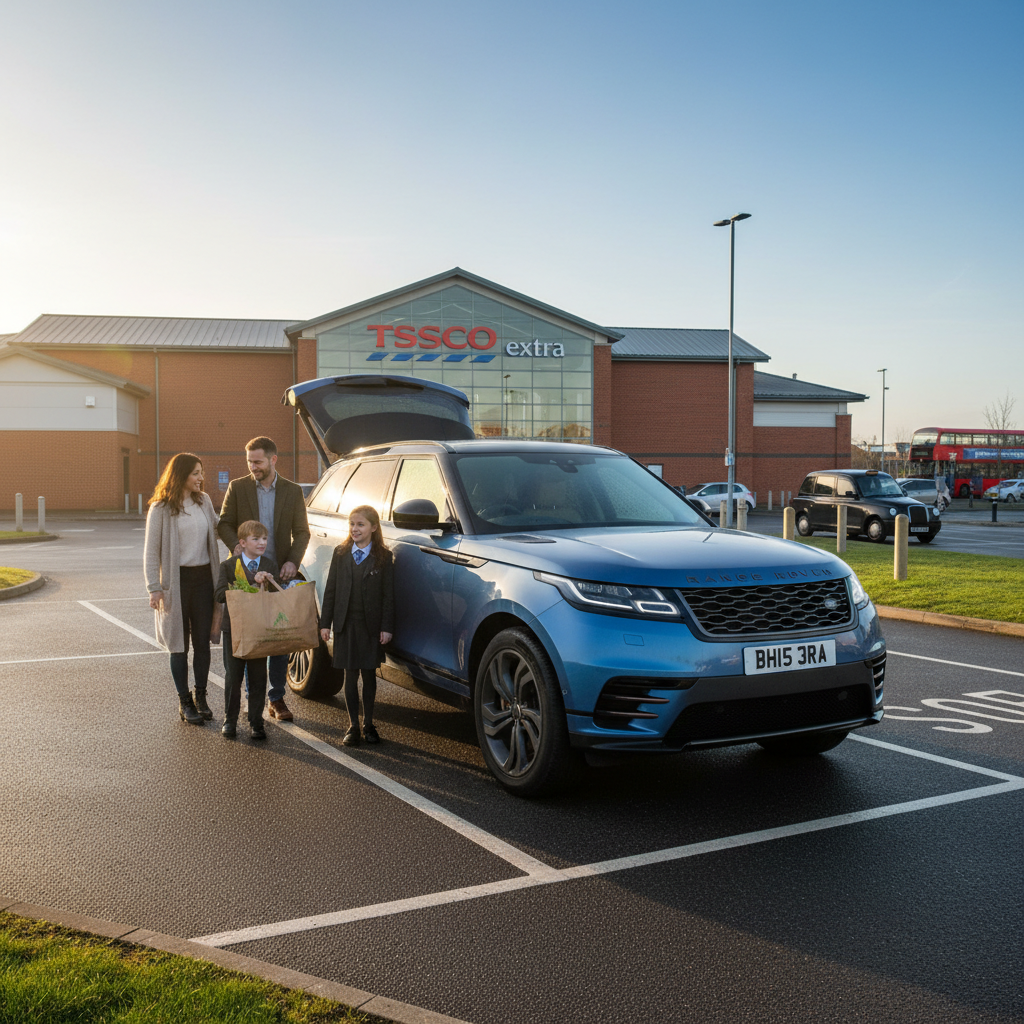


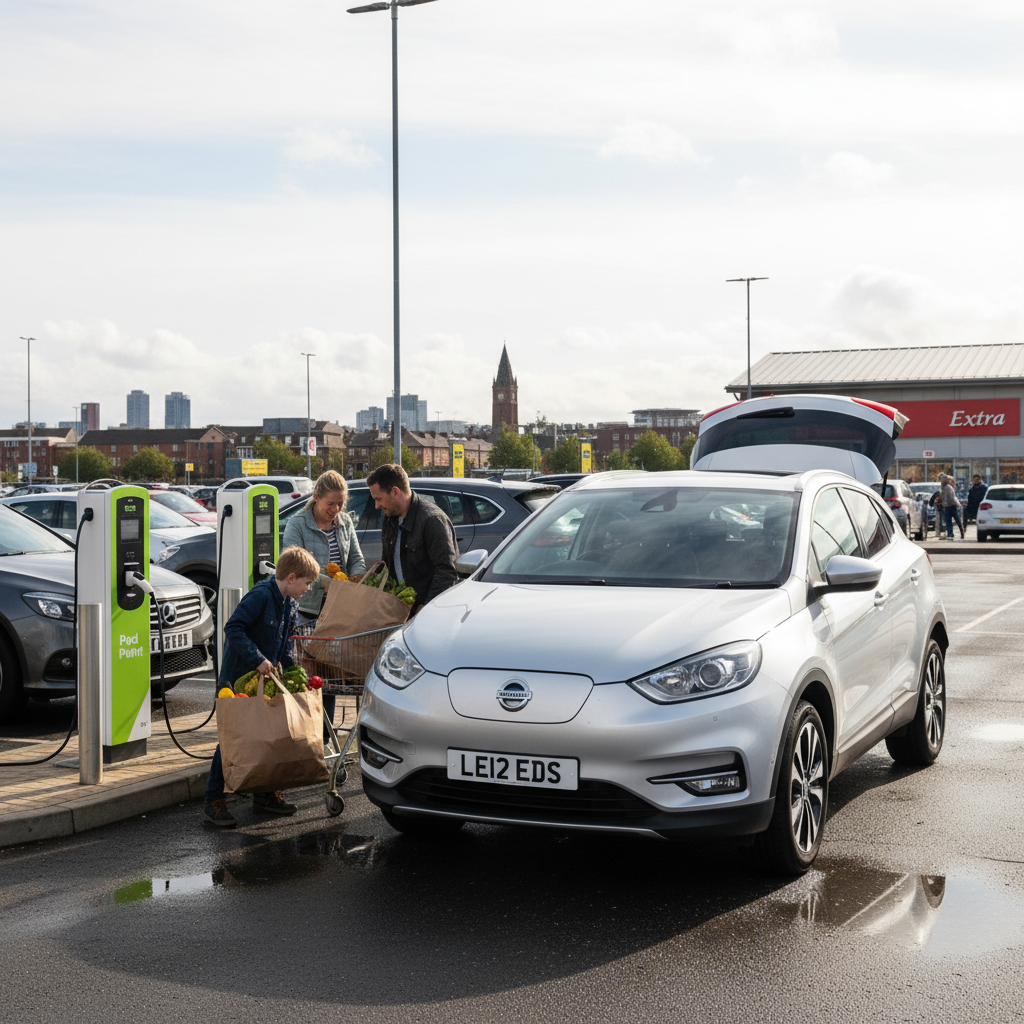
As a mum, I know the daily juggle all too well. From school runs to supermarket sweeps and weekend adventures, our family car is less a luxury and more a vital member of the team. And when it comes to choosing that team member, safety, practicality, and keeping a lid on those rising costs are always at the top of my list. We're not looking for the fastest lap times (unless it's getting us to the school gates on time!), but rather a reliable, safe pair of hands.
That's why the electric vehicle (EV) revolution, while exciting, has also felt a little daunting for many families. Range anxiety, charging times, and the sheer availability of charging points have been real concerns. But I'm here to tell you things are changing, and quite rapidly too, making EVs a much more viable and practical choice for us parents.
Charging Ahead: Removing the Roadblocks for Families
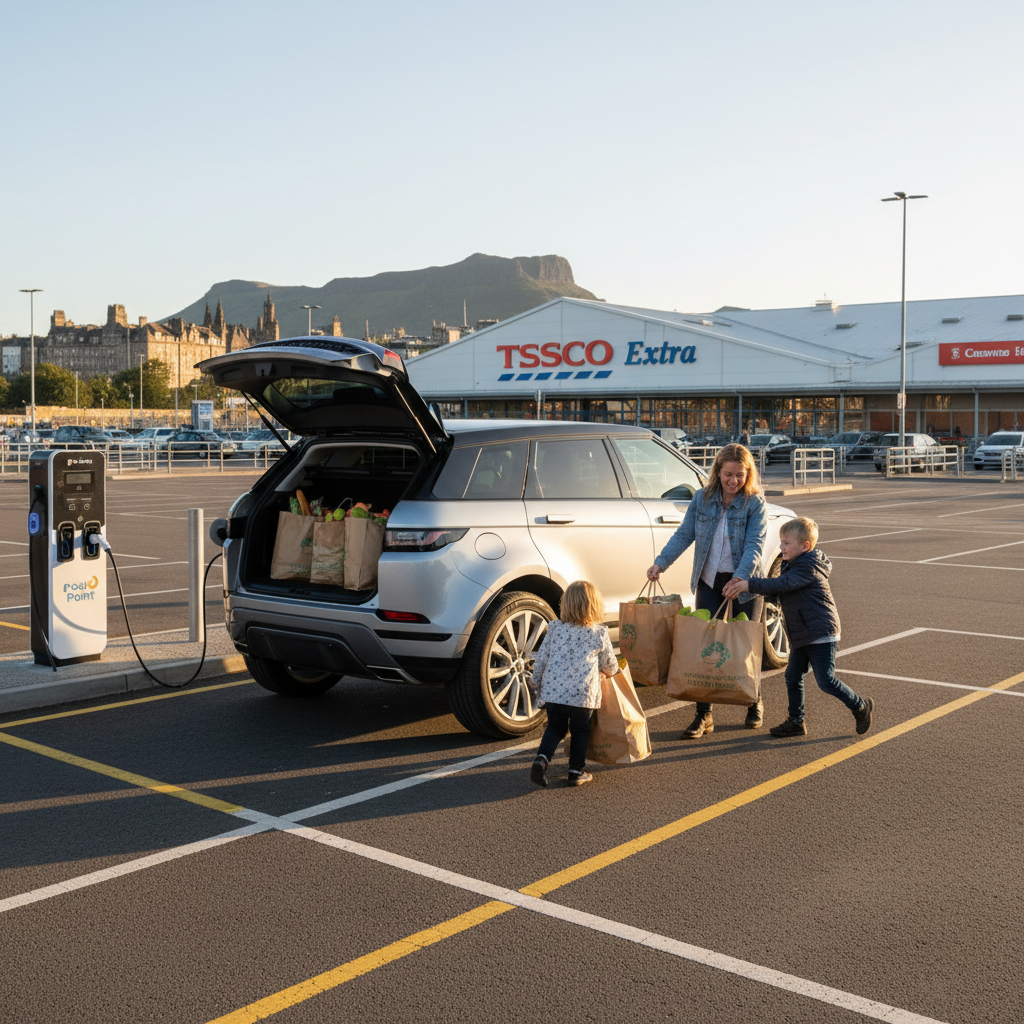
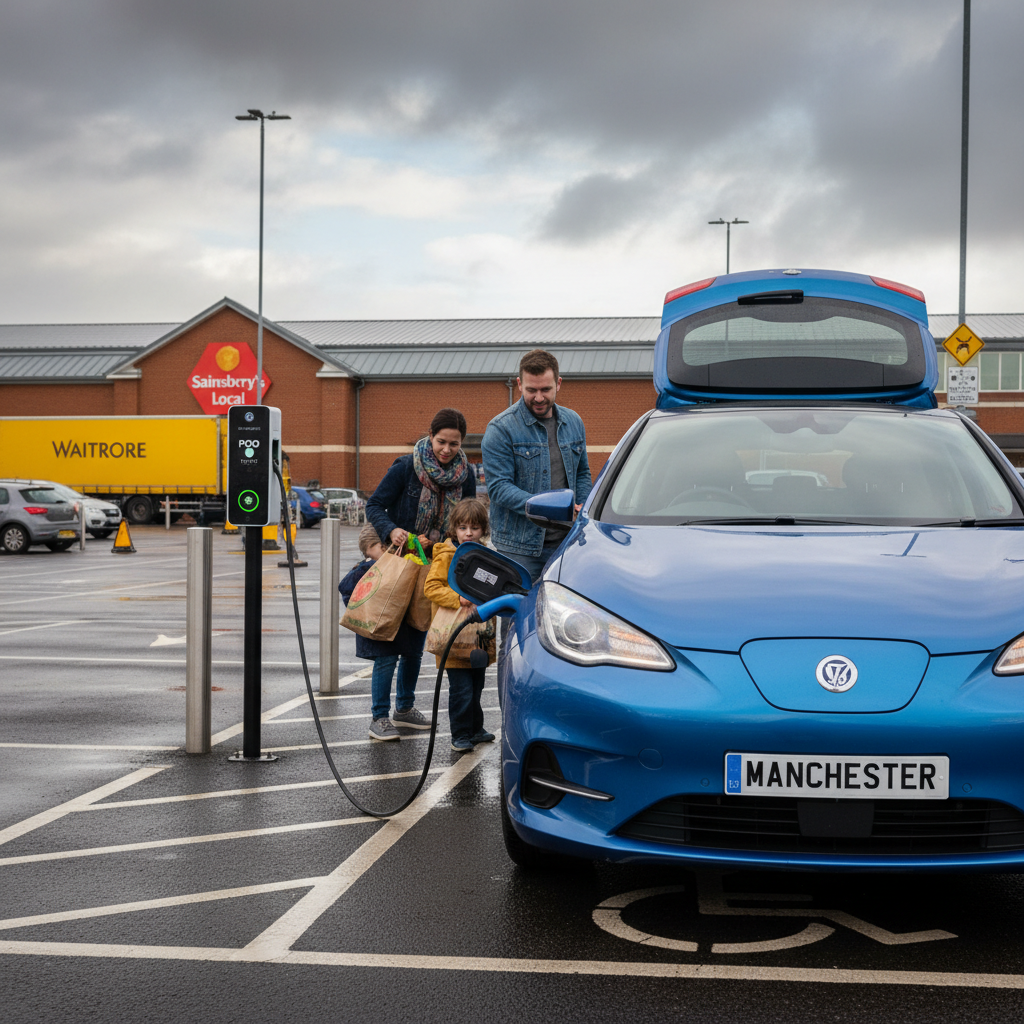
One of the biggest shifts I've noticed is the concerted effort to improve the charging experience. Imagine pulling up to a charging station, scanning a single app, and knowing you can use it, no matter the provider. That's precisely what companies like Ampeco are working on, teaming up with Plugsurfing to offer "managed roaming" across over a million charging points in Europe (electrive.com). For us, that means less faffing about with multiple apps and cards, and more peace of mind on longer journeys.
It's not just about more charging points; it's about smarter charging. Public transport providers like First Bus are trialling smart charging that coordinates charging times to support the grid (electrive.com). While this is for their fleets, it shows how intelligent energy management can benefit everyone, potentially leading to more stable energy prices and better use of renewable sources – a win for our wallets and the planet.
And let's not forget the home-charging revolution. Experts like Christos Tsegkis from Sungrow point to the attractiveness of combining solar panels, energy storage, and home charging (electrive.com). If you've got a driveway and are considering solar, this could mean significantly lower running costs for your EV, making that budget stretch even further.
Safety First, Always: What to Look For in a Family EV
Of course, all the charging infrastructure in the world won't matter if the car itself isn't up to scratch on safety. My mantra has always been: a five-star Euro NCAP rating is non-negotiable. And thankfully, the latest crop of EVs are delivering.
According to Parkers.co.uk and Auto Express, electric SUVs are dominating the safety charts. The Volvo EX90, for instance, boasts an impressive 93% child protection score (Parkers.co.uk). That's the kind of figure that lets you breathe a little easier when the kids are buckled in the back. Other strong contenders mentioned by Carwow and Auto Express include the BYD Seal 6, with excellent child occupant protection, and the Land Rover Discovery Sport, which despite being around for a few years, still holds a five-star rating under the latest, more stringent 2022 tests (Carwow, Auto Express).
When you're looking, remember to prioritise cars with easy-access rear seats, multiple ISOFIX points, child locks, and those handy rear seatbelt reminders – because let's face it, sometimes those buckles need a second check! (Nationwide Vehicle Contracts)
Beyond the Battery: Practicality for Parents
While reports like Polestar posting wider Q1 losses (electrive.com) might make some pause, it's important to remember that the market is dynamic. For us, what matters is the end product: a car that fits family life. Things like boot space for school bags, sports equipment, and the inevitable holiday luggage are crucial. Standard safety kit, such as emergency braking and blind-spot warnings, are also becoming commonplace, offering an extra layer of protection (Synergy Car Leasing Hub).
Even public service vehicles are going electric, with Frankfurt adding more eEconic waste management trucks (electrive.com) and Uganda aiming for fossil-fuel-free public transport by 2030 (electrive.com). This wider adoption drives down costs and improves infrastructure for everyone.
While the roar of a Porsche Taycan setting a new lap record might be thrilling for some (electrive.com), for me, it's the quiet hum of an EV making the daily school run smoother, safer, and cleaner that truly excites. The electric highway is becoming a much more family-friendly place.
Key Takeaways for UK Families Considering an EV:
- Charging Simplified: Look for cars and apps that offer wide-ranging network access and smart charging capabilities for hassle-free journeys.
- Safety is Paramount: Prioritise five-star Euro NCAP rated vehicles, paying close attention to child occupant protection scores and practical safety features like ISOFIX points.
- Home Charging Advantages: Combining solar panels and home storage with an EV charger can significantly reduce running costs.
- Practicality Over Performance: Focus on boot space, easy access, and standard safety tech that supports family life.
- Infrastructure Growth: The continuous expansion of charging networks, even globally, points to a more reliable EV future.
My Verdict: A Glimpse into a Greener, Safer Future
The electric car market is maturing, and the focus is shifting from pure novelty to genuine usability. With improvements in charging infrastructure, innovative roaming solutions, and an unwavering commitment to safety from manufacturers (even if some, like Porsche, are adjusting their battery manufacturing strategies as highlighted by electrive.com), the electric family car is no longer a distant dream. It's a very real, safe, and increasingly affordable option for us busy parents, helping us future-proof our family motoring without breaking the bank. The electric highway is becoming a much more family-friendly place, offering peace of mind and practicality for your kids' safety and your sanity.