


As a mum and family motoring editor, I'm always looking for ways to make life easier, safer, and perhaps a little bit cheaper for families on the road. We all know electric vehicles (EVs) are growing in popularity, offering lower running costs and a cleaner commute. But what if your family car could do more than just get you from A to B cleanly? What if it could actually put money back in your pocket?
This month, some exciting developments have caught my eye that could be a game-changer for household budgets, especially with energy prices being what they are. We're talking about the incredible potential of your electric car battery to become a flexible power source for your home, and even the national grid!
Your Family Car: A Battery on Wheels, & a Money-Maker?
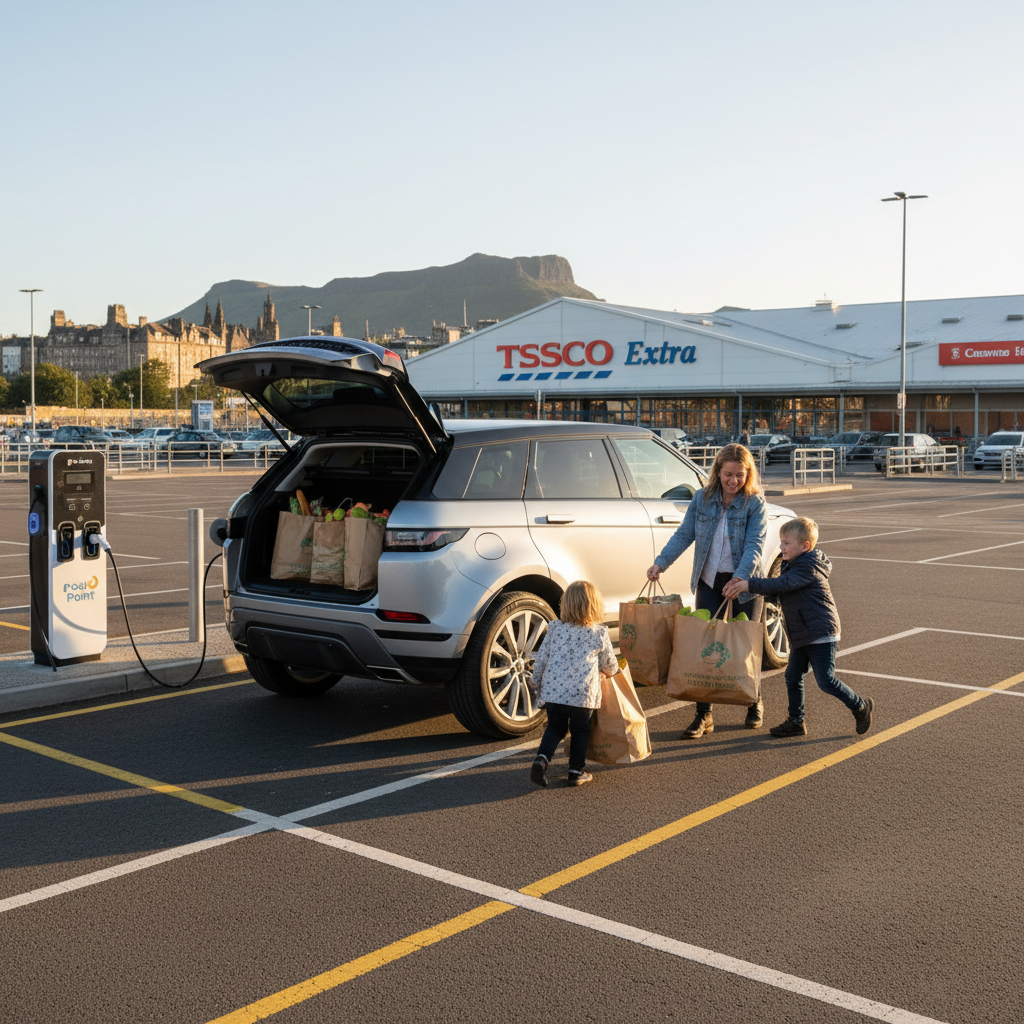
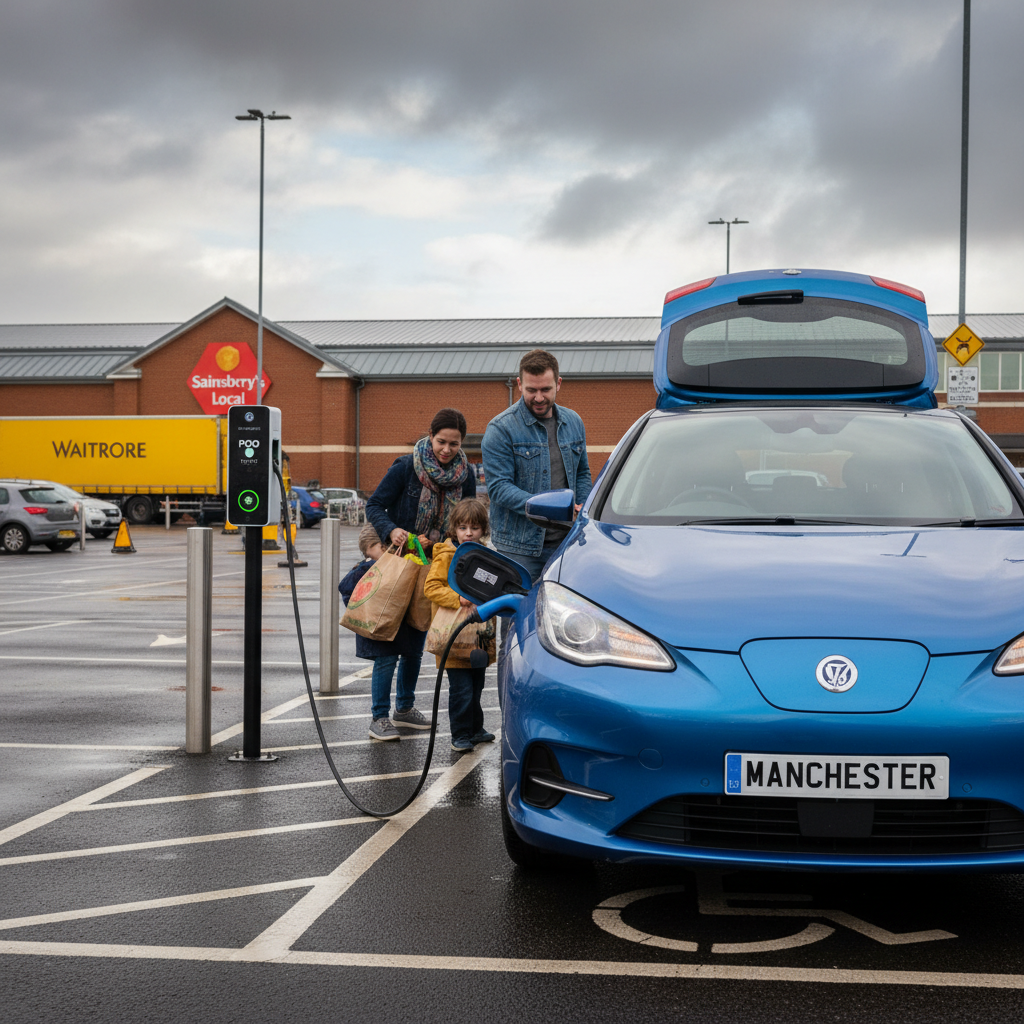
Imagine this: you plug in your EV after the school run, and instead of simply drawing power, it's also smart enough to give power back to your home when electricity is expensive, or even sell it back to the grid. This isn't science fiction anymore! German utility company Enercity has already successfully sold electricity from EV batteries back to the power market, as reported by electrive.com. And closer to home, the Hyundai Group and Vattenfall are kicking off a pilot project in the Netherlands to test exactly this – using EVs as mobile energy storage. Hyundai and Kia, familiar names to many UK families, are diving into this Vehicle-to-Grid (V2G) technology, showing the real-world practicality of this concept.
Now, I know what you're thinking: 'Is this safe? Will it wear out my battery?' These are valid concerns for any parent. The beauty of these V2G systems is that they are designed to manage battery health intelligently. And think of the benefits! It's not just about earning a few quid; it's about making our energy system more resilient and potentially lowering our overall energy bills. If you've got an EV, or are considering one, this could be a genuine financial perk, turning your car into an asset beyond just transport. This EV revolution is delivering for UK families and your wallet in myriad ways.
Safety First, Always: What's New in Family-Friendly EVs
Of course, no matter how much money a car could save, safety remains my absolute top priority. When I'm looking at cars for families, the Euro NCAP rating isn't just a number; it's peace of mind. And thankfully, manufacturers are continuing to prioritise this.
For instance, the new BMW iX3, with its configurator now open for the rear-wheel-drive version, is part of BMW's 'Neue Klasse' range. While we await its full Euro NCAP rating, BMW's history of robust safety features gives us confidence. Auto Express and Carwow consistently highlight that a five-star Euro NCAP rating with strong scores for child occupant protection and safety assist features is non-negotiable for family cars. The Volvo EX90, for example, is touted by Parkers as a leader in safety with impressive adult and child protection scores. For more in-depth analysis, you can always check out what the latest EV news holds for your safest and savviest drive.
It's also heartening to see advancements in public transport safety, with Zum and San Francisco launching the largest electric school bus fleet in the US, featuring V2G capabilities as noted by electrive.com. It's a clear signal that electric safety and smart energy are moving beyond just family cars.
The Practicalities: Space, Price & Reliability
Beyond the tech, a family car has to be practical. That means ample boot space for buggies and shopping, easy access for car seats, and enough room to keep squabbling siblings at bay! While Toyota has reportedly paused plans for an electric Lexus saloon (as reported by electrive.com), other brands are forging ahead with family-focused models.
Audi's sub-brand in China has launched the AUDI E7X, offering various models at competitive prices, demonstrating how the market is expanding to provide more choices. For those looking for value for money without compromising on safety or space, Nationwide Vehicle Contracts reminds us to prioritise cars with ISOFIX points and rear seatbelt reminders.
And let's not forget the smaller cars. Carwow points out that you don't need a giant SUV for safety; many compact cars now boast five-star Euro NCAP ratings, making them ideal for urban families or those with younger children. The Cupra Raval VZ, for example, is getting buzz for delivering more than just looks, suggesting practicality in a smaller package, according to electrive.com.
It's true that the market is always evolving, and some brands face challenges, with Xpeng deliveries falling recently, as reported by electrive.com. But this constant movement means more innovation and, ultimately, more options for families to find the perfect blend of safety, practicality, and now, even potential income generation. This constant evolution is why it's so important to be future-proofing your family ride with the latest EV innovations.
Key Takeaways for UK Families
- Smart Energy Savings: V2G technology could turn your EV into a household money-saver, selling power back to the grid when it's most valuable.
- Uncompromised Safety: Always prioritise a five-star Euro NCAP rating with high child occupant protection scores for true peace of mind.
- Practicality Pays: Look for cars with ample boot space, easy car seat access, and reliable features that fit your family's daily life.
- Value for Money: The market is expanding with diverse options, so you can find a safe, practical EV without breaking the bank.
So, as you consider your next family car, think beyond the initial purchase price and even the running costs. With advancements in V2G technology, your electric vehicle could soon be a valuable energy asset, actively contributing to your household budget. Combine that with top-tier safety, practical design, and reliable performance, and you've got a recipe for smart, future-proof family motoring.