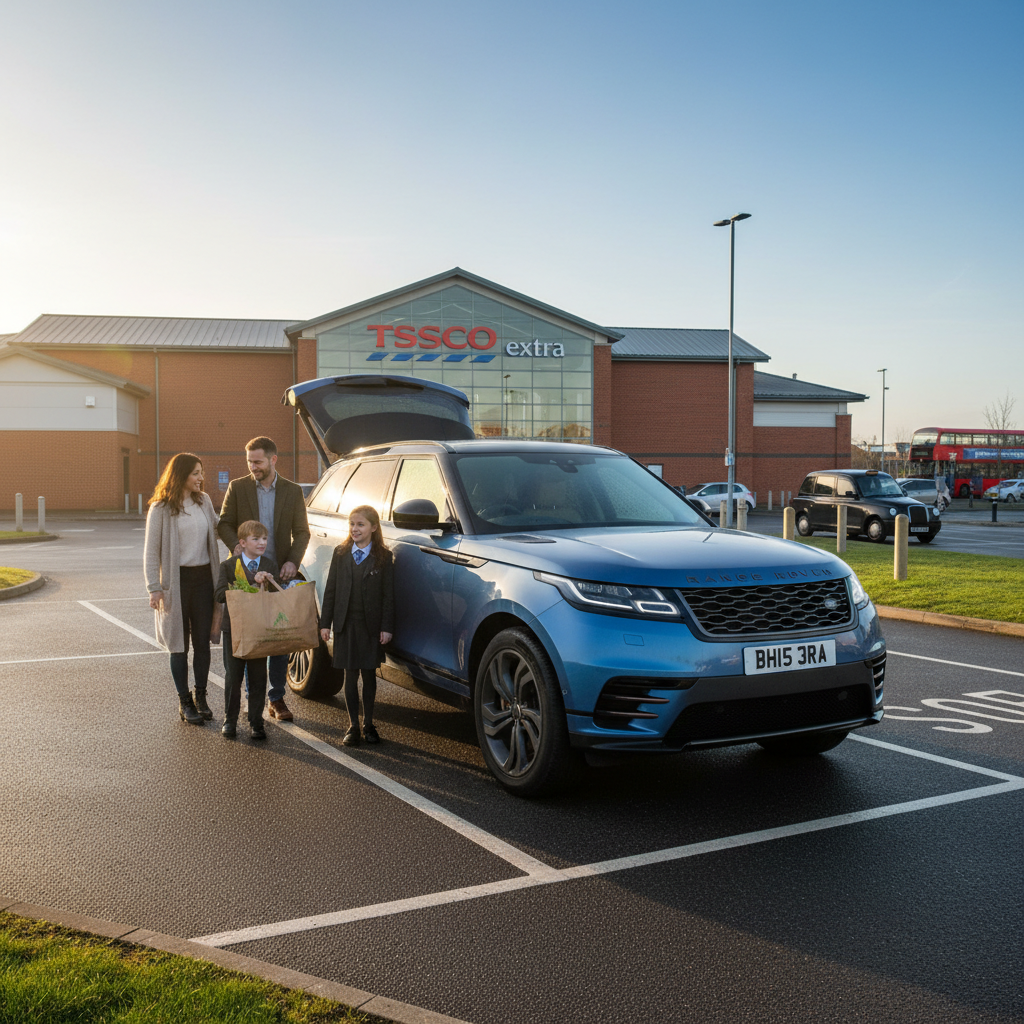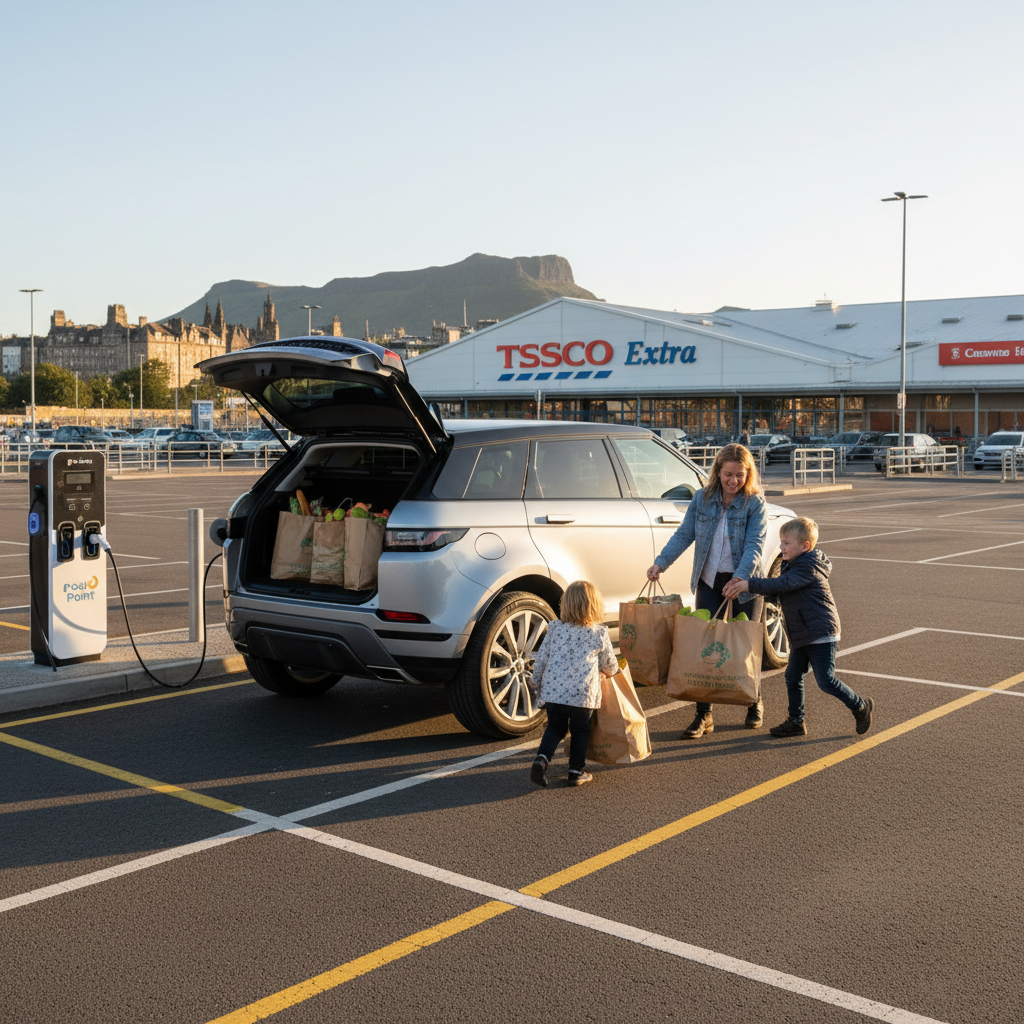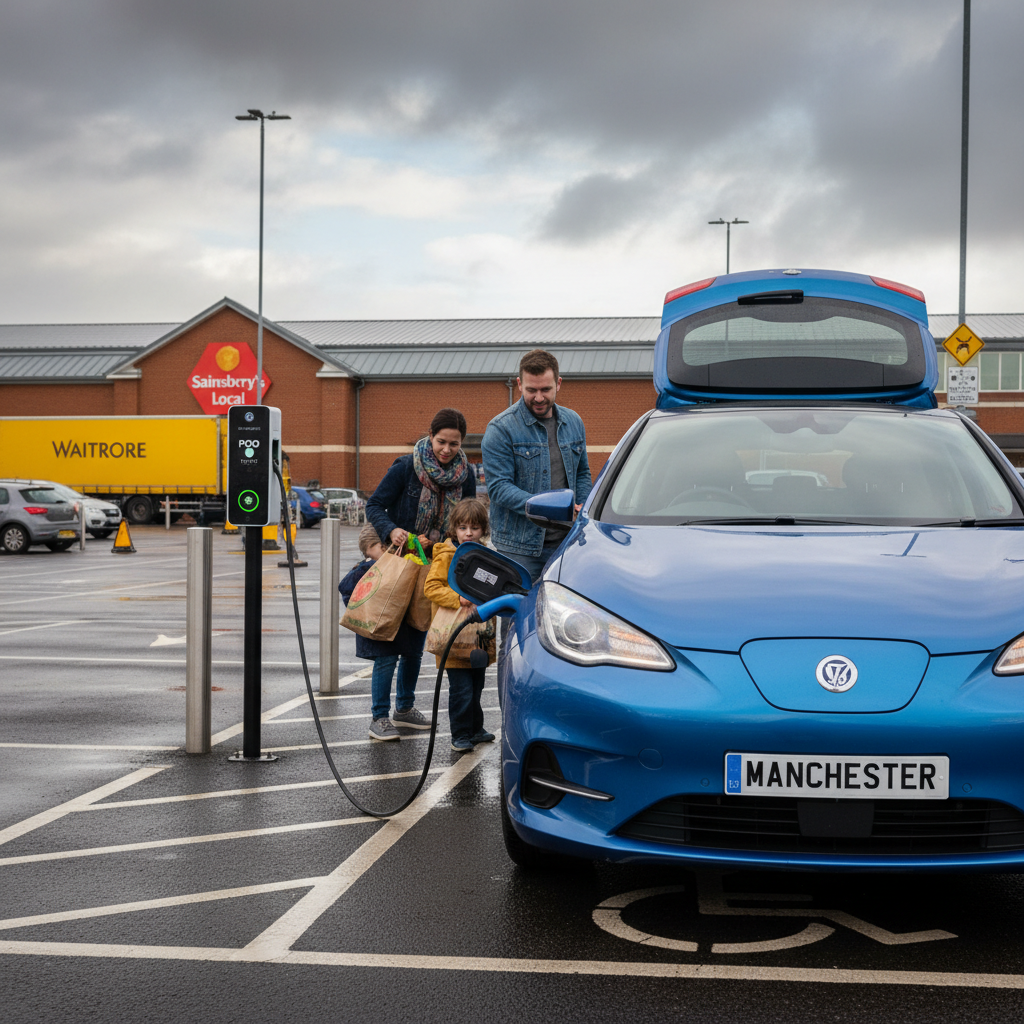


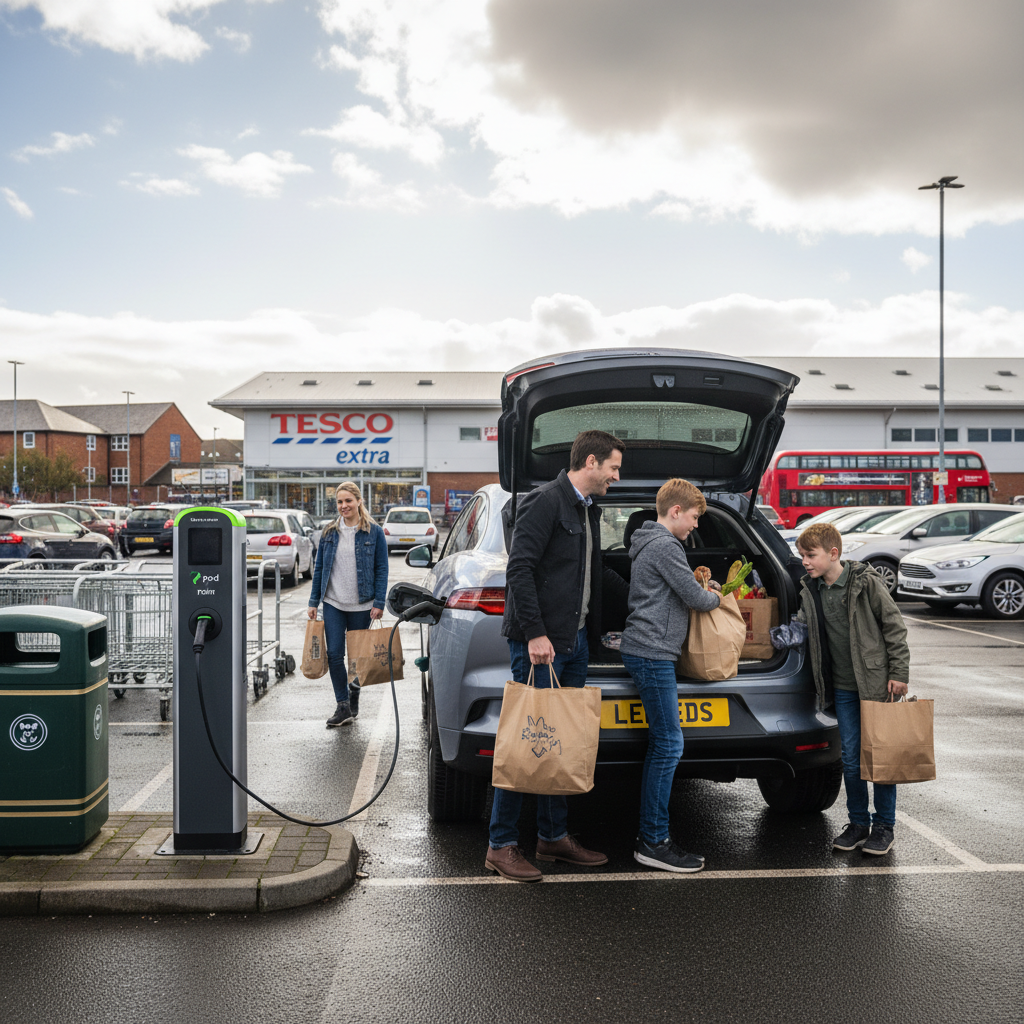
As a mum, I know the daily juggle all too well. School runs, grocery trips, weekend adventures – our cars are often the unsung heroes of family life. And when it comes to choosing that hero, safety, practicality, and cost are always top of my list. Electric Vehicles (EVs) have been on the radar for a while now, promising greener motoring and lower running costs. But for many families, the big questions have always been: where do I charge it, and how much hassle will it be?
Well, I've got some genuinely exciting news on that front! The latest developments in charging infrastructure are making the electric leap more feasible and less daunting for families like ours. We're seeing real progress that directly addresses those practical concerns, making EVs a far more reliable and convenient option.
Charging Up, Stressing Less: The Infrastructure Revolution
One of the biggest hurdles for families considering an EV has been access to convenient charging, especially if you don't have a driveway. Imagine trying to get the little ones into bed after a long day, only to realise you need to hunt for a public charger! That's why the news from ChargePoint and OBE Power is so encouraging. They're planning to deploy 2,500 chargers in multi-family housing. This is a game-changer for parents living in flats or terraced homes without dedicated parking. Having a reliable charging point where you live offers immense peace of mind, knowing your car will be ready for the morning rush without an extra detour.
It's not just about more chargers; it's about smarter charging. Companies like Zunder are putting their expertise to good use, launching their 'Kawat' software for third parties to manage charging networks. This means more efficient, reliable public charging. And for those bigger, longer journeys, Kempower is supplying fast chargers globally for terminals, which might not seem directly relevant to your daily drive, but it's part of the wider push to make charging infrastructure robust and widespread, reducing range anxiety for those longer holiday trips.
Even better, the European Investment Bank (EIB) is investing a billion euros into Hamburg's electricity grid and electric buses. While this is happening on the continent, it signifies a massive commitment to supporting the growth of electric transport, laying the groundwork for more reliable and readily available power for our cars across Europe. It’s all part of the big picture, making electric motoring a viable option for families who travel abroad or live in cities with similar infrastructure commitments.
The Cars Themselves: Safe, Practical, and Getting Smarter
Of course, a fantastic charging network is only half the story; we need practical, safe cars to plug into it. Peugeot has just opened UK order books for its revised E-408, with prices starting from £34,195. This is a crucial step towards making electric family cars more attainable without breaking the bank. From a family motoring editor's perspective, I'll be keen to see its Euro NCAP safety ratings and boot space for all the paraphernalia that comes with kids!
Speaking of safety, it remains my absolute top priority. When choosing a family car, a five-star Euro NCAP rating and a high passenger occupant score are non-negotiable. As Nationwide Vehicle Contracts points out, for younger children, ISOFIX points, easy-access rear seats, and child locks are essential. Auto Express reminds us that a truly safe car protects not just adults, but crucially, children and even pedestrians.
While Audi is testing its new A2 E-Tron, confirming an entry-level electric model is on the horizon, it's the solid performers that give us peace of mind. According to Parkers, the Volvo EX90 is predictably emerging as one of the safest new cars, boasting impressive adult and child protection scores. And for those needing space, the Skoda Superb offers premium touches and a hugely practical, spacious cabin perfect for family duties, alongside strong safety credentials, as highlighted by Auto Express.
An innovative idea that caught my eye is the potential of solar modules on vehicle roofs, as highlighted in the SolarMoves pilot project. Imagine your car topping up its battery just sitting in the school car park! While perhaps not for every vehicle, it shows the ingenuity in extending range and reducing reliance on traditional charging points.
The Bottom Line for Busy Parents
The pace of change in the EV world is incredible, and what's most encouraging is that these changes are increasingly focused on making electric cars genuinely practical for families. From more accessible charging options to ever-safer and more affordable models, the future of family motoring looks increasingly electric. It's about less worry, more convenience, and keeping our precious cargo safe on every journey.
KEY TAKEAWAYS FOR YOUR FAMILY:
- Charging at Home is Growing: New partnerships like ChargePoint and OBE Power are bringing more charging points to flats and multi-family housing, simplifying daily charging.
- Smarter Public Charging: Software innovations from companies like Zunder mean public charging networks are becoming more reliable and easier to use.
- Affordable EVs are Arriving: Models like the revised Peugeot E-408 are offering more budget-friendly electric options for families.
- Safety Remains Paramount: Always prioritise a five-star Euro NCAP rating with strong child occupant protection and essential features like ISOFIX points.
- Infrastructure Investment: Significant investments in electricity grids, like the EIB's loan to Hamburg, are building a stronger foundation for electric motoring across Europe.
The landscape for electric vehicles is evolving rapidly, and it's fantastic to see so much focus on practical solutions that genuinely benefit families. The days of 'range anxiety' and 'where will I charge it?' are slowly but surely becoming a thing of the past. For UK parents, this means a future where an electric car isn't just an aspiration, but a sensible, safe, and increasingly affordable reality for the everyday family juggle.