

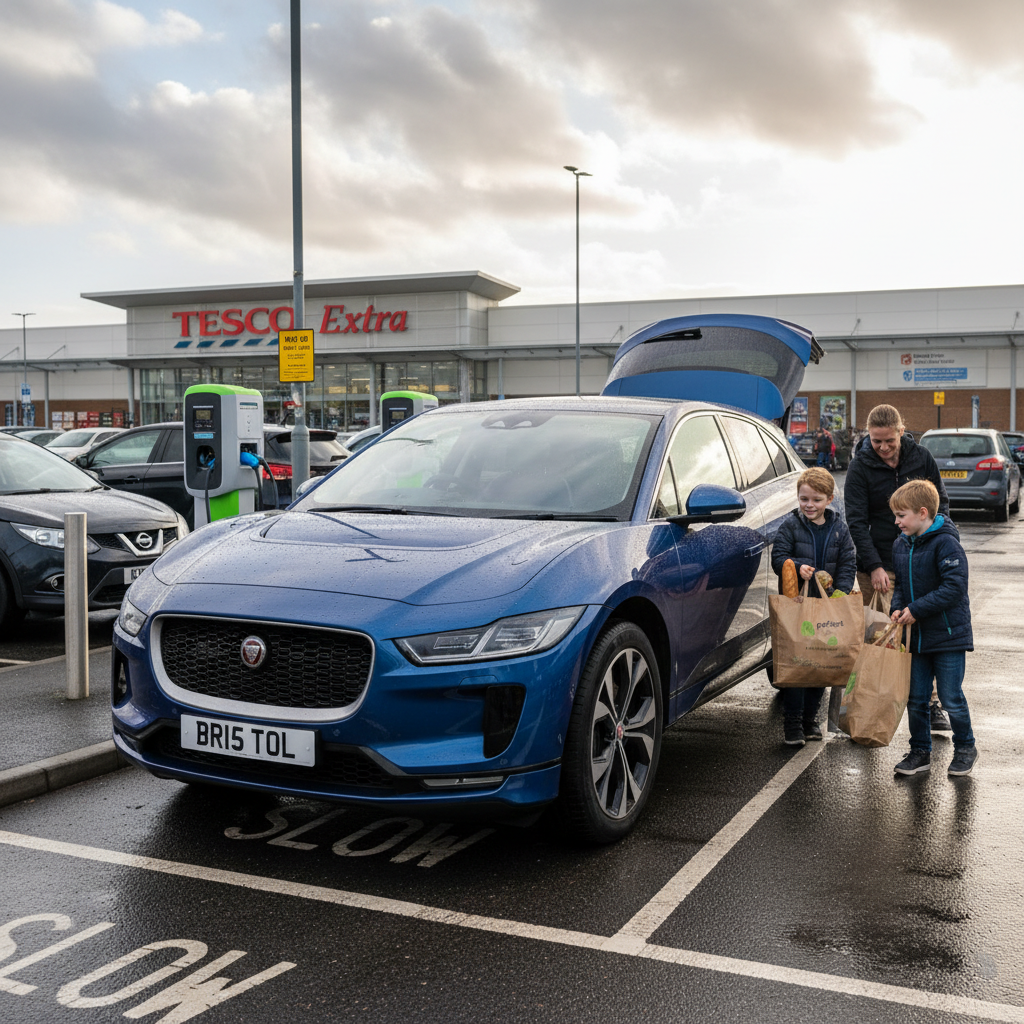
As a mum and a motoring editor, my inbox is always buzzing with questions from parents navigating the ever-evolving world of family cars. And a recurring theme? The electric revolution. Is it truly ready for family life? Will it break the bank? And, most importantly, will it keep our precious cargo safe? Well, recent developments suggest that the future of family electric motoring is not just bright, but increasingly practical and reassuring.
Charging Ahead: More Power, More Options, More Reassurance
For many families, range anxiety and charging infrastructure are major hurdles when considering an electric vehicle (EV). But the landscape is changing. Mercedes-Benz, for instance, is expanding its electric GLC line-up, offering more variants beyond the initial 360 kW all-wheel-drive model with its substantial 94 kWh battery, as reported by electrive.com. More options mean more choices to fit varied family budgets and needs, from daily school runs to weekend escapes.
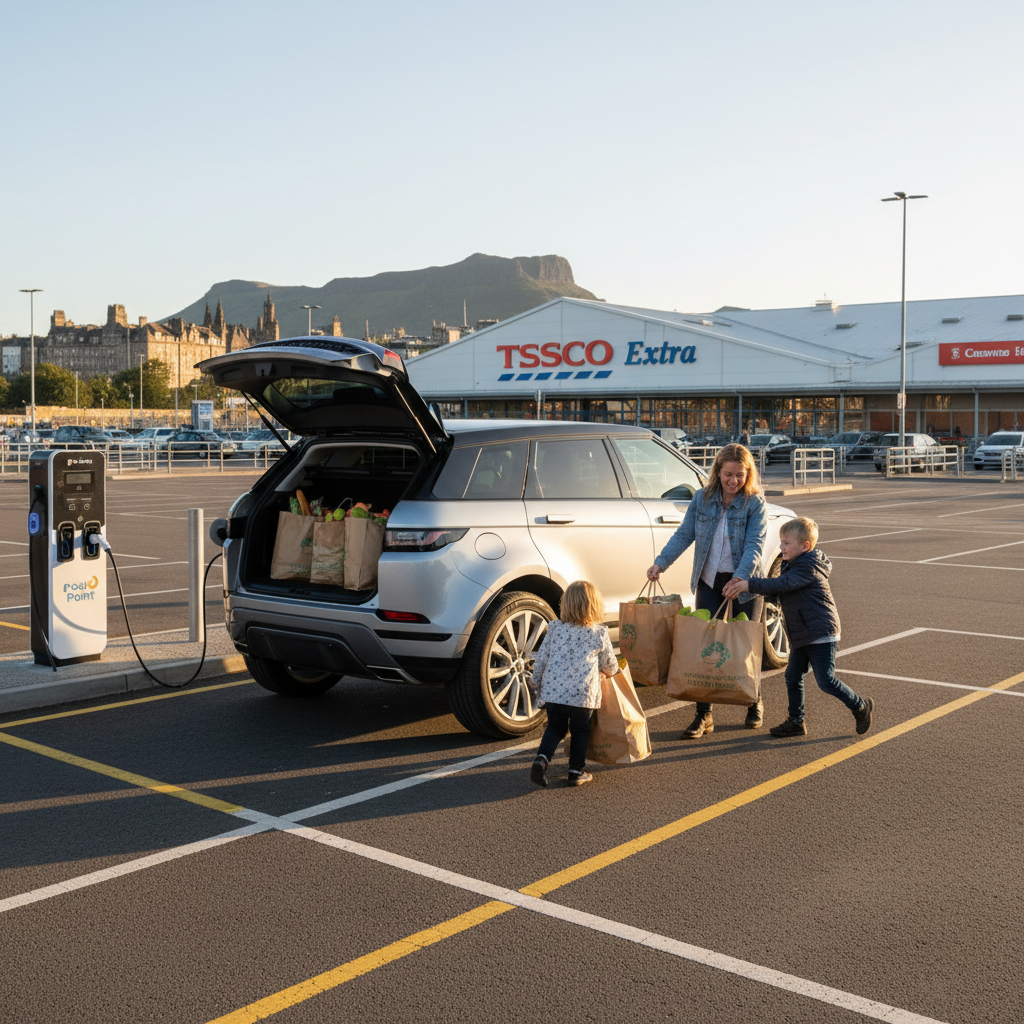
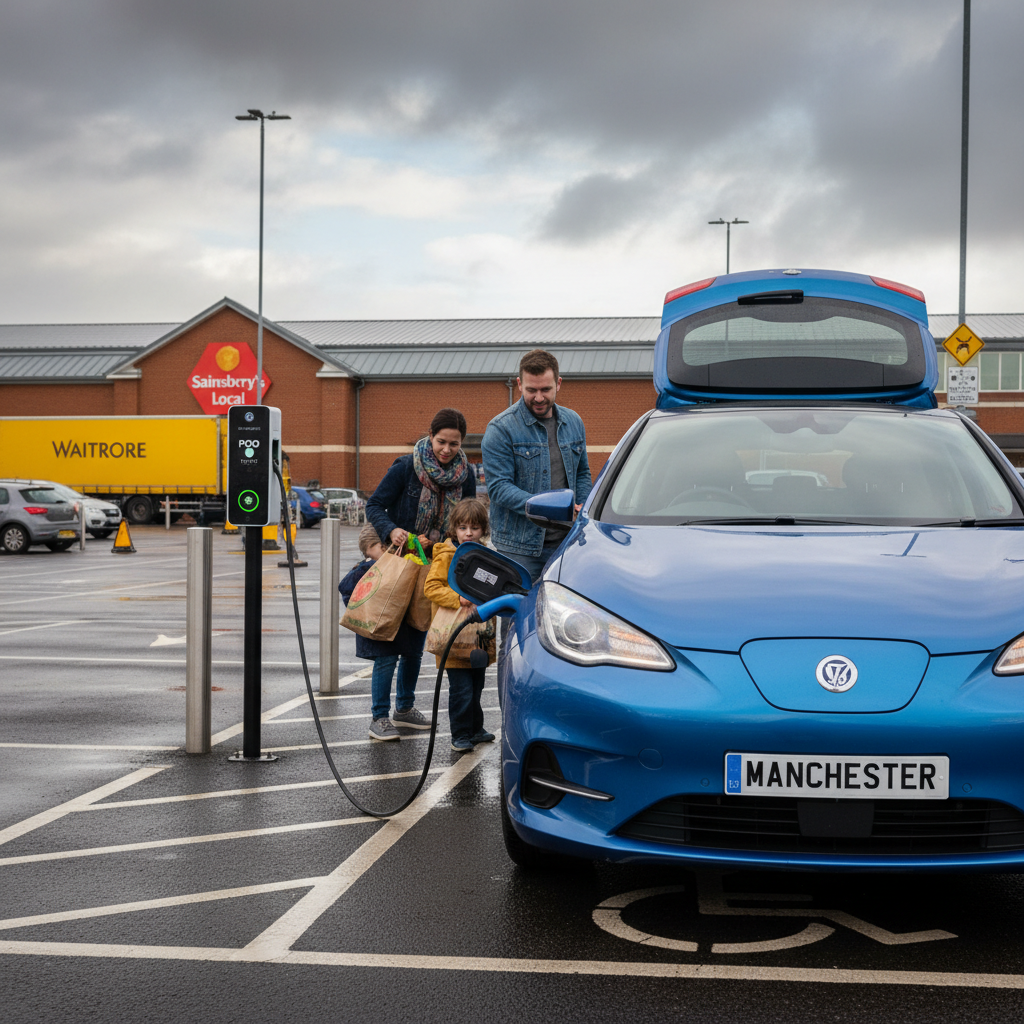
Crucially, the charging network is growing too. Gridserve has just unveiled a new 'Electric Super Hub' at Moto Lymm services in the UK, according to electrive.com. These high-power charging hubs are game-changers, promising faster top-ups for those longer journeys, meaning less time waiting and more time enjoying family adventures. And it’s not just the UK; GreenWay has secured a massive €138 million to expand its charging network in Central and Eastern Europe, electrive.com tells us. This kind of investment is what builds confidence for families looking to go electric – knowing that reliable charging is becoming more widespread, even on international road trips.
Safety First: Non-Negotiable for Family Cars
When it comes to my family, safety is non-negotiable. And it’s clear the automotive industry shares this priority, especially with EVs. We’re not talking about 0-60 times here; we’re talking about robust protection for every passenger.
According to Auto Express, making a truly safe family car isn’t just about protecting adults; children in the rear, pedestrians, and other road users must all be considered. This is precisely why a five-star Euro NCAP rating is the absolute minimum I’d recommend for any family car. Euro NCAP’s tests are constantly evolving, becoming stricter each year, as Carwow reminds us. So, a five-star rating from a recent test is far more indicative of true safety.
The Volvo EX90, for example, is emerging as a safety superstar, boasting impressive 92% adult protection and 93% child protection scores in its Euro NCAP crash tests, as highlighted by Parkers. In fact, electric SUVs continue to dominate the top safety spots, which is excellent news for families needing space and practicality.
Even if you’re not in the market for a brand-new car, many models tested a few years ago still offer excellent protection. The Land Rover Discovery Sport, for instance, secured a full five-star rating in 2022, offering a roomy interior and practical safety features, Carwow notes. And for those who prefer something slightly smaller, there are plenty of five-star small cars available too, proving you don't always need a behemoth to have peace of mind, according to The Car Expert.
Practicality Beyond the Price Tag
Beyond the tech and the safety scores, a family car has to just work. It needs space for car seats (ISOFIX points are a must!), buggies, school bags, and all the paraphernalia that comes with children. The Skoda Superb, for example, is praised by Auto Express for its hugely practical and spacious cabin, making it a strong contender for family duties.
While some manufacturers, like Nio, are adjusting their overseas expansion plans to focus on their domestic market (electrive.com), and Mini is rethinking electric production in Oxford for now (electrive.com), the overall push towards electrification and improved infrastructure remains strong. This means more accessible, practical, and safe electric options are on the horizon for UK families.
It's also worth noting the significant investment in public transport electrification. West Yorkshire has ordered 193 electric buses from Wrightbus, Electrive.com reports, and Olectra has deployed 60 electric buses in Hyderabad. This wider move towards electric transport not only improves air quality for our children but also points to a future where electric vehicles are the norm, not the exception.
Key Takeaways for Families:
- Prioritise 5-Star Euro NCAP: Look for recent ratings (2024/2025 onwards) for the most stringent tests.
- Charging Infrastructure is Growing: New hubs mean less range anxiety for longer trips.
- More EV Options Emerging: From premium to more affordable, choices are expanding to fit family needs and budgets.
- Practicality Remains Key: Ensure adequate boot space, ISOFIX points, and easy access for busy family life.
- Think Long-Term Savings: While initial costs can be higher, running costs for EVs are often significantly lower.
The Verdict: An Electric Future We Can Embrace
The message is clear: the electric vehicle market is maturing, bringing with it more practical, safer, and family-friendly options. The days of niche, expensive EVs are fading, replaced by a growing selection of cars that truly cater to the demanding life of a family. With expanding charging networks, continuous advancements in battery technology (Honda's investment in Nexeon, as electrive.com notes, is a great example), and an unwavering focus on safety, parents can look to the electric future with genuine peace of mind. It’s a future where our cars are not just road-ready, but truly family-ready, keeping our loved ones safe and our budgets happy.