

Right then, folks. Let's talk electric. The UK motoring landscape is changing faster than a politician's promise. With fuel duty hikes hitting our wallets – a 5p per litre increase confirmed by the Chancellor, according to Sun Motors – and new Clean Air Zones popping up like mushrooms after rain, particularly in places like Manchester where older diesels face a tenner a day charge, the electric vehicle (EV) is no longer a niche curiosity. It's becoming a necessity for many.
And when you talk EVs, one name consistently comes up: the Nissan Leaf. It’s been around the block a few times, a true veteran of the electric revolution. But in a market now flooded with sleek, high-tech rivals, can this seasoned campaigner still hold its own? I’ve spent a week putting the latest iteration through its paces on our often congested, sometimes picturesque British roads to find out if it's still the smart money choice for modern Britain.
Design: Understated, Not Outdated
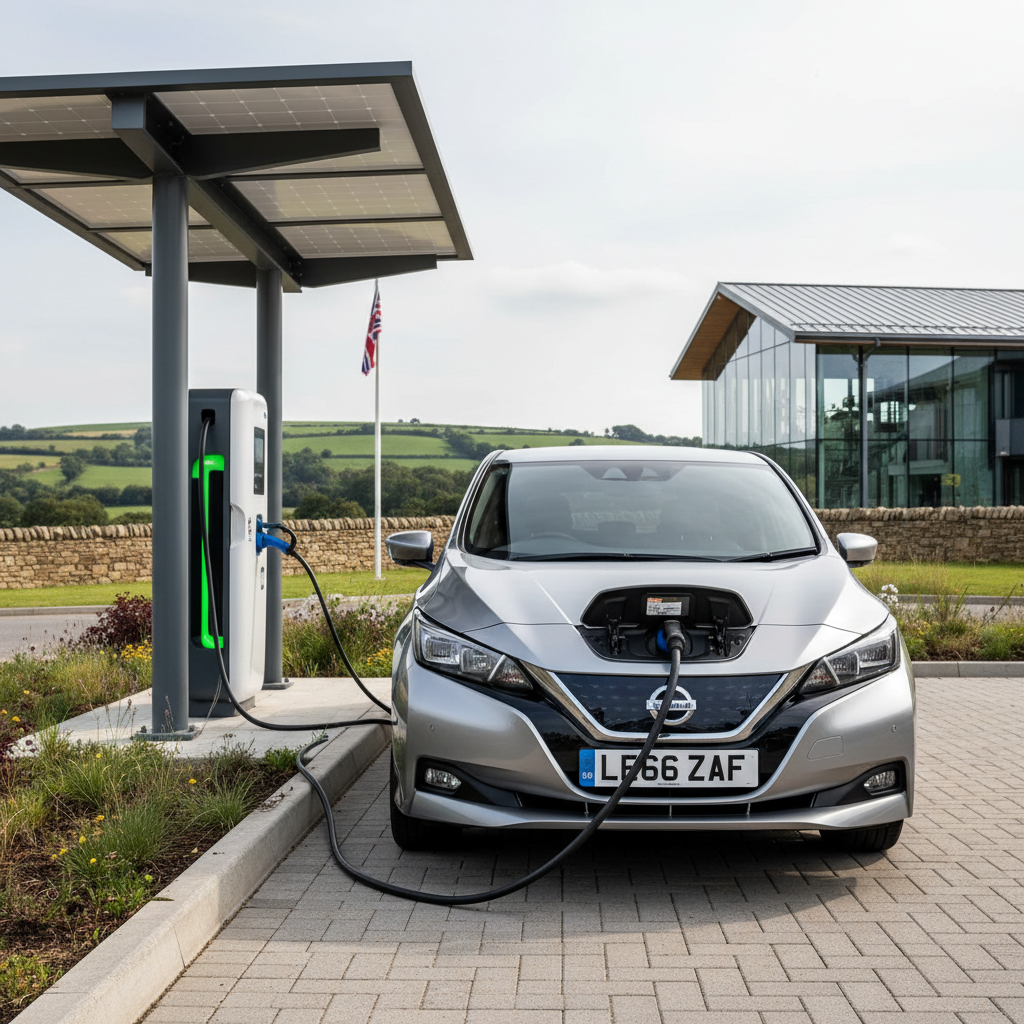
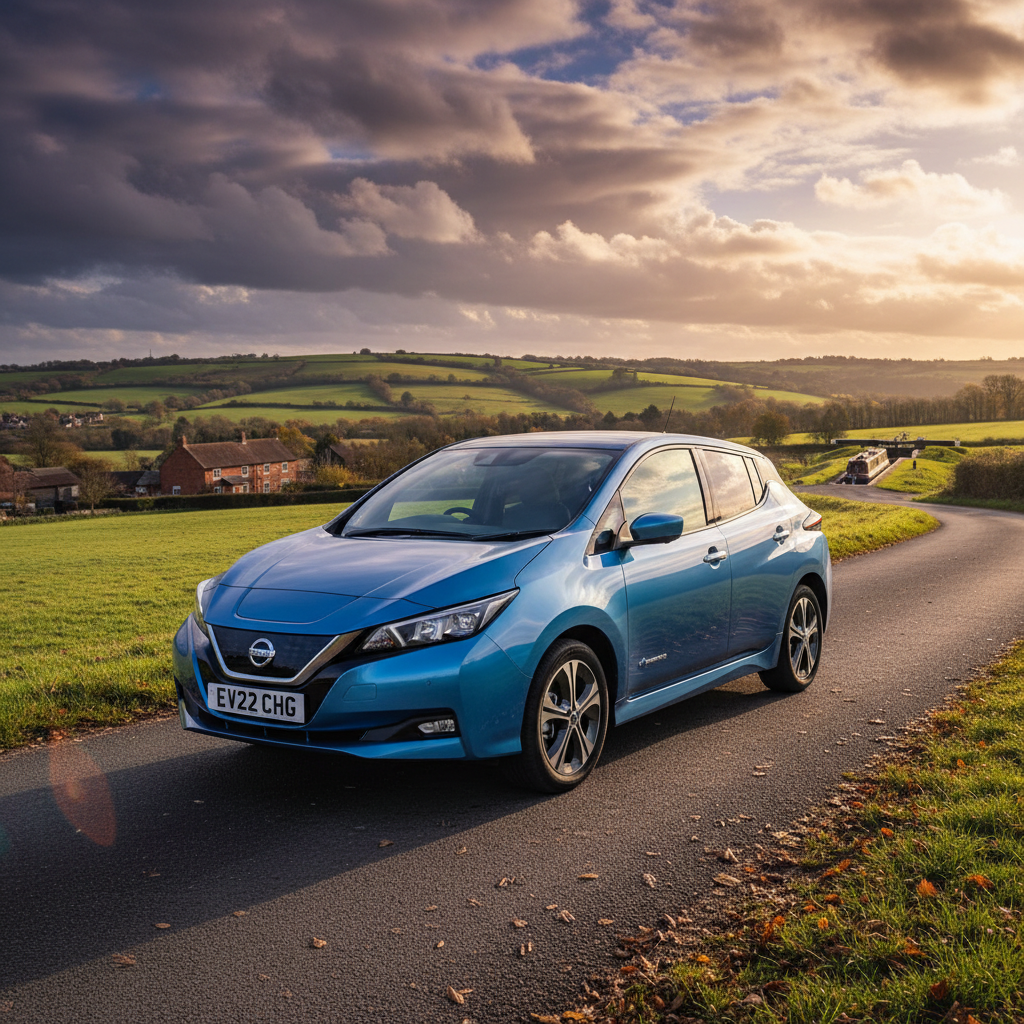
Let's be honest, the Leaf has never been a head-turner in the supercar sense. But that’s not its job. What you get with the Leaf is a design that's evolved into something rather sophisticated and practical. The latest model, especially in a metallic blue, looks much sharper than its predecessors. The V-motion grille, the floating roofline, and those distinctive boomerang LED headlights give it a contemporary, if not groundbreaking, aesthetic. It’s a car that blends in, rather than shouting for attention, which for many drivers, is exactly what they want. It’s got that solid, dependable look that inspires confidence, and it’s certainly not going to look out of place on your driveway or in the NCP car park.
Performance: Smooth, Silent, and Surprisingly Spirited
Under the bonnet – or rather, under the floor – you’ve got either a 40kWh or a 62kWh battery, powering a 150PS or 217PS electric motor respectively. I tested the 62kWh e+ version, and let me tell you, it's got a surprising amount of punch. 0-60mph comes up in a respectable 6.9 seconds, which is more than enough for darting through urban traffic or getting up to motorway speed. The instantaneous torque is what truly impresses; it just pulls away with a quiet authority that petrol cars can't match. On the M25, where those new average speed cameras have just gone live enforcing a 50mph limit during peak hours (Sun Motors again, keeping us informed!), the Leaf glides along effortlessly, soaking up the bumps with a comfortable ride.
The handling is predictable and secure, if not exactly sporty. The steering is light, making it easy to manoeuvre in tight city streets, and there’s minimal body roll through corners. But the real star of the show for me is the e-Pedal. This allows you to accelerate, decelerate, and even come to a complete stop using just the accelerator pedal. It takes a little getting used to, but once you master it, it makes for incredibly smooth, one-pedal driving, particularly in stop-start traffic, and it regenerates a decent amount of energy back into the battery.
Interior: Practicality Reigns Supreme
Step inside, and you’re greeted by a spacious and comfortable cabin. The seats are supportive, perfect for those longer journeys, and there’s plenty of legroom and headroom for both front and rear passengers. The dashboard layout is logical, with physical buttons for climate control and other essential functions, which is always a win in my book. Build quality feels robust, and while some of the plastics aren't premium-level, everything feels well put together and durable. Boot space is a generous 435 litres, easily swallowing the weekly shop or a couple of suitcases for a weekend getaway. It’s a proper family hatchback that just happens to be electric.
Technology: All the Essentials, None of the Fluff
The 8-inch infotainment system with Apple CarPlay and Android Auto is easy to use and responsive. You get a good suite of safety features too, including intelligent cruise control, intelligent lane intervention, and a 360-degree camera system, which is an absolute godsend when navigating tight car parks. Charging is straightforward, with a Type 2 connector for AC charging (around 11 hours for a full charge on a 7kW home wallbox) and a CHAdeMO port for rapid DC charging, getting you from 20-80% in about 45 minutes on a 50kW rapid charger. Real-world range for the 62kWh model is around 200-230 miles, as highlighted by Sun Motors – very respectable for most UK drivers’ daily needs.
Value: The People's Champion Indeed?
This is where the Leaf really shines. Prices for a new Leaf start from around £28,495 for the 40kWh model (after the government grant), making it one of the more affordable full-size EVs on the market. The 62kWh e+ starts from about £33,495. Running costs are minimal, especially if you can charge at home on an off-peak tariff. No road tax, no ULEZ charges, and significantly cheaper 'fuel'. When you compare this to the rising costs of petrol, and the prospect of £10 daily charges in Clean Air Zones, the value proposition is incredibly strong.
According to Sun Motors, the Leaf “delivers where it counts”, and I wholeheartedly agree. While it might not have the brand cachet of some newer entrants, it offers a proven, practical, and highly efficient package that makes real financial sense for many British motorists.
The Verdict: Still a Contender
So, is the Nissan Leaf still the champion? For flashiness and cutting-edge design, perhaps not. But for reliable, practical, and genuinely affordable electric motoring, absolutely. It's comfortable, surprisingly responsive, well-equipped, and crucially, it won't break the bank to buy or run. If you're looking for a no-nonsense, dependable EV that can handle your daily commute, the school run, and even the occasional longer trip without Range Anxiety, the Nissan Leaf remains a very strong contender. It's a testament to good engineering and a focus on what matters most to real drivers.
Who is it for? Savvy individuals and families looking to make the leap to electric without the hefty price tag or compromising on practicality. Perfect for those navigating Clean Air Zones and wanting to significantly cut their motoring costs, especially when compared to rivals like the Vauxhall Corsa Electric or an affordable crossover like the Dacia Sandero Stepway.