

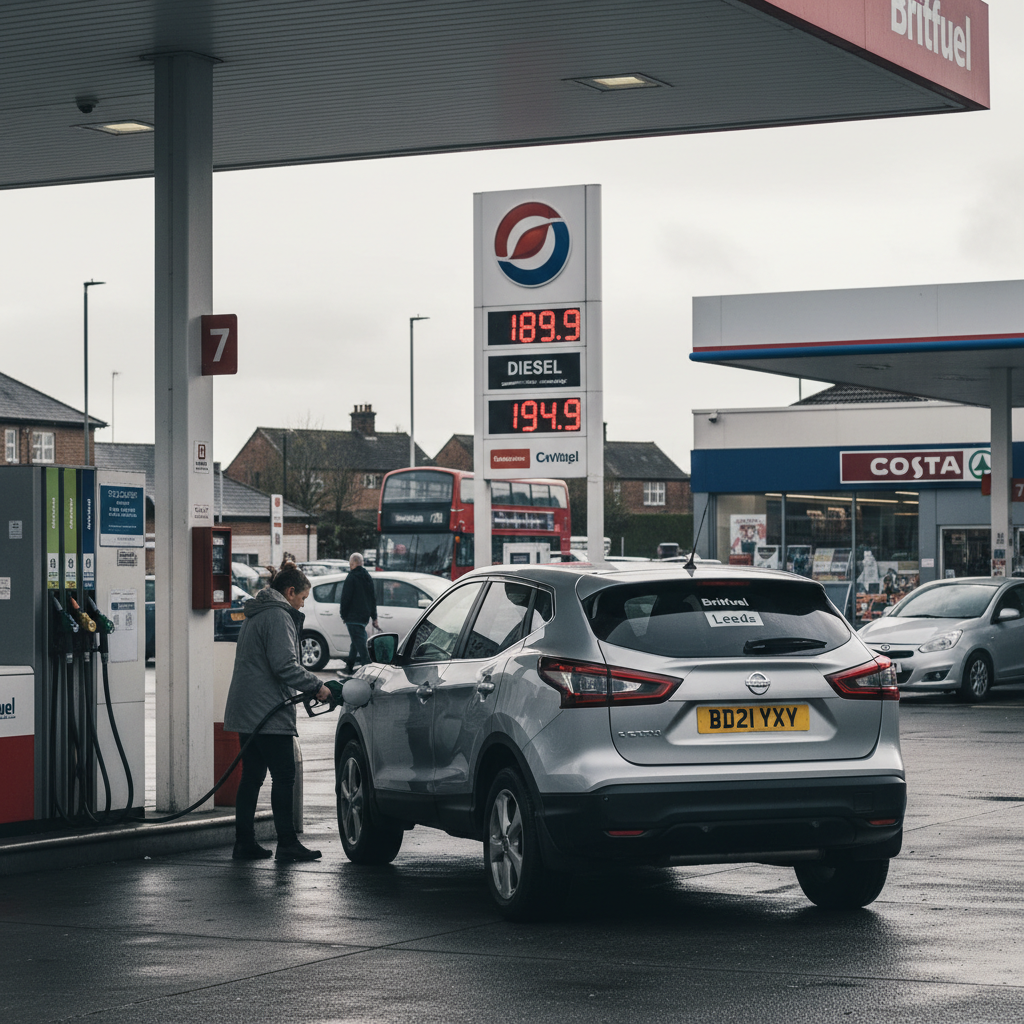
We have all been conditioned to believe that fuel prices are dictated by global oil markets, OPEC production quotas, and international exchange rates. But the latest hard data tells a very different, localized story. Today, the biggest factor influencing how much you pay at the pump isn’t geopolitical tension—it is your geographic coordinates.
Fresh analysis of 500 forecourts nationwide has mapped out a staggering 59p per litre divide between the cheapest and most expensive unleaded fuel in the UK. With prices ranging from a wallet-friendly 136.9p to a punishing 195.9p, the financial penalty for pulling into the wrong forecourt has reached an eye-watering £32.45 on a standard 55-litre family car. This isn't just a minor discrepancy; it is a postcode lottery that targets the uninformed.
The Great Brand distortion
For decades, supermarket forecourts were the undisputed champions of cheap fuel, used as loss-leaders to lure shoppers into the main store. However, today’s numbers show a dramatic inversion of this classic retail strategy. Tesco, traditionally a safe haven for budget-conscious motorists, is currently averaging 186.55p per litre across our tracker. That sits remarkably close to motorway service operator Moto, which averages 187.41p.
Meanwhile, smaller, aggressive independent networks are running rings around the retail giants. Karan Retail is leading the charge with an incredibly competitive average price of 142.53p per litre—over 44p cheaper than Tesco. If you are blindly pulling into your local supermarket out of habit, you are likely subsidising their corporate margins.
To put this into perspective, let’s look at how the major players compare this week:
| Retailer | Average Unleaded Price (p/l) | Cost to Fill 55L Tank |
|---|---|---|
| Karan Retail | 142.53p | £78.39 |
| JET | 162.90p | £89.60 |
| Motor Fuel Group | 163.64p | £90.00 |
| SGN | 164.66p | £90.56 |
| Tesco | 186.55p | £102.60 |
| Moto | 187.41p | £103.08 |
| Rontec | 190.15p | £104.58 |
Why Are We Seeing Such Wild Discrepancies?
According to fuel market analysts, large supermarket chains and major travel-plaza operators have transitioned toward a 'margin-grabbing' strategy. Because they have a captured audience—either through convenience or commuter necessity—they can afford to keep prices high. They know that a rushed commuter or a tired parent is unlikely to drive five miles out of their way to save a few pennies.
Conversely, independent operators like Karan Retail and regional brands like JET must compete fiercely on price to drive volume. They don't have the luxury of footfall from massive grocery aisles, meaning their primary hook is the price on the big totem pole outside.
Actionable Advice for Savvy Drivers
To beat the postcode lottery, working-class drivers need to change how they approach the weekly fill-up. It is no longer about finding the closest station; it is about mapping your route around the bargains.
If your daily commute takes you past an independent operator, plan your fuel stops around them. Even a minor detour of two miles to visit a cheaper brand can yield a massive return on investment. Saving £24 per fill-up twice a month puts nearly £600 a year back into your household budget. That is real money that should be in your pocket, not on a petrol retailer’s balance sheet.
Key Takeaways for Savvy Drivers
- Ditch the Supermarket Habit: Supermarkets are no longer guaranteed bargains, with average prices sitting nearly 44p higher than leading independent networks. For more on this, read The Supermarket Squeeze: Why Your Weekly Shop Fuel Stop Is No Longer a Bargain.
- Hunt the Independents: Keep an eye out for smaller chains like Karan Retail, which are currently offering the lowest entry-level prices in the country. Dive deeper into how micro-retailers are saving drivers money in The Petrol Postcode Lottery: How 'Micro-Retailers' Are Quietly Saving Drivers £32 a Tank While Giants Feast.
- Never Buy on Impulse: A massive 59p gap exists between the cheapest and dearest sites. Check prices before you leave home. This 'postcode lottery' is also explored in depth in our article, The Petrol Postcode Lottery: Why a 10-Mile Drive Could Save You £32 on Your Next Fill-Up.
- Map Your Commute: Altering your route by just a few miles to avoid premium-priced stations can save you over £32 per tank.
The Verdict
The golden era of the cheap supermarket fill-up is officially over. Today, the smartest financial move you can make is to bypass the big-box brands and actively seek out independent forecourts. By remaining flexible and refusing to pay convenience premiums, you can successfully dodge the postcode lottery and keep your hard-earned cash where it belongs.