

Ever felt that electrifying fizz in your veins when a driver, against all odds, carves a path through chaos to snatch victory? That’s the feeling I live for, and it’s been in spades recently! Forget predictable processions; the past few weeks have been a masterclass in motorsport's raw, unadulterated drama, serving up lessons that every petrolhead and performance car engineer should be paying attention to.
Let's talk Brands Hatch. My word, what a spectacle! Aron Taylor-Smith, in his Speedworks Motorsport-run Laser Tools Toyota Corolla GR Sport, pulling off a 'shock win' in the British Touring Car Championship, tearing through the field from 13th in a rain-soaked race on slicks. (Autosport.com) That's not just driving; that's an act of defiance against physics. And then there's Ashley Sutton, clinching his 50th BTCC win in 'dramatic race one' (Autosport.com), battling unforecasted rain that turned the Indy Circuit into an ice rink. This isn't about outright pace; it's about delicate car control, reading the grip, and finding that razor-thin edge where the car is dancing, not sliding. This is where chassis tuning, communicative steering, and a driver's intuition truly shine. You can have all the bhp in the world, but if you can't put it down when it matters, it's just numbers.
Meanwhile, over in the World Rally Championship, Rally Portugal dished out its own slice of drama. Thierry Neuville and Hyundai bagged their first win of the 2026 season (Autosport.com), but it wasn't handed to them. Sebastien Ogier, leading comfortably, suffered a 'right rear puncture in the penultimate stage' (Autosport.com), handing the advantage to Neuville. Rallying, as ever, is the ultimate test of endurance, raw power, and unpredictability. It’s a brutal ballet of sliding and precision, where every stone and every corner demands absolute commitment. This is where robust chassis, sophisticated all-wheel-drive systems, and responsive engines prove their mettle. The sheer abuse these machines take is incredible, yet they continue to deliver ballistic performance.
And let’s not forget MotoGP, where Jorge Martin took his first victory since his title-winning season at the French Grand Prix (Autosport.com). The sheer physical and mental demand on those riders, wrestling those two-wheeled rockets, is immense. It’s another reminder that in the upper echelons of motorsport, the human element is paramount, pushing machines to their absolute dynamic limits.
So, what does all this high-octane drama mean for us, the enthusiasts who crave that thrill on our favourite B-roads or track days? It’s a powerful validation of truly engaging driving dynamics. It reminds us that balance, feedback, and usable power trump headline-grabbing figures every single time.
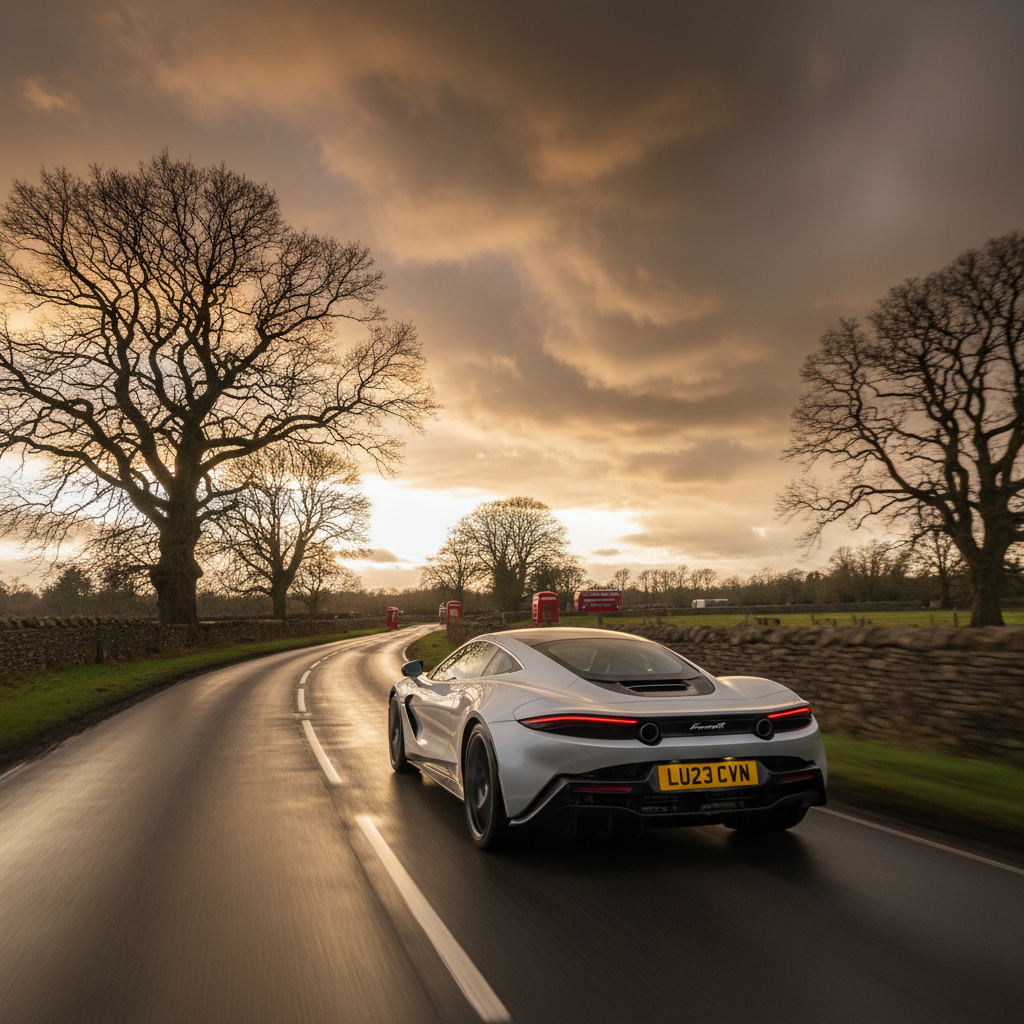
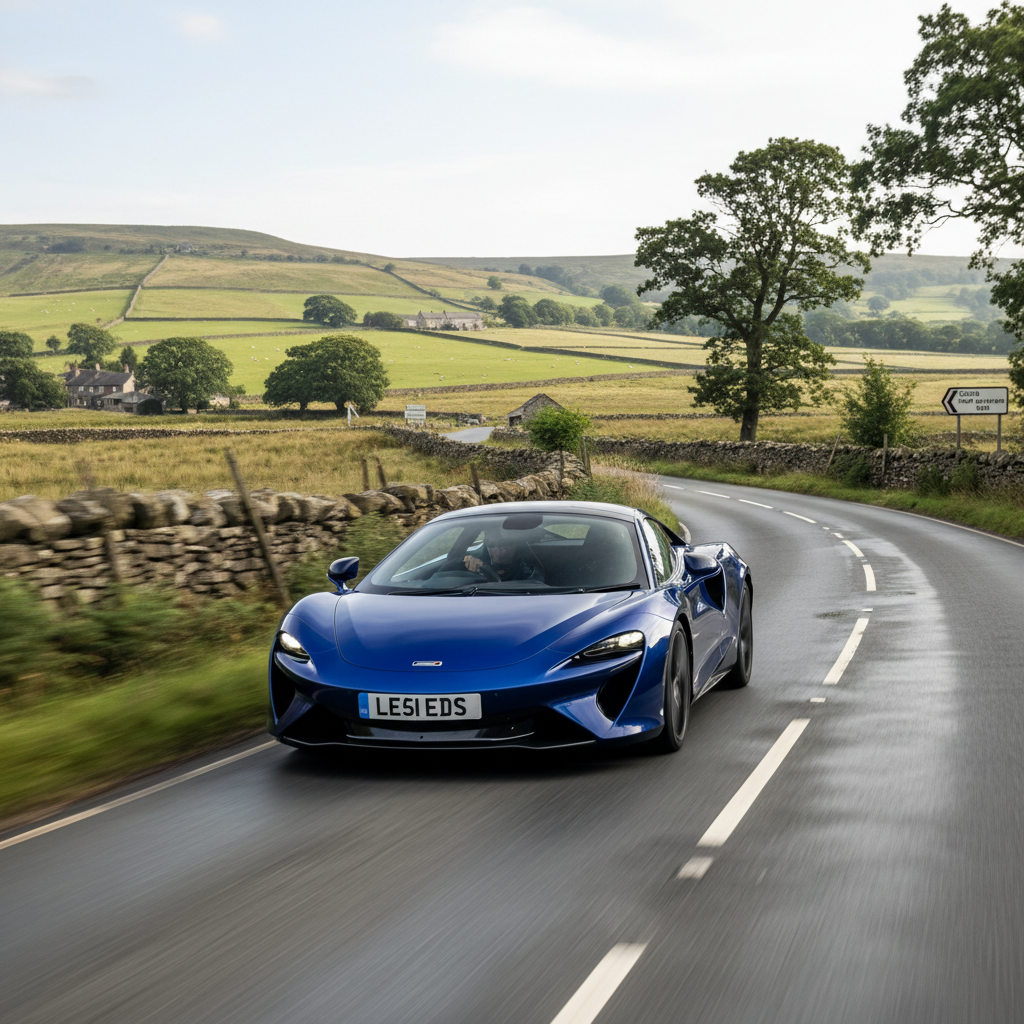
Take the modern track day scene. We’re seeing a resurgence of cars that prioritise feel over raw statistics. According to Evo, the McLaren 765LT, with its hydraulically-assisted power steering, offers 'transparent and confidence inspiring in feel' – a stark contrast to many modern supercars that can feel numb. That's the kind of direct feedback a driver needs to exploit the immense grip and aerodynamic prowess, particularly when aiming for those 'fastest lap times' (FastestLaps.com). And then there's the Ariel Atom, a car with a 'monumental power-to-weight ratio of 537hp per tonne' (Carwow), which isn’t just about straight-line speed, but about its inherent agility and the pure, unadulterated sensation of speed it delivers. It's a testament that sometimes, less weight and more immediate response are far more impactful than brute force.
Even the everyday performance car is evolving. Peugeot's boss is suggesting that bringing back the '308 GTi makes a lot of sense' (Autocar.co.uk), potentially as an EV. Now, an electric GTi might sound like sacrilege to some, but imagine that instantaneous torque, that responsive power delivery, harnessed to a finely tuned chassis. The challenge, and the opportunity, is to imbue it with that engaging character we associate with the GTi badge – a car that feels connected, pointy, and genuinely fun. The Caterham Seven remains the benchmark for pure, undiluted driving pleasure, a testament to simplicity and lightweight agility – something its stablemate, the Caterham 21, struggled to replicate against the 'quirky' Lotus Elise (Autocar.co.uk).
Whether it's the precise, planted nature of a BTCC car on the edge, the tenacious grip of a WRC machine, or the sheer agility of a MotoGP bike, the underlying truth is clear: the most exciting performance cars are those that connect with the driver, offering visceral feedback and confidence-inspiring dynamics. If you live for that perfect apex, that precise throttle modulation out of a corner, or the thrill of a car communicating every nuance of the tarmac through the steering wheel, then the future, even with electrification, looks incredibly bright. It’s about the art of speed, not just the science.
Key Takeaways:
- Driver Engagement Reigns: Recent motorsport proves that feel, feedback, and driver skill are paramount in unpredictable conditions.
- Power-to-Weight is King: Lightweight design and intelligent power delivery create truly ballistic driving experiences, even if the outright BHP figures aren't always astronomical.
- Electric Performance Potential: The prospect of an electric hot hatch like a 308 GTi hints at immediate, responsive power that could redefine 'engaging' for a new era.
- Track Days Refine Road Cars: Lessons from circuit monsters like the McLaren 765LT inform what makes a truly confidence-inspiring and transparent road car.
Verdict: The thrill of driving isn't just about raw speed; it's about the dance between human and machine, especially when conditions get hairy. The wins we've seen, from the BTCC's wet-weather heroics to the WRC's gravel-strewn drama, underscore the enduring appeal of cars that communicate, respond, and challenge. This is the essence of true performance, and it's what we, as enthusiasts, should always demand.