

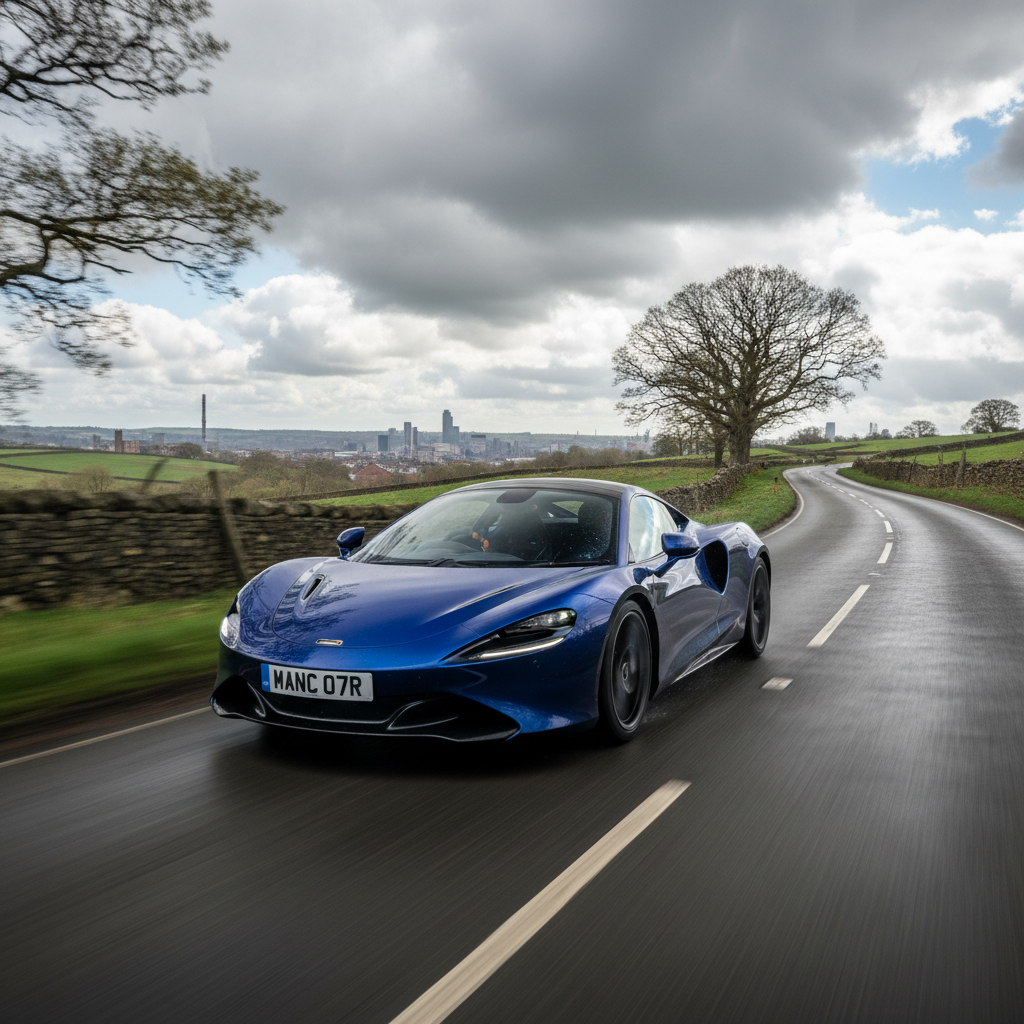
If you live for that perfect apex, you know the exact millisecond when the chassis pivots, the rear tyres hook up, and you are launched down the straight with absolute clarity. It is the ultimate test of driving dynamics. For a while, there was an underlying fear that this visceral sensation was being smothered by heavy, all-wheel-drive hybrid systems and over-assisted electronic steering racks. But if you look closely at the drawing boards of Munich and Seoul, and the latest regulatory moves in top-tier motorsport, a glorious shift is happening. A rear-wheel-drive renaissance is officially underway.
The Genesis of a Track Monster
According to Autosport, Hyundai’s luxury arm, Genesis, has dropped a spectacular bomb on the eve of the Le Mans 24 Hours by pulling the wraps off the stunning Genesis Magma GT3 concept. It is a clear, aggressive signal of intent that the brand wants to take on the heavy hitters of GT3 racing, such as Porsche and Aston Martin.
As reported by Autocar, this stylish supercar has sprouted proper racing wings, extra high-intensity track lights, and serious aerodynamic hardware. While technical specifications remain closely guarded, GT3 rules mandate a rear-wheel-drive layout. This means the engineers in Korea are focusing heavily on mechanical grip, downforce, and throttle adjustability. It is a punchy statement from a brand that wants us to take its performance credentials seriously, proving that they understand the ingredients of a truly engaging driver's car.
Hypercar Regulations Save the Rear Axle
This commitment to rear-driven purity is being mirrored at the very pinnacle of sports car racing. In a fascinating regulatory update, Autosport reports that the World Endurance Championship (WEC) has outlined its post-2030 Hypercar guidelines. The headline news for driving enthusiasts? The new rules will completely outlaw the four-wheel-drive systems currently allowed under Le Mans Hypercar rules, mandating that hybrid power must be sent exclusively to the rear wheels.
This is a monumental victory for chassis engineering. When you remove the front driveshafts, you instantly free up the steering rack. Without the front wheels pulling the car out of corners, drivers must rely on a beautifully balanced chassis and their own right foot to manage traction. It forces manufacturers to build cars that are inherently stable yet wonderfully responsive on the limit.
And the grids are filling up fast to exploit these rules. Autosport notes that Ford has finalized its formidable driver roster for its 2027 WEC Hypercar campaign, signing IMSA stars Matt Campbell, Nick Yelloly, and Tom Blomqvist to join Sebastian Priaulx and Logan Sargeant. Managing a ballistic hybrid powertrain through just the rear contact patches on a wet night at Le Mans will require absolute precision—exactly the kind of driving drama we crave.
BMW’s Vision for the Electric M3
Meanwhile, the wizards at BMW M are tackling the same rear-drive challenge for the road. As highlighted by Autocar, the German manufacturer has previewed its motorsport-influenced future with the dramatic BMW Vision M Concept Neue Klasse.
Purists have been understandably nervous about the transition to electric M cars, but BMW is addressing this head-on. By utilizing advanced torque vectoring systems that can mimic the characteristics of a traditional mechanical limited-slip differential, BMW aims to keep the rear axle lively, communicative, and incredibly planted when you want to power out of a bend. The goal is to deliver that signature, razor-sharp front end with a tail that remains responsive to throttle inputs.
What This Means for the B-Road Enthusiast
You might wonder why GT3 concepts and Le Mans rules matter to the everyday enthusiast. The answer is simple: trickle-down technology. The engineering required to make a 600bhp+ rear-wheel-drive hybrid fast and stable on a race track directly influences the suspension geometry, damper tech, and traction management software of the next road car you will buy.
As Auto Express points out in its analysis of the best track day cars, the most rewarding machines—like the McLaren 765LT—rely on unassisted, transparent hydraulic steering and rear-driven setups to inspire confidence. Even on a budget, Autocar champions the 180bhp 2.0-litre Mazda MX-5 as the gold standard of driver engagement because of its lightweight, rear-wheel-drive layout. By keeping the front wheels dedicated solely to steering, you get a level of feedback that no all-wheel-drive system can ever match.
Key Takeaways: The Shift to Rear-Wheel Purity
- Genesis Magma GT3: A striking motorsport concept that signals Genesis’s entry into GT3 racing, prioritizing pure aerodynamics and rear-drive chassis dynamics.
- WEC 4WD Ban: Post-2030 Hypercar regulations will outlaw four-wheel drive, putting the focus back on sophisticated rear-wheel-drive hybrid drivetrains.
- BMW Neue Klasse M: BMW’s Vision M Concept previews an electric M3 successor designed to retain the legendary, rear-driven agility of its ancestors.
- Ford's Hypercar Push: Ford locks in world-class driving talent, including Matt Campbell and Tom Blomqvist, for its highly anticipated 2027 WEC entry.
The Verdict
For a moment, it felt as though the performance car industry was heading toward a digitalised, heavy, point-and-shoot future. But the latest moves from Genesis, BMW, and the FIA prove that the art of driving is being preserved. By stripping power away from the front axle and focusing on pure, rear-wheel-drive balance, manufacturers are ensuring that the cars of tomorrow will remain engaging, challenging, and utterly brilliant to drive. The physical connection to the machine is safe.
This pursuit of pure driving joy is evident across the industry, from the track to the everyday road car. This renewed focus on driving dynamics promises a golden age for enthusiasts, where the feel and balance of the car remain paramount.