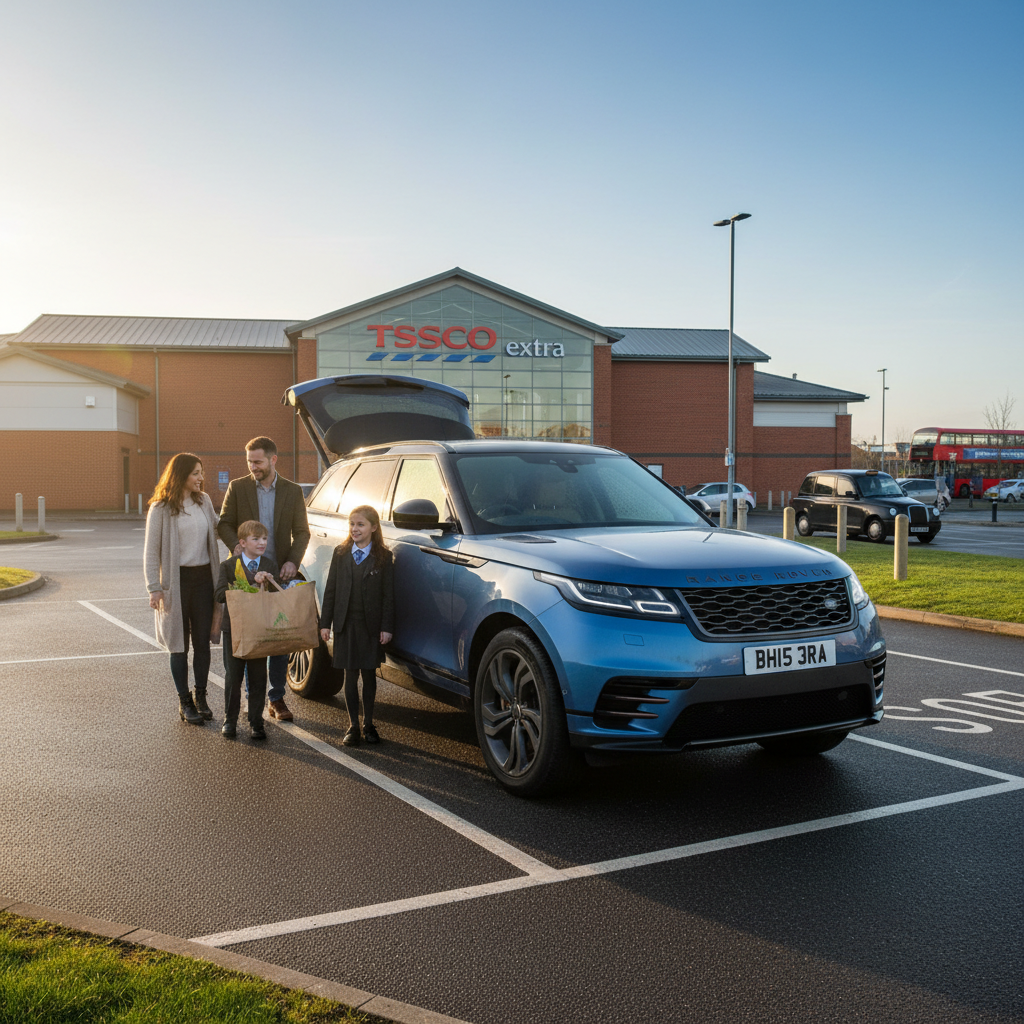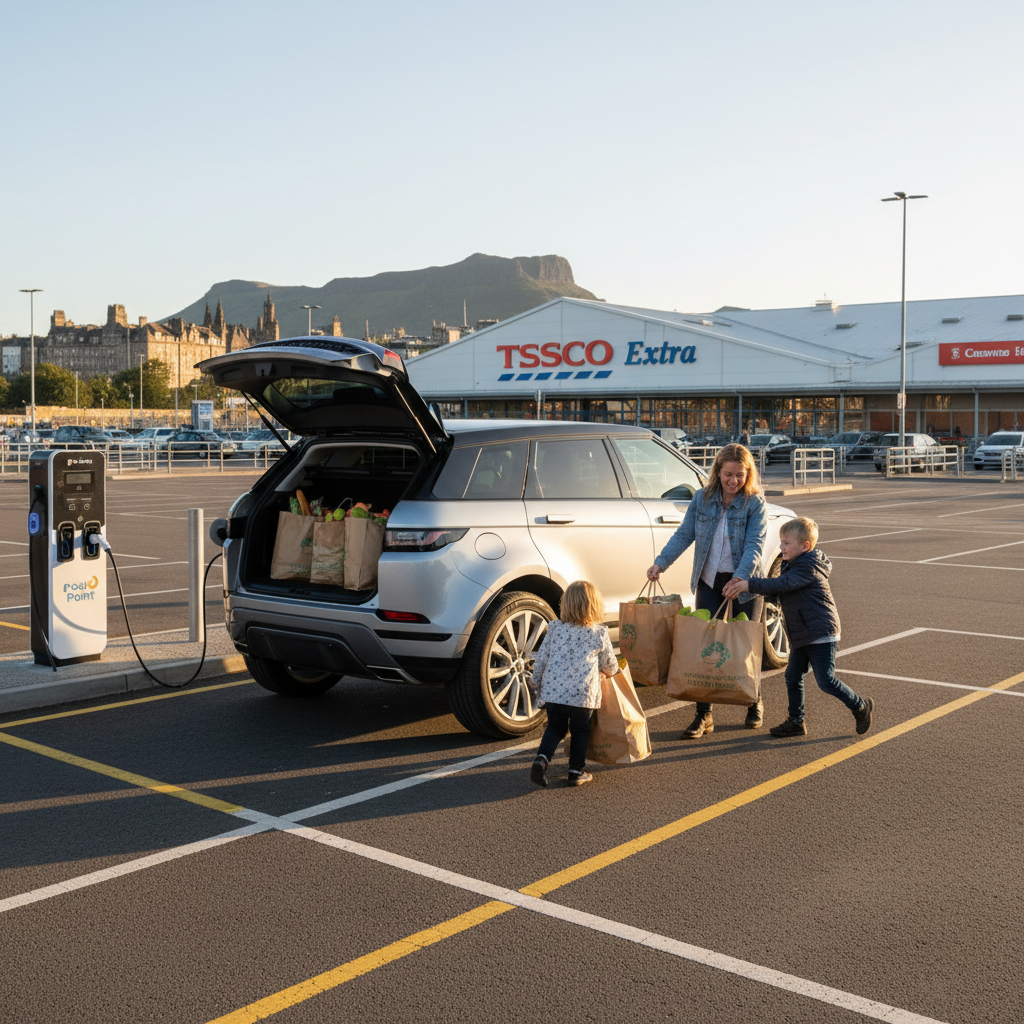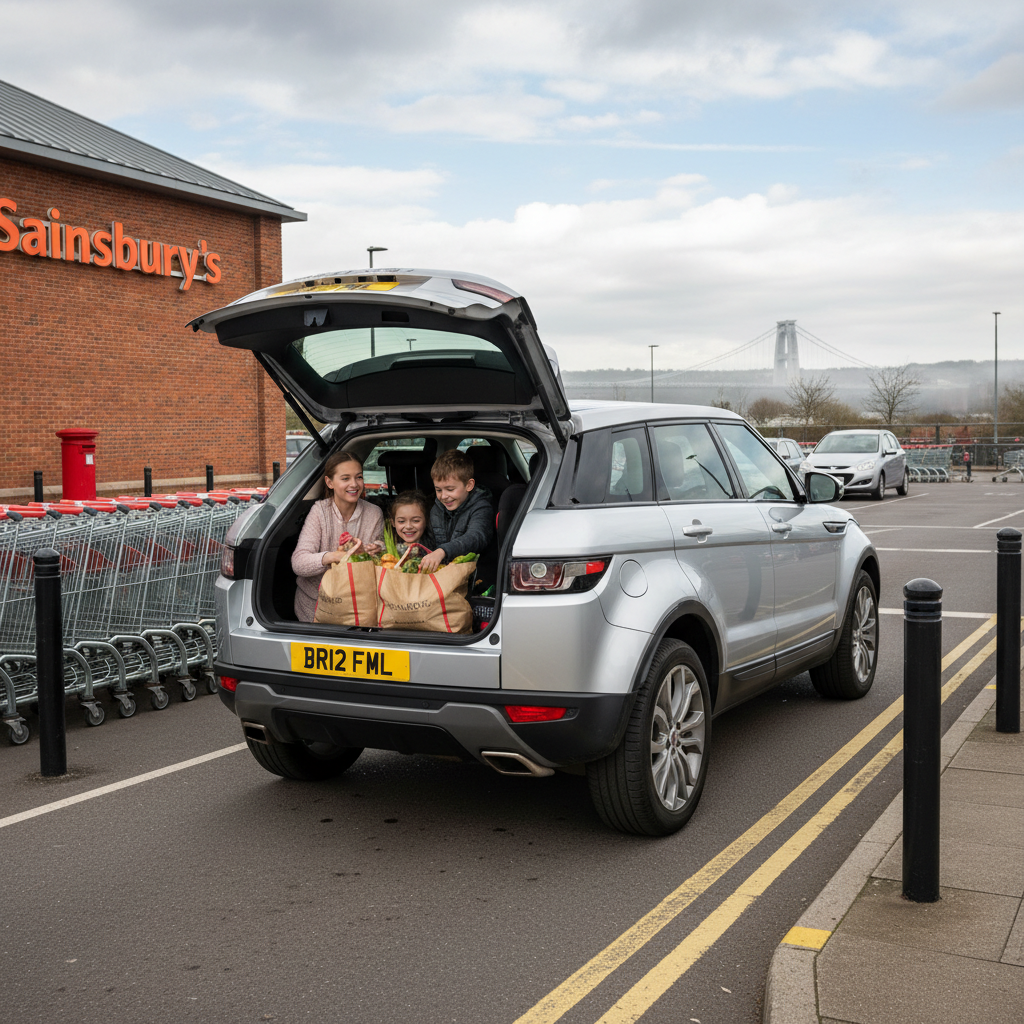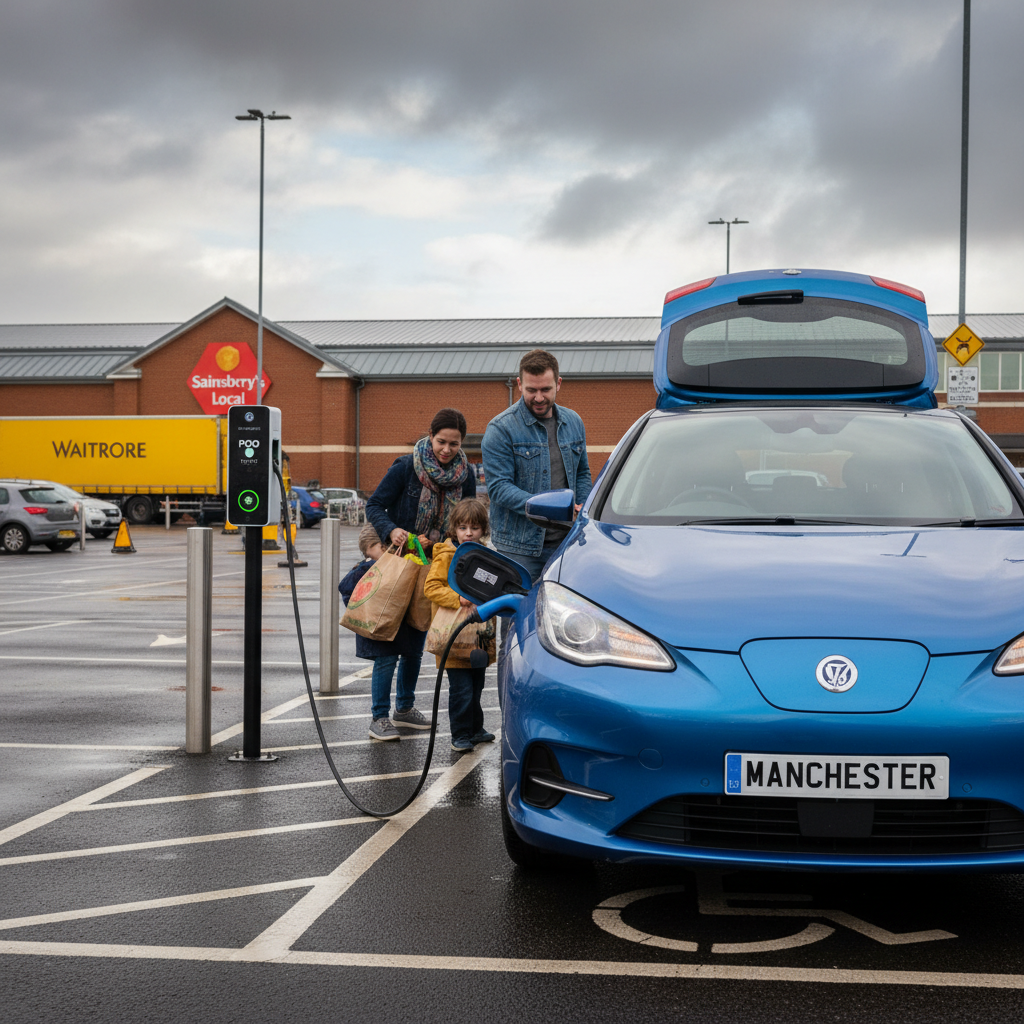


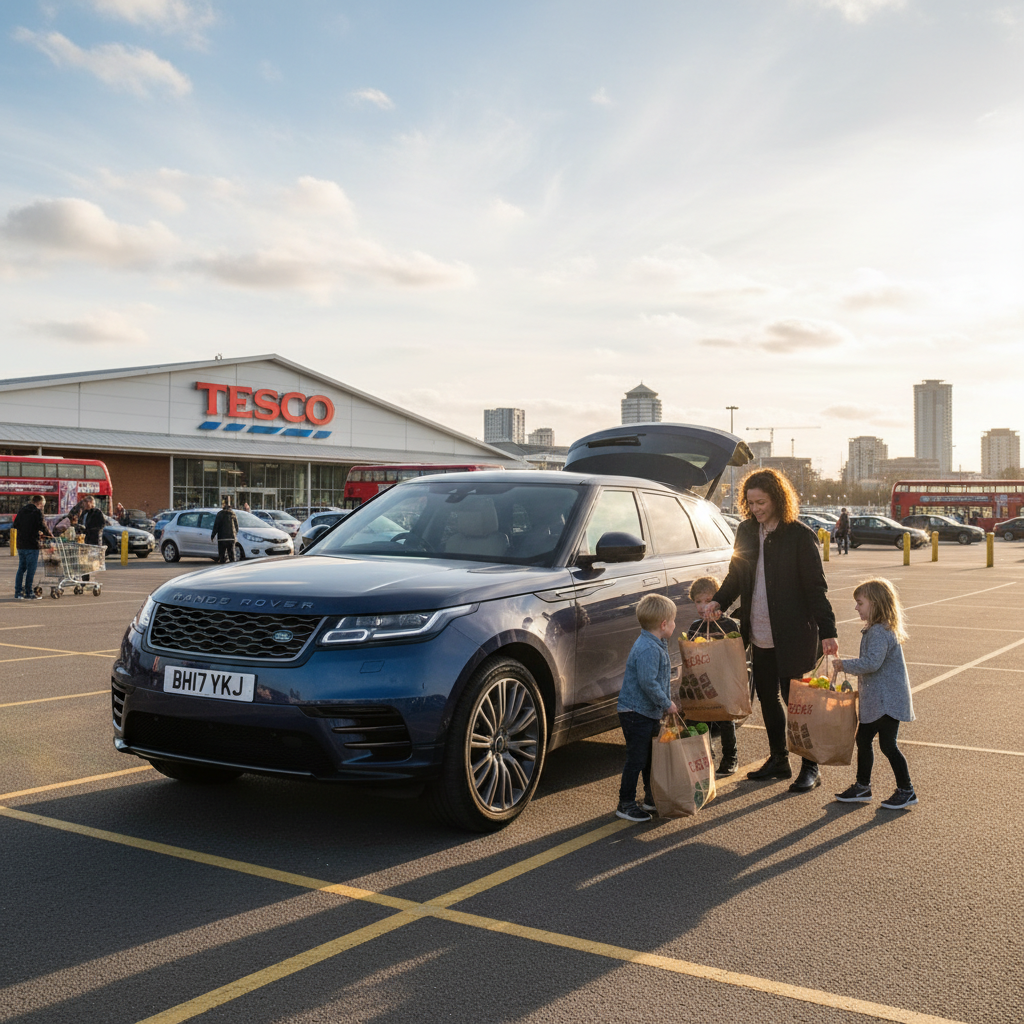
Picture this: it’s 8:15 AM on a rainy Tuesday, the kids are squabbling over who gets the window seat, and you’re staring at a dashboard warning light. For most of us, the daily school run is a high-stakes obstacle course where we value two things above all else: absolute reliability and the peace of mind that our children are riding in a virtual fortress.
For years, parents looking to slash their fuel bills have felt caught in a trap. Do you stick with a conventional petrol car and watch your household budget drain at the pumps, or do you take the plunge on a pure electric vehicle, risking range anxiety and paying a hefty premium? Fortunately, a new wave of clever automotive engineering is offering a middle ground that makes perfect sense for British families.
The Best of Both Worlds: The 100km School Run
If you are looking to make your family budget stretch while keeping your little ones in safe hands, the arrival of ultra-long-range plug-in hybrid vehicles (PHEVs) is a genuine game-changer. As reported by electrive.com, Chinese manufacturer BYD is launching the Dolphin G DM-i plug-in hybrid in Europe. What makes this compact family car so exciting is its electric-only range: it can travel up to 105 kilometres (around 65 miles) on a single charge before the petrol engine even thinks about waking up.
Let’s translate that into real-world school runs. If your daily commute and school drop-off total 15 miles, you could easily complete your entire weekly routine on cheap, overnight domestic electricity. Yet, when the school holidays arrive and you’re packing the boot for a trip to see grandparents at the other end of the country, you have the petrol engine ready to go. No public charger queues, no stressful stops with restless toddlers in the back.
Safety First: Demolishing the Myths
Of course, a cheap-to-run family car is nothing if it doesn't protect what matters most. Some parents remain cautious about newer brands entering the UK market, but the latest crash-test data should put those fears to rest. According to independent testing reviewed by Auto Express, the BYD Seal 6 recently scored an outstanding 92% for adult occupant protection and a stellar 90% for child occupants, all while offering a very practical 500-litre boot that will easily swallow a double pram and the weekly food shop.
Similarly, reports from Carwow highlight that the new BYD Sealion 7 matched the highly acclaimed (and much more expensive) Polestar 3 with an incredible 93% score for child occupant safety. This proves that you no longer need to pay premium luxury prices to get Volvo-grade protection for your children. When it comes to family motoring, topics like future-proofing your family commute are increasingly on parents' minds.
The Multi-Kid Dilemma: Space vs. Style
If you have three or more children, you’ll know that standard family hatchbacks simply don't cut it once you try to squeeze three bulky car seats across the second row. For larger families, there is promising news on the horizon. Mercedes-Benz has officially kicked off series production of its new electric VLE van, as reported by electrive.com. Built on a dedicated electric platform, it promises to bring luxury, emission-free transport and maximum safety to big families who need true multi-seat practicality without compromising on comfort.
On the other end of the scale, we are seeing some manufacturers miss the mark for families. electrive.com recently revealed that the new production version of the Peugeot E-208 GTi will start at a steep €42,900 (nearly £36,000). While a 207 kW electric hot hatch sounds like fun on a test drive, paying that kind of money for a cramped back seat and a tiny boot makes zero sense for a growing family. When it comes to family motoring, practical space and robust safety features will always trump 0-60 mph times. For more insights on this, read about making sense of the electric revolution for your family.
What About Going Fully Electric?
If you do feel ready to skip the hybrid transition and go fully electric, you don't have to spend a fortune. A recent review by electrive.com highlighted the Tesla Model 3 Rear-Wheel Drive as one of the most efficient and affordable entry points into pure EV ownership. It represents great value, but as a mum, I always urge parents to look at real-world usability. The Model 3’s cabin is incredibly minimalist, control-heavy, and relies almost entirely on its central touchscreen. If you've got kids in the back demanding a temperature change or a different song, trying to navigate sub-menus on a screen while driving can be highly distracting. For many parents, traditional physical buttons are still a vital safety feature. This is part of the ongoing discussion about decoding the latest EV news for your next safe & savvy drive.
Key Takeaways for Wise Parents
- The 60-Mile Sweet Spot: Modern plug-in hybrids like the BYD Dolphin G now offer over 60 miles of pure electric range, allowing you to do the weekly school run entirely on electric power.
- Five-Star Safety for Less: New family models are matching premium Scandinavian brands with child-protection safety scores of over 90% in Euro NCAP testing.
- Prioritise Usability: Avoid screen-heavy dashboards; physical buttons for climate control and volume mean your eyes stay on the road where they belong.
- Skip the Performance Tax: Don't be tempted by expensive electric hot hatches—your money is far better spent on boot space and active safety assistance.
The Verdict
The golden rule of family motoring is simple: never buy more car than you actually need, but never compromise on safety. If you aren't ready to go fully electric, vehicles like the latest long-range plug-in hybrids offer the perfect, stress-free stepping stone. They keep your daily running costs at rock bottom while ensuring your family is wrapped in the highest standards of modern crash protection. That, to me, is true peace of mind, especially when considering how today's EV innovations are shaping tomorrow's safe & affordable drives.