

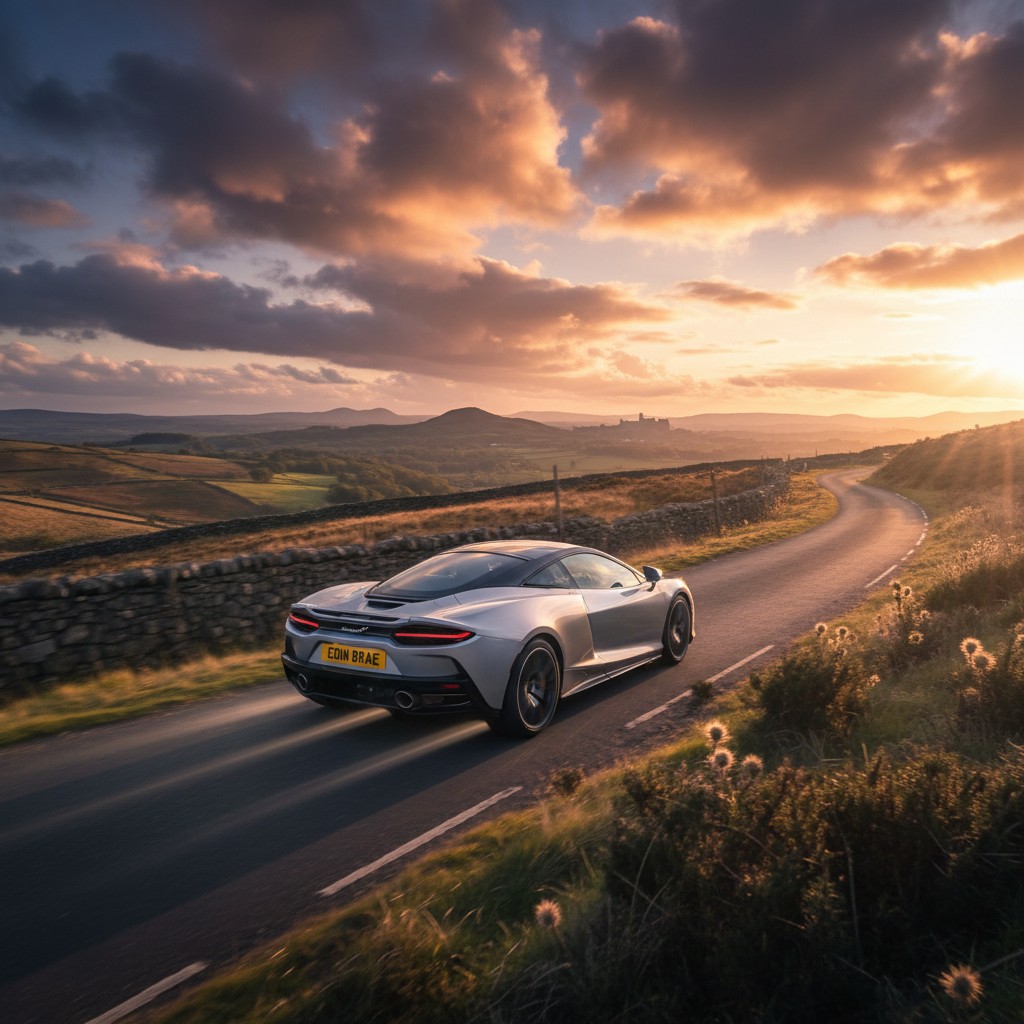
Forget the horsepower wars, at least for a moment. While big numbers still grab headlines, there's a fascinating undercurrent in the automotive world right now – a palpable shift towards a more holistic definition of performance. It’s not just about how quickly you can hit 60 mph, but how alive a car makes you feel when you’re pushing its limits, whether on a greasy B-road or a perfectly sculpted apex at Brands Hatch.
The Fine Art of the Drive: Dynamics Reign Supreme
We’ve seen some incredible machinery emerge recently. Take the new Ferrari Purosangue, for instance. A Ferrari SUV? The very idea used to make purists shudder! Yet, with a new Handling Speciale package, Ferrari is tweaking suspension calibration to reduce body roll by a claimed 10%. That’s a clear signal they understand what truly matters: keeping that multi-ton behemoth feeling agile and responsive, allowing the driver to exploit its formidable power. They’re even exaggerating gearchanges – a nod to the visceral, tactile feedback that enthusiast drivers crave.
This focus on engagement extends beyond the exotic. Think about M-Sport's future in the WRC. According to Autosport, their collaboration with Ford continues to evolve, constantly pushing the boundaries of rally car dynamics. These machines aren't just fast; they're incredibly finely tuned instruments, built for drivers to extract every last ounce of performance from treacherous surfaces. That's the art of driving Dynamics perfected!
Electric Thrills and Accessible Performance
And what about the electric revolution? It's easy to get lost in the stats, the instant torque, the silent speed. But Formula E, as Autosport highlights, is committed to keeping the ‘biggest asset’ of its races for the Gen4 era: the raw, close-quarters racing. With 800+bhp and permanent all-wheel drive, the Gen4 Formula E car promises ballistic acceleration, yes, but the continued focus on exciting racing suggests they understand that engagement is key. It’s about the battle, the driver skill, and the spectacle, not just a drag race.
Then there’s the discussion around more accessible performance. Citroën, for example, is looking to bring back the spirit of the 2CV with a sub-£15k EV. While not a performance car in the traditional sense, this move echoes a broader desire to put driving joy back into the hands of more people. If they can imbue that car with some clever, engaging chassis tuning, even at lower speeds, that's a win for driving dynamics. It's about 'buying power' for Europe, as Autocar reports, but also about making motoring enjoyable again.
The Track Day Evolution
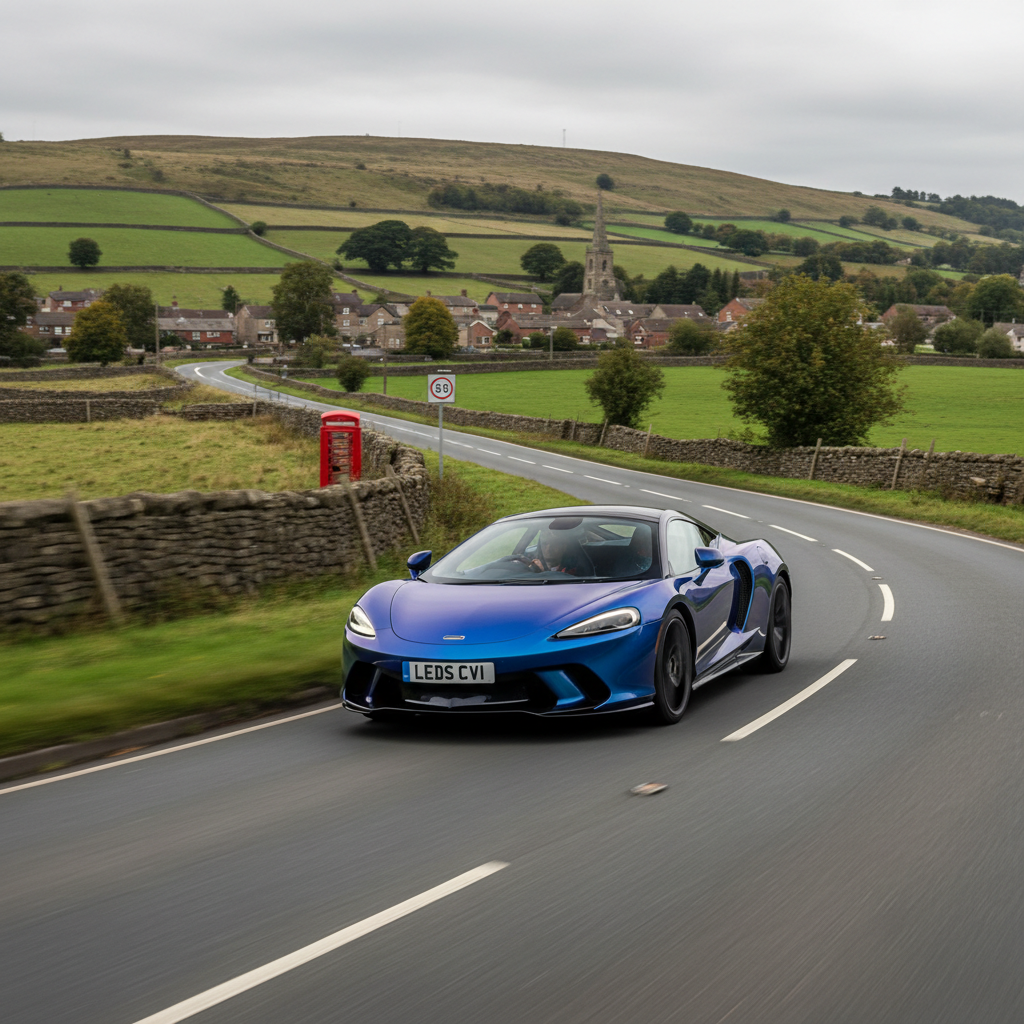
Our track days are evolving too. Trackdays.co.uk notes that the future of performance motoring can still be thrilling and innovative. And Evo Magazine's track car experts highlight the McLaren 765LT, praising its hydraulically-assisted power steering for its transparent, confidence-inspiring feel – a vital characteristic for truly connecting with a car on the limit. It’s not just about the outright pace, but the feedback, the ability to feel every nuance of grip as you push harder. FastestLaps.com provides a treasure trove of data, but it’s the qualitative experience of those lap times that truly matters.
Even the rugged, no-nonsense Ineos Grenadier, as Autocar experienced in a 'Life with the Grenadier' feature, offers a different kind of driving satisfaction. It's about robust capability and feeling connected to the terrain, a performance metric all its own.
The Porsche-Rimac Realignment: A Focus Shift?
Interestingly, the news of the Porsche-Rimac split, as reported by Autocar, might indicate a subtle redirection. While Rimac is at the bleeding edge of electric hypercar technology and insane power figures, Porsche is a brand built on sublime driving dynamics. Perhaps this separation allows both to sharpen their focus: Rimac on ultimate, electrifying speed, and Porsche on refining that distinctive, engaging feel that has defined their sports cars for decades. It's a blow for European automotive innovation in some respects, but it could also signify a more concentrated path for performance development.
Key Takeaways:
- Engagement over Raw Numbers: The industry is increasingly prioritising driver feedback and dynamic purity.
- Electric Potential: Next-gen EVs like Formula E’s Gen4 are proving that electric power can deliver serious, engaging performance.
- Accessible Thrills: Expect to see more focus on making driving enjoyment available across a wider range of vehicles.
- Motorsport Matters: WRC and MotoGP continue to be crucial testbeds for pushing dynamic boundaries.
So, what does this all mean for us, the enthusiast drivers? It means the future is incredibly exciting. Whether it’s the razor-sharp handling of a new track-day special, the ballistic acceleration of a next-gen EV, or the planted feel of a high-performance SUV defying physics, the quest for that perfect, engaging drive is stronger than ever. The cars might be changing, the power sources evolving, but the visceral thrill? That’s here to stay. And that, my friends, is something to genuinely get excited about.