

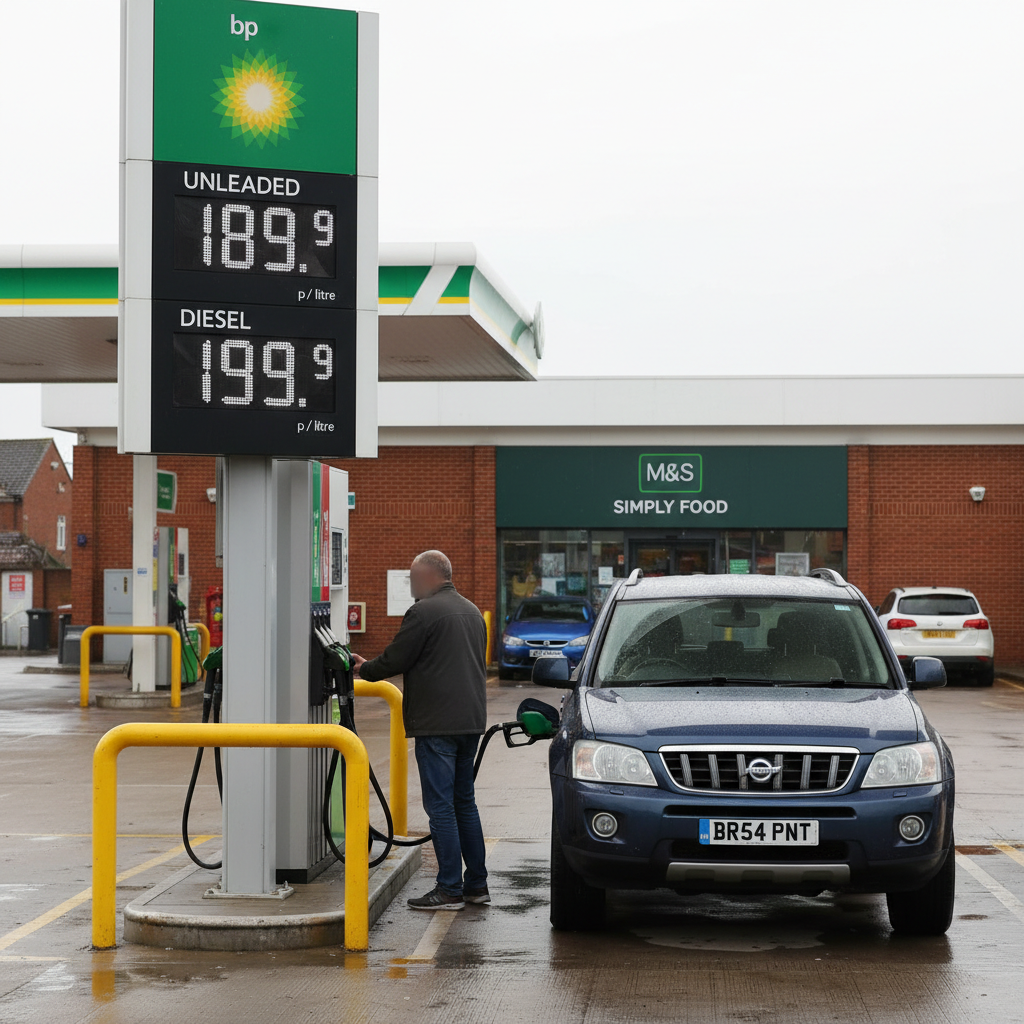
For years, the advice handed to motorists preparing for a long journey was simple: avoid motorway service stations, shop around locally, and you will generally secure a fair deal. However, today’s live fuel market data paints a far more complex picture. The traditional, smooth spectrum of fuel pricing has vanished, replaced by a rigid, three-tier "pricing caste system" that can penalise the unwary driver to the tune of £34.65 on a single 55-litre fill-up.
Our latest analysis of 500 fuel stations across the UK reveals an average unleaded price of 176.96p per litre. Yet this average is highly deceptive. In reality, the market has fractured into three distinct pricing zones. Understanding which of these tiers your local station belongs to is now the single most powerful tool for keeping your household budget intact.
Anatomy of the Three-Tier Fuel Market
By categorising today’s live retail data, we can clearly see how major brands have sorted themselves into distinct pricing bands. Here is how the UK pump market breaks down today:
| Retailer | Average Price (p/Litre) | Market Tier | Cost to Fill (55L Tank) |
|---|---|---|---|
| Karan Retail | 142.53p | Tier 1: Value Vanguard | £78.39 |
| JET | 166.81p | Tier 2: Corporate Mid-Market | £91.75 |
| Motor Fuel Group (MFG) | 167.85p | Tier 2: Corporate Mid-Market | £92.32 |
| SGN | 170.10p | Tier 2: Corporate Mid-Market | £93.56 |
| Tesco | 186.55p | Tier 3: Premium Outliers | £102.60 |
| Rontec | 190.15p | Tier 3: Premium Outliers | £104.58 |
| Moto | 195.62p | Tier 3: Premium Outliers | £107.59 |
Tier 1: The Value Vanguard (136.9p – 145.0p)
At the bedrock of the market sit agile operators like Karan Retail, averaging an incredibly wallet-friendly 142.53p per litre. The lowest recorded price in our data today is a staggering 136.90p. Retailers in this tier operate on thin margins, leveraging high-volume turnover to keep prices low. For savvy drivers, finding a Tier 1 station is the ultimate goal, saving over £24 per tank compared to the national average.
Tier 2: The Corporate Mid-Market (165p – 175p)
This is where the bulk of independent networks and regional brands reside, such as JET (166.81p), Motor Fuel Group (167.85p), and SGN (170.10p). These stations offer a fair, middle-ground price that closely tracks wholesale movements. While not quite offering the bargain pricing of Tier 1, they represent a safe, acceptable option for daily driving without major markups.
Tier 3: The Premium Outliers (185p – 199.9p)
This is where today’s data offers its most shocking revelation. Motorway service operators like Moto (averaging 195.62p, with a peak of 199.90p) have always been expensive. However, they are now being joined in the high-price bracket by major estate operators like Rontec (190.15p) and, most surprisingly, supermarket giant Tesco at 186.55p. This "premium creep" means drivers who blindly trust the weekly supermarket run for their fuel are falling into a costly trap, paying up to £102.60 to fill a family car. You can read more about this phenomenon in articles such as The Motorway Mirage, which discusses how the fuel premium is no longer confined to the M-Way.
The Economics of the Caste System
Why has the market split so aggressively? According to fuel industry analysts, it comes down to a shift in retail strategy. While Tier 1 independent retailers use rock-bottom fuel prices as a loss-leader to get drivers onto their forecourts, Tier 3 operators are focusing heavily on convenience.
Supermarkets and large roadside operators are increasingly relying on "lazy loyalty" — the assumption that drivers will pay a premium for the convenience of one-stop shopping. When Tesco averages 186.55p while independent groups like Karan Retail sit more than 44p cheaper, the traditional hierarchy of cheap supermarket fuel is completely inverted. This trend is further explored in The Supermarket Sell-Out: How Grocery Giants Lost Their Fuel Price Crown to Local Heroes, highlighting the shift in pricing power.
Key Takeaways for Savvy Drivers
- The Supermarket Myth is Dead: Never assume supermarket pumps are the cheap option. Currently, Tesco averages 44p per litre higher than top independent value brands. Our previous analysis, The Supermarket Premium: Why Your Weekly Shop is No Longer the Cheapest Place to Fuel Up, delves deeper into this costly trap.
- Identify Your Local Tier: Map the stations on your daily commute. If your local is averaging over 180p, you are stuck in Tier 3. A 10-minute detour to a Tier 1 or Tier 2 station could save you £15 to £24 per tank.
- Avoid the Peak-Oil Premium: The difference between today's lowest pump price (136.90p) and highest (199.90p) is 63.00p. That is a £34.65 penalty for using the wrong pump.
- Use Independent Brand Loyalty: Look out for smaller regional chains and independent groups like Karan Retail, which are currently driving the most aggressive price drops.
The Verdict
The UK fuel market is no longer a level playing field where prices vary by just a few pence. It is a highly fragmented landscape where corporate giants are testing the limits of what drivers are willing to pay, while smaller, agile operators are offering genuine relief to working-class household budgets.
The actionable advice for today is clear: break the habit of autopilot filling. Check the numbers, avoid the Tier 3 premium traps, and cast your vote for fairer pricing by taking your business to the Value Vanguards who are actively keeping costs down.