

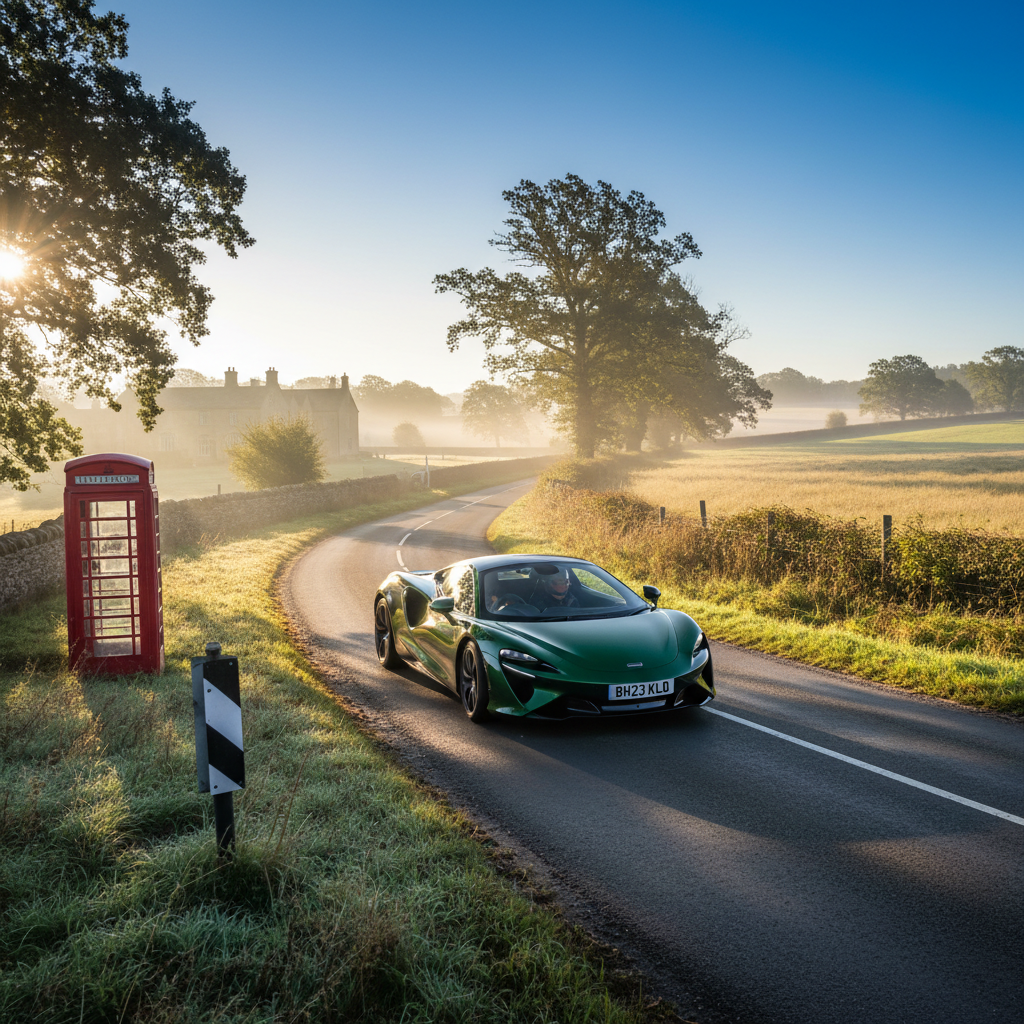
Alright, petrolheads, buckle up! It’s easy to get lost in the noise of new models and endless spec sheets, but let’s talk about what truly matters: that visceral, heart-thumping connection between driver and machine. This week, we’ve seen a flurry of activity across the motorsport world, from MotoGP development battles to emerging talent in GB3, and it got me thinking: how much of that cutting-edge, adrenaline-soaked engineering filters down to the cars we crave?
Take the MotoGP paddock, for instance. Ducati, fresh off a dominant win at Jerez, were straight back at it, not just with aero tweaks but with a new swingarm and other composite parts, as Autosport.com reported. Aprilia, too, were pushing hard, with a 1-2-3 in the test, showcasing new aero packages. This isn’t just about shaving tenths; it’s about understanding the very limits of grip, weight transfer, and aerodynamic efficiency. When you see a prototype Desmosedici with unpainted experimental bits, you’re looking at the future of vehicle dynamics, even if it's two wheels rather than four.
And what about the impact on our road cars? Mercedes, bless their hearts, are finally listening to drivers, reintroducing some physical buttons alongside those massive screens, as Autocar.co.uk noted. It’s a small win, but it speaks volumes about the importance of tactile feedback and driver focus – something that motorsport, with its minimalist, purpose-built cockpits, understands implicitly. You won’t find a touchscreen mediating a corner exit in a Formula 1 car, and there’s a lesson there for our hyper-connected road machines.
Speaking of Formula 1, the upcoming changes to the 2026 technical rules, set to debut in Miami, are fascinating. Autosport.com highlighted that these are designed to allow drivers to push harder in qualifying and reduce speed differentials during wheel-to-wheel duels. This quest for closer, more engaging racing directly translates to a demand for cars that are more communicative, more responsive, and ultimately, more rewarding to drive. We want the car to egg us on, to shrink the track, not to mask its true capabilities.
Then there's the raw, unadulterated talent bubbling up through the ranks. Nikita Bedrin's performance in the GB3 Championship opener at Silverstone, winning twice from pole, according to Autosport.com, is a testament to the pursuit of perfection that starts early. That kind of 'scintillating speed' isn't just about raw power; it's about chassis balance, aerodynamic grip, and a driver's ability to extract every last ounce of performance.
The Road to Performance Nirvana
So, what does this mean for us, the enthusiasts who live for that perfect apex? It means the future of performance cars is still incredibly exciting. As Trackdays.co.uk aptly puts it, despite the changing landscape, the future of performance motoring can still be thrilling, innovative, and deeply rewarding.
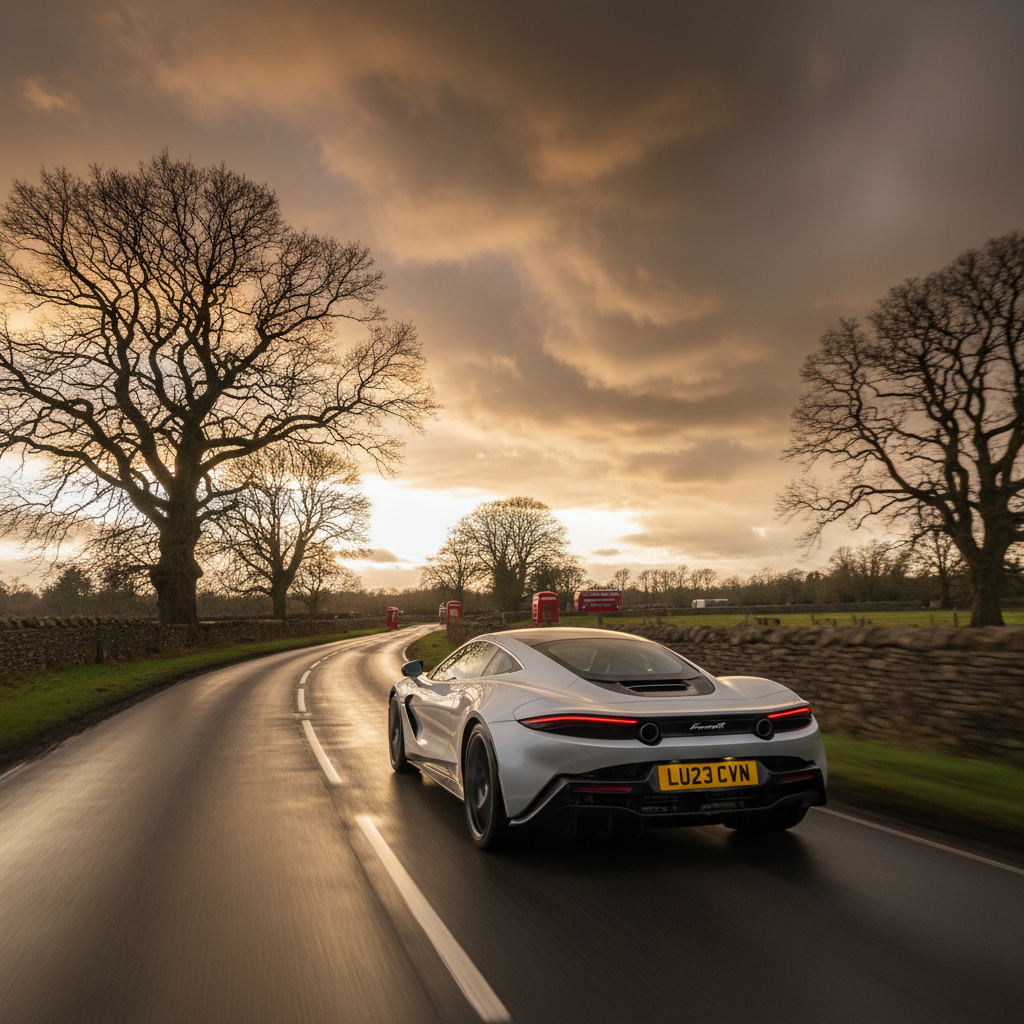
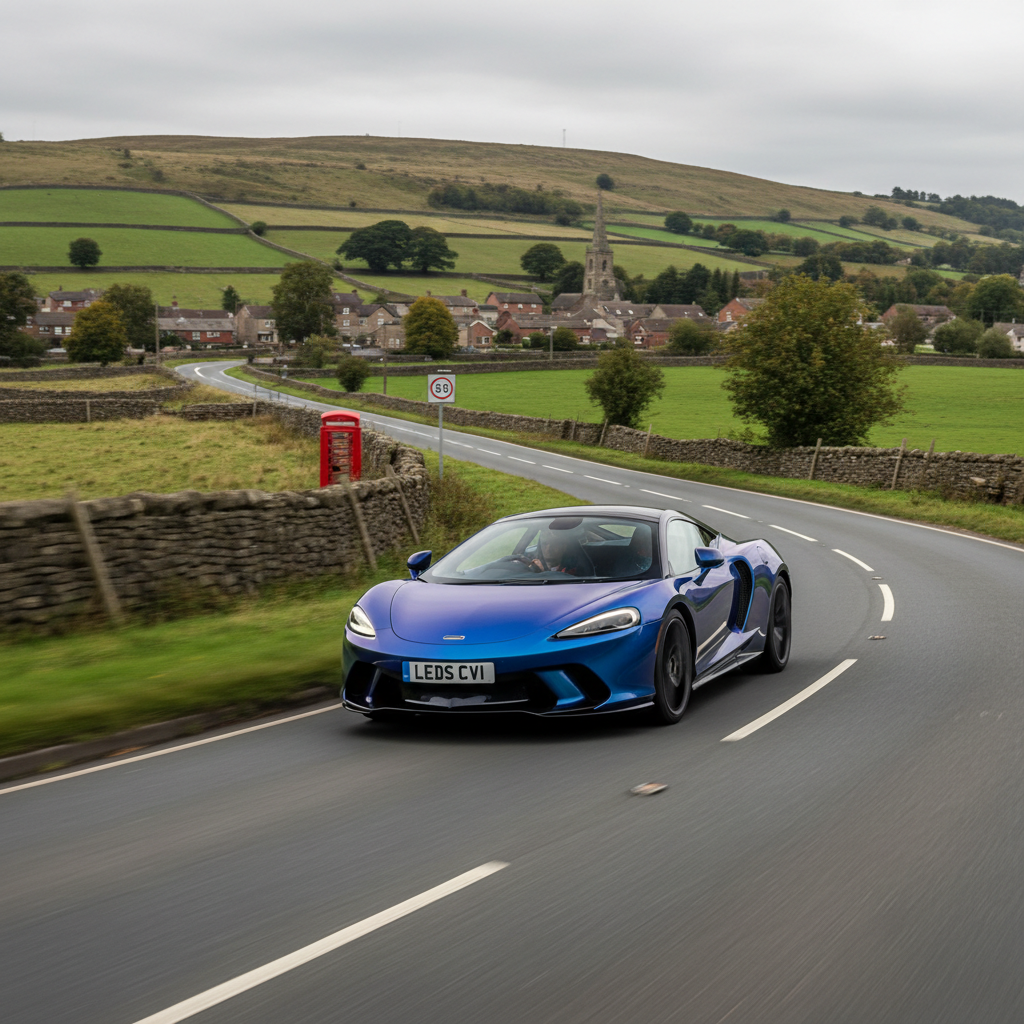
We're seeing a push for ever-more engaging machines. Whether it's the sheer ballistic speed of a McLaren 765LT, whose hydraulically-assisted power steering delivers transparent and confidence-inspiring feel (Auto Express), or the unapologetic cornering prowess of an Audi R8 V10+ GT3 race car (Everyman Driving Experiences), the focus remains on driver involvement.
When you get behind the wheel of something truly special, like the Bentley Continental GT S with its V8 PHEV powertrain and Speed chassis, as reviewed by Autocar.co.uk, you feel that blend of engineering brilliance and driver-centric design. While it might not be a track slayer in the same vein as an Aston Martin Valkyrie – the 'jaw-dropping British hypercar created to deliver the ultimate in outright performance' imagined by Adrian Newey (Autocar.co.uk) – it still needs to be engaging.
And let's not forget the glorious sound of a V12. Autocar.co.uk's recent comparison of Ferrari and Lambo V12 monsters reminds us that some traditions are worth preserving. That primal scream, that surge of power – it’s an emotional connection that transcends mere numbers. But even with electric power on the rise, the fundamental principles of driving dynamics, body control, and responsive power delivery remain paramount. The electric supercar experience, with its seamless acceleration of cutting-edge electric performance
(Trackdays.co.uk), simply finds new ways to deliver that thrill.
The lessons learned in the white-knuckle world of WRC, where Hyundai is currently struggling to find answers to its performance woes (Autosport.com), are equally relevant. The quest for traction, the precise calibration of suspension geometry, the delicate balance between power and control – these are universal truths for any performance vehicle, whether it’s battling on a gravel stage or carving up a B-road.
Key Takeaways for the Performance Enthusiast:
- Driver Engagement is King: From F1 rule changes to the return of physical buttons in road cars, the focus is shifting back to the driver's connection with the machine.
- Tech from Track to Tarmac: Motorsport innovations in aero, chassis, and power delivery are constantly inspiring and influencing road car development.
- Performance is Evolving, Not Ending: Whether it's a screaming V12 or silent electric propulsion, the pursuit of thrilling dynamics continues unabated.
- Haptics Matter: The importance of tactile feedback, whether through steering, pedals, or physical controls, is being recognised again.
So, as the world of motoring continues its frantic pace of innovation, one thing remains constant: the insatiable human desire for speed, precision, and that exquisite, sometimes terrifying, feeling of being truly at one with a powerful machine. The best performance cars aren't just fast; they're an extension of your will, translating every input into an immediate, thrilling response. And that, my friends, is what we live for.