

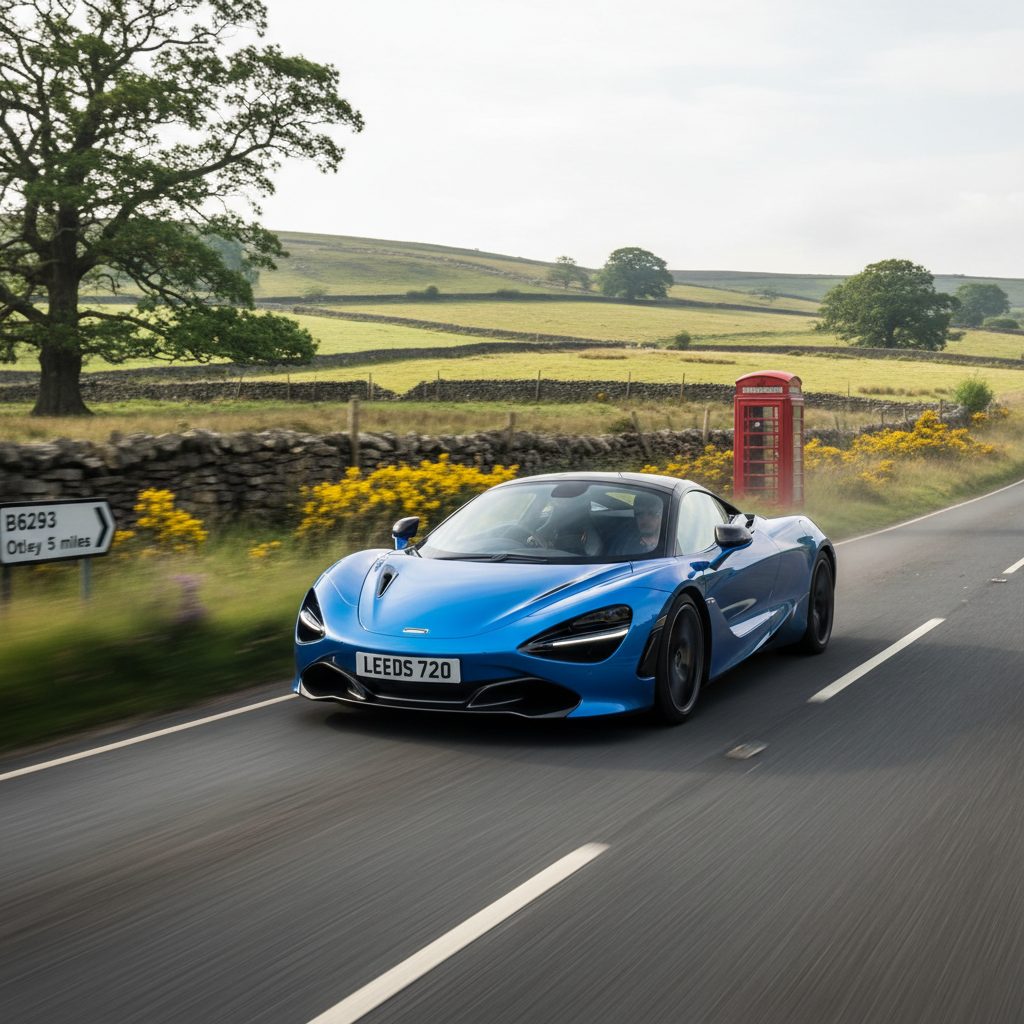
Forget the boardroom battles and the endless spec sheets for a moment. Let's talk about the raw, visceral thrill of competition. What we witness on the world's most demanding circuits and rally stages isn't just entertainment; it's the ultimate proving ground for the very dynamics we crave in our road cars. And this week, the action has been absolutely electrifying, giving us a tantalising glimpse into the future of performance.
Spa's Shockwave and the Engineering Behind the Win
The World Endurance Championship at Spa delivered a genuine shockwave. Who expected Peugeot, with their distinctive 9X8, to snatch a maiden pole position? According to Autosport, Malthe Jakobsen pulled it off, edging out the Cadillac V-Series.R by a mere 0.043 seconds!
Think about that for a moment: 0.043 seconds. That's the kind of margin that speaks volumes about razor-sharp engineering, driver precision, and the relentless pursuit of every fraction of a second. Jakobsen, after a hairy spin at Raidillon on his out-lap – a testament to pushing the absolute limits – composed himself and delivered. That's true grit!
This isn't just about a fast lap; it's about a car's inherent balance, its aerodynamic efficiency, and the responsiveness of its power delivery. For Peugeot to achieve this against established giants like Toyota and Ferrari, as Autosport noted, highlights a breakthrough in their package. The lessons learned from optimising that 9X8 for ultimate pace around Spa's legendary corners will undoubtedly filter down. Imagine that level of chassis refinement and powertrain integration making its way into future performance models – that's the exciting part!
WRC's Brutal Ballet: Hyundai's Dominance and Tyre Tactics
Meanwhile, in the mud and gravel of Rally Portugal, we saw another masterclass in driving dynamics. Hyundai's Adrien Fourmaux reclaimed the lead, outmanoeuvring overnight leader Oliver Solberg, as reported by Autosport. Rallying, as I've always said, is the purest form of performance driving. It's about adaptability, mechanical sympathy, and ultimately, grip.
Speaking of grip, Autocar recently highlighted how the 'wrong' tyres can sabotage a car's MPG. While their focus was on economy, it underscores a fundamental truth for us performance enthusiasts: tyres are absolutely crucial. In rallying, the difference between winning and losing often comes down to tyre choice and management. Fourmaux's strong pace wasn't just down to horsepower; it was a symphony of suspension, differential setup, and how perfectly his Hyundai was communicating its limits through the steering wheel.
F1's Evolving Landscape: Power Units and the Pursuit of Parity
Even in Formula 1, the discussions around future regulations for 2027, including tweaks to power unit development, as detailed by Autosport, directly impact the technology we'll see trickle down. The FIA's 'ADUO' system, designed to help manufacturers like Honda catch up, ensures a competitive field. This relentless drive for efficiency and power density in F1's hybrid powertrains is a goldmine for future road car innovation. We're talking about advancements in energy recovery and combustion efficiency that will inevitably make our performance cars punchier and more engaging.
The McLaren Factor: Driver Talent and Hypercar Ambitions
And let's not forget the sheer talent pool in motorsport. Laurens Vanthoor joining McLaren's 2027 WEC programme, while remaining under contract with Porsche – as reported by Autosport – is a fascinating move. It speaks volumes about the value of top-tier drivers in developing these incredibly sophisticated machines. McLaren, a name synonymous with hypercars and track prowess, is clearly doubling down on their WEC efforts. The engineering and driver feedback from a program like this will inevitably influence the next generation of McLaren's road-going monsters. When Autosport and Evo talk about cars like the McLaren 765LT, they praise its confidence-inspiring hydraulically-assisted power steering—a direct descendant of this racing DNA. That's the kind of tactile feedback we crave, the kind you only get when engineers are pushing the absolute limits.
The Thrill Factor: More than Just Spec Sheets
For us, the enthusiast drivers who live for that perfect apex, the responsive throttle, and the planted feel through a fast corner, these developments are a promise. A promise that the cars of tomorrow will continue to deliver that unique blend of raw power and sophisticated handling. Whether it's the high-speed grip of a WEC prototype or the controlled aggression of a WRC car, the lessons learned are invaluable.
The motoring landscape is undoubtedly changing, but as Trackdays.co.uk points out, the future of performance motoring remains thrilling, innovative, and deeply rewarding. From the Evo Leaderboard showcasing the fastest lap times to the sheer exhilaration of a 612bhp car like the Evo-tested GT3-pace challenger, the pursuit of driving perfection is alive and well.
Key Takeaways:
- Motorsport as a Testbed: WEC and WRC are crucial proving grounds for road car technology and driver skill.
- Marginal Gains, Big Impact: Every fraction of a second gained on track translates to better road car dynamics.
- Tyres are King: The right rubber transforms a car, from fuel economy (Autocar) to outright race pace.
- F1 Innovation: Power unit regulations drive technological advancements that benefit all performance vehicles.
- Driver Feedback is Gold: Top-tier racers are invaluable in refining a car's handling and feel.
Ultimately, the thrill of the chase – whether it's for a WEC pole, a WRC stage win, or the perfect lap time on a track day – is what continually refines and elevates the performance cars we get to drive. It's a continuous feedback loop where competition makes our road cars punchier, more responsive, and utterly engaging. And for that, we can all be grateful.