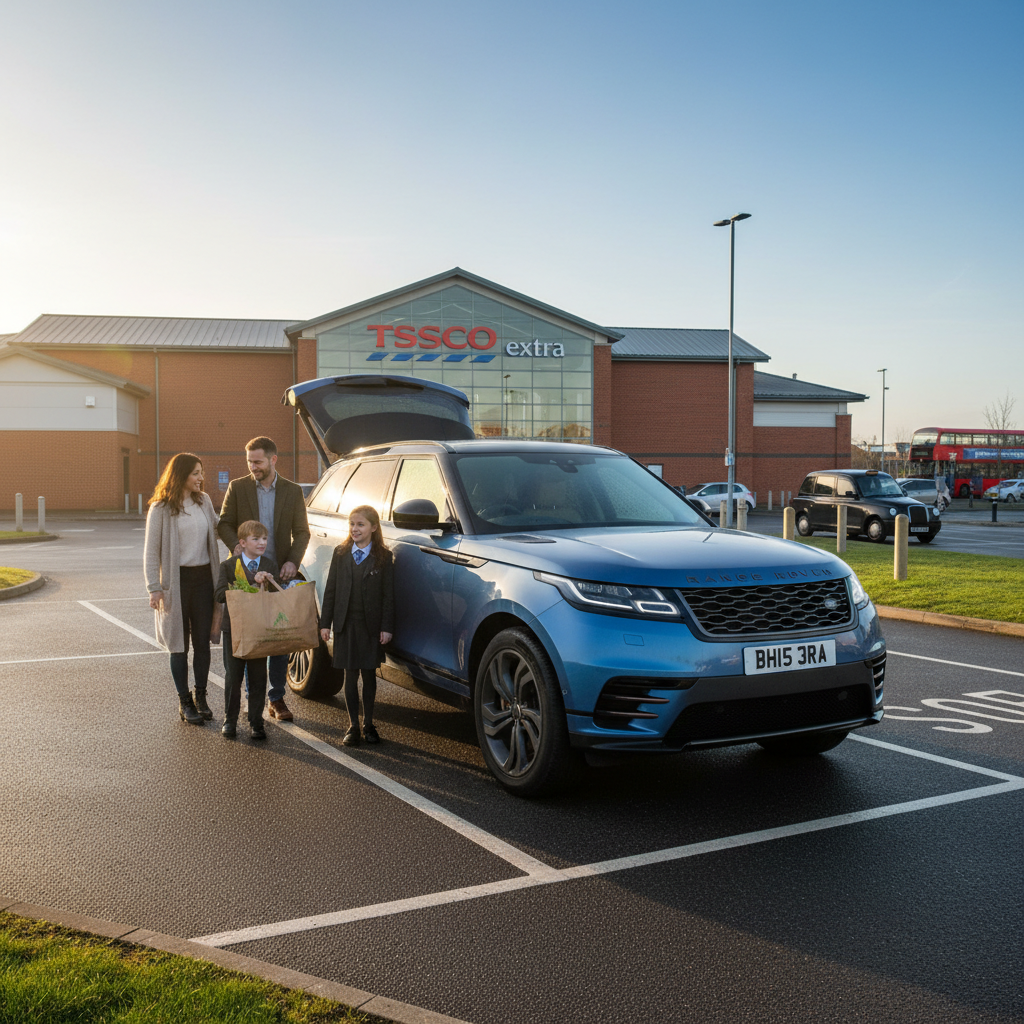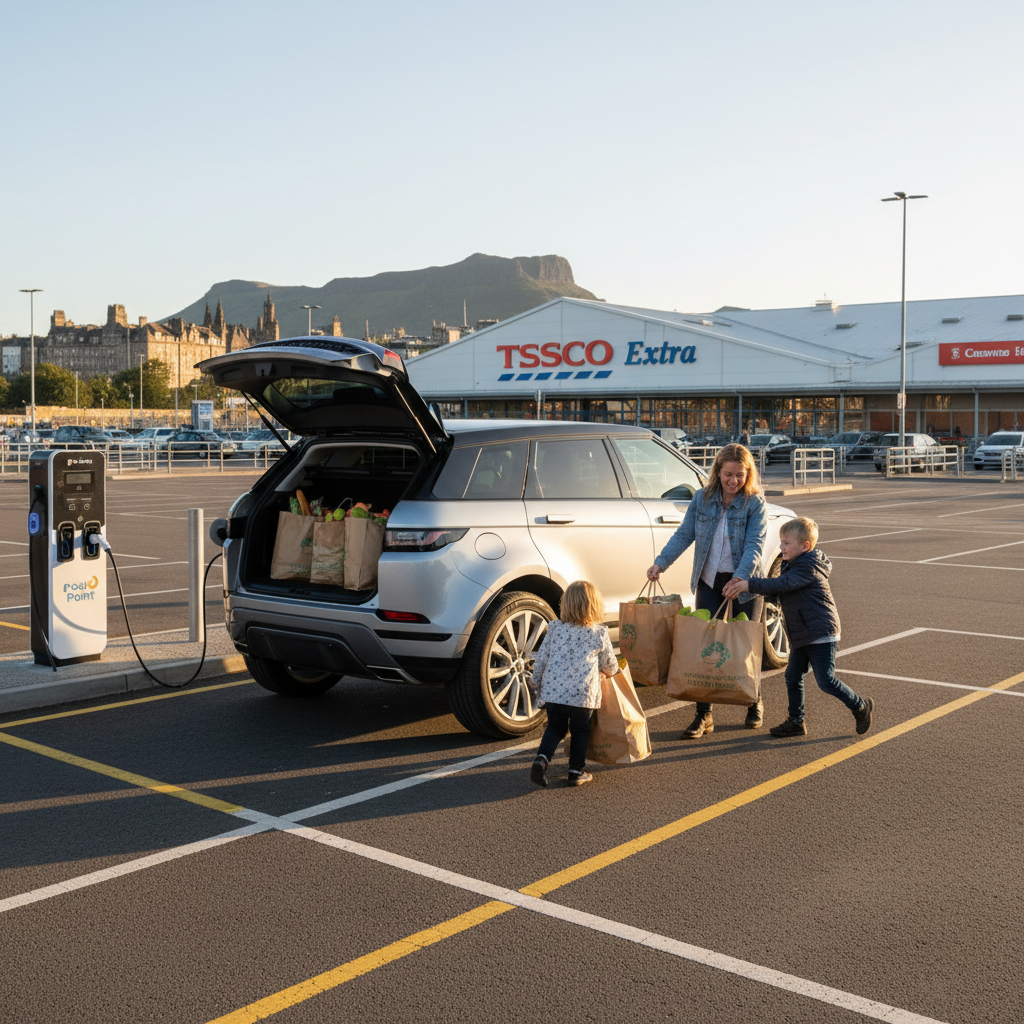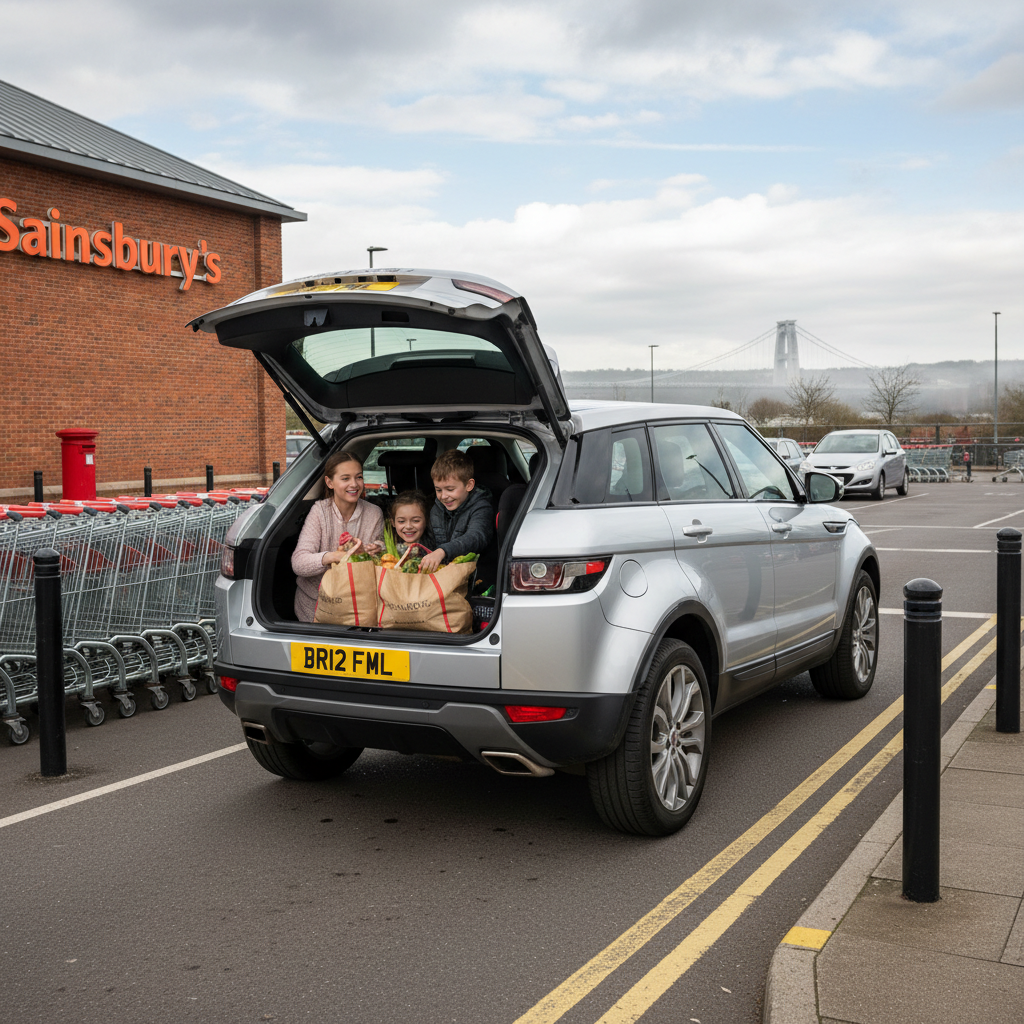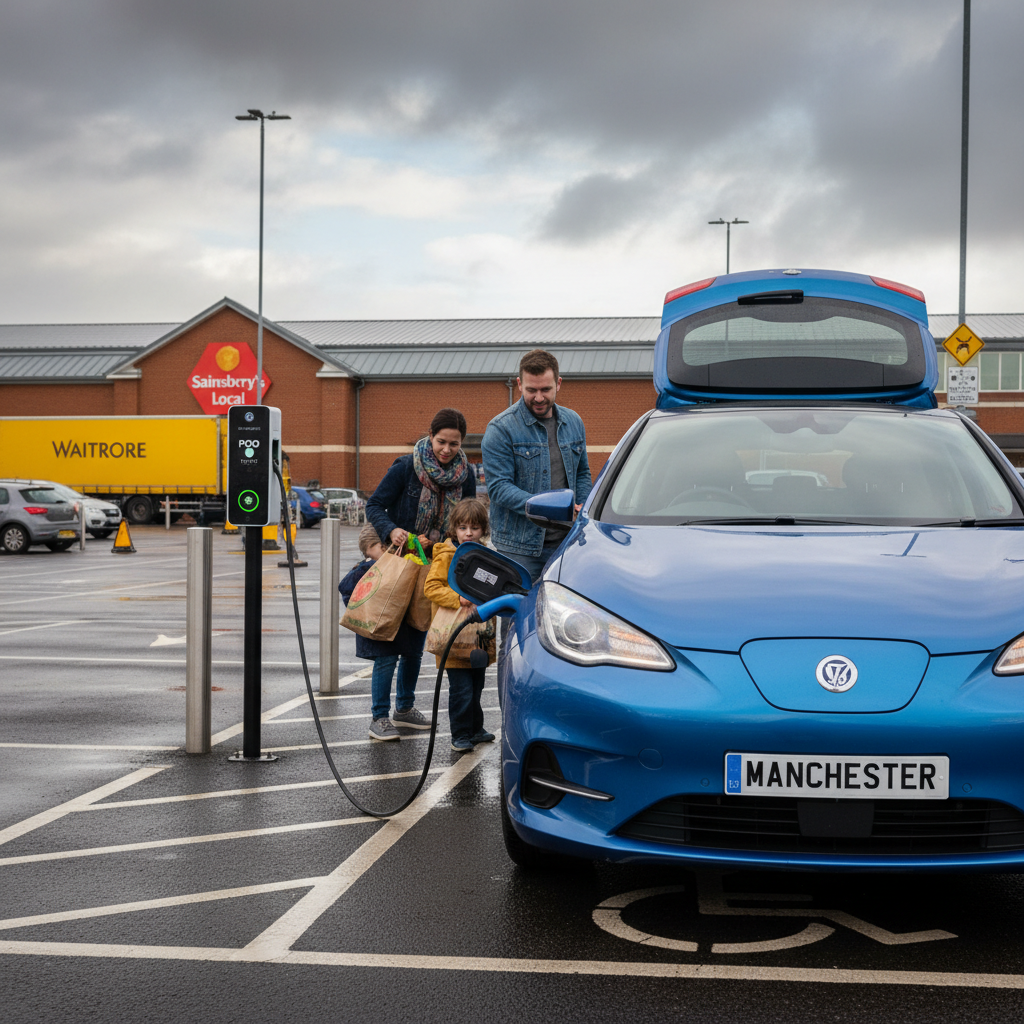


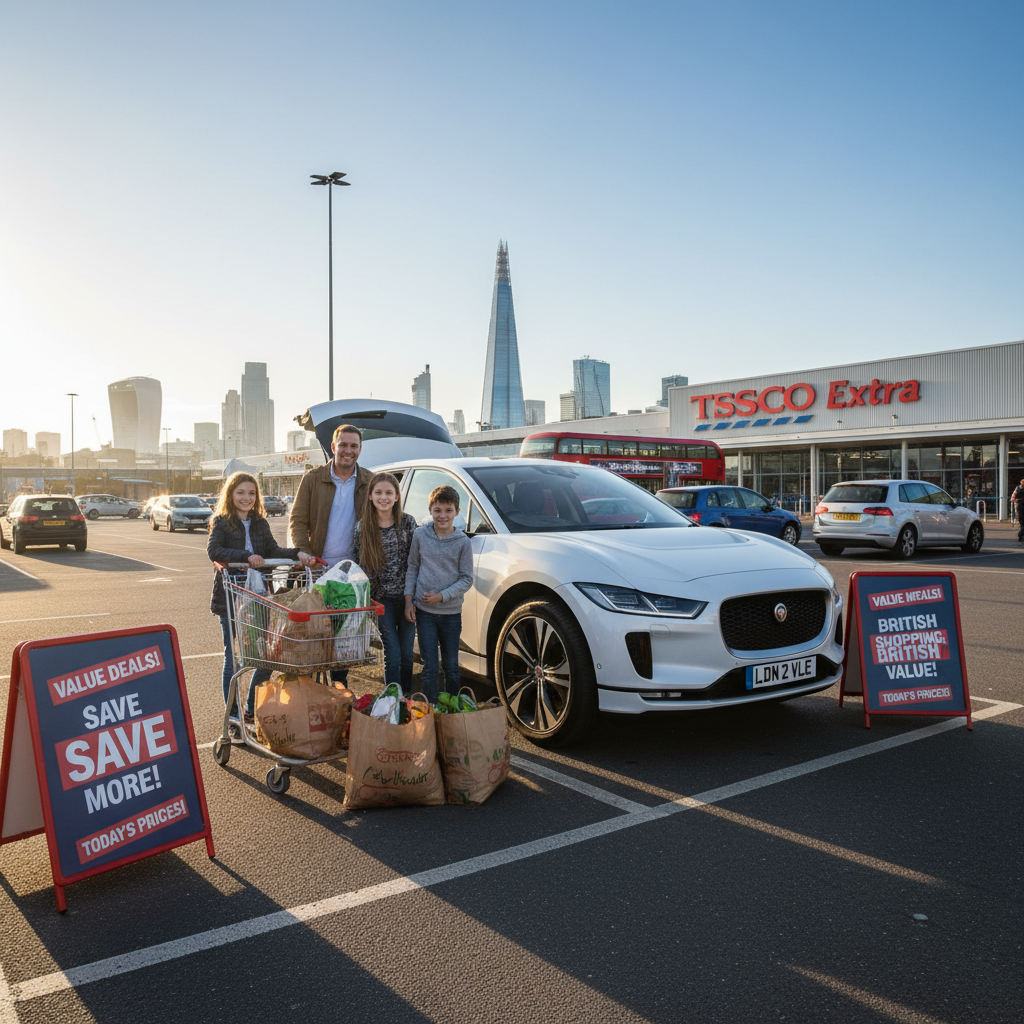
Picture the scene. It is 8:15 on a damp Tuesday morning. You are trying to wedge your car into an impossibly tight space near the school gates, the kids are screaming over who gets the middle seat, and the petrol gauge is dropping like a stone. For most of us, real family motoring has absolutely nothing to do with zero-to-sixty times or track-day handling. It is about whether you can fit three booster seats across the middle row, how easily the buggy slides into the boot, and how much cash is left in your account at the end of the month.
For years, switching the family wheels to electric has been a massive compromise. You either mortgaged your house for something absurdly expensive, or squeezed everyone into an EV that was simply too small for real, chaotic life. For my money, the market is finally growing up. It is splitting into two sensible camps: cheap, cheerful city runarounds for the daily school run, and giant, multi-seat cruisers designed for weekend getaways.
The Budget-Stretching Second Car: Fiat’s School-Run Revolution
If you have kids, you know how handy a small second car can be. Whether you are running to nursery, Nipper’s football practice, or fighting for a tight spot at the supermarket, you want something nimble, cheap, and dead easy to park on a kerb. This is where the latest UK pricing news actually makes financial sense for hard-pressed households. We don't need track speeds; we just need to get the weekly shop home without fuss.
According to reports from electrive.com, Fiat has slashed the entry price of its stylish 500e. They are offering a manufacturer-backed £3,750 grant of their own, bringing the price of the Fiat 500e down to just £17,245. For a brand-new electric car with decent modern safety credentials, that is spectacularly cheap. It makes putting a clean, reliable EV on your driveway a realistic option.
Sure, it is cosy. You wouldn't want to pack three teenagers and a wet dog into the back of a 500e for a run to Cornwall. But as a town runaround, it is an absolute gem. It squeezes into tiny parking spaces, keeps your passengers safe with modern driver assists, and costs pennies to charge overnight on a cheap tariff. To be fair, keeping those short, stop-start school runs strictly tailpipe-emission-free is better for everyone.
The Multi-Seat Giants: Space Without Compromise
But a tiny hatchback is useless when it is your turn for the Saturday football carpool. Or when you are loading up the boot for a damp UK staycation. Historically, electric SUVs with proper, usable third-row seating have been few and far between, not to mention eye-wateringly expensive. Thankfully, the tide is finally turning for big families.
Luxury brands are finally building electric cars for parents who actually need proper seats. As reported by electrive.com, Mercedes-Benz has launched a long-wheelbase version of its electric GLC, offering proper five- and six-seat layouts. It is launching in China first, but it represents a massive leap forward in how carmakers are utilising flat EV cabin floors to design cars that actually fit real people, giving busy families the legroom they actually need.
Range Rover is also expanding its family fleet with the upcoming Range Rover GT. Built on the brand's new EMA platform, it is designed from the ground up to offer proper safety, a cavernous boot, and quiet, long-distance luxury. I reckon most parents would gladly swap fancy dashboard gadgets for a boot that actually fits a double buggy and three suitcases without a struggle.
More Miles, Less Stress: The Future of Family Trips
I know what many of you are thinking. "Emma, that all sounds lovely, but what about range anxiety when we go on holiday?" It is a completely fair point. No parent wants to be stranded at a grim motorway service station with tired, hungry children, waiting for a slow charger to drip-feed power into a flat battery.
But battery technology is improving behind the scenes. Fast. Battery specialist Sila has secured $300 million in funding to build next-generation silicon anodes. Forget the engineering jargon. What this means for you and me is simple: batteries that hold more juice in the exact same footprint, leading to longer driving ranges and much quicker stops at the plugs for the family cars of the near future. You will be back on the road before the kids have even finished their service station chips.
Prices are falling, too. Global manufacturers are feeling the pinch and are under pressure to make electric motoring realistic for families. Hyundai, for example, has just trimmed the price of its high-performance Ioniq 5 N in the US. Spot on. While that specific model is a track-focused toy, the trend of price cuts will eventually trickle down to the everyday crossovers we actually buy.
Key Takeaways for Practical Parents
- The £17k Second Car: Fiat’s £3,750 dealer discount drops the 500e to just £17,245. It is an absolute bargain for a safe, clean commuter to park on your driveway.
- More Seats on the Horizon: New platforms mean Mercedes-Benz and Range Rover can finally build electric cars with flexible five-, six-, or seven-seat layouts.
- Better Battery Tech: Big financial backing for silicon anodes means our next family cars will go much further on a single charge and top up faster.
- Falling Prices: Growing competition forces manufacturers to drop prices, saving you money on your next monthly finance deal.
The Verdict: Is It Time to Make the Switch?
If you have been holding off on buying an EV because they are too expensive or too small for active family life, things are finally looking up. Running an affordable, breezy town car like the Fiat 500e alongside a larger electric SUV for holidays makes perfect sense. In my book, the economics are finally on our side, making it easier than ever to save your monthly budget without sacrificing space.