


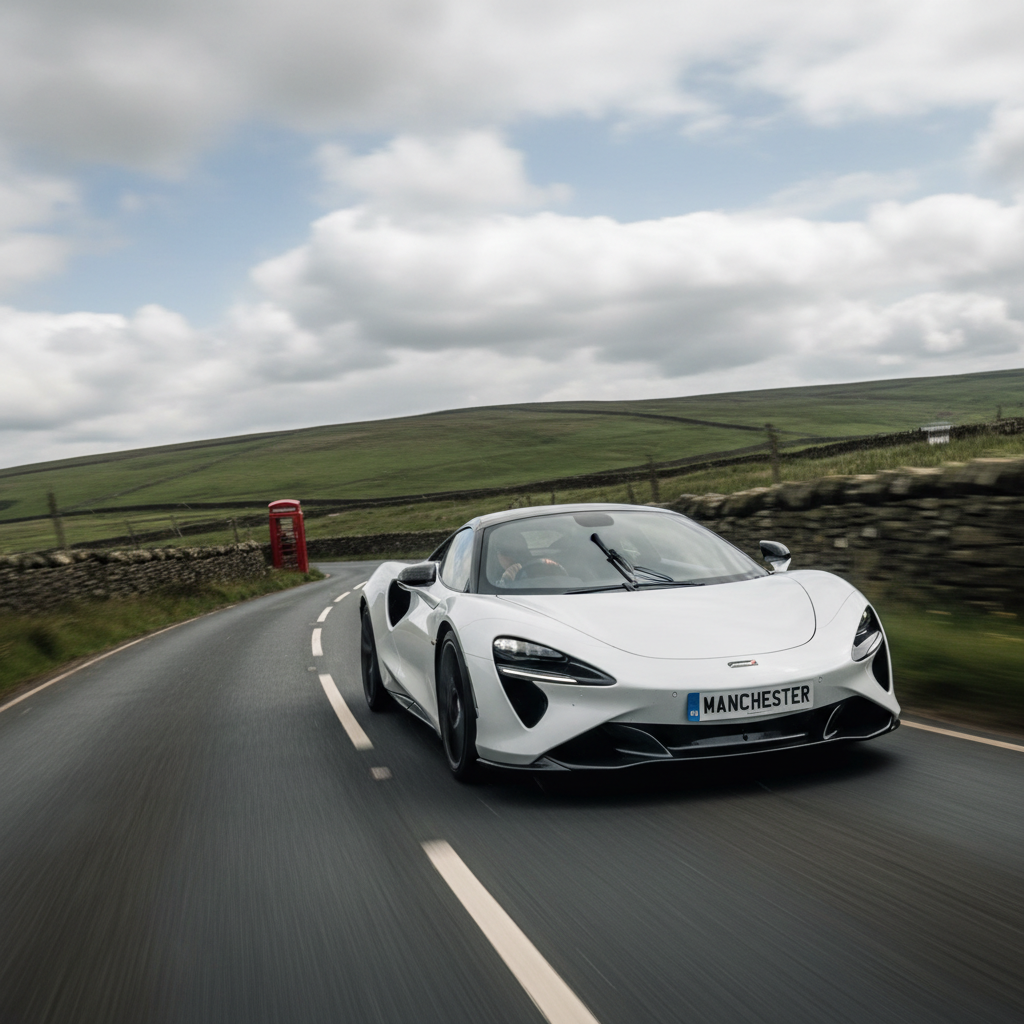
Alright, fellow petrolheads, let's talk about something truly fascinating that's been buzzing around the performance car world lately: the rise of the virtual gearbox in electric vehicles. Now, I know what some of you are thinking – 'virtual' and 'gearbox' in the same sentence sounds like heresy, a betrayal of everything we hold dear about mechanical engagement. But hear me out, because this isn't about simply mimicking an internal combustion engine; it's about enhancing the driving experience in ways that are genuinely groundbreaking.
Autocar picked up on this trend, highlighting how simulated sequential 'boxes, pioneered by Hyundai, are becoming the hottest new thing in high-performance EVs. And frankly, after strapping myself into a few of these, I’m starting to get it. When you’re dealing with the instant, ballistic torque delivery of an EV, which often leaves even the most potent V8 for dead in a straight line, the traditional single-speed reduction gear can sometimes feel… clinical. Clinical and perhaps, dare I say, a touch unengaging for those of us who live for that tactile connection with the machine.
The Art of the Fake Shift: More Than Just a Gimmick?
So, what exactly is a virtual gearbox doing? It’s not actually changing physical gears, of course. Instead, it’s using sophisticated software to create a sensation of gear changes, complete with simulated rev-matching, a subtle torque interruption to mimic a shift, and even a corresponding auditory cue. What does this achieve? For starters, it injects a level of driver interaction that’s been missing from many high-performance EVs. That feeling of hitting the perfect upshift or downshift, the subtle lurch, the responsive power delivery – it all adds up to a more visceral experience. It gives you something to do, something to master, beyond simply mashing the accelerator.
Consider the McLaren 765LT, a car praised by Auto Express for its hydraulically-assisted power steering, offering transparent and confidence-inspiring feel. That's the kind of feedback loop we crave. A virtual gearbox, in a different but equally crucial way, aims to replicate a similar engagement, giving the driver more control over the car's formidable power. It’s about managing that surge of power, not just unleashing it. We're talking about systems that can transform the instant 0-60mph sprint of an EV, making it feel less like a rollercoaster and more like a finely tuned instrument.
In a world where raw lap times are king – just look at the Evo Leaderboard for Anglesey, Bedford, and Blyton Park – driver confidence is paramount. And a virtual gearbox, by offering a familiar and engaging interface, can contribute significantly to that. It helps tame the beast, letting you meter out that immense power with greater precision, making the car feel more 'planted' and 'responsive' through a series of bends.
Beyond the Hype: Practical Performance
Now, is it for everyone? Perhaps not the absolute purists who believe if it doesn’t involve meshing cogs, it’s not real. But for the vast majority of performance enthusiasts, this is a genuine step forward in making EVs truly exciting. It’s not just about headline-grabbing horsepower (though EVs certainly have that in spades); it’s about the nuanced dialogue between driver and machine. It allows for a more dynamic power delivery, rather than one continuous surge. It offers a new dimension to track driving, where precise control over torque application can shave precious tenths off a lap time. According to Trackdays.co.uk, the future of performance motoring can still be thrilling, innovative, and deeply rewarding, and the virtual gearbox is a prime example of this.
Ultimately, the virtual gearbox isn't trying to replace the glorious mechanical symphony of a traditional performance car; it's carving out its own niche, offering a unique and compelling form of driver engagement for the electric era. And for those of us who live for the thrill of the drive, that's something worth celebrating.
Key Takeaways:
- Enhanced Driver Engagement: Virtual gearboxes introduce a tactile and interactive element to EV driving that was previously missing.
- Precision Power Delivery: Simulated shifts allow for more nuanced control over an EV's immense, instantaneous torque.
- Bridging the Gap: For enthusiasts, it offers a familiar and engaging interface, making the transition to high-performance EVs more appealing.
- Not a Gimmick: It's a genuine innovation in driver experience, not just a superficial imitation.
So, the next time you hear about a virtual gearbox, don't dismiss it. Get behind the wheel, feel the simulated 'shifts', and you might just find yourself grinning. Because in the world of performance, innovation, even when it's 'faking it', can truly make things better.