Motoring.Today
Back to reviews
3.9/5· Toyota

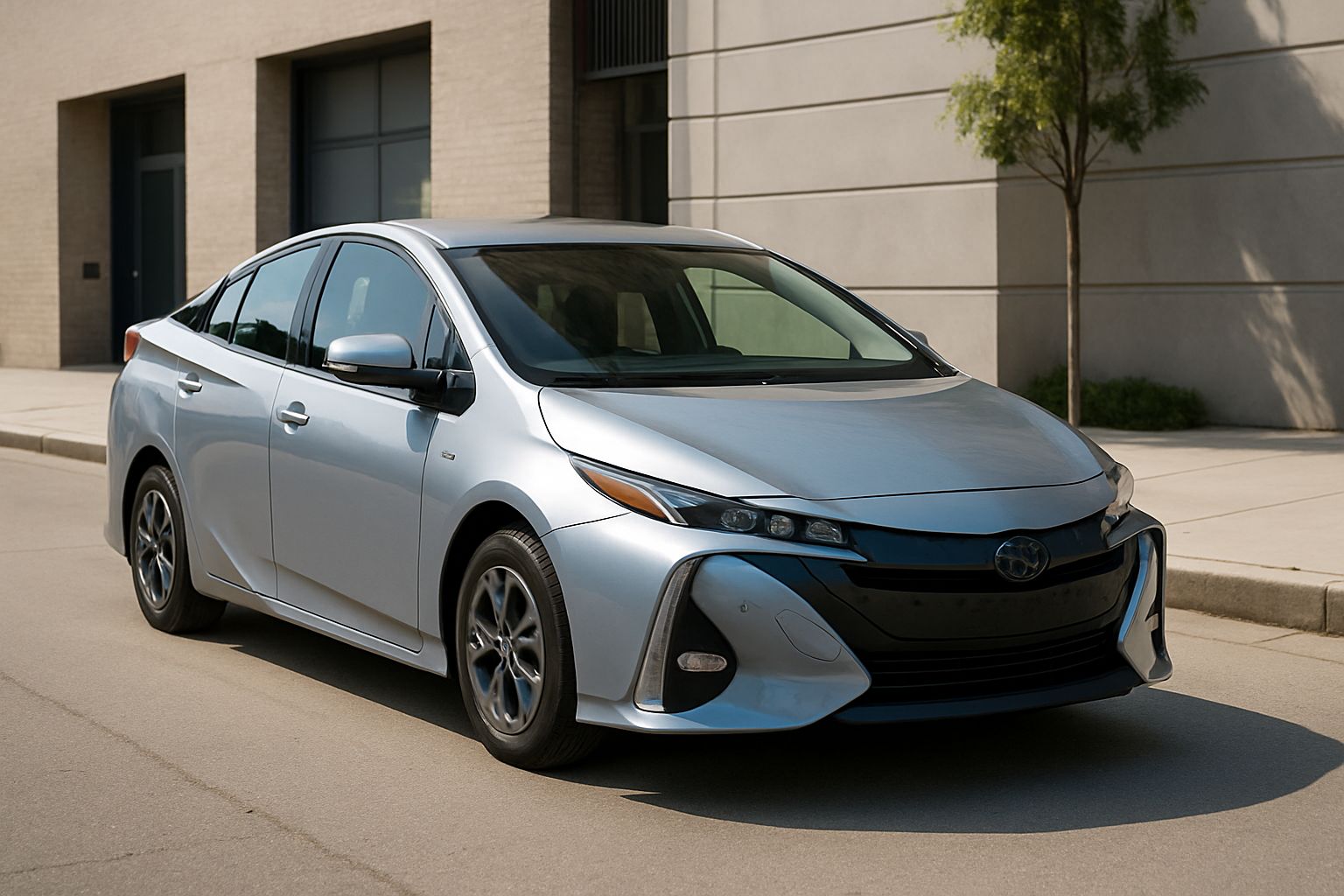
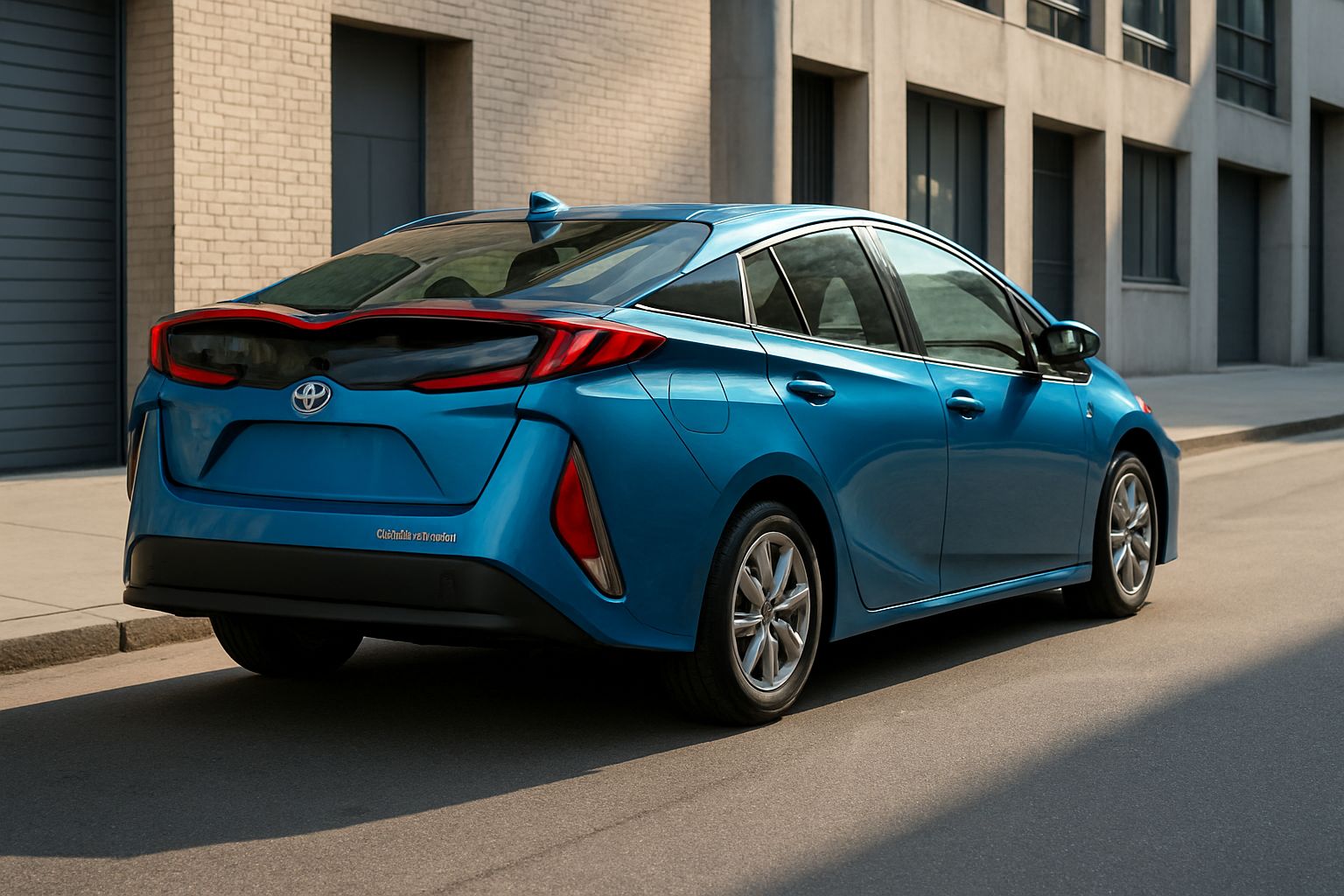
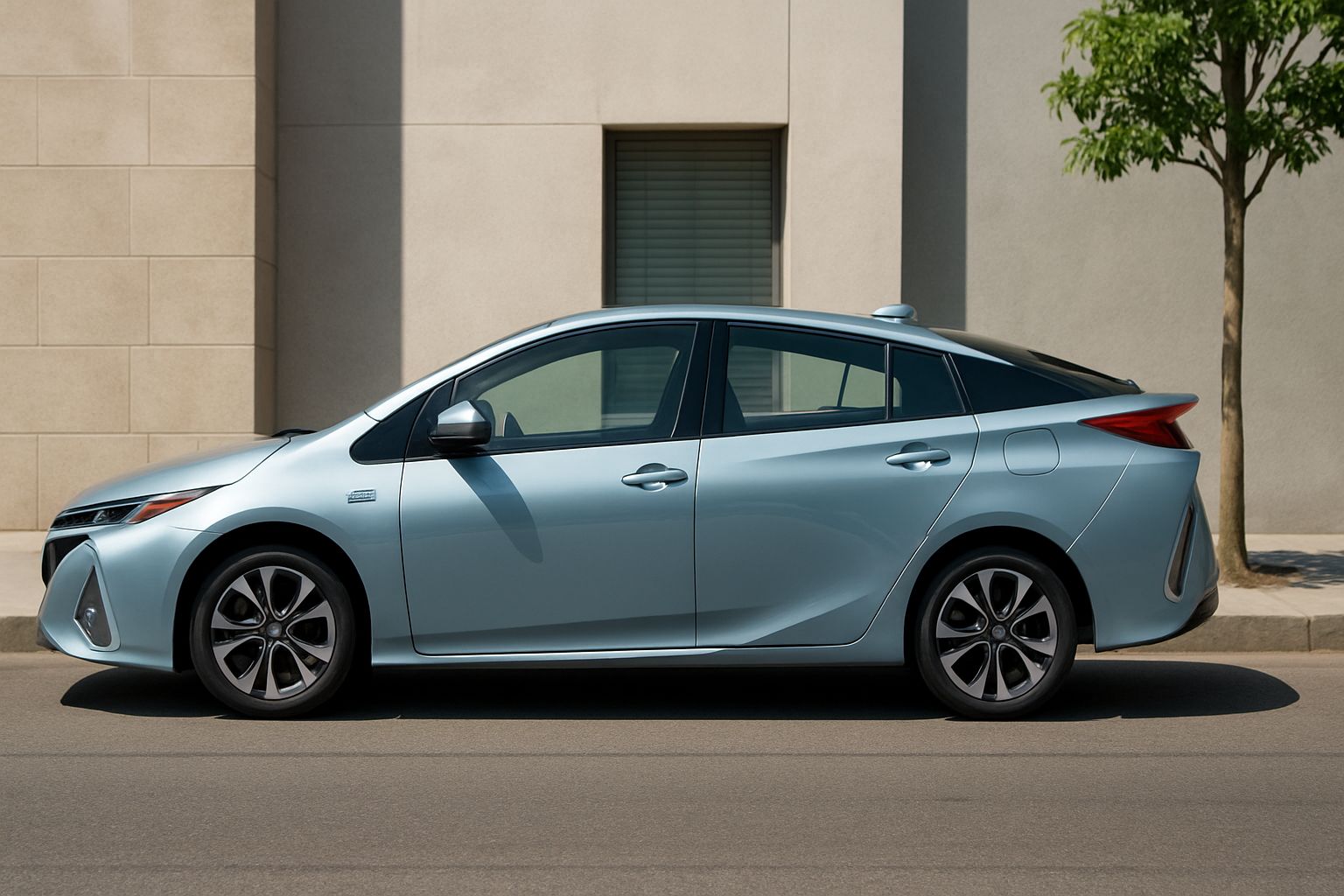
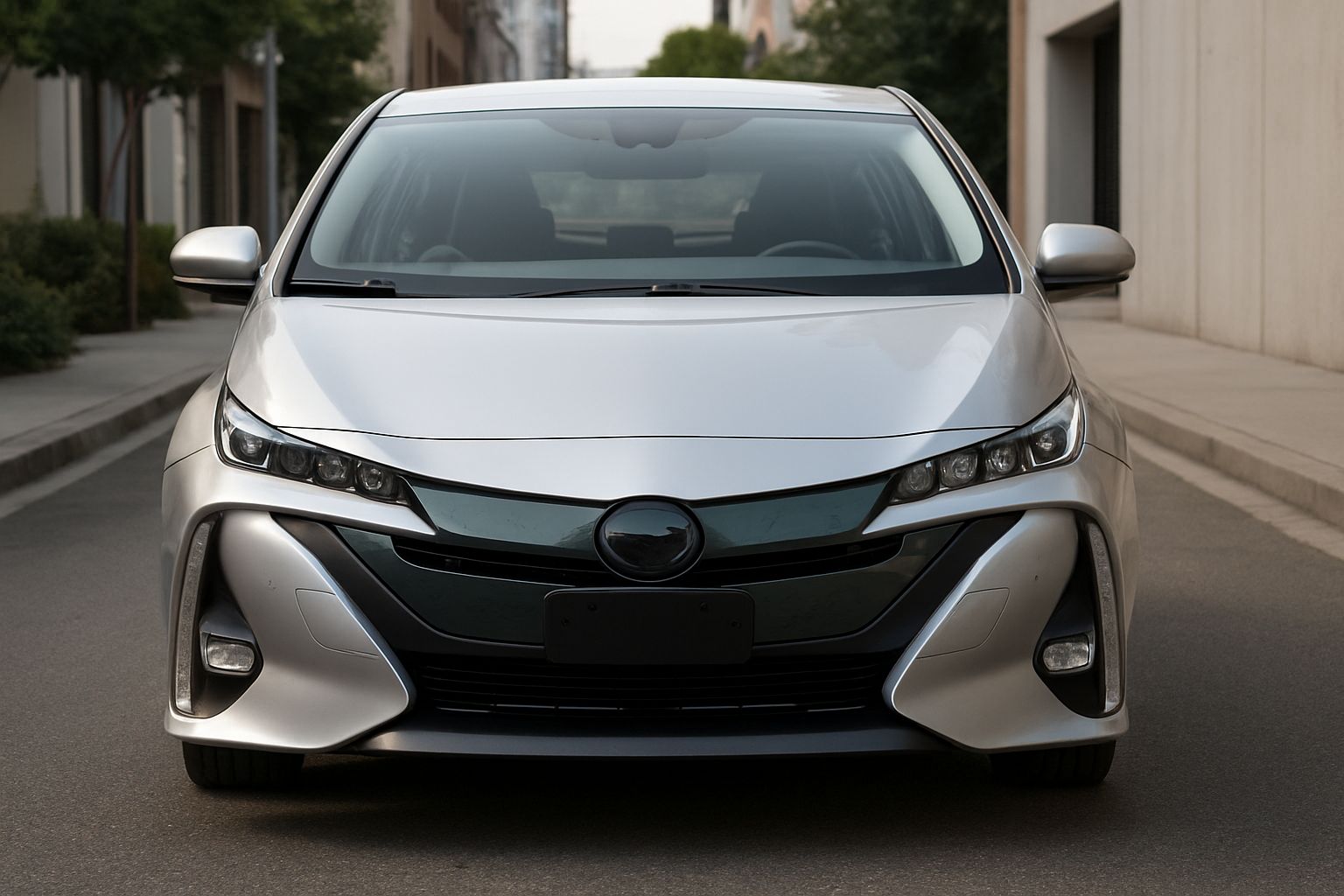
Toyota Prius Plug-In (2017 - 2022)

2017 – 2022· 5 owner Q&As

Petrol Parallel PHEV5 Door
Motoring.Today Verdict
7.8/10

Very good

Is the Toyota Prius Plug-In the retro icon we’ve all been waiting for, reborn as an electric marvel? With its eco-friendly credentials and budget-friendly running costs, could this be the perfect commuter car for the savvy driver?

At a glance

120

hp · Power

607

miles · Range / tank

10.7s

0–60 mph

£

Running costs

From £528/mo

Typical finance

Motoring.Today. verdict

Best for

  • Exceptional fuel efficiency and low running costs
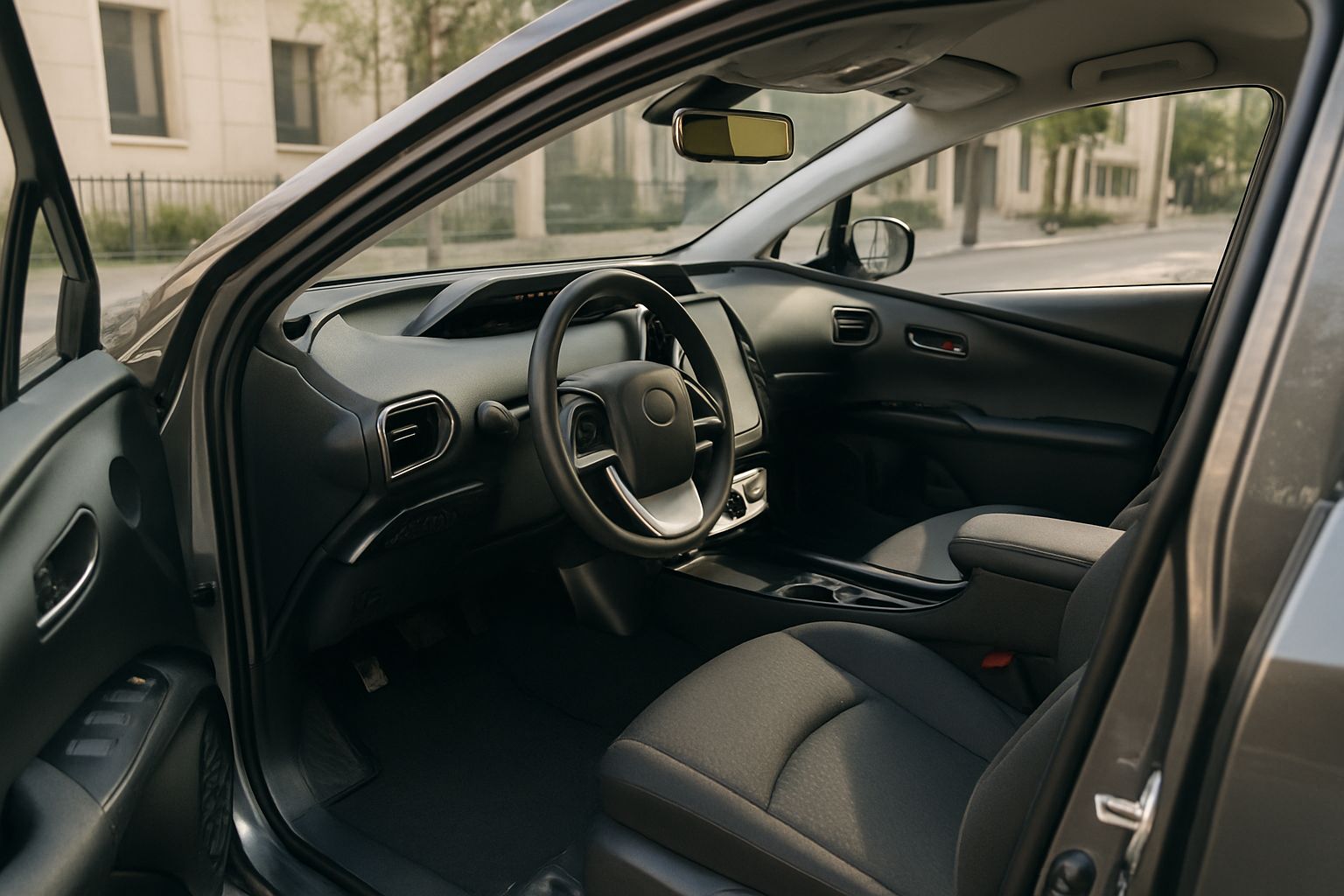
  • Spacious and comfortable interior
  • Advanced safety features and technology

Consider alternatives if

  • Limited electric-only range compared to some competitors
  • Interior materials could be of higher quality
  • Performance may feel less engaging for some drivers

Finance snapshot

Typical monthly payment

£528/month

Based on PCP · 48 months · £3,200 deposit

Best suited for

  • Company Car Drivers
  • Petrol/Diesel Buyers
  • High Mileage Drivers
  • Families

Affordability

Affordable

Above average monthly commitment.

Ratings breakdown

performance35/10
practicality40/10
running costs42/10
behind the wheel38/10
comfort40/10
equipment35/10
green credentials45/10
handling30/10
reliability40/10
safety42/10

Theo's AI summary

The Toyota Prius Plug-In (2017 - 2022) is a compelling choice for those seeking a reliable, eco-friendly vehicle that combines retro charm with modern technology. Its impressive fuel efficiency, low running costs, and advanced features make it an excellent investment for environmentally conscious drivers. With its spacious interior and comfortable ride, the Prius Plug-In is well-suited for both city commuting and longer journeys. Overall, it comes highly recommended for anyone looking to embrace the future of sustainable driving.

Best match for

  • Budget-conscious buyers
  • Practical families
  • Performance enthusiasts

Estimated ownership costs

Based on 10,000 miles per year

Fuel

£91/month

Insurance

£103/month

Road Tax

£15/month

Servicing

£60/month

Estimated total

£269/month

Could this fit your budget?

Check your eligibility in under 60 seconds with no impact on your credit score.

  • Real monthly payments
  • Personalised to you
  • No obligation

Safe, secure and confidential

Handling in the Toyota Prius Plug-In is commendable, with a well-tuned suspension that strikes a balance between comfort and agility. The low centre of gravity, thanks to the battery placement, contributes to stable cornering and confident manoeuvrability. Whether navigating thro

External voices

What the experts say

Parkers

The Toyota Prius Plug-In (2017-2022) is praised for its impressive fuel economy and low emissions, making it an excellent choice for eco-conscious drivers. However, some critics note that the interior quality could be improved and the driving experience is not as engaging as rivals.

Read full review
Autocar

The design of the Toyota Prius Plug-In is distinctive, with a futuristic look that stands out on the road. While some appreciate its unique styling, others find it polarising. The interior is functional but lacks the premium feel found in competitors.

Read full review
WhatCar

Reliability ratings for the Toyota Prius Plug-In are generally positive, with owners reporting few significant issues. However, some have experienced problems with the infotainment system, which can detract from the overall ownership experience.

Ownership intelligence

The real cost of owning one

Finance & affordability

Financing options for the Toyota Prius Plug-In are competitive, with various plans available to suit different budgets. Many dealerships offer attractive leasing deals, making it easier for buyers to access this eco-friendly vehicle without a hefty upfront cost. Additionally, government incentives for electric vehicles can further reduce the overall financial burden.

Day-to-day running costs

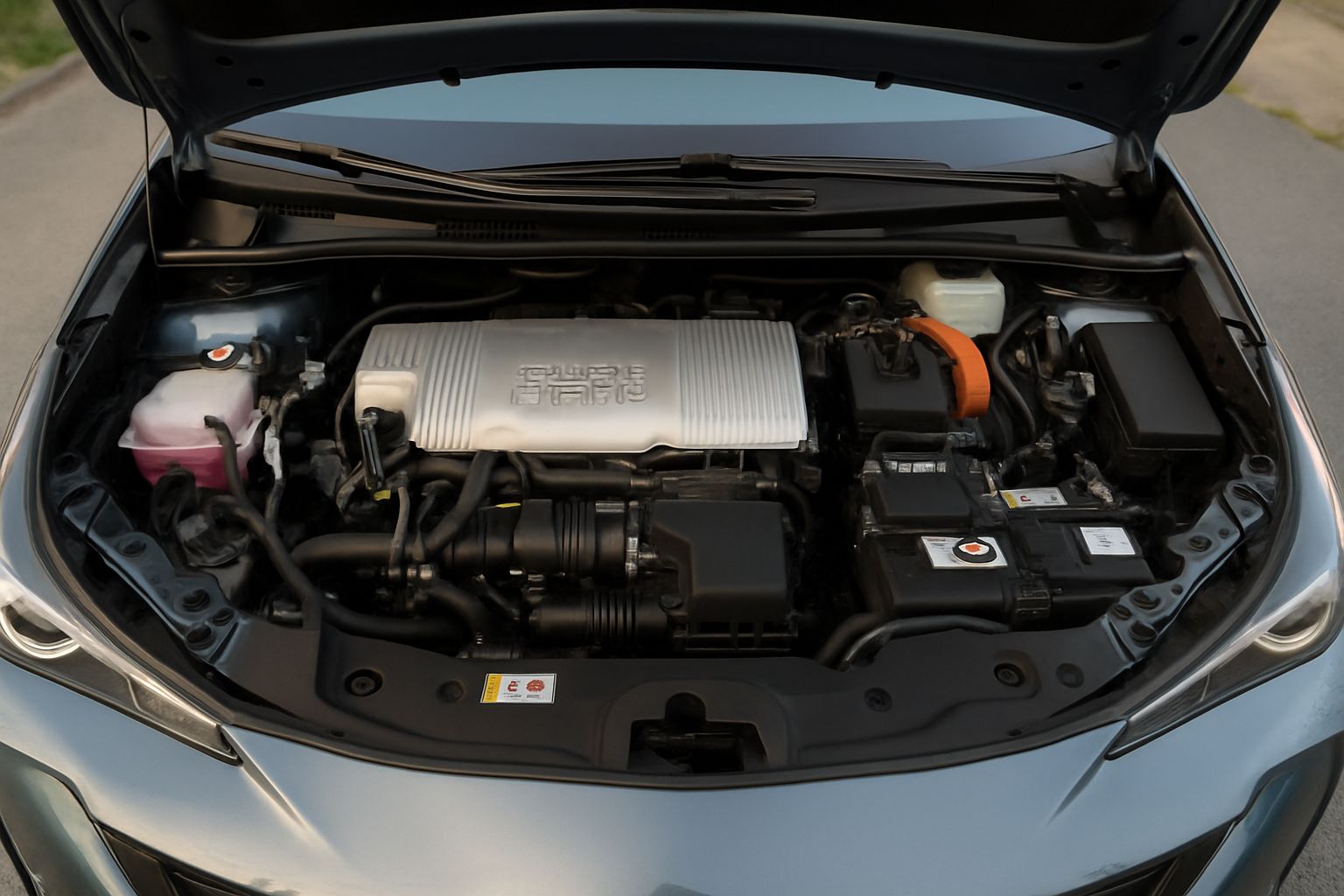
The running costs of the Toyota Prius Plug-In are notably low, thanks to its hybrid technology that optimises fuel efficiency. Owners can expect reduced fuel expenses, especially when utilising the electric-only mode for short trips. Additionally, the vehicle's reliability and low maintenance requirements contribute to overall cost savings, making it an economical choice for budget-conscious drivers.

Charging & fuel

Charging the Prius Plug-In is straightforward, with the option to plug into a standard household outlet or a dedicated charging station. The vehicle's battery can be fully charged in a few hours, allowing for convenient overnight charging. For longer journeys, the petrol engine provides peace of mind, ensuring that drivers are never left stranded.

Heritage

Milestones & history

  1. 2017

    Launch of the Toyota Prius Plug-In with enhanced features

  2. 2019

    Introduction of updated infotainment system

  3. 2021

    Significant improvements in battery technology

Read full launch story

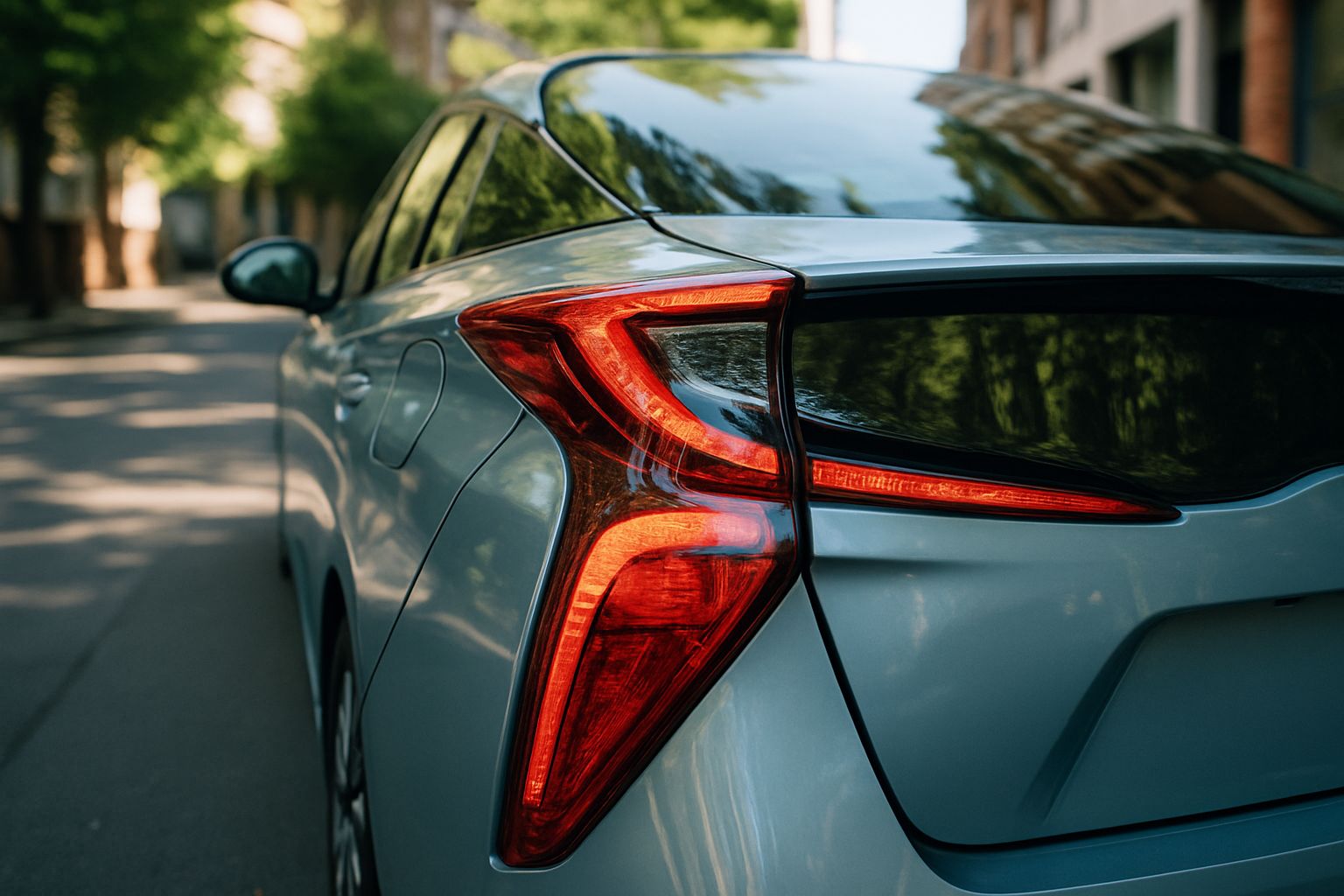
The purpose of the Toyota Prius Plug-In is to provide an environmentally friendly vehicle that reduces emissions while offering the convenience of a hybrid system. It aims to cater to drivers who are conscious of their carbon footprint without sacrificing performance or comfort. Since its inception, the Prius has evolved from a pioneering hybrid vehicle to a sophisticated plug-in model that incorporates advanced technology and design. The 2017-2022 iteration reflects Toyota's commitment to innovation, blending retro aesthetics with modern electric capabilities, thus appealing to a new generation of eco-conscious drivers.

Compare with alternatives

The Toyota Prius Plug-In (2017 - 2022) stands out for its efficiency and reliability, competing closely with rivals like the Honda Clarity, Hyundai Ioniq, and Kia Niro, each offering unique advantages.

Honda Clarity Plug-In Hybrid

Reference only

Positioned as a spacious and eco-friendly alternative with a focus on comfort and technology.

vs features
The Clarity offers a more spacious interior and a higher-quality cabin than the Prius, with advanced tech features like a larger touchscreen and more driver-assistance systems. However, the Prius is often regarded as more agile and fun to drive.
vs price
The Clarity Plug-In Hybrid is generally priced similarly to the Prius, but can be slightly more expensive depending on the trim level and options chosen.
No Motoring.Today review

Hyundai Ioniq Plug-In Hybrid

Reference only

A strong contender in the hybrid market, known for its value and efficiency.

vs features
The Ioniq Plug-In Hybrid offers a similar driving experience to the Prius but is often praised for its more modern interior design and user-friendly tech interface. The Prius has a more distinctive design and a reputation for reliability.
vs price
The Ioniq is typically priced slightly lower than the Prius, making it an attractive option for budget-conscious buyers.
No Motoring.Today review

Kia Niro Plug-In Hybrid

Reference only

A versatile and practical hybrid option that appeals to families and those needing extra space.

vs features
The Niro offers a more spacious interior and cargo area compared to the Prius, making it a better choice for families. The tech features are competitive, but the Prius is often seen as having a more refined driving experience.
vs price
The Niro Plug-In Hybrid is generally priced similarly to the Prius, with some trims being slightly less expensive, appealing to those looking for value.
No Motoring.Today review

Available now

Toyota Prius Plug-In (2017 - 2022) for sale on Motoring.Today

Specs by trim

Business Edition Plus Plug-in 1.8 VVT-i Hybrid 5dPetrol Parallel PHEV Automatic · 2017–2019
Power
120 bhp
0–60 mph
10.7 s
Top speed
101 mph
Torque
142 Nm
Economy
64.2 mpg
Range
607 mi
CO₂
28 g/km
Insurance group
21
Road tax
£0 - £180
New price
£31,695
Business Edition Plus (Solar Roof) Plug-in 1.8 VVT-i Hybrid 5dPetrol Parallel PHEV Automatic · 2017–2019
Power
120 bhp
0–60 mph
10.7 s
Top speed
101 mph
Torque
142 Nm
Economy
64.2 mpg
Range
607 mi
CO₂
28 g/km
Insurance group
21
Road tax
£0 - £180
New price
£33,195
Excel Plug-in 1.8 VVT-i Hybrid 5dPetrol Parallel PHEV Automatic · 2017–2019
Power
120 bhp
0–60 mph
10.7 s
Top speed
101 mph
Torque
142 Nm
Economy
64.2 mpg
Range
607 mi
CO₂
28 g/km
Insurance group
22
Road tax
£0 - £180
New price
£33,895
Excel Plug-in Hybrid 1.8 VVT-i auto 5dPetrol Parallel PHEV Automatic · 2019–2022
Power
120 bhp
0–60 mph
10.7 s
Top speed
101 mph
Torque
142 Nm
CO₂
28 g/km
Insurance group
20
Road tax
£180
New price
£35,400
Business Edition Plus Plug-in Hybrid 1.8 VVT-i auto 5dPetrol Parallel PHEV Automatic · 2019–2022
Power
120 bhp
0–60 mph
10.7 s
Top speed
101 mph
Torque
142 Nm
CO₂
28 g/km
Insurance group
20
Road tax
£180
New price
£33,300

FAQs

What is the fuel efficiency of the Toyota Prius Plug-In?
The Toyota Prius Plug-In boasts an impressive fuel economy of up to 134 mpg, making it a champion of low running costs and an economical choice for daily commutes.
When was the Toyota Prius Plug-In launched?
The Toyota Prius Plug-In was launched in 2017 and has since undergone several updates to enhance its performance and technology.
What are the charging options for the Prius Plug-In?
Charging the Prius Plug-In is straightforward, taking around 2 hours from a standard home socket. It can also run on its hybrid system for longer journeys.
Is the Toyota Prius Plug-In suitable for city driving?
Yes, the Prius Plug-In is ideal for city driving, offering instant torque from its electric motor and a regenerative braking system that maximises electric range.
What are the main advantages of the Toyota Prius Plug-In?
Key advantages include impressive fuel economy, a spacious interior, a 5-star Euro NCAP safety rating, low running costs, and easy charging options.

Toyota Prius Plug-In (2017 - 2022) (2017–2022)

From £528/month