

What Is Hire Purchase?
Hire Purchase (HP) is one of the most straightforward ways to finance a car. You pay a deposit, fixed monthly payments over an agreed term, and at the end of the agreement the car is yours, with no balloon payment and no mileage limits.
Written and reviewed by Phil Kehoe, Director, Motoring Today · methodology in our editorial standards.
Last reviewed: July 2026
How HP finance works
HP is a simple 2-part agreement: a deposit followed by fixed monthly payments until the car is fully paid off.
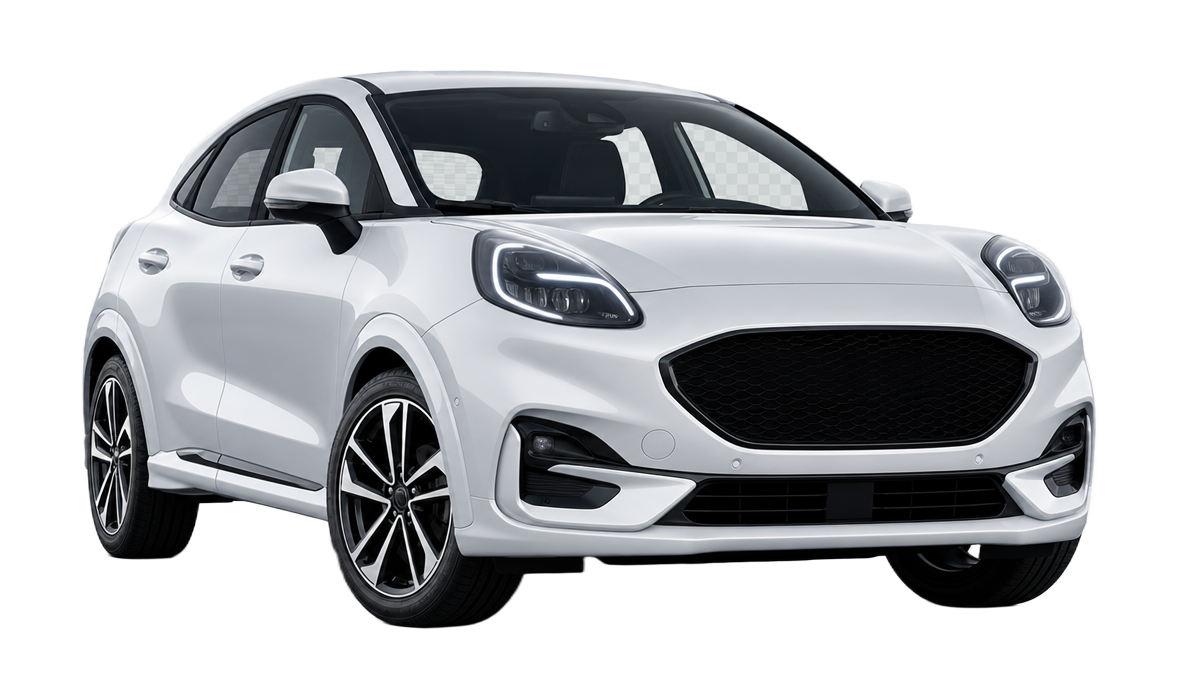
HP finance example
Example based on a car price of £20,000 over 48 months at 9.9% APR representative.
- Cash price
- £20,000
- Deposit (advance payment)
- £2,000
- Total amount of credit
- £18,000
- Duration of agreement
- 48 months
- Rate of interest (fixed)
- 9.5% p.a.
- Monthly repayment
- £452.02 × 48
- Total charge for credit (interest)
- £3,696.96
- Total amount payable
- £23,696.96
Motoring Today is a credit broker, not a lender. Motoring Today is a trading style of Motor Genius Group Ltd (FRN 960504), an appointed representative of The Compliance Guys Ltd, which is authorised and regulated by the Financial Conduct Authority (FRN 941360). Finance is subject to status and approval; rates depend on your circumstances and the lender. Available to permanent UK residents aged 18+. Example figures only — not a quote.
Example figures only. Your actual payments depend on your credit profile, deposit and the lender we match you with.
Pros and cons of HP finance
HP is simple and predictable, but it's not the cheapest monthly option for every driver.
- You own the car at the end of the agreement
- No mileage restrictions or excess charges
- Fixed monthly payments make budgeting easy
- No large balloon payment to plan for
- Simple, predictable structure with no surprises
- Higher monthly payments than PCP for the same car
- You don't own the car until the final payment
- Less flexibility at the end of the agreement
- Car can be repossessed if you fall behind
- Generally a bigger deposit needed for best rates
Who is HP best for?
HP suits drivers who want to own their car outright and don't want to worry about end-of-term decisions.
HP vs PCP finance
The two most popular UK car finance options, here's how they compare side by side.
| Feature | Hire Purchase (HP) | Personal Contract Purchase (PCP) |
|---|---|---|
| Monthly payments | Higher | Lower |
| Deposit | Typically 10%+ | Typically 10% |
| Mileage limits | None | Yes, usually 6k-15k / year |
| End of agreement | You own the car | Return, part-exchange or pay balloon |
| Balloon payment | No | Yes (Guaranteed Minimum Future Value) |
| Flexibility | Lower | Higher |
Frequently asked questions
Quick answers to the most common questions about Hire Purchase car finance.