

The surprising family contender
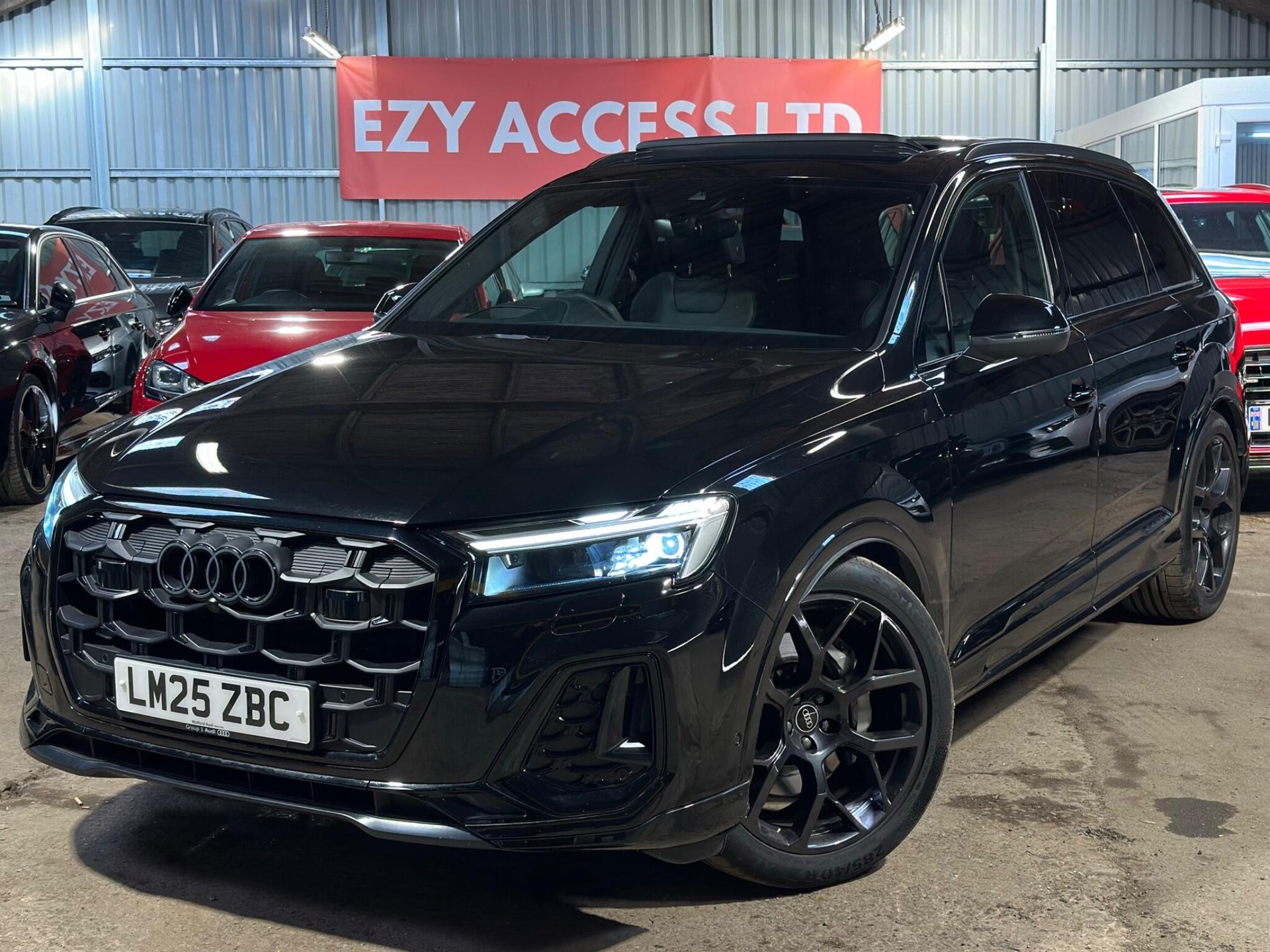
It's often assumed that a truly family-friendly car must come with a premium price tag, but our data reveals a surprising contender directly challenging this notion. The Kia Sorento, with a typical market price of £26,000, delivers a 93% family score. This places it alongside the Tesla Model X, which also has a typical market price of £26,000 and a 93% family score, and the Skoda Kodiaq, priced at £25,500, also with a 93% family score. This performance positions the Sorento just one percentage point behind the far pricier Audi Q7, which commands a typical market price of £31,500 and achieves a 94% family score.
While the £37,500 Volvo XC90 leads our ranking with a 95% family score, the Sorento's robust performance demonstrates that top-tier family functionality does not exclusively belong to the most expensive vehicles. This makes the Kia Sorento a compelling option for those prioritising practicality and safety without the highest investment. For insight into the models we track, consult our best used cars for families guide.
The rest of the family car field
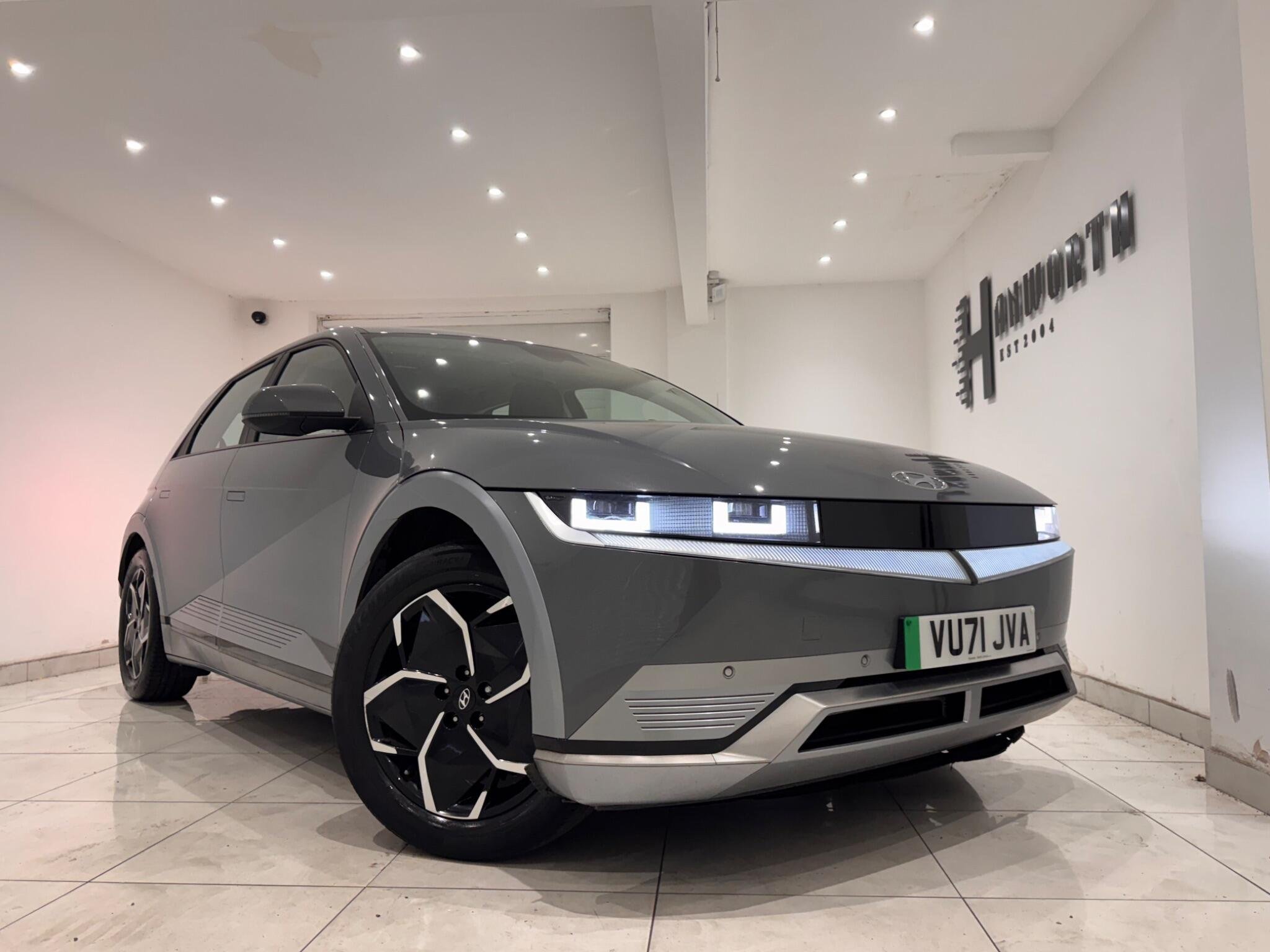
Beyond the top performers, the rest of the field shows a tightly grouped competition, with several models achieving strong family scores. The Mercedes-Benz EQB, priced at £27,500, and the Hyundai Ioniq 5, with a typical market price of £25,500, both achieve a 93% family score. These electric models showcase that sustainable motoring does not compromise on family practicality. Both offer five doors, with the EQB providing seven seats and the Ioniq 5 offering five seats.
Interestingly, some models traditionally associated with family life, such as the Land Rover Defender (£53,500) and the Land Rover Range Rover Sport (£31,500), achieve family scores of 92%. While still highly capable, their positions indicate that our composite family score considers more than just size or brand prestige, weighing factors that directly impact day-to-day family use. The Ford S-Max, an established MPV with a typical market price of £8,500, also scores 92%, confirming that dedicated people carriers remain a strong practical choice for families requiring seven seats and five doors.
How we assess a car's 'family' credentials
To determine what makes a car truly family-friendly, we developed a composite score index that brings together several crucial aspects. Our assessment prioritises safety, practicality, and space. We consider how well each model protects its most vulnerable occupants by incorporating child-occupant protection scores derived from authoritative Euro NCAP crash tests. We then combine this with manufacturer specifications detailing the number of seats and doors, as well as boot capacity in litres, to gauge everyday utility.
These elements are weighted to reflect their importance to family buyers, giving a comprehensive view of how suitable a car is for real-world family life. We only rank models for which we have a meaningful number of underlying records in these datasets, ensuring our conclusions are robust and reliable for used-car buyers across the UK market.
Interpreting our family car scores
It is important to remember that our family score is a blended assessment reflecting general suitability. While Euro NCAP ratings offer a rigorous gauge of safety, their criteria evolve over time, meaning a five-star rating from an older test may not directly compare to a newer one. Boot and seat figures are based on manufacturer specifications and do not account for every possible configuration or the varied needs of individual families.
Prices quoted are typical UK used-car market asking prices at the time of data collection, derived from live market pricing, not an exact price for a specific vehicle. The absence of a particular model from our rankings simply means we lacked sufficient data to include it. Your personal family car choice should always align with your specific circumstances, balancing our data with your own priorities for space, budget, and driving habits.
Finding the right fit for your family
Armed with this data, the path to your next family car becomes clearer. If a seven-seater with a strong family score is a priority, models like the Volvo XC90, Audi Q7, or the value-driven Kia Sorento stand out. For those less reliant on a third row of seats, options such as the Tesla Model X or Hyundai Ioniq 5 offer modern alternatives, each with five doors.
Start by identifying your non-negotiable family requirements (boot space, number of seats, or a strict budget), then consult our rankings to see which models consistently perform well against those criteria. This focused approach, guided by comprehensive data derived from Euro NCAP crash tests and manufacturer specifications, will help you navigate the array of options and make an informed decision for your household.