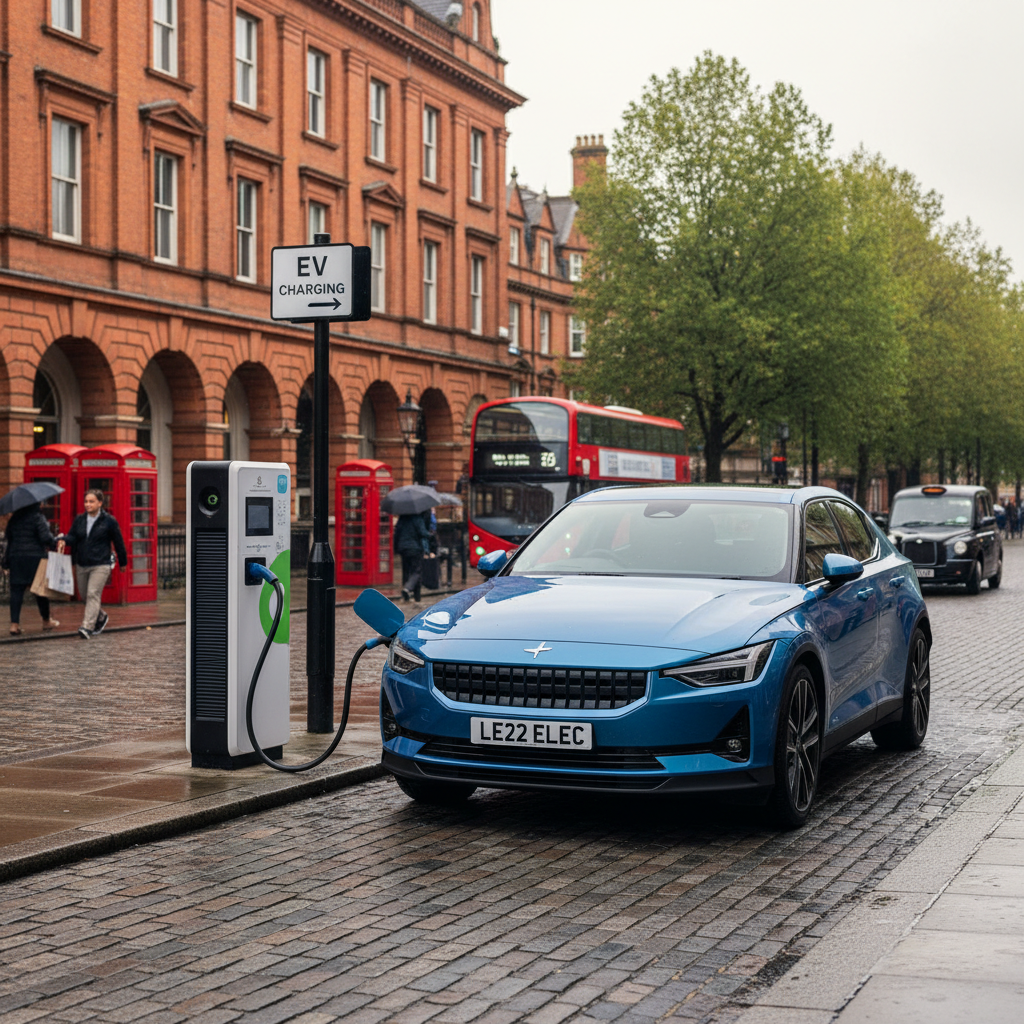


For years, the electric car transition has been framed as a binary battle. You are either a Luddite clinging to your petrol pump, or you have leaped headfirst into the battery-only future. But as any decent engineer will tell you, the best solutions are rarely black and white. Today, we are seeing a sensible convergence of pragmatism and clever engineering, making sustainable motoring accessible to those of us who aren't quite ready to cut the petrol tether entirely.
The 2026 Plug-In: A Genuine Commuter Cheat Code
Take a look at the newly minted 2026 Toyota RAV4 Plug-in. While purists might clamour for pure battery electric vehicles (BEVs), the reality of our patchy charging infrastructure means a highly efficient Plug-in Hybrid Electric Vehicle (PHEV) is the sweet spot for millions of families. As reported by Ars Technica, the latest iteration of this everyday SUV features a battery pack meaty enough to ensure that typical daily drives can be completed entirely on electricity.
By pairing a decent electric motor with a highly efficient petrol engine, vehicles like the RAV4 Plug-in act as a gateway drug to electrified driving. Personally, I reckon we undervalue the peace of mind this tech offers. You get the whisper-quiet, zero-emission benefit of electric torque during the school run and supermarket dash, whilst retaining the ability to cross the country on a whim without a single moment of charging anxiety. It is practical engineering designed for the messy reality of modern life, though as early reviews suggest, buyers should probably skip the firmer, less comfortable GR Sport trim in favour of the more compliant, eco-friendly standard setups. The ride on the GR is a bit of a faff, to be fair.
Breaking Down the Barriers: Softening the Financial Blow
Of course, technology is only half the battle. Price remains the main hurdle for motorists looking to make the switch. Fortunately, policymakers are beginning to realise that the transition requires carrots, not just sticks. In California, a new initiative is targeting first-time EV buyers with dedicated rebates, including a handy $1,750 incentive specifically for used electric cars, subject to vehicle price caps, according to Ars Technica.
If you are considering making the switch here in the UK, this is the exact kind of targeted financial support we need to vitalise our own second-hand market. Lowering the barrier to entry for pre-owned electric cars is critical. It democratises green tech, ensuring that the running-cost benefits of electric driving (which can be up to 70% cheaper per mile when charging at home on a smart off-peak tariff) are not reserved solely for those who can afford brand-new premium models.
The Software Tug-of-War and Corporate Efficiency
Under the bonnet, the technology driving these vehicles is becoming incredibly sophisticated. We are currently witnessing a silent arms race between manufacturers locking down their Engine Control Units (ECUs) and aftermarket tuners trying to crack them. As highlighted by Ars Technica in their investigation into ECU tuning, modern cars are essentially rolling software suites. For EVs and hybrids, this software-first approach is brilliant. It means manufacturers can optimize battery thermal management and motor efficiency over-the-air, giving your car more range and better performance long after it has left the showroom.
However, this rapid shift to digital, streamlined motoring is putting immense pressure on legacy carmakers. Volkswagen Group is currently locked in tense negotiations with trade unions over plans to streamline its operations. As reported by Ars Technica, VW's strategy calls for cutting its model lineup by half to boost efficiency and fund its massive electric transition, highlighting the immense industrial friction involved in turning these automotive giants around. Running a car firm used to be about oily bits; now it is about survival of the leanest.
Key Takeaways for Future-Facing Drivers
- The Best of Both Worlds: Modern PHEVs with larger batteries, like the 2026 RAV4 Plug-in, allow for 100% electric daily commuting without public charging dependency.
- Incentives Matter: Targeted rebates for first-time and used-buyer markets are crucial to making sustainable transport economically viable for everyone.
- Software is King: From ECU tuning to manufacturer over-the-air updates, the efficiency of your next car will be defined by code, not just cylinders.
- Industry Realignment: Legacy brands are aggressively consolidating their portfolios to survive the massive capital demands of the EV transition.
The Tom Chen Verdict
The path to a clean transport network was never going to be a straight line. While luxury brands tease ultra-exclusive zero-emission halo cars, the real environmental victories are being won in the mid-market. In my book, we need to focus on what people can actually afford today. By combining high-capacity plug-in hybrids that slash daily urban tailpipe emissions to zero, with clever policy mechanisms that make used EVs affordable, we can construct a practical, highly effective bridge to a sustainable future. If you are on the fence, do not let the lack of a home charger deter you from looking at a modern PHEV. It is the ultimate stepping-stone technology that delivers green benefits today, without demanding compromises tomorrow.