

We often talk about electric vehicles in binary terms: fully electric or traditional combustion. But what about the brilliant bridge technology, the plug-in hybrid electric vehicle (PHEV)? For years, there's been a whisper, sometimes a shout, that PHEV owners weren't really plugging in, negating their eco-friendly potential. Well, fellow motoring enthusiasts, it seems the narrative might be shifting, and quite significantly.
The Charging Revelation: PHEVs Plugging In
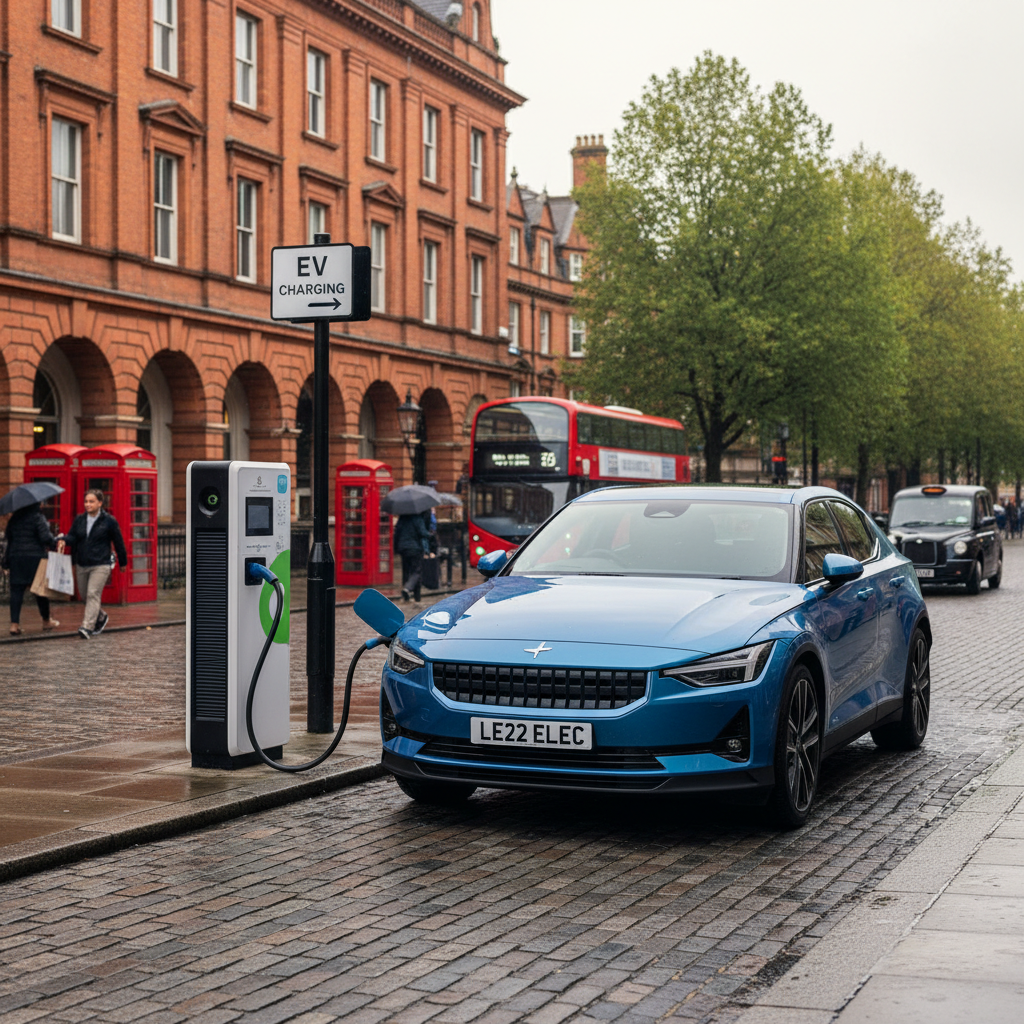
Recent data from major manufacturers, including Toyota, is painting a far more encouraging picture. What we're seeing is that PHEV drivers are actively embracing the 'plug-in' part of their vehicle's name with gusto. This isn't just a minor uptick; it's a trend that suggests a growing understanding and utilisation of these vehicles' capabilities. This insight, highlighted by reports from Arstechnica, is crucial for anyone considering making the switch to a greener ride.
For the uninitiated, a PHEV offers the best of both worlds: a significant electric-only range for daily commutes and shorter trips, backed up by a traditional petrol engine for longer journeys or when charging isn't convenient. The concern was always that drivers would simply use the petrol engine, treating the 'plug-in' aspect as a mere marketing gimmick. However, these new statistics demonstrate that many drivers are indeed leveraging the electric range, thereby reducing their fossil fuel consumption and carbon footprint substantially.
Beyond the Battery: The Broader EV Landscape
This positive news for PHEVs arrives amidst a dynamic period for the entire EV ecosystem. Innovation is surging, from cutting-edge battery technology to revolutionary charging infrastructure. InstaVolt, for instance, is making waves with a £2.5 million investment in five new battery energy storage systems (BESS) sites, with another 20 on the horizon this year. As reported by GB News, these systems are a game-changer, buffering the grid and protecting consumers from fluctuating energy costs, ultimately passing those savings directly to drivers. This is precisely the kind of future-proofing infrastructure we need to see more of across the UK.
Range anxiety, once a significant hurdle, is rapidly diminishing. The average EV in 2025 is projected to achieve around 300 miles on official WLTP tests, as noted by Zest.uk.com, with some models already pushing this envelope. And for those longer hauls, ultra-rapid chargers are becoming more prevalent, with predictions of 500kW charging speeds capable of adding 100 miles of range in under 3 minutes at select UK locations by mid-2026, according to The Electric Car Scheme. This phenomenal speed, coupled with an expanding network, makes the transition to fully electric more practical than ever.
Evolution of Motoring: From V8s to Virtual Cockpits
Automakers are not just electrifying; they're reinventing. Mercedes-AMG is leaving the V8 in the past, pushing the boundaries of performance with the all-electric AMG GT 4-Door, demonstrating impressive 0-60 times and even more remarkable miles/kWh numbers, as detailed by Arstechnica. Meanwhile, Volvo's EX60, with its 'moose-proof' design and efficient 'megacasting' production, signals a commitment to both safety and sustainable manufacturing. On the flip side, even iconic marques like BMW are giving a fond farewell to certain eras, offering a manual gearbox, rear-wheel drive M3 CS – a nod to purists as the industry rockets into an electrified future, according to Arstechnica.
It's not just about what's under the bonnet. Safety innovations like Audi’s active beam headlights, finally coming to America with the 2027 Audi Q9, exemplify how technology is enhancing the driving experience, making it safer for everyone by intelligently minimising glare for oncoming traffic, as highlighted by Arstechnica.
The Road Ahead: Navigating the Nuances
However, the journey isn't without its speed bumps. The UK's EV charging infrastructure, while improving, faces challenges. Grid connection delays have slowed some installations, and while rapid chargers along motorways are well-developed, local infrastructure needs a significant boost, as discussed by EVInfrastructureNews and The Guardian. Furthermore, legislative discussions around annual EV registration fees, as seen in the US with a bipartisan bill proposing a £130 annual charge, could impact the total cost of ownership for future EV drivers. It's a reminder that while the technology is exciting, the policy and infrastructure need to keep pace.
For those considering making the switch, whether to a PHEV or a full EV, the landscape is more promising than ever. The increasing efficiency of PHEVs, coupled with rapid advancements in full EV range and charging speeds, means there's a sustainable option for nearly every driver. Don't overlook the PHEV; it's proving to be a highly effective stepping stone, genuinely contributing to our collective journey towards a zero-emission future.
Key Takeaways for the Green Motorist:
- PHEVs are charging more: New data suggests plug-in hybrid owners are actively using their electric range, making them a more eco-friendly choice than previously assumed.
- Charging infrastructure is scaling up: Significant investments in battery energy storage systems (BESS) are enhancing grid stability and offering cost savings to drivers.
- Range anxiety is shrinking: Modern EVs offer impressive ranges (averaging 300 miles WLTP) and ultra-rapid charging, making longer journeys viable.
- Innovation is everywhere: From performance EVs replacing V8s to advanced safety features, the automotive industry is embracing a tech-forward, sustainable future.
- Policy and infrastructure collaboration is vital: While technology races ahead, effective government policies and accelerated local charging deployments are crucial for seamless EV adoption.
The transition to sustainable motoring is complex, but the data on PHEV charging, alongside relentless innovation in battery tech and charging infrastructure, paints a picture of a future that is not only electric but truly efficient and beneficial for all. This positive shift is redefining sustainable motoring, showing how a combination of technological advancements and changing driver behaviour can lead to a greener future. It's clear that the hybrid horizon is brighter than ever, acting as a crucial bridge technology on the path to full electrification.