

The roar of a V8, the intoxicating scent of high-octane fuel – for many years, these were the hallmarks of true motoring passion. But the automotive landscape is shifting, and it’s doing so at breakneck speed. As an EV specialist deeply immersed in green technology, I’m seeing a fascinating convergence: the raw power once reserved for the track is now merging with eco-conscious innovation, creating a new breed of sustainable performance vehicles and an infrastructure to support them.
The Performance Hybrid Paradox: Power Meets Efficiency
Take, for instance, the recent unveiling of the 2027 Audi RS5. This isn't just another fast car; it's a performance Plug-in Hybrid Electric Vehicle (PHEV) with what Ars Technica describes as a "split personality." Audi has engineered a completely new electric torque-vectoring rear differential, proving that electrification isn't just about efficiency – it's about enhancing dynamic driving. This is the beauty of modern hybrid technology: it bridges the gap, offering electrifying acceleration when you demand it, combined with the practicality of extended range and reduced emissions.
And it's not just Audi. Porsche is pushing the boundaries with their most powerful car – and no, it’s not a 911 – bringing Formula E tech to the autobahn. Delivering a staggering 1,139 horsepower and capable of 400 kW charging, this beast demonstrates that sustainable motoring doesn't mean sacrificing exhilarating performance. Even Ferrari, a brand synonymous with combustion, is entering the fray with its first-ever EV, the Luce. While perhaps "controversial" to some purists, as Ars Technica notes, the interior is spectacular, and it signals a future where even the most iconic brands are embracing zero-emission powertrains.
What’s particularly encouraging about these performance PHEVs is driver behaviour. A common criticism of PHEVs has been their perceived lack of ‘plugging in’. However, recent data, including reports from Toyota, are showing that plug-in hybrids are being utilised for their electric capabilities more than previously thought. This is crucial for genuinely lowering emissions and maximising the environmental benefits of these vehicles. For a deeper dive into this phenomenon, read Unpacking the 'Plug-In' Paradox.
Rewiring the Grid: Smart Charging, Sustainable Future
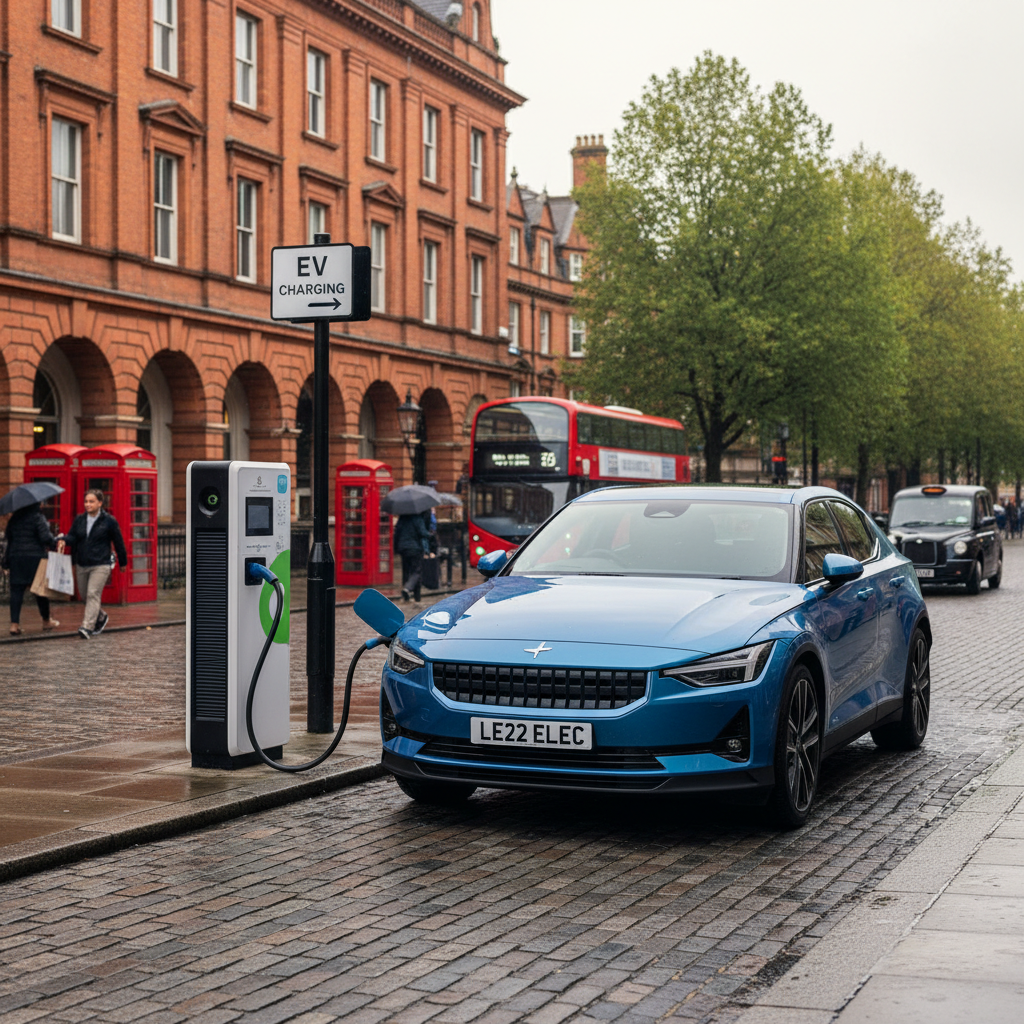
But cutting-edge vehicles need cutting-edge infrastructure. The UK is making significant strides here. The good news is that the average EV in 2025 already achieves around 300 miles on official WLTP tests, effectively banishing range anxiety for most drivers. What's more exciting is the development in charging technology. InstaVolt, for example, is investing £2.5 million into new battery energy storage systems (BESS) sites, with many more on the way. These systems are game-changers, helping to stabilise the grid and protect drivers from fluctuating electricity prices, as GB News highlighted.
We're looking at a future where charging speeds up to 500kW will be available at select locations, adding 100 miles of range in under three minutes by mid-2026. This is mind-bogglingly fast and addresses one of the primary concerns for potential EV adopters. Beyond speed, innovations like smart charging systems, ultra-fast chargers, and Vehicle-to-Grid (V2G) solutions are enhancing grid efficiency and reliability, positioning the UK EV charging market for sustainable growth.
For those considering making the switch, it’s important to acknowledge that infrastructure rollout has faced some delays, particularly with local public chargers, partly due to grid connection issues. However, the government's relaxation of some ZEV mandate rules in April 2025 and the delayed Local Electric Vehicle Infrastructure (LEVI) funding for councils starting to arrive in bulk in 2026 and 2027 should accelerate installations significantly. Rapid chargers along motorways, vital for longer journeys, are already robust enough to meet demand for the next few years.
Beyond the Road: Smart Tech in Action
The innovation isn't just under the bonnet or at the charging station. We’re seeing advancements in driver assistance and safety too. The 2027 Audi Q9, for instance, will feature clever active beam headlights, satisfying new NHTSA rules on minimising glare. This integration of smart technology makes driving safer and more enjoyable, further enhancing the appeal of these future-proof vehicles.
From the racetrack, where F1 is undergoing significant changes with a focus on engine durability, reminding us that "to finish first, first you have to finish," to the everyday commute, the emphasis is on efficiency and reliability. The lessons learned in high-performance environments directly feed into making our sustainable everyday vehicles better.
Even geopolitics is playing a role, with Volvo securing US government approval to bypass Chinese connected car bans, highlighting the complex global landscape these manufacturers navigate while still pushing for innovation.
Key Takeaways:
- Performance Hybrids Redefine Power: New PHEVs offer electrifying performance without sacrificing eco-credentials.
- Rapid Charging is Here: Ultra-fast charging is becoming widespread, significantly reducing charging times and range anxiety.
- Smart Grid Integration: Battery energy storage and V2G tech are making charging cheaper and more reliable.
- Innovation Drives Adoption: From advanced headlights to cutting-edge battery tech, the industry is addressing key consumer concerns.
The future of motoring is not just electric; it’s intelligently electric. We're witnessing a complete rewiring of how we perceive power, efficiency, and sustainability on our roads. The seamless integration of high-performance hybrid powertrains with a rapidly evolving, smart charging infrastructure promises a future that’s not only greener but also more thrilling and practical for every driver. This silent revolution is redefining sustainable power.