

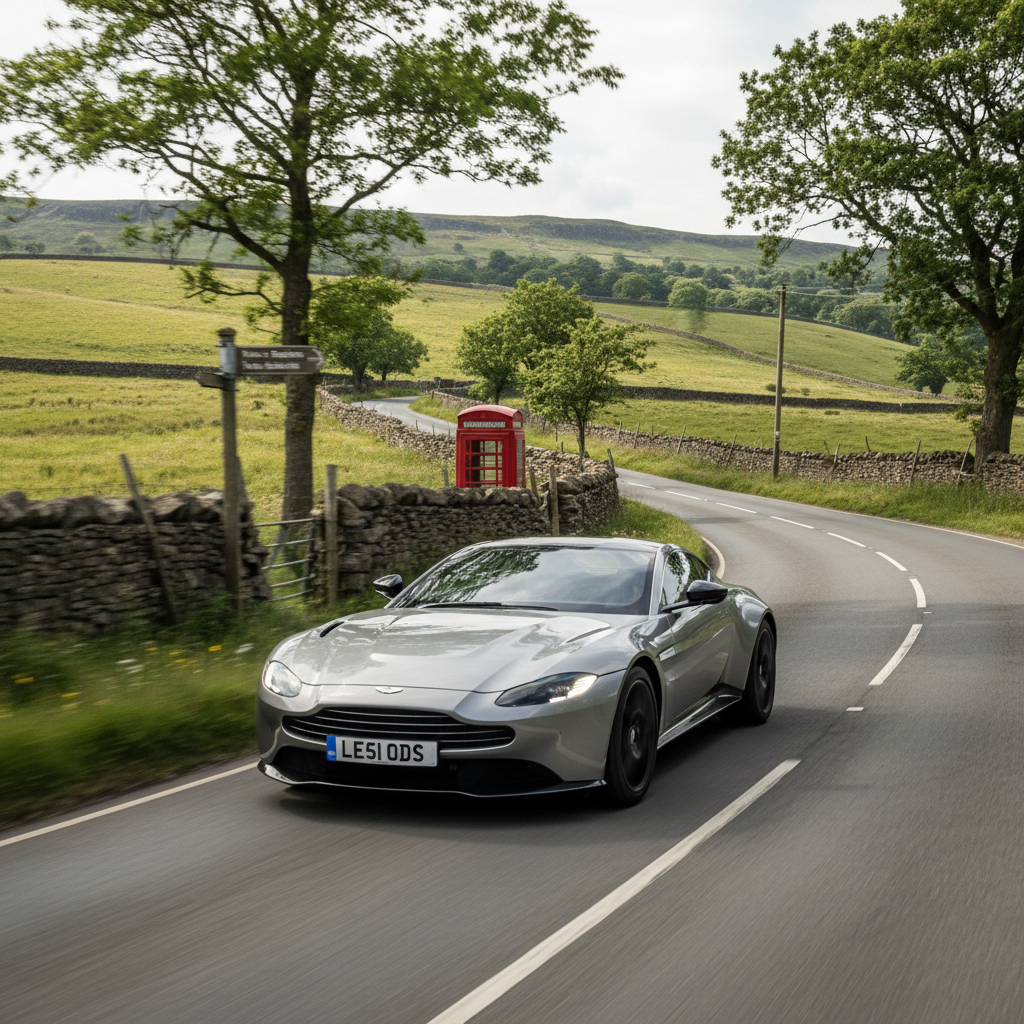
Alright, petrolheads, settle in. We often talk about horsepower, 0-60 times, and the raw, unadulterated speed of a machine. But what really gets the heart pumping? It's the symphony of feedback, the razor-sharp response, the undeniable connection between driver and machine. And this week, whether on two wheels or four, on tarmac or gravel, that connection has been electrifying.
Let's kick things off with the sheer spectacle of MotoGP. Marco Bezzecchi's emotional home win at Mugello, as reported by Autosport, wasn't just a triumph of speed; it was a masterclass in dynamic control. Imagine the forces at play – immense power being laid down through a tiny contact patch, requiring millimetre precision and a deep understanding of the bike's limits. The way these riders manage to exploit every fraction of grip, leaning into corners until their elbows almost scrape the asphalt, is simply phenomenal. It speaks volumes about the incredible engineering of these machines, but more so, the unparalleled skill of the riders who push them to their absolute, ballistic limits. Even Marc Marquez, a rider I’ve followed for years, found solace in the simple act of “being able to write my sprint notes by hand” after his Italian Grand Prix sprint, a testament to the immense physical demands and the preciousness of every ounce of control.
Then we swing across to the wild world of rally. Elfyn Evans securing his second win of the WRC season in Japan, as Autosport detailed, was a stark reminder that driving dynamics aren't confined to a smooth circuit. On the contrary, tackling treacherous asphalt stages, often wet and unpredictable, demands an entirely different kind of finesse. Here, it’s about reading the road, anticipating grip changes, and making split-second adjustments to keep several hundred horsepower pointed in the right direction. Evans’ “faultless blend of speed and perfect management” to claim victory shows an engagement level that's off the charts. It's the kind of driving that reminds you that pure, unadulterated skill can conquer any surface. For more on the relentless pursuit of peak performance, even on challenging terrains, dive into the relentless pursuit of the apex.
Now, what does all this high-octane motorsport have to do with the cars we can actually get our hands on? Everything. The lessons learned at Mugello and on the Japanese rally stages filter down. When I'm testing a new performance car, I'm not just looking for a big engine. I'm looking for that same connection, that same responsiveness, that same ability to feel every nuance of the road through the steering wheel and the seat of my pants. It's about how the suspension geometry communicates with you under aggressive cornering, how quickly the power delivery responds to your right foot, and how perfectly balanced the chassis feels when you’re teetering on the edge of adhesion.
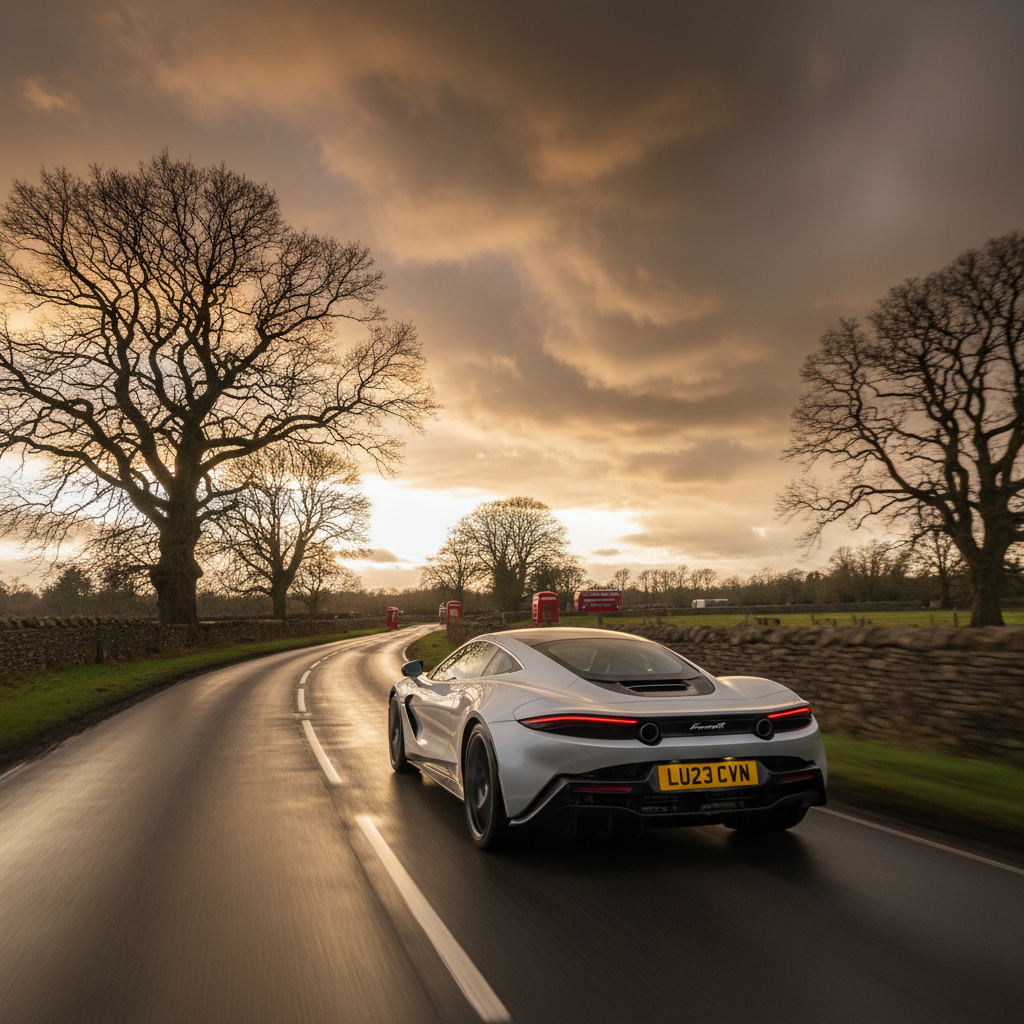
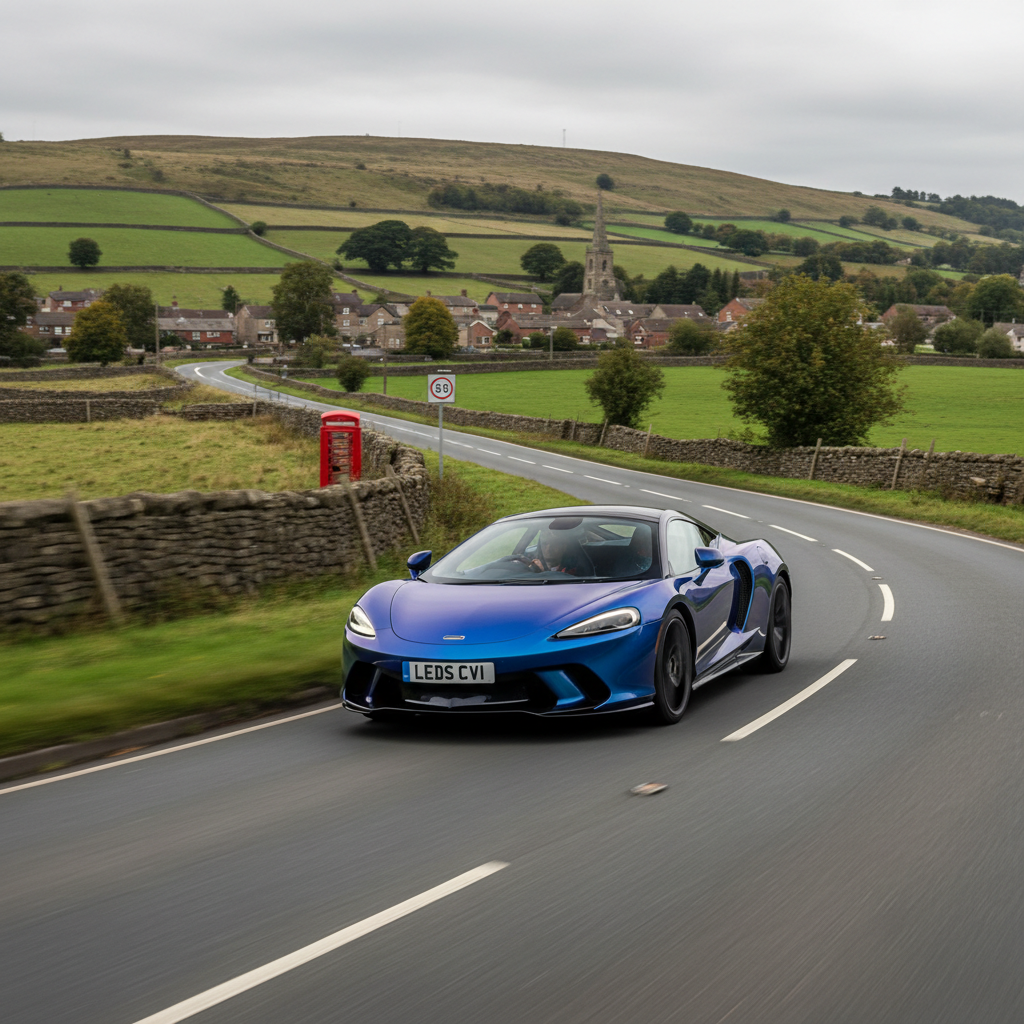
Consider the McLaren 765LT, highlighted by Auto Express as a top track day car. Its hydraulically-assisted power steering, a rarity in modern supercars, is praised for being “transparent and confidence inspiring in feel.” That’s precisely what we're talking about! That direct, unfiltered feedback is crucial for a driver to truly exploit the car's capabilities. Similarly, Evo praises a track car with “612bhp at your disposal… but it’s the cornering performance that leaves the biggest impression.” This focus on cornering prowess and neutral handling over raw straight-line speed is the very essence of driving dynamics. Indeed, the drive for new frontiers of speed, from V8 roar to hypercar envelopes, continues to shape this pursuit.
Even when looking at more accessible performance, like the budget rallying scene where Micras battle MX-5s (as reported by Autocar), the core principle remains: how well does the car engage the driver? How much fun is it to push its limits, whatever those limits might be? This grassroots motorsport is a brilliant proving ground for understanding what makes a car truly exciting to drive, regardless of its ultimate pace.
It's not just about headline figures; it's about the entire driving experience. It's why a well-sorted hot hatch can be just as engaging as a supercar on a twisty B-road, if not more so. It’s why some classic cars, like the rediscovered BMW 7 Series in Autocar's piece, hold such a grip on enthusiasts – they offer a tactile, unfiltered driving experience that modern cars, for all their technological wizardry, sometimes struggle to replicate.
So, whether you’re chasing lap times at Silverstone (as Trackdays.co.uk reminds us is perfectly achievable) or simply enjoying a spirited drive on your favourite road, remember that the true joy of performance motoring lies in the dynamics. It's the engineering that allows you to dance with the limits, the feedback that makes you feel intrinsically linked to the machine, and the sheer exhilaration of a perfectly executed manoeuvre.
Key Takeaways:
- Driver Engagement Reigns Supreme: Raw power is secondary to how well a car communicates its limits.
- Motorsport Matters: Lessons from MotoGP and WRC directly influence the dynamic brilliance of road cars.
- Feedback is King: Transparent steering and responsive chassis are vital for true driving thrills.
- Dynamics Over Bragging Rights: The most engaging cars aren't always the fastest on paper.
The pursuit of driving perfection is an endless journey, and this week has shown us, yet again, that the heart of performance motoring beats strongest where man and machine become one. Long live the thrill!