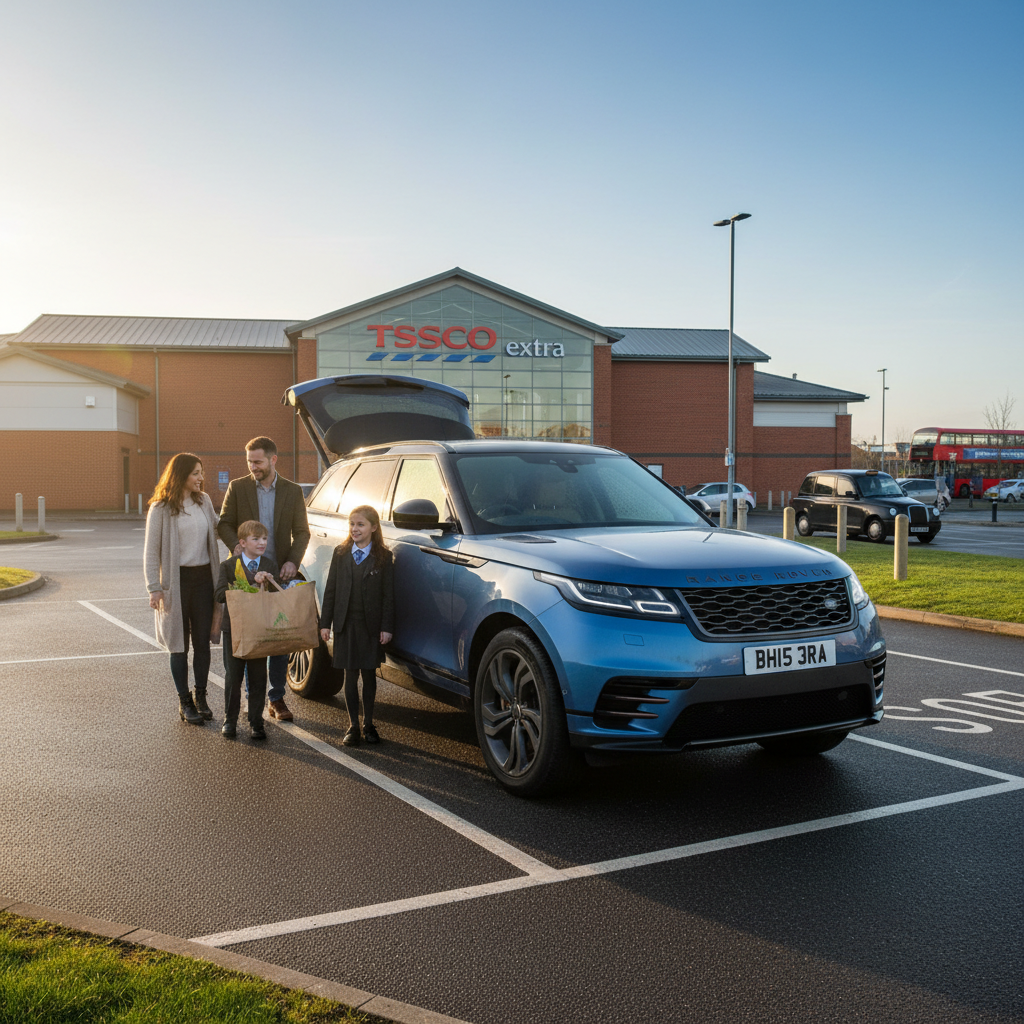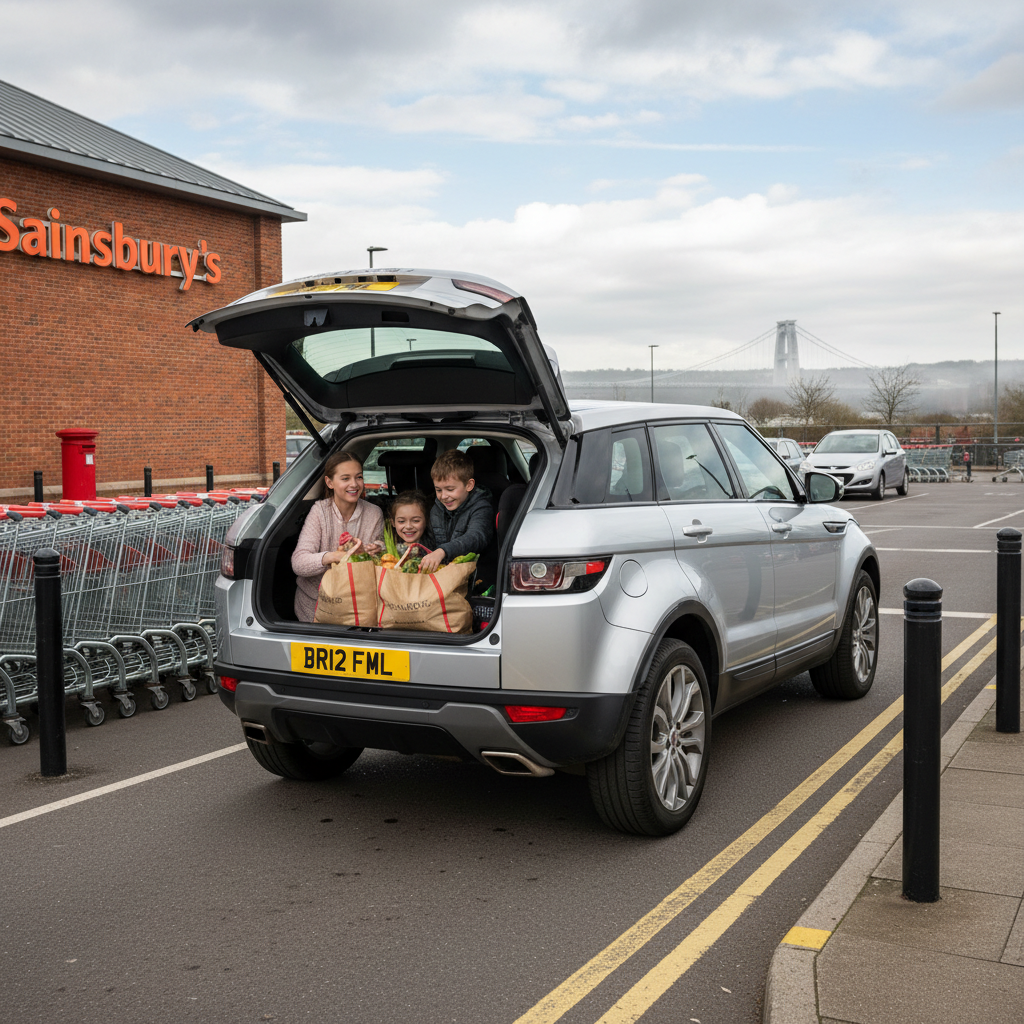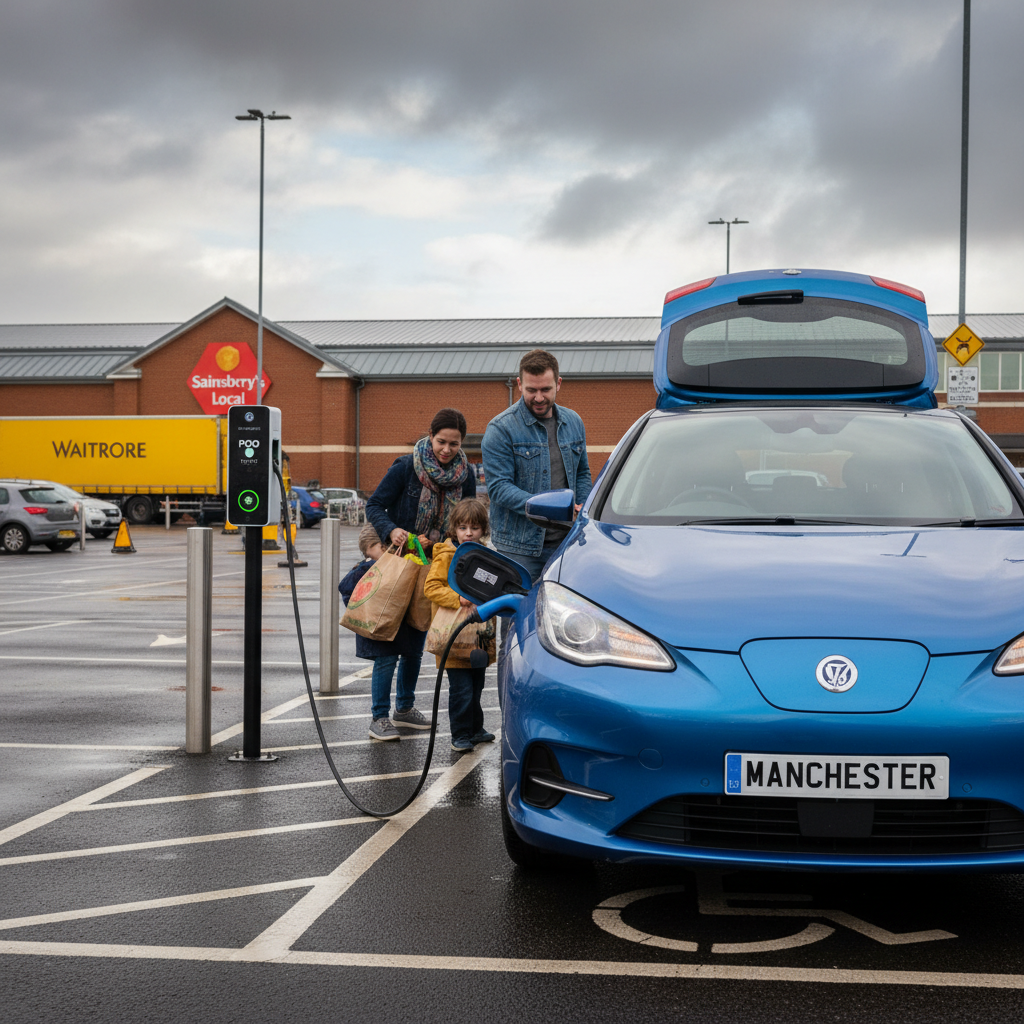



As a mum and a motoring editor, my focus is always on what truly matters to families: safety, practicality, and value. Forget the flashy brochures and 0-60 times – when you’ve got little ones strapped into car seats, the real metrics are crash test ratings, boot space for buggies, and running costs that don't break the bank. And speaking of breaking the bank, who isn't looking for ways to make our cars work harder for us?
The Buzz About the Future of Family Motoring
It's an exciting time to be a parent on the hunt for a new family car. While some headlines might focus on niche sports cars like Alpine's new electric crossover (electrive.com) or the big push for electric buses in places like Hyderabad, India (electrive.com), what really catches my eye are the developments that directly impact our daily lives. Think about it: a safer car, easier on the environment, and perhaps even a bit kinder to your wallet. That's the dream, isn't it?
Safety First, Always
When it comes to our children, compromise isn't an option. The Euro NCAP safety ratings are our gold standard, and as Auto Express rightly points out, a truly safe family car protects everyone – adults, children, pedestrians, and other road users. It's not just about surviving a crash, but avoiding one in the first place.
I'm always keen to see what vehicles are topping these lists. According to Parkers, the Volvo EX90 is predictably emerging as one of the safest new cars, boasting impressive adult and child protection scores. That's the kind of peace of mind we, as parents, are looking for. Similarly, Nationwide Vehicle Contracts emphasises looking for a five-star Euro NCAP rating, high passenger occupant scores, and essentials like ISOFIX points and child locks for peace of mind on the road. Even models that have been around a few years, like the Land Rover Discovery Sport, still hold their own with a five-star rating and strong child protection, according to Carwow.
Beyond the Conventional: Smart Tech Making a Difference
What's truly fascinating is how electric vehicle technology is evolving to make our lives easier and potentially more affordable. We're seeing innovations not just in the cars themselves, but in how they interact with our homes and infrastructure. For instance, Enercity in Germany has successfully sold electricity from EV batteries back to the power market (electrive.com). Imagine a future where your family car could actually generate a small income for your household by intelligently managing its charge! This 'vehicle-to-grid' technology isn't just a gimmick; it’s a smart way to utilise your car's battery capacity, perhaps offsetting some of those rising energy bills.How your next family EV could earn you money, not just save it.
Honda's investment in battery materials manufacturer Nexeon (electrive.com) also signals a push for more efficient and perhaps longer-lasting batteries. Better batteries mean longer range and potentially faster charging, which translates directly into less range anxiety on those long family road trips.
Practicality is King (or Queen!)
Let's be honest, we need cars that can handle the chaos of family life. That's why models with ample boot space for school bags, sports gear, and weekly shopping are always winners. While fancy electric saloons, like the one Toyota reportedly paused for Lexus (electrive.com), might turn heads, it's the practical SUVs and crossovers that often win our hearts. The BMW iX3, for example, is now available in a rear-wheel-drive version, with its configurator open for orders (electrive.com). And in China, Audi's sub-brand is expanding with models like the E7X (electrive.com), offering various variants at competitive prices – a keen indicator of where the market is headed for spacious, family-friendly EVs.
Even though we might not be driving robotaxis around the UK just yet, developments like Waymo's new Ojai model (electrive.com) show the direction of travel for vehicle design – more space, more comfort, and eventually, potentially safer autonomous transport for everyone.
Looking Ahead: What This Means for UK Families
The motoring landscape is changing fast. While initiatives like MAN and Dettendorfer's 'Green Brenner Initiative' (electrive.com) focus on commercial transport, the underlying message is clear: greener, more efficient vehicles are becoming the norm. For families, this means more choice in vehicles that are not only safer due to advanced assistance systems (which Euro NCAP rigorously tests, as Carwow notes) but also offer lower running costs thanks to electric power. We're seeing a shift towards vehicles that are genuinely built for the future, with safety and sustainability at their core.
If you've got kids in the back, keep an eye out for these crucial elements:
Key Takeaways for Savvy Parents:
- Prioritise Five-Star Euro NCAP Ratings: Always check the latest scores, focusing on child and adult occupant protection, and safety assist systems.
- Embrace Electric Vehicle Evolution: Look beyond the upfront cost; advancements in battery tech and potential vehicle-to-grid capabilities could save you money in the long run.
- Practicality Over Performance: Boot space, easy-access rear seats, and robust child safety features are far more important for daily family life than top speeds.
- Research Resale Value: A car that's safe, reliable, and efficient will likely hold its value better.
Ultimately, choosing your next family car is about making an informed decision that keeps your loved ones safe and fits seamlessly into your life. The good news is, the automotive industry is delivering more practical, safer, and increasingly smarter options than ever before. It's a journey, not just a destination, and our family cars are thankfully becoming better companions along the way. For more insights, explore how today's tech is driving tomorrow's safety & savings, and why the electric shift is more important than ever for UK households.