

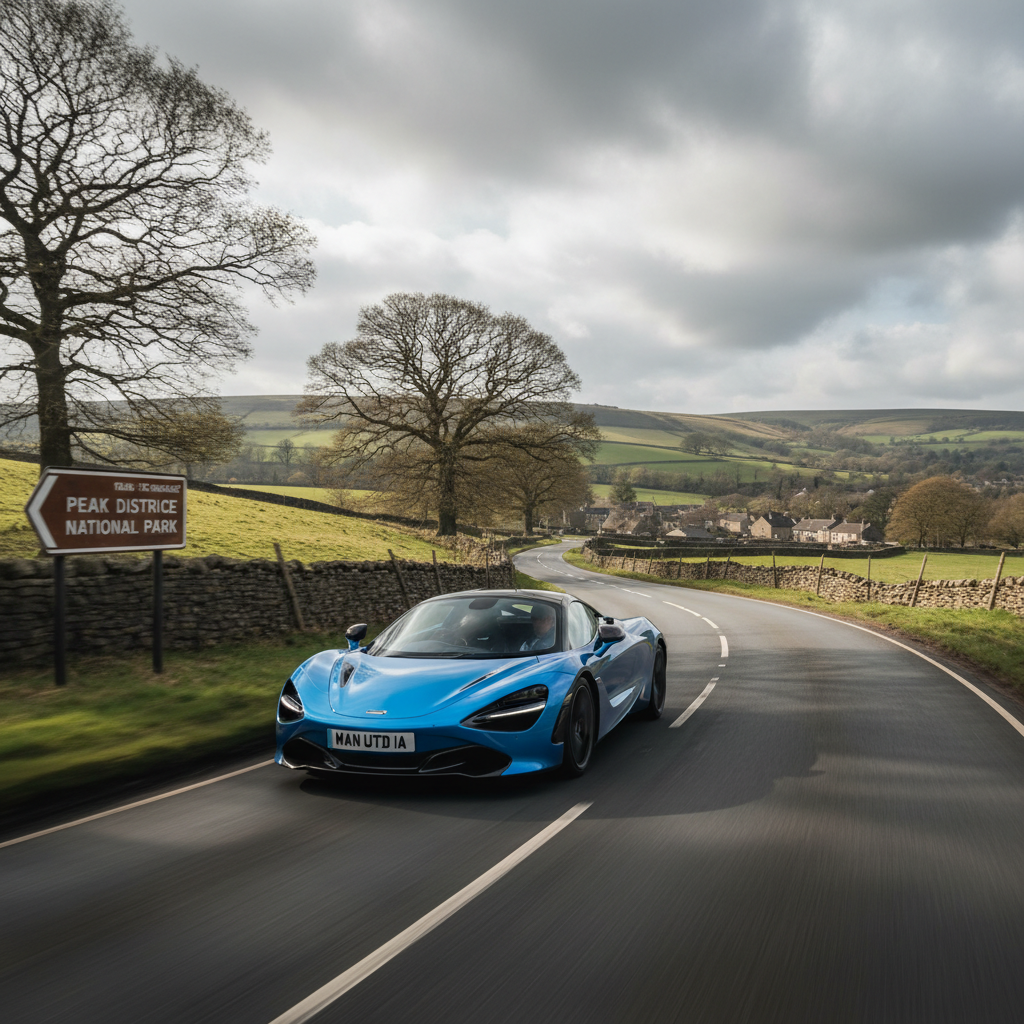
Alright, fellow petrolheads, buckle up! You know me, Dan Foster, and there’s nothing I love more than the smell of high-octane fuel and the scream of a finely tuned engine. This week, we're not just looking at the latest metal; we're witnessing a fascinating confluence where the raw, uncompromising demands of motorsport are directly shaping the very cars we lust after for our Sunday blasts and track day heroics. We’re talking about the vital link between a Peugeot snatching pole at Spa and the exhilarating feel of a McLaren’s hydraulic steering on your favourite B-road.
The Unexpected Heroes of Spa: Peugeot's Pole Position
Let's kick things off with a true underdog story, shall we? Malthe Jakobsen, in the #94 Peugeot 9X8, pulling off Peugeot’s maiden World Endurance Championship pole position at Spa. According to Autosport, he edged out the Cadillac by a mere 0.043s! Think about that – after a flat-spotted tyre and a spin at Raidillon, he still dug deep and delivered. That’s pure, unadulterated driving prowess. What does this tell us? It highlights the relentless pursuit of marginal gains, the finely fettled suspension geometry, and the incredibly responsive power delivery needed to shave those precious milliseconds. This isn't just about headline numbers; it's about the nuance of chassis tuning and driver feedback under immense pressure. That kind of real-world, high-stakes development filters down, trust me.
Rally's Relentless Grind and Road Car Resilience
Switching gears, the brutal, unforgiving stages of WRC Portugal saw Adrien Fourmaux in his Hyundai reclaim the lead after Oliver Solberg’s struggles. As Autosport reported, Fourmaux delivered strong pace, leapfrogging the Toyota driver early on. Rally cars are the ultimate test of durability, traction, and driver skill. The way they handle unpredictable surfaces, absorb monumental impacts, and transfer power through all four wheels is nothing short of engineering wizardry. Imagine that robust, confidence-inspiring chassis feel, that instantaneous torque delivery, finding its way into a hot hatch. We’re talking about a level of engineering integrity that makes your everyday performance car feel utterly planted, even when you’re pushing it hard on a less-than-perfect road. It’s the difference between a car that just goes fast and one that inspires true confidence.
F1's Future and the Quest for the Perfect Power Unit
Meanwhile, the pinnacle of motorsport, Formula 1, is already looking ahead to 2027. The FIA is tweaking regulations, particularly around power units. Autosport mentioned additional development opportunities for manufacturers, seemingly to help struggling outfits like Honda. This isn't just about levelling the playing field; it's about pushing the boundaries of thermal efficiency, hybrid integration, and sustained power output. These advancements, while perhaps not directly transferable, inspire the next generation of engine architecture and electrification strategies in our road cars. We’re already seeing hypercars like the Adrian Newey-designed masterpiece, lauded by Autocar, deliver ultimate performance and smash lap times, thanks to F1-derived thinking. The pursuit of peak power and intelligent energy recovery in F1 directly impacts the ballistic acceleration and seamless power delivery we demand from our next-gen sports cars.
The Tyre & Oil Connection: Unsung Heroes of Performance
But let's not forget the fundamentals. Tyres are the only connect between your pride and joy and the tarmac. As Autocar recently highlighted, the 'wrong' tyres can sabotage your car’s MPG. But for us, it's about grip, feel, and ultimately, lap times. A great tyre transforms a good chassis into a truly responsive and engaging package. And engine oil, that vital lifeblood? Autocar also reported a significant increase in engine oil prices due to geopolitical events, which will impact service bills. These are the often-overlooked, yet critical, components that underpin true performance. Skimp on them, and you compromise everything – from feel to outright speed.
McLaren, Porsche, and the Hypercar Horizon
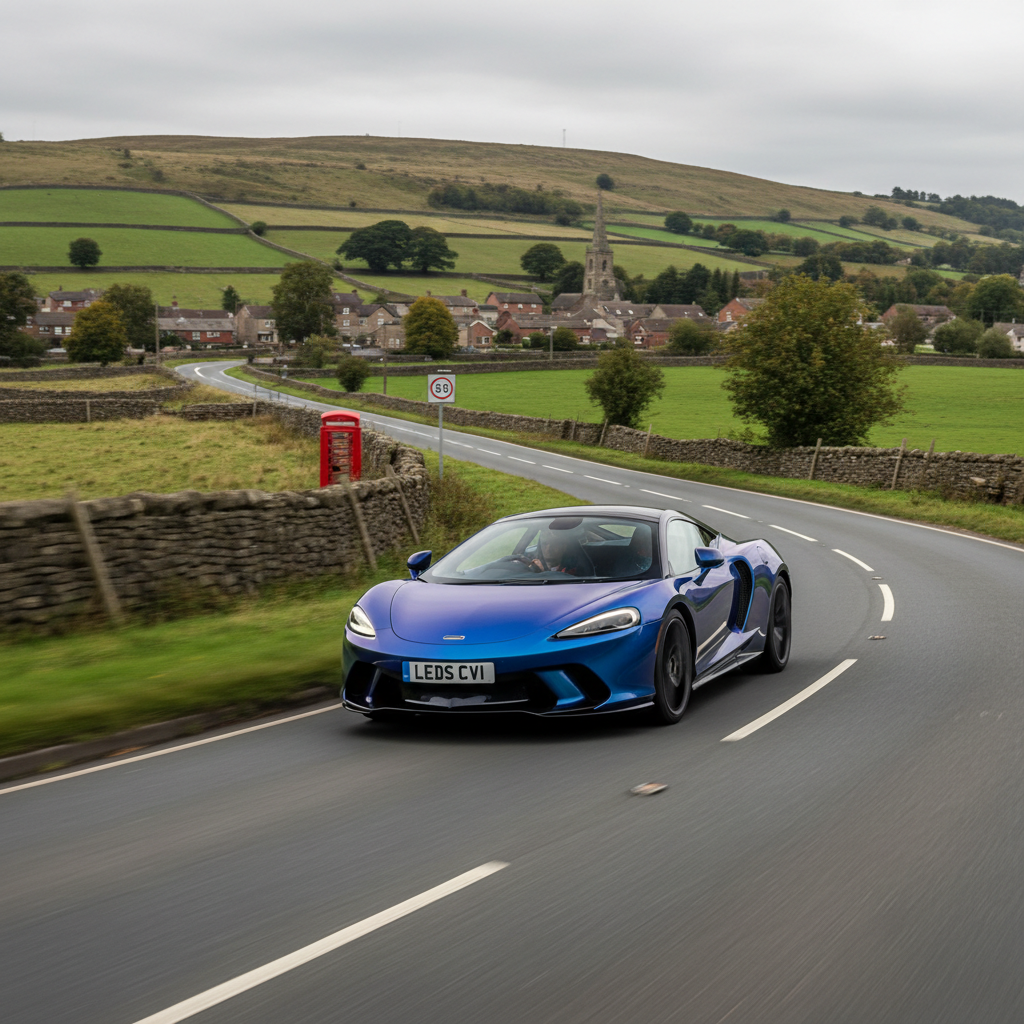
The announcement that Laurens Vanthoor will join McLaren’s 2027 WEC Hypercar programme, on loan from Porsche no less, as reported by Autosport, is incredibly exciting. This cross-pollination of talent, these legendary marques pushing the boundaries of what’s possible in endurance racing, guarantees innovation. The McLaren 765LT, for instance, mentioned by Auto Express as a top track day car, benefits immensely from its hydraulically-assisted power steering, offering transparent and confidence-inspiring feedback. This is the kind of driver engagement we crave, and it's born from the relentless pursuit of perfection on the track.
Key Takeaways for the Driving Enthusiast:
- Motorsport is the ultimate proving ground for future road car tech.
- Focus on chassis dynamics, power delivery, and driver feedback over raw numbers.
- The right tyres and quality lubricants are non-negotiable for optimum performance.
- F1 and WEC innovations will continue to shape hypercar and sports car development.
- Driving engagement remains key, with hydraulic steering lauded for its feel.
If you live for that perfect apex, the sensation of a chassis communicating every nuance of the road, and the sheer thrill of ballistic acceleration, then this interconnected world of motorsport and performance cars is where our passion truly thrives. From the cutting edge of WEC to the demands of WRC, the lessons learned are directly applied to the cars that set our pulses racing. It’s a virtuous cycle of innovation, ensuring that the future of driving remains, unequivocally, exciting. The quest for driving perfection, from rally icons to hypercar dreams, continues to evolve, pushing boundaries and redefining what's possible on and off the track. This relentless pursuit ensures that driving dynamics remain the unsung hero of performance, dictating not just speed, but also the sheer joy and bliss we experience behind the wheel. This journey from the circuit chaos to road-going comfort epitomizes how racing's cutting edge ultimately refines tomorrow's road cars.