

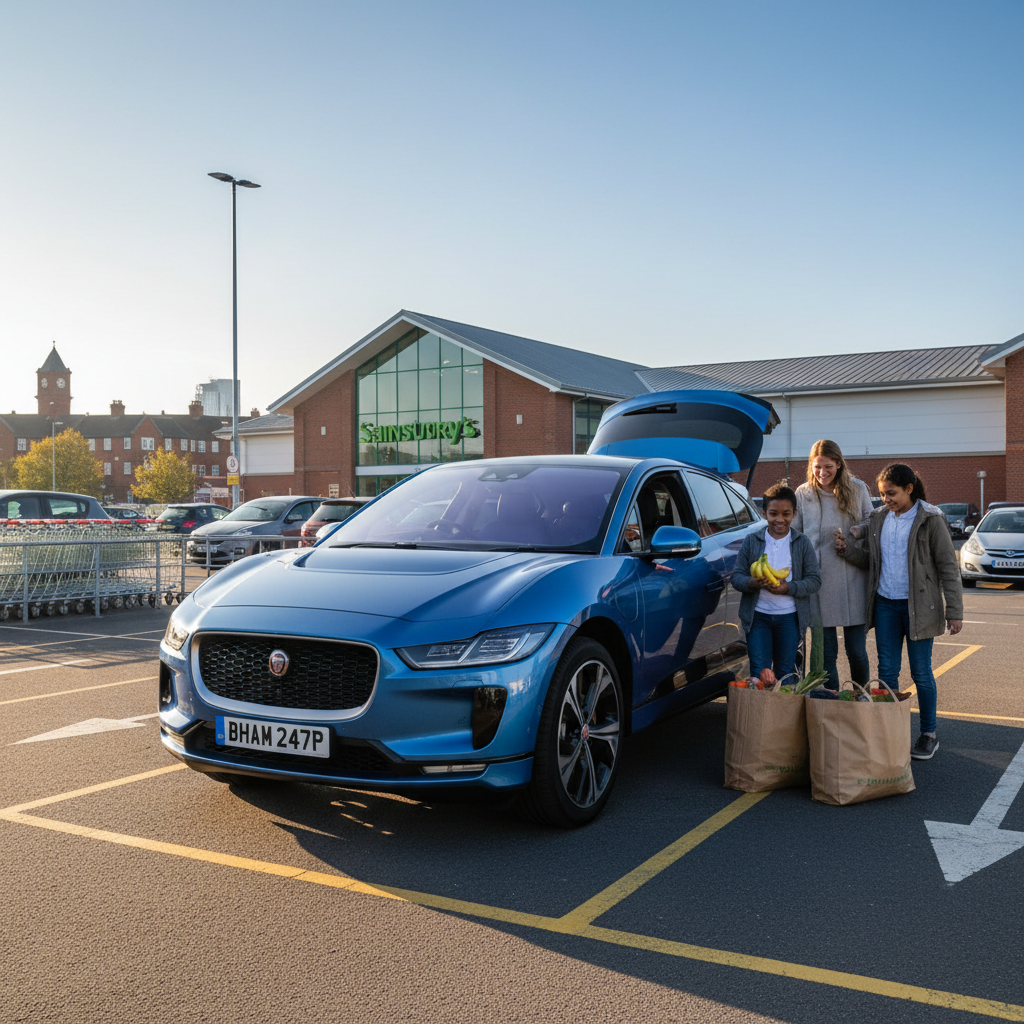
As a mum of two and a motoring editor, my inbox is often buzzing with questions from parents navigating the complex world of family cars. And let's be honest, while a car's 0-60 time might impress some, what truly matters to us parents is the peace of mind that comes with knowing our precious cargo is in the safest hands possible. This week, as I sifted through the latest motoring news, a clear theme emerged: the electric revolution isn't just about saving the planet; it's quietly transforming the landscape of family safety and practicality, right here in the UK and beyond.
The Drive for Safer Roads: From Buses to Family Cars
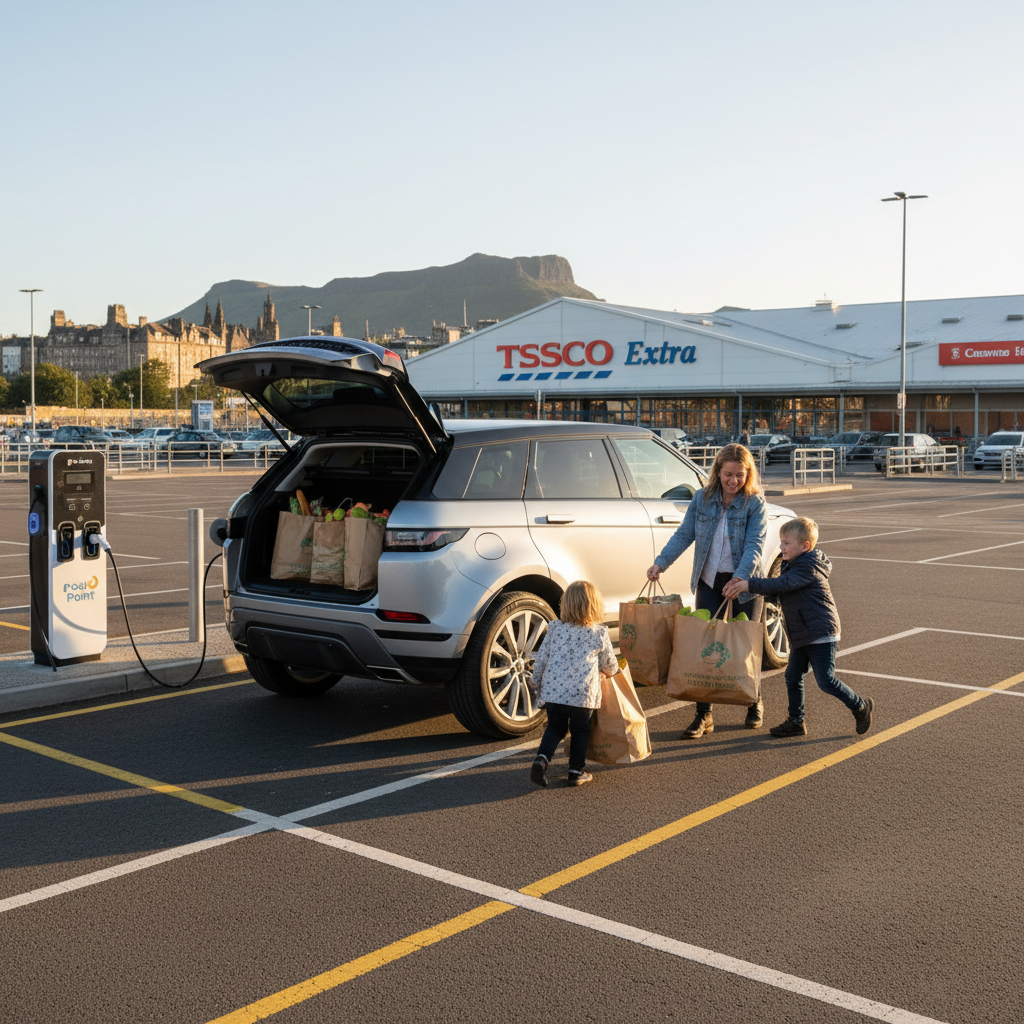
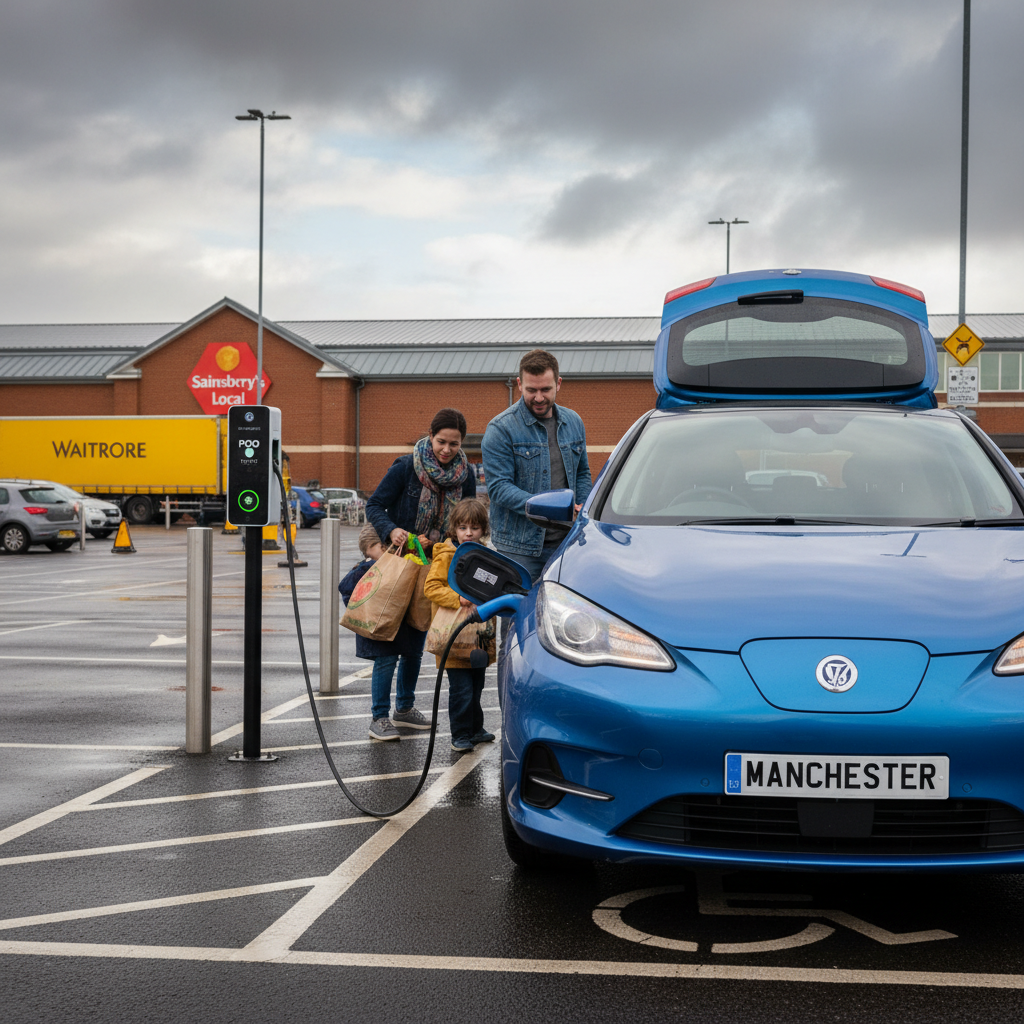
It’s fascinating to see how swiftly the world of transport is embracing electrification, and what that means for us as families. We’re not just talking about new electric family cars here. For instance, the news from Australia about Kempower delivering Australia's first pantograph-down electric bus chargers, or First Bus launching repowered electric buses in Bath, might seem distant. But these are foundational steps. They signal a wider adoption of robust electric infrastructure, which ultimately supports the ecosystem for electric family vehicles. Think about it: more charging points, like the new high-speed hub in Dublin by EZO and eir, mean less 'range anxiety' for those long school holiday drives.
And it's not just buses. Heavy-duty vehicles are going electric too, with Scania investing €70 million to build electric trucks in France. While these aren't cars we'd be taking on the school run, a move towards cleaner, quieter commercial vehicles on our roads contributes to a safer, healthier environment for our children.
Safety First: Why EV Platforms are Game Changers
When it comes to family cars, safety is non-negotiable. And this is where the electric revolution truly shines. Dedicated electric platforms, like Stellantis's STLA One, which will underpin future Peugeot models from 2029, are designed from the ground up for electric powertrains. This often means a lower centre of gravity, which improves stability, and more structural rigidity to protect occupants.
Our research consistently highlights that a five-star Euro NCAP rating is the absolute minimum standard for any family car. As Auto Express rightly points out, 'Making a truly safe family car isn’t just about protecting the adults in the front seats, children in the rear have to be properly protected, and so do pedestrians and other road users.' This holistic approach to safety is paramount. Carwow tells us that models like the Volvo EX90 scored an impressive 93% for child protection, while the Seal 6 achieved 90%. These are the figures that truly offer peace of mind.
Crucially, Euro NCAP tests are constantly evolving, becoming stricter each year. So, when considering a 'safe' car, it's vital to look at when it was tested. A five-star rating from 2018 might not meet today's rigorous standards, as Carwow reminds us.
Practicality and Affordability: Beyond the Hype
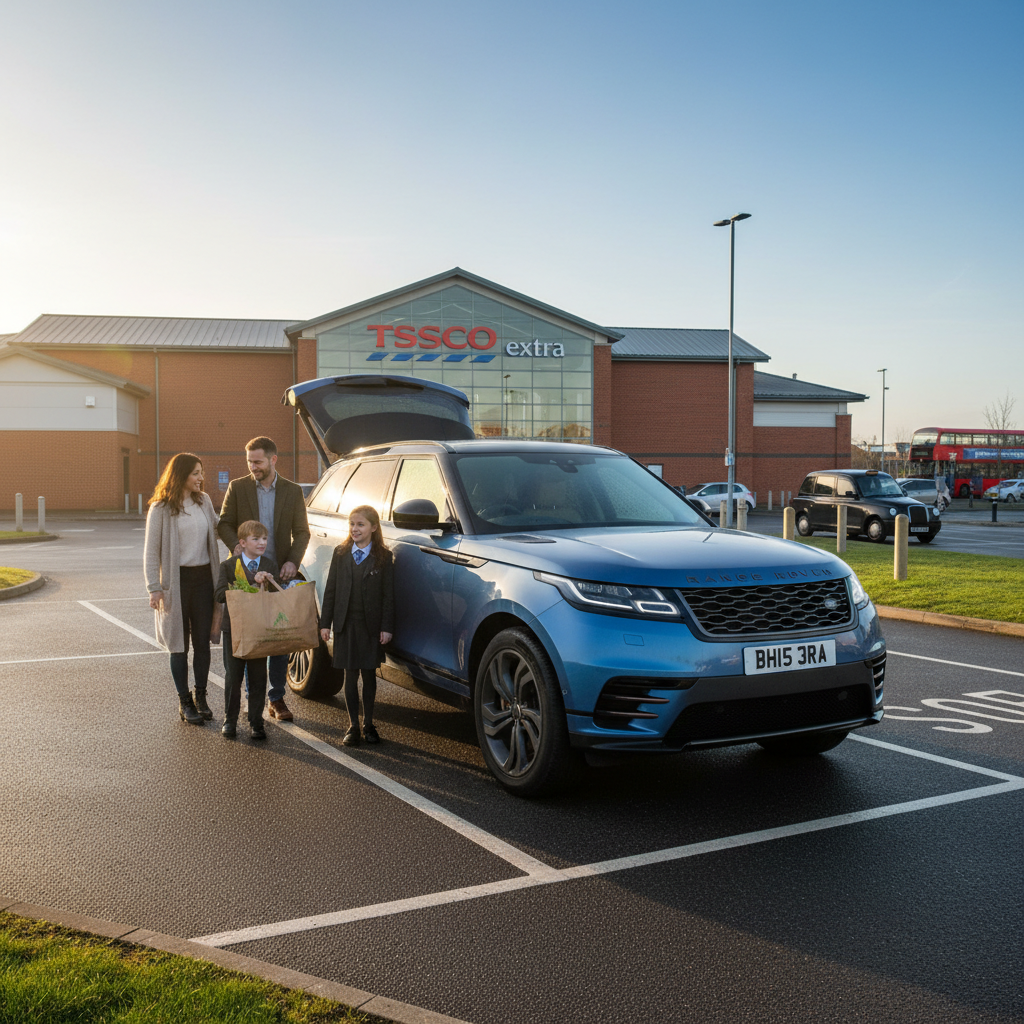
Let's talk practicality. For families, this means ample boot space for buggies, school bags, and holiday luggage. It means easy-access rear seats for fitting child seats and ensuring those all-important ISOFIX points are readily available. The Land Rover Discovery Sport, for example, despite being around for a few years, still offers great family-friendly features and a solid safety rating, including compact third-row seating – a godsend for larger families or carpooling.
The push for electric cars also means a wider variety of models are becoming available, and critically, more competitively priced. While BYD is seeing a marginal increase in sales globally, and Tesla cutting prices for the Model Y in India, it signifies a healthy, competitive market where manufacturers are striving to make EVs more accessible. The news that MG is building its first EU factory in Spain with a huge annual production target of 120,000 vehicles is particularly exciting. MG has a reputation for offering good value, and this increased manufacturing capacity could lead to more affordable, family-friendly electric options hitting our showrooms soon.
However, a note of caution: while the world marches towards electrification, some manufacturers are making decisions that might impact user experience. Volkswagen locking its API for external charging control is a reminder that we, as consumers, need to keep an eye on how car tech impacts our practical, everyday usage.
The Norwegian Blueprint: A Glimpse into Our Future?
If you're wondering what the ultimate EV future looks like, just peek at Norway. Their new car market is maintaining an incredible 98% EV share. This isn't just about environmental credentials; it's about a fully integrated infrastructure and consumer confidence. For us UK families, this is a strong indicator of what's possible and what we can expect as our own EV infrastructure matures.
Ultimately, the move towards electric vehicles isn't just about being ‘green’. It’s about more than that. It's about designing cars that are inherently safer due to their construction, benefiting from advanced driver assistance systems, and increasingly becoming a more affordable and practical choice for families. As parents, we want to know our children are safe, that we're making a sensible financial decision, and that the car fits seamlessly into our busy lives. The latest developments suggest the electric family car is truly coming into its own.
Key Takeaways for Family Motoring:
- Safety is Paramount: Always prioritise a car with a recent 5-star Euro NCAP rating, focusing on high child occupant protection scores.
- EVs & Safety Go Hand-in-Hand: Dedicated electric platforms often translate to improved structural safety and a lower centre of gravity.
- Practicality Matters: Look for ample boot space, easy child seat access, and reliable ISOFIX points.
- Affordability on the Horizon: Increased competition and production are making electric family cars more accessible than ever.
- Infrastructure is Growing: More charging points mean less worry for long journeys.
Conclusion: A Brighter Road Ahead
For UK families, the evolving electric vehicle market offers a compelling blend of enhanced safety, growing practicality, and increasingly attractive value. What was once seen as a niche is rapidly becoming the sensible, family-friendly choice. We’re moving towards a future where our family cars are not just efficient for the planet, but also more reliable, safer, and ultimately, provide greater peace of mind on every journey, from the morning school run to those cherished family adventures.