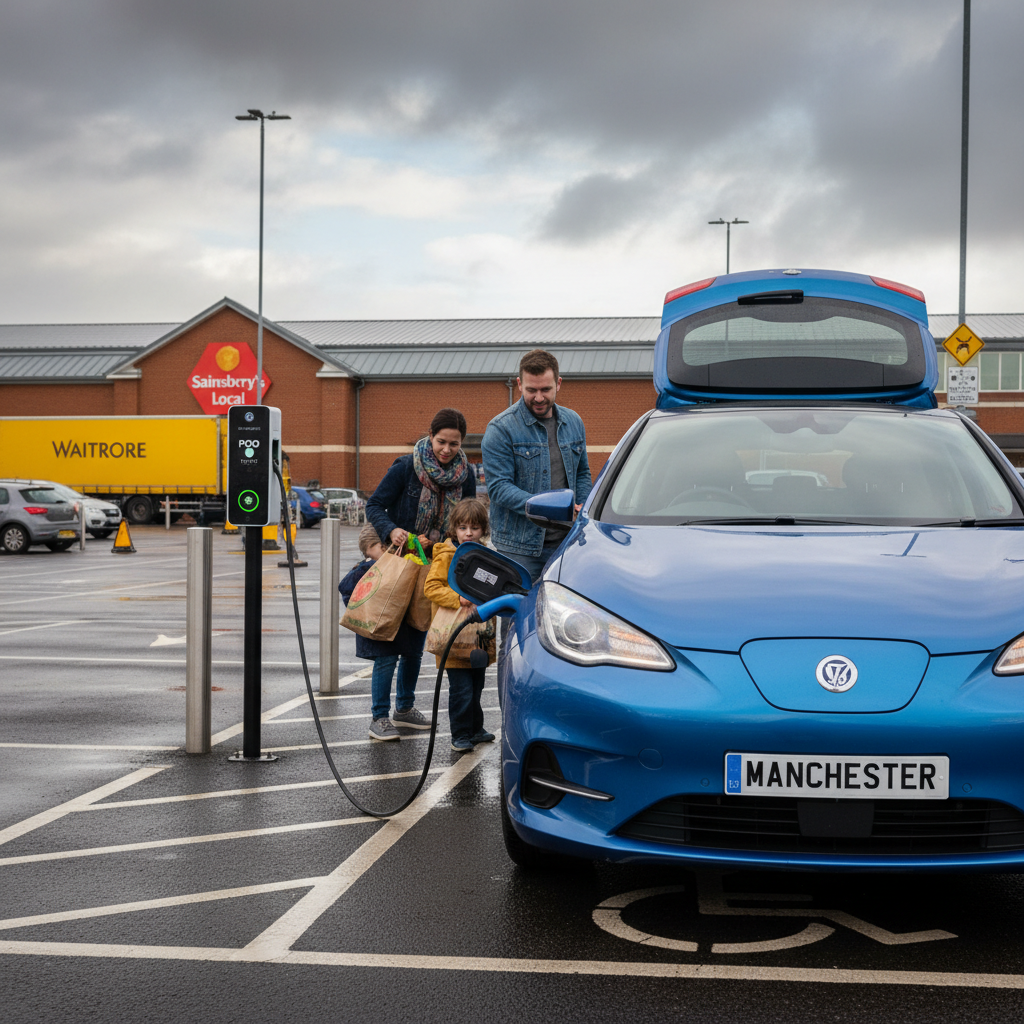



Picture the scene: you’ve finally managed to bundle the kids into the back, buckled the car seats, found the missing shoe, and programmed the sat-nav, only to start worrying about the sheer cost of keeping the family wheels turning. If you’ve got kids in the back, you know that every single penny in the household budget counts, and keeping a close eye on future running costs is just as important as choosing a vehicle with a five-star safety rating.
This week, we’ve seen some major shifts in the motoring world that will directly affect how we plan our family finances over the coming years. From incoming UK tax changes to more affordable electric hatchbacks landing on the market, let’s cut through the industry jargon and look at what these developments actually mean for your weekly school run and peace of mind.
The 2028 EV Mileage Tax: Time to Plan Ahead
First, let’s address the elephant in the room. The UK government has officially confirmed the introduction of a new mileage-based electric vehicle tax starting in 2028, as reported by Electrive. For families who have already made the switch to electric, or those currently weighing up an EV as their next reliable family car, this is a crucial piece of the financial puzzle.
While paying tax based on how much you drive might sound daunting when you’re constantly chauffeuring kids to swimming clubs and weekend football matches, there is no need to panic. The key here is future-proofing. Between now and 2028, the market is adjusting, and the transition gives parents plenty of time to calculate their average annual mileage. Transitioning to a mileage-based system means we must focus more than ever on overall efficiency and choosing cars that offer genuine value for money from day one.
Affordable EV Options: The Cupra Raval Plus
Fortunately, the motoring industry is starting to realise that families need affordable, practical choices, not just high-end luxury cruisers. In a very welcome move for the household budget, Cupra has launched a cheaper variant of its electric compact, the Raval Plus, starting at just under €30,000 (around £25,000), according to Electrive.
With a 37-kWh battery and a highly usable 99-kW motor, this is a sensible, compact hatchback engineered for the realities of modern parenting. If you don’t need a giant SUV but still want a safe, agile, and easy-to-park vehicle for urban trips, this budget-friendly option keeps your family in safe hands without breaking the bank. It proves that practical, daily zero-emission motoring is steadily becoming accessible to ordinary households.
Behind the Scenes: Manufacturing and Charging Upgrades
Reliability is the ultimate currency for parents. You need to know that your car will start every single morning without fail. Behind the scenes, major manufacturers are investing heavily to ensure the next generation of family cars is more dependable than ever. For instance, Electrive reports that Hyundai and SK On have officially started joint venture battery cell production in Georgia, USA. This secure, massive-scale battery supply chain means more consistent build quality and long-term battery health for the electric family SUVs we rely on.
Additionally, if you’ve ever wrestled with public charging units while a toddler screams in the back, you’ll appreciate any move to simplify public charging. Jaguar Land Rover (JLR) is switching its European charging service provider from Plugsurfing to Digital Charging Services (DCS), as detailed by Electrive. This upgrade is aimed at giving plug-in hybrid and electric JLR drivers a more seamless, reliable, and stress-free charging experience when out and about with the family.
Market Realities: The Out with the Old
We are also witnessing some historic passings of the torch in the automotive world. Porsche is officially ending production of its petrol-powered Macan SUV to focus on its electric successor, according to Electrive. This is a stark reminder of how quickly the market is moving. Meanwhile, luxury EV maker Lucid has had to publicly deny rumours of a bankruptcy evaluation after a media report triggered a massive share drop, as reported by Electrive. For family buyers, this volatility highlights why sticking to established, trusted brands with robust service networks is often the safest bet for securing long-term peace of mind.
Key Takeaways for Busy Parents
- Plan for 2028: Start tracking your annual school run and holiday mileage now to understand how the upcoming UK EV mileage tax will impact your weekly budget.
- Budget-Friendly Gems: Keep an eye on incoming compact electric options like the Cupra Raval Plus, which aim to bring down the entry cost of stylish, safe EV motoring.
- Stick to the Giants: With start-up EV brands facing market turbulence, choosing established manufacturers offers better long-term reliability and parts availability.
- Charging Made Easier: Improved networks, like JLR’s transition to DCS, are gradually removing the public charging headaches that families dread.
The Verdict
The road ahead is changing, but it is changing in a way that ultimately prioritises efficiency, reliability, and accessibility. While the 2028 mileage tax means we have to be smarter about planning our driving habits, the arrival of more affordable electric compacts and stronger battery supply chains shows that the car market is working hard to keep our families safe, mobile, and on budget. The tech shift is saving your family budget, putting practicality first. These advancements are making electric vehicles a more viable option for everyday households, ensuring that the latest EV shake-ups are cutting the cost and hassle of family motoring. Indeed, the great electric shift is finally twisting in favour of the family budget.