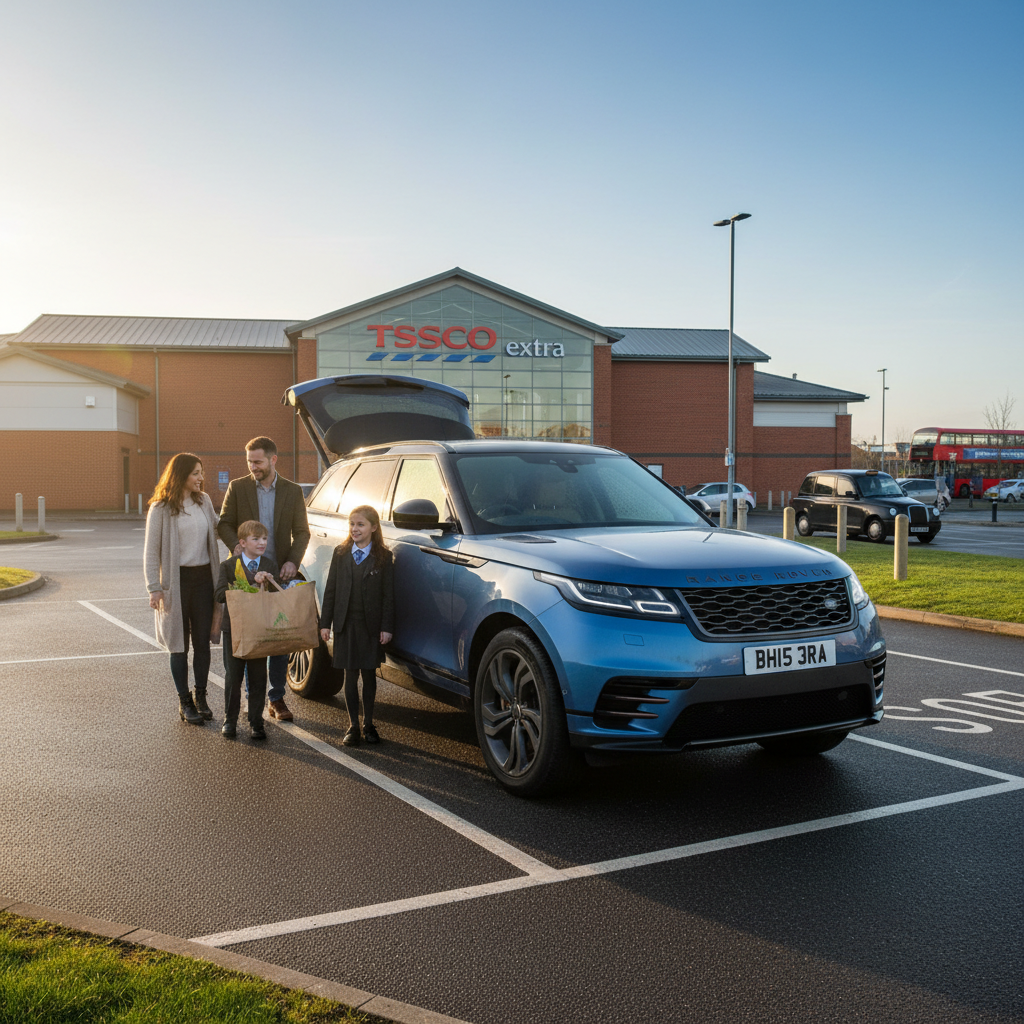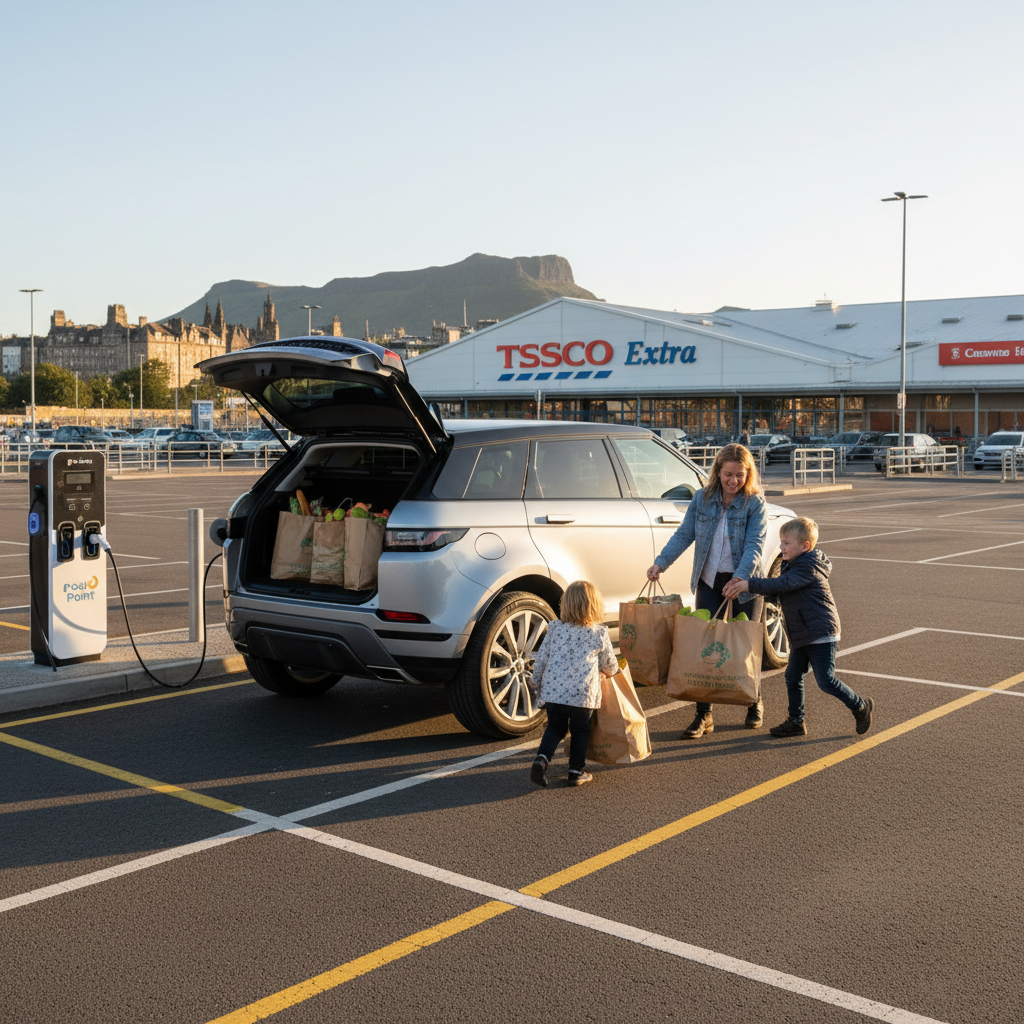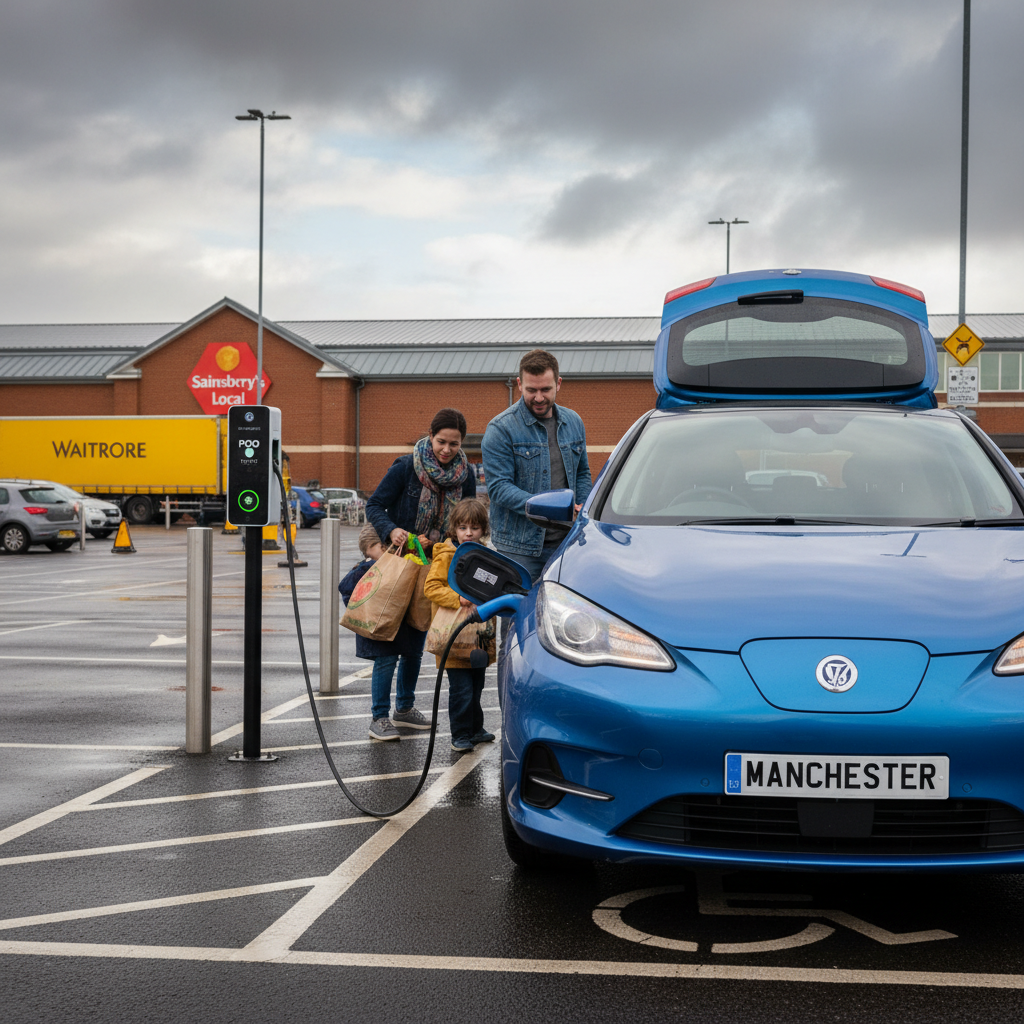


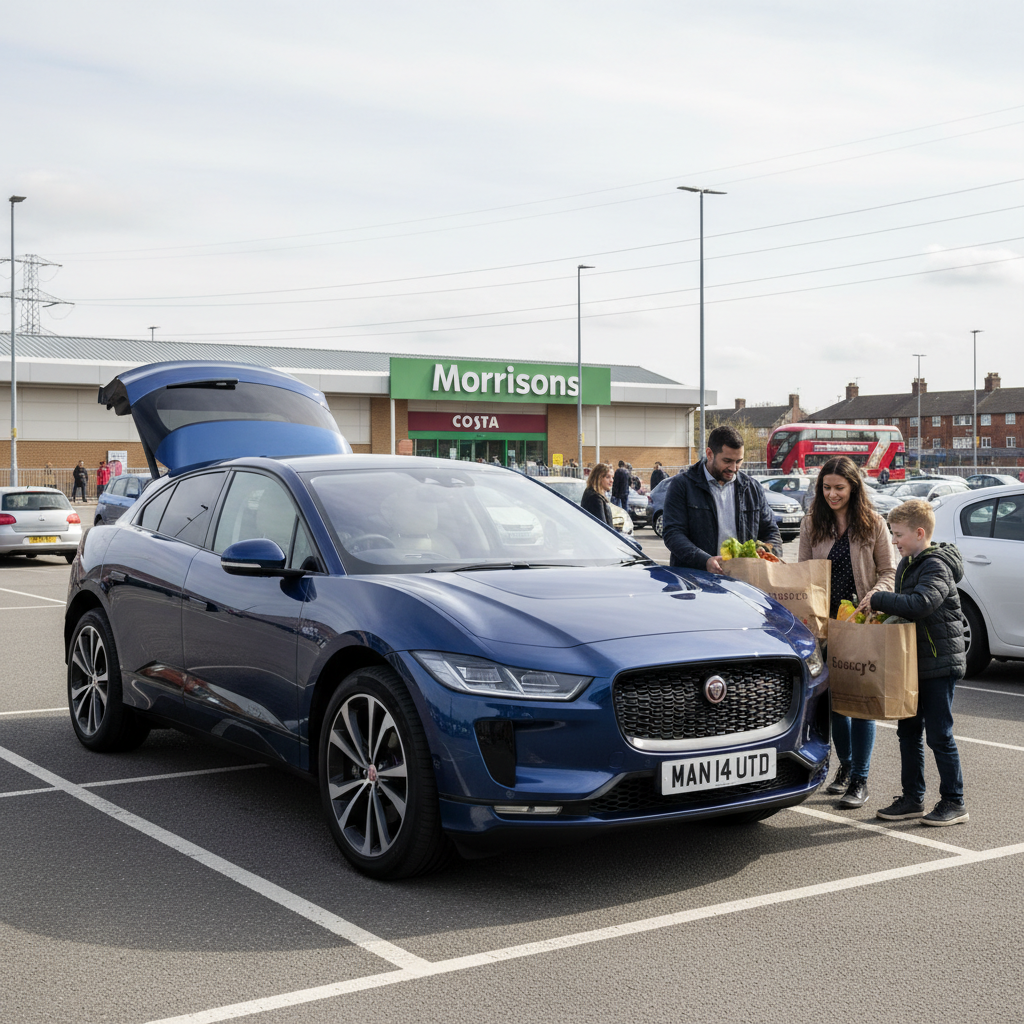
As a mum and family motoring editor, I know that for us parents, a car isn't just about getting from A to B. It's a mobile command centre, a safe haven, and often, a second home. We're juggling school runs, grocery hauls, and weekend adventures, all while keeping a keen eye on the budget and, most importantly, the safety of our precious cargo. That's why the electric vehicle (EV) revolution, with all its exciting innovations, is something I watch very closely indeed.
Forget the 0-60 sprint times; what truly matters for families is that five-star Euro NCAP rating, accessible ISOFIX points, and enough boot space for a buggy and the weekly shop. Over the past few weeks, there's been a buzz of activity in the EV world, and I'm here to translate it into what it really means for you and your family.
Safety First, Always: The EV Advantage
When it comes to safety, electric vehicles are consistently outperforming their petrol and diesel counterparts. Modern EVs are often built with robust battery structures that add rigidity, and their lower centre of gravity helps with stability. We've seen this reflected in Euro NCAP tests, which, as Nationwide Vehicle Contracts highlights, are the gold standard for assessing car safety. Cars like the Volvo EX90, recognised by Parkers, or the BYD Seal 6, praised by Auto Express for its stellar child occupant protection, are setting new benchmarks.
But safety isn't just about surviving a crash; it's about preventing one. Advanced driver-assistance systems (ADAS) are becoming standard, offering features like automatic emergency braking and lane-keeping assist – invaluable tools for avoiding those unexpected bumps on the school run. As Carwow points out, Euro NCAP's tests are constantly evolving, pushing manufacturers to innovate in pedestrian safety and child seat fitment, ensuring our cars are true safe hands for everyone. This insight into how new innovations are shaping safer, smarter rides is paramount for family motorists.
Charging Ahead: Practicality for Busy Lives
One of the biggest concerns for families considering an EV is charging. Will it be easy? Will it be reliable? The good news is that the infrastructure is developing at pace, albeit with some bumps in the road. For instance, electrive.com reports on targeted thefts forcing high-power charging stations offline near Naples – a reminder that infrastructure security is vital. However, on a more positive note, we’re seeing innovations like DKV's new charging card for electric trucks (electrive.com), which, while aimed at commercial vehicles, shows the industry's commitment to making charging seamless and accessible for all. These charging innovations are making EVs a reality for your family and mitigating range anxiety.
For us private car owners, the big game-changer could be bidirectional charging. Imagine your EV not just taking power from the grid, but giving it back to your home, saving you money during peak times! While Germany is 'dawdling' with regulations according to electrive.com, the concept promises to make EVs even more integrated and cost-effective for family life. The idea of your car powering your home during an outage, or even just lowering your electricity bill by providing power during expensive peak times, is incredibly appealing for budget-conscious parents. It's all part of navigating the new age of EVs with these fresh innovations.
The Bigger Picture: A Sustainable Future for Our Kids
Beyond the immediate practicality and safety, choosing an EV is also a vote for a more sustainable future for our children. The push for electric transport is global. We see cities like Hanoi planning 1,000 battery-swapping stations (electrive.com) and the Nordic countries leading the charge with two in three new cars now electric (electrive.com). This momentum signals a future where EVs are the norm, not the exception.
And what about the batteries themselves? The environmental impact of battery production and disposal is a valid concern. That's why news of Australian battery recycling startups, like Renewable Metals securing significant funding (electrive.com), is so encouraging. It means a more circular economy for our EVs, reducing waste and ensuring these vehicles are truly green from start to finish.
Even the development of advanced battery technology, such as Ganfeng's pilot production of solid-state batteries (electrive.com), promises longer ranges and faster charging in the future – addressing those lingering range anxiety worries that some families still have.
The Verdict: EVs in Safe Hands
For UK families, the electric vehicle landscape is maturing rapidly. While there are still challenges to overcome, particularly in ensuring robust and reliable charging infrastructure across all regions, the benefits for safety, running costs, and environmental impact are becoming undeniable. When you’re looking for your next family car, keep that five-star Euro NCAP rating at the top of your list, look for practical charging solutions and remember, an EV isn't just a car; it's a smart, safe, and sustainable choice for your family's future. This reinforces why electric is becoming the smartest family choice overall.
Key Takeaways for UK Families:
- Safety is Paramount: Modern EVs consistently achieve top Euro NCAP ratings, with excellent child occupant protection and advanced safety features.
- Charging is Evolving: While some areas face challenges, innovations like bidirectional charging and improved infrastructure are making EV ownership more practical.
- Sustainability Matters: From battery recycling to global adoption, EVs are part of a larger movement towards a cleaner planet for our children.
- Financial Sense: Lower running costs and potential energy savings with features like vehicle-to-grid charging make EVs increasingly appealing for family budgets.