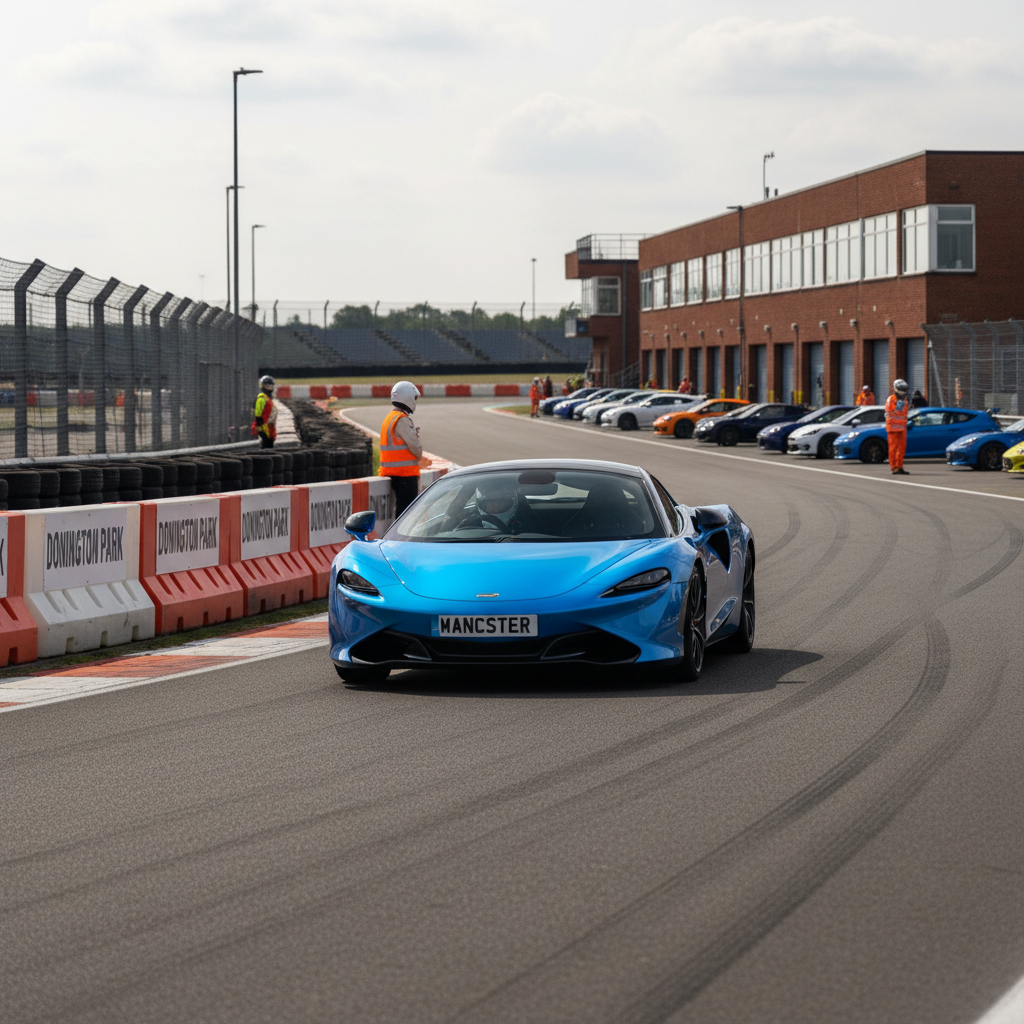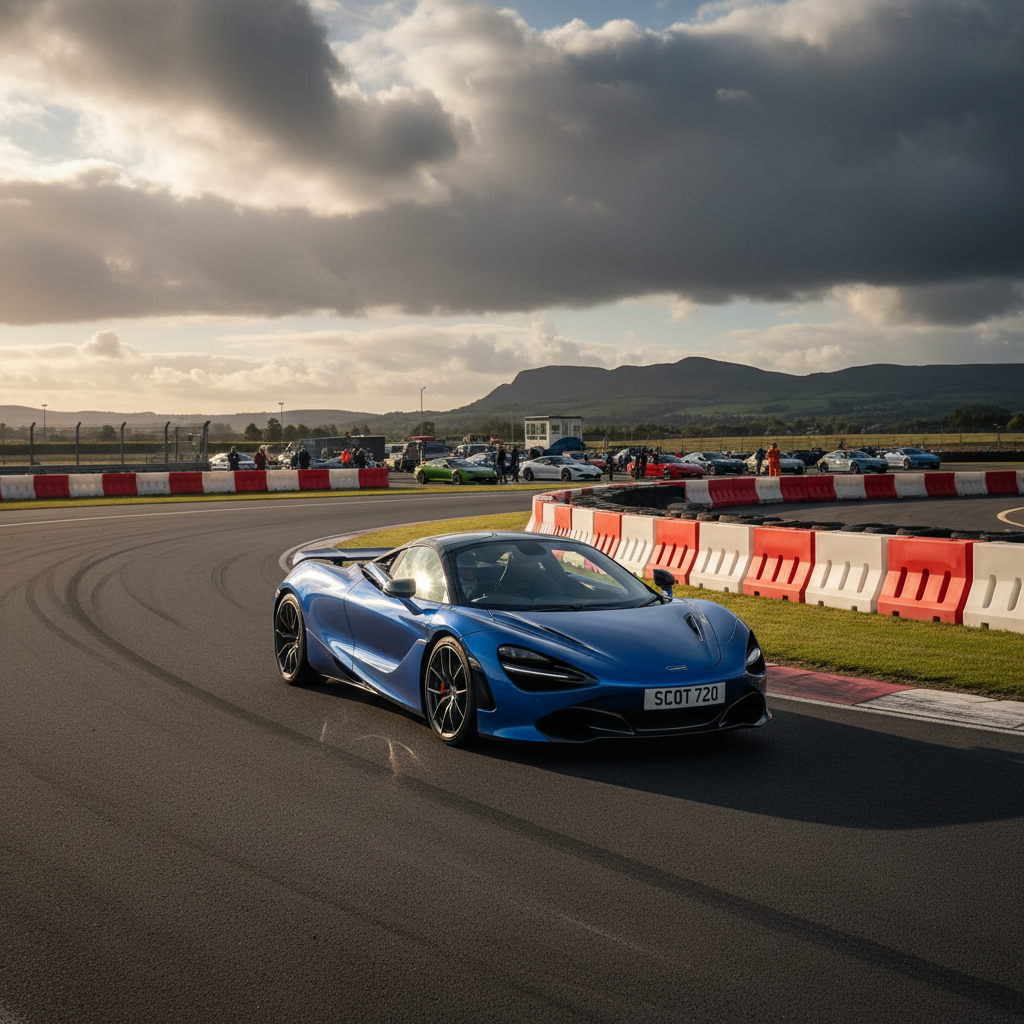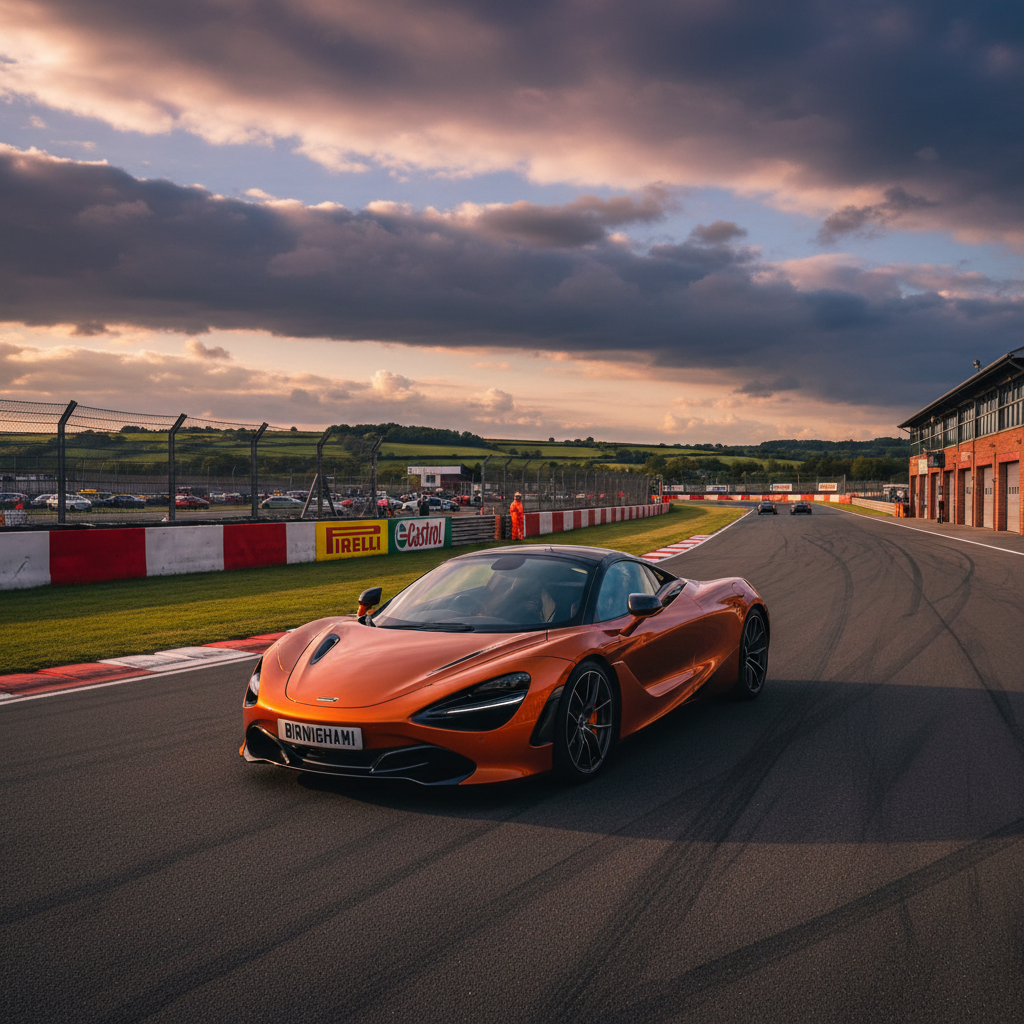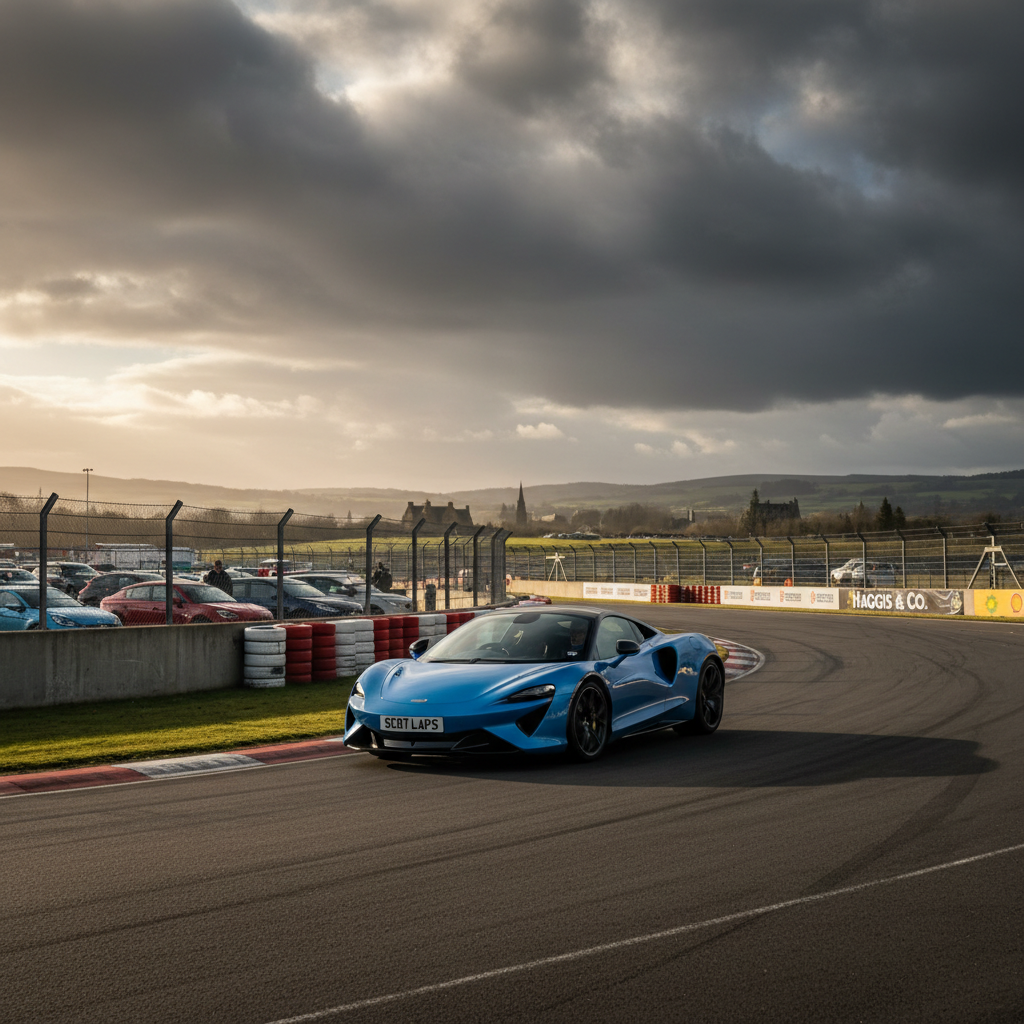


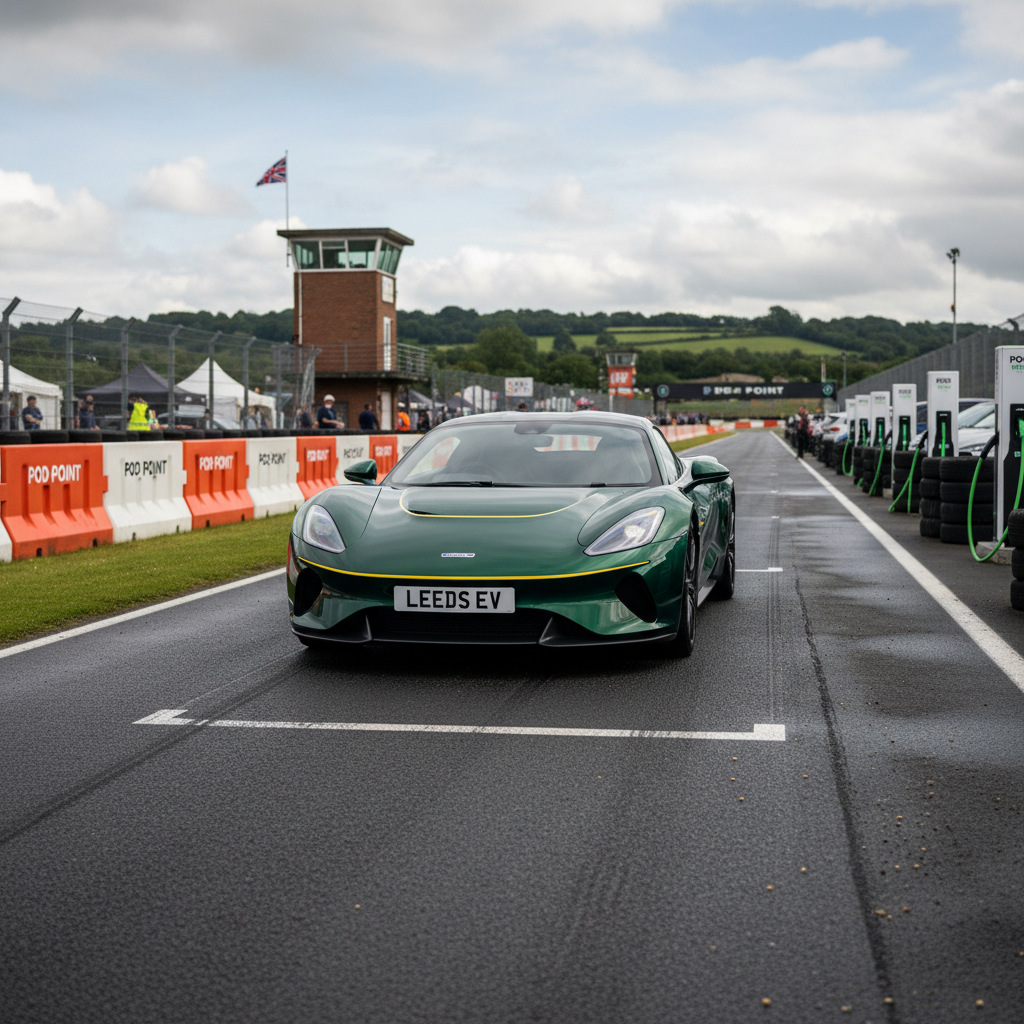
We are living in an era of ballistic, heavy, and increasingly over-complicated performance cars. As manufacturers pivot to electrification, we’re seeing ultra-fast EV saloons and SUVs that use active anti-roll bars, rear-wheel steering, and complex torque-vectoring software simply to mask their massive kerb weights. But if you live for that perfect apex, you know that clever software can never truly replace the pure, unadulterated joy of low mass and a perfectly balanced chassis.
Enter the SC01. As exclusively revealed by Autocar, this Chinese-built, two-seat electric sports car is officially heading to the UK with a target price of around £50,000. Importers are already calling it “the car Lotus should have made.” The question is: can a battery-powered newcomer truly deliver the responsive, engaging driving dynamics that petrolheads crave?
The Genius of 'Mid-Engined' Packaging
On paper, the SC01 is a fascinating piece of engineering. To understand why it has the potential to handle like a dream, we have to look at how its batteries are packaged. Most modern EVs—like the upcoming Mercedes-Benz C-Class Electric recently detailed by Autocar—rely on a ‘skateboard’ chassis, where the heavy battery cells are lined flat along the floor. While great for cabin space in a daily driver, it raises the seating position (the H-point) and forces the driver to sit higher off the tarmac. That is the death knell for a proper sports car feel.
The SC01 fights this by stacking its battery pack vertically behind the passenger cabin, exactly where you would find the engine in a traditional mid-engined sports car like a Lotus Elise or Porsche Cayman. By concentrating the heaviest component of the car right in the centre, engineers have achieved a low polar moment of inertia. When you turn the wheel, the car wants to rotate instantly around your hips rather than resisting the corner. It promised to make the turn-in feel absolutely razor-sharp.
The Hard Performance Data
Of course, lightweight packaging is nothing without a punchy powertrain to back it up. The SC01 doesn't disappoint on the spec sheet:
- Power: Around 425 bhp from a dual-motor setup
- Drivetrain: Four-wheel drive with active torque distribution
- 0-62 mph: A ballistic 3.5 seconds
- Target Weight: Approximately 1,300 kg
To put that weight into perspective, most modern EV performance cars struggle to dip below 2,000 kg. By utilising a spaceframe chassis and keeping the battery capacity sensible, the SC01 is roughly the same weight as a modern combustion-powered sports car, but with instant electric torque from a standstill. It should feel incredibly planted, yet agile enough to dance on the edge of grip.
Can It Deliver Real Feedback?
While raw speed is guaranteed with electric motors, the real challenge is tactile feedback. We want to feel what the front tyres are doing through the steering rack. We want to feel the rear axle loading up as we squeeze the throttle out of a bend.
This is where grassroots racing still teaches us the best lessons. Look at the pure, mechanical joy of the United Formula Ford battles recently highlighted by Autosport at Snetterton. Those lightweight single-seaters succeed because they strip away the digital fluff, leaving the driver in total harmony with the mechanical grip. The SC01 needs to capture a fraction of that analog magic if it wants to win over traditionalists. With a pushrod-style suspension layout and a direct steering rack, the ingredients are certainly there.
The Consumer Verdict: A Real Alpine Rival?
At £50,000, the SC01 undercuts almost every premium electric performance car on the market. Its closest spiritual rival is the Alpine A110, which remains the benchmark for lightweight driving dynamics but is powered by petrol. If the SC01 can offer even 80% of the Alpine’s steering delicacy while offering supercar-baiting acceleration, it will change the game.
Key Takeaways: China's SC01 EV Sports Car
- Innovative Layout: A unique 'mid-engined' battery stack keeps the driver slammed to the deck and centralises mass.
- Featherweight EV: At 1,300 kg, it shuns typical EV bloat to focus on pure agility.
- Serious Pace: 425 bhp and dual motors propel it to 62 mph in just 3.5 seconds.
- Affordable Thrills: Coming to the UK for an estimated £50,000, filling a massive gap in the EV enthusiast market.
The Verdict
We won't know for sure until we get this machine on some challenging British B-roads and a proper track day, but the SC01 represents a massive step in the right direction. It proves that some manufacturers are still fighting for the soul of the sports car. If you’ve been dreading the quiet, heavy future of performance motoring, this little mid-engined EV might just be the light at the end of the tunnel.