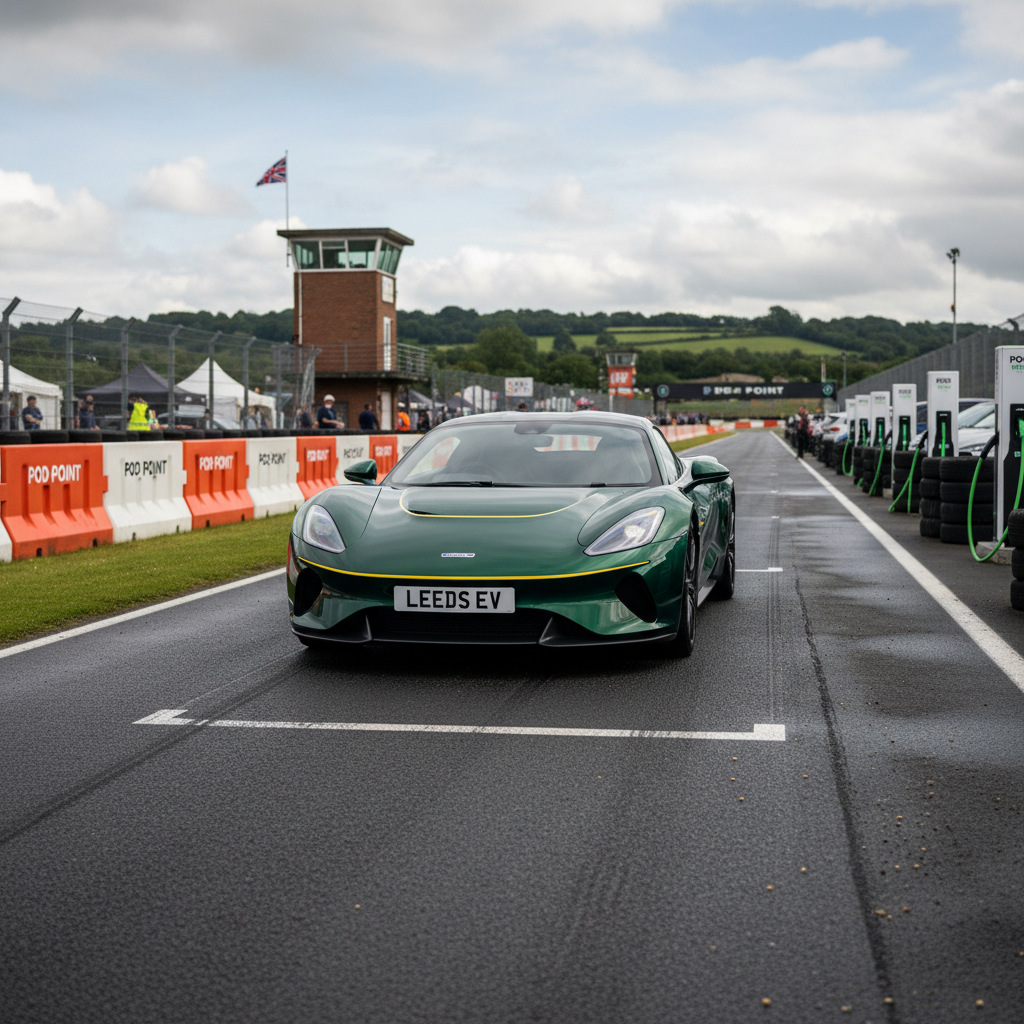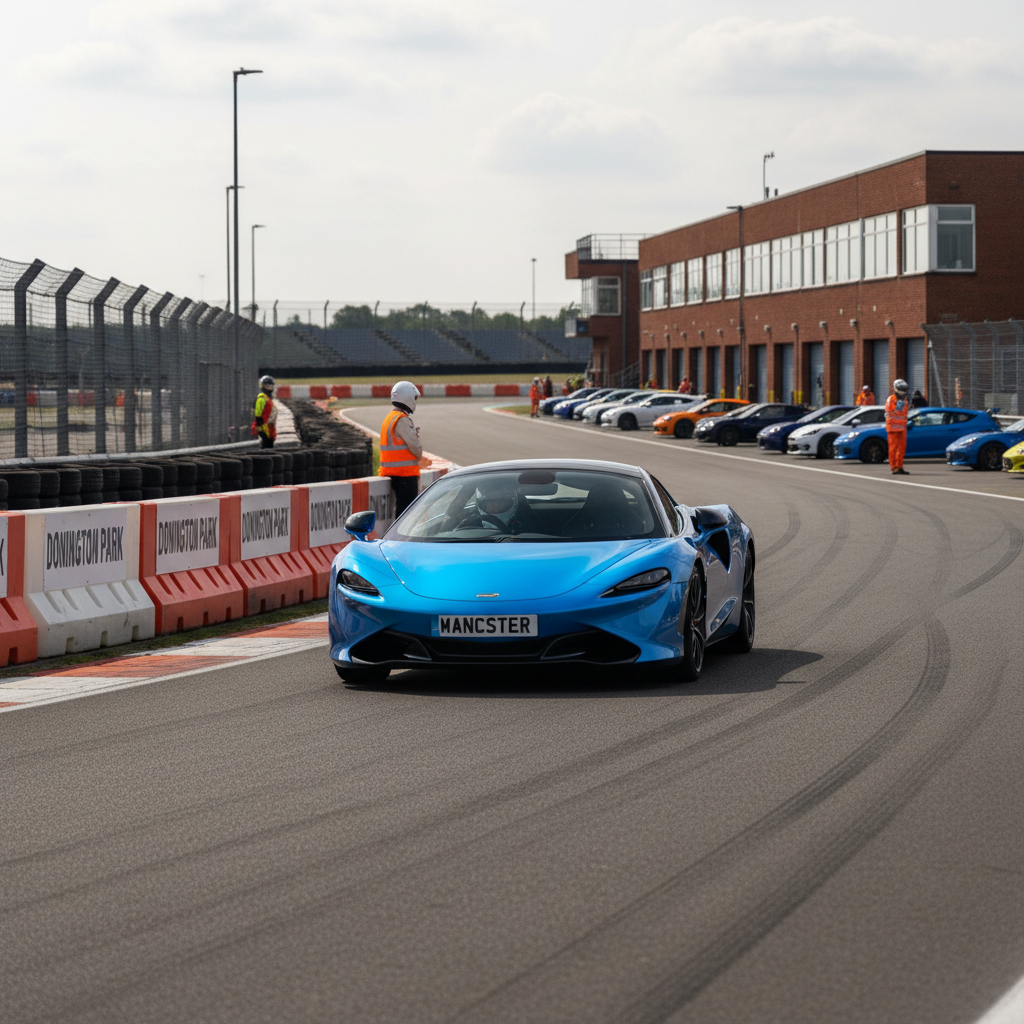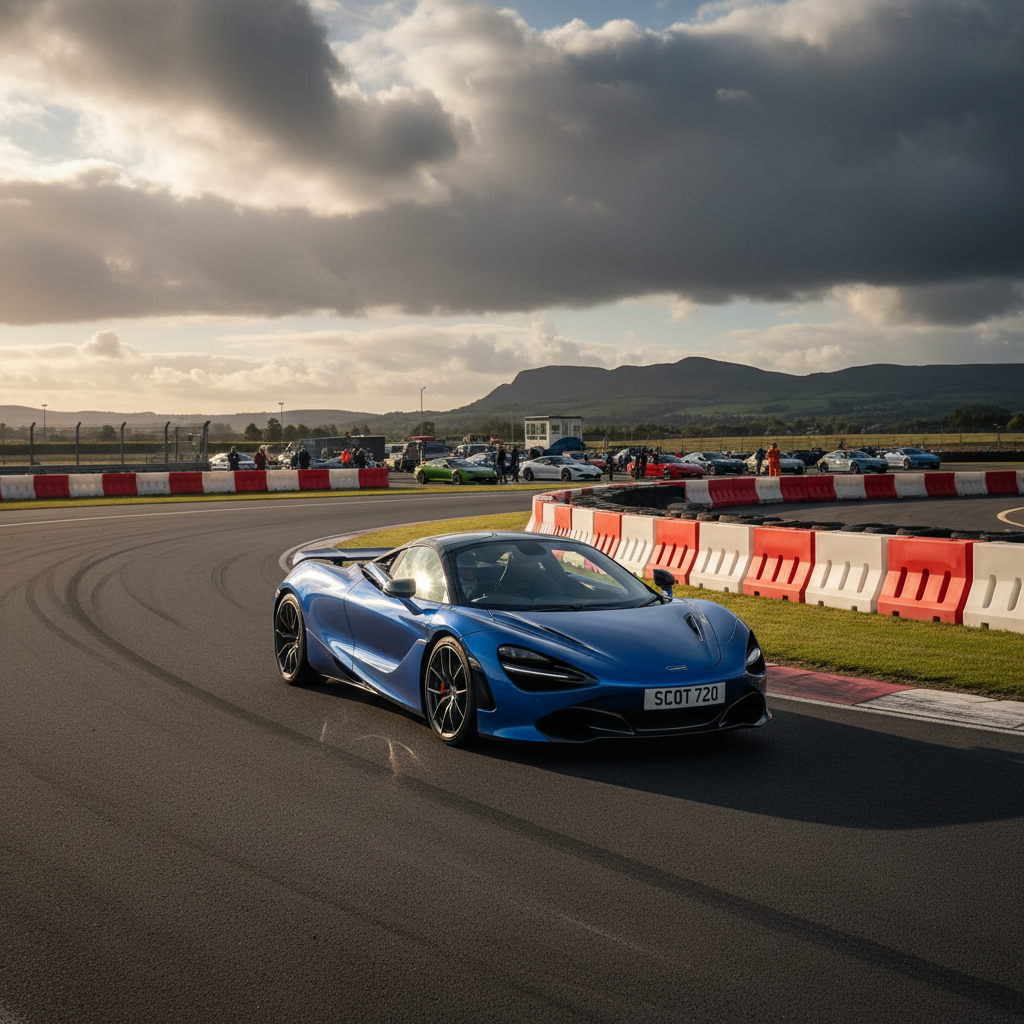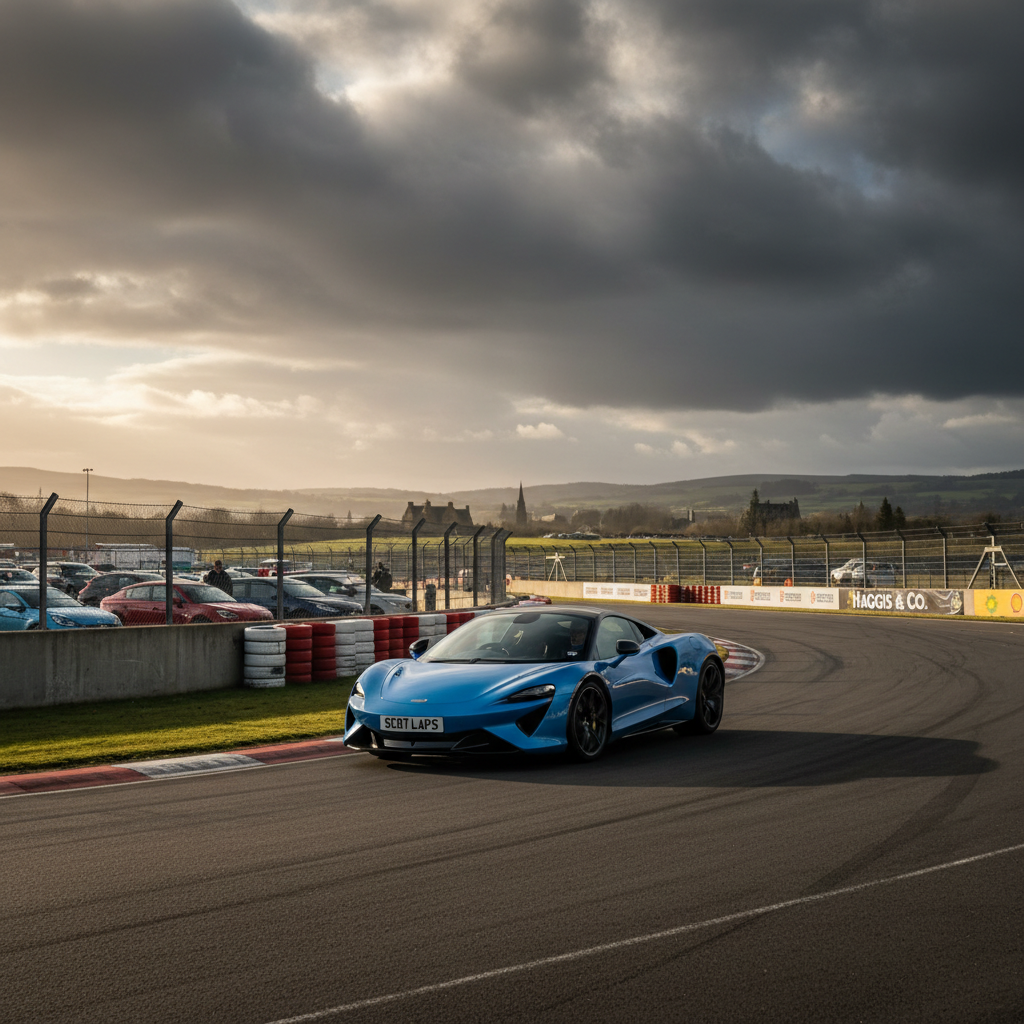


Weight is the ultimate enemy. It blunts acceleration, dulls steering response, and smothers agility. Yet, in our modern era of bloated, two-tonne electric performance cars, we are constantly told that clever torque vectoring and active anti-roll bars can cheat physics. They can’t. If you live for that perfect apex, you know there is absolutely no substitute for a featherweight chassis slicing through a mountain pass.
Thankfully, there are still purists flying the flag for low-mass engineering. Two spectacular new machines have arrived to prove that the pursuit of lightness is still the quickest way to driving motoring nirvana: the track-honed Lotus Emira 420 Sport and the absolutely mental, Dutch-built Donkervoort p24 RS.
The Precision Tool: Lotus Emira 420 Sport
According to a first drive by Autocar, the new Lotus Emira 420 Sport is a lighter, faster, £105,000 track-focused evolution of the Hethel sports car. By stripping out unnecessary cabin weight and sharpening the chassis, Lotus has turned the Emira into an uncompromising weapon.
Under the skin, the 420 Sport features a punchy, supercharged V6 pushing out 420bhp. In a car that prioritises mechanical purity over digital isolation, that power feels absolutely immediate. It isn't just about straight-line speed; it’s about how that power is delivered. Power out of a second-gear corner, and the throttle response is instantaneous, working in perfect harmony with a hydraulically assisted steering rack that whispers every detail of the road texture directly to your fingertips.
On track, the turn-in is razor-sharp. The revised suspension geometry keeps the body beautifully flat, allowing you to carry astonishing mid-corner speed. It is an engaging, highly rewarding machine that demands your full attention, delivering the kind of analogue feedback that modern digital supercars can only dream of.
The Ballistic Missile: Donkervoort p24 RS
If the Lotus is a scalpel, the Donkervoort p24 RS is a broadsword forged in a hurricane. Autocar recently tested this Dutch masterpiece, which is finally coming to UK roads in right-hand-drive format. If you thought the Caterham Seven was the ultimate expression of the lightweight sports car, think again.
The p24 RS is a structural masterpiece of carbon fibre, tipping the scales at a featherweight sub-800kg. Nestled under its long, aggressive snout is an Audi-sourced 2.5-litre five-cylinder turbocharged engine pumping out a ballistic 592bhp. Do the maths, and that gives it a power-to-weight ratio that eclipses almost every modern hypercar.
The performance data is mind-boggling: 0-62mph is dispatched in under 2.5 seconds. But it’s the sheer violence of the acceleration and the unassisted, raw connection to the front tyres that defines the driving experience. There are no electronic safety blankets here. It requires respect, but when you hook it up, the level of mechanical grip is staggering. It remains utterly planted, cornering with g-forces that will strain your neck muscles.
The Quest for Grip: Road vs Track
This obsession with mechanical grip and driver feedback isn't just a road-car obsession; it’s the defining challenge at the very pinnacle of motorsport. As reported by Autosport, even MotoGP champion Francesco Bagnaia has spent his 2026 season battling a persistent lack of rear-end traction on his Ducati, proving that without a predictable contact patch, power is nothing.
The same is true in Formula 1. Autosport notes how McLaren has had to unleash radical upgrades, including a unique 'Macarena-style' rear wing at the Hungarian Grand Prix, just to manipulate the airflow and keep their chassis planted at high speeds.
The beauty of the Emira 420 Sport and the Donkervoort p24 RS is that they don’t rely on complex aerodynamics or digital wizardry to find traction. They do it the old-fashioned way: through lightweight design, brilliant suspension geometry, and exceptional feedback. They allow the driver to manage the limit of adhesion intuitively.
Consumer Impact & Rivals
At £105,000, the Lotus Emira 420 Sport lands right in the crosshairs of the Porsche 718 Cayman GT4 RS. While the Porsche is a masterpiece of high-rpm theatre, the Lotus offers a more traditional, fluid hydraulic steering feel that some purists will prefer.
Meanwhile, the Donkervoort p24 RS sits in a hyper-exclusive price bracket, targeting those who might otherwise buy a Radical or a track-only single-seater but want the ability to drive home on public roads. It is louder, wilder, and infinitely more visceral than any mainstream sports car on sale today.
Key Takeaways: The Lightweight Revolution
- Lotus Emira 420 Sport: A £105k track weapon boasting 420bhp, razor-sharp hydraulic steering, and a stripped-back cabin.
- Donkervoort p24 RS: A ballistic 592bhp lightweight monster coming to the UK, offering an unadulterated 0-62mph sprint in under 2.5 seconds.
- Purity Beats Electronics: Both cars prove that low mass guarantees superior agility, braking, and driver engagement compared to heavy performance EVs.
- An Analogue Feast: Unassisted steering and mechanical diffs provide a level of communication that digital torque-vectoring systems cannot replicate.
The Verdict
In a world increasingly dominated by heavy, sanitised performance machinery, cars like the Emira 420 Sport and Donkervoort p24 RS are precious anomalies. They remind us that driving is meant to be an active, physical, and emotional experience. If you want to feel truly alive behind the wheel, forget the heavy electric crossovers. Lightness was, is, and always will be the holy grail of performance.