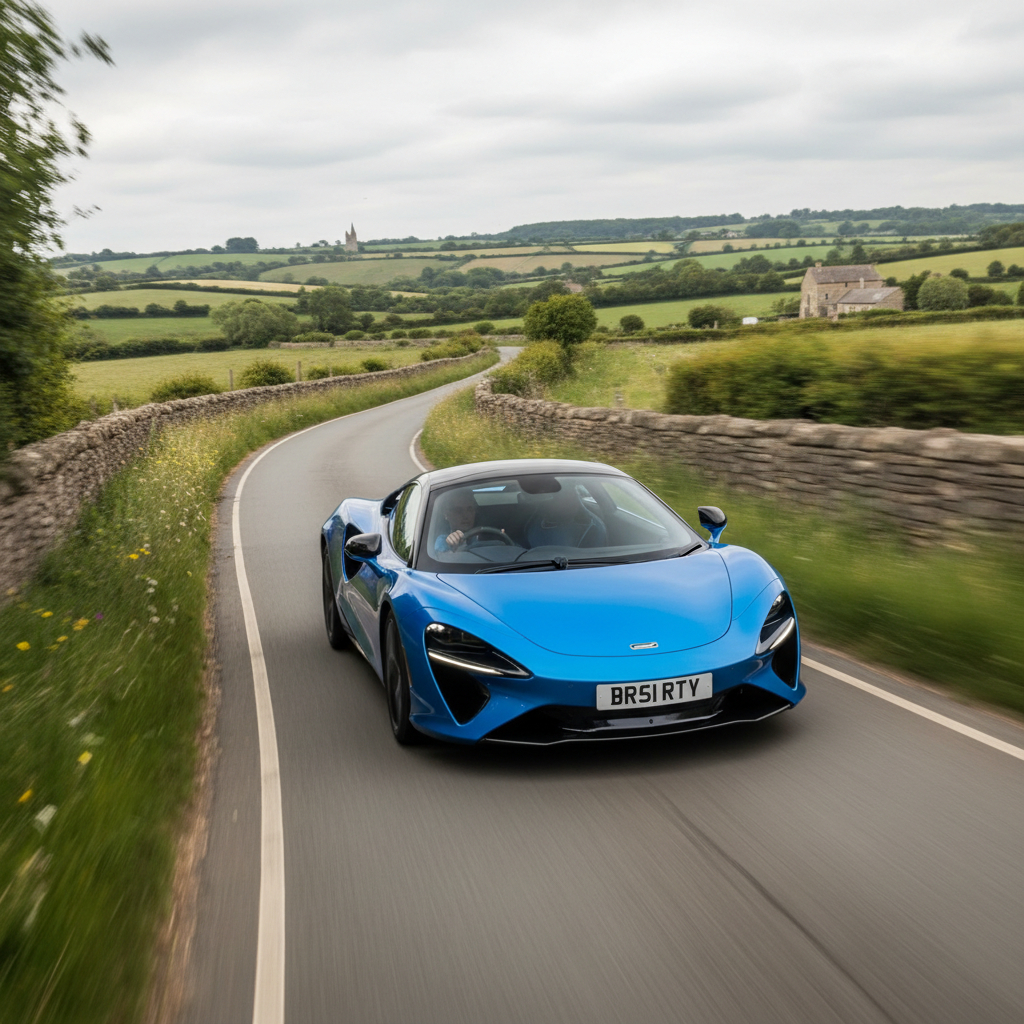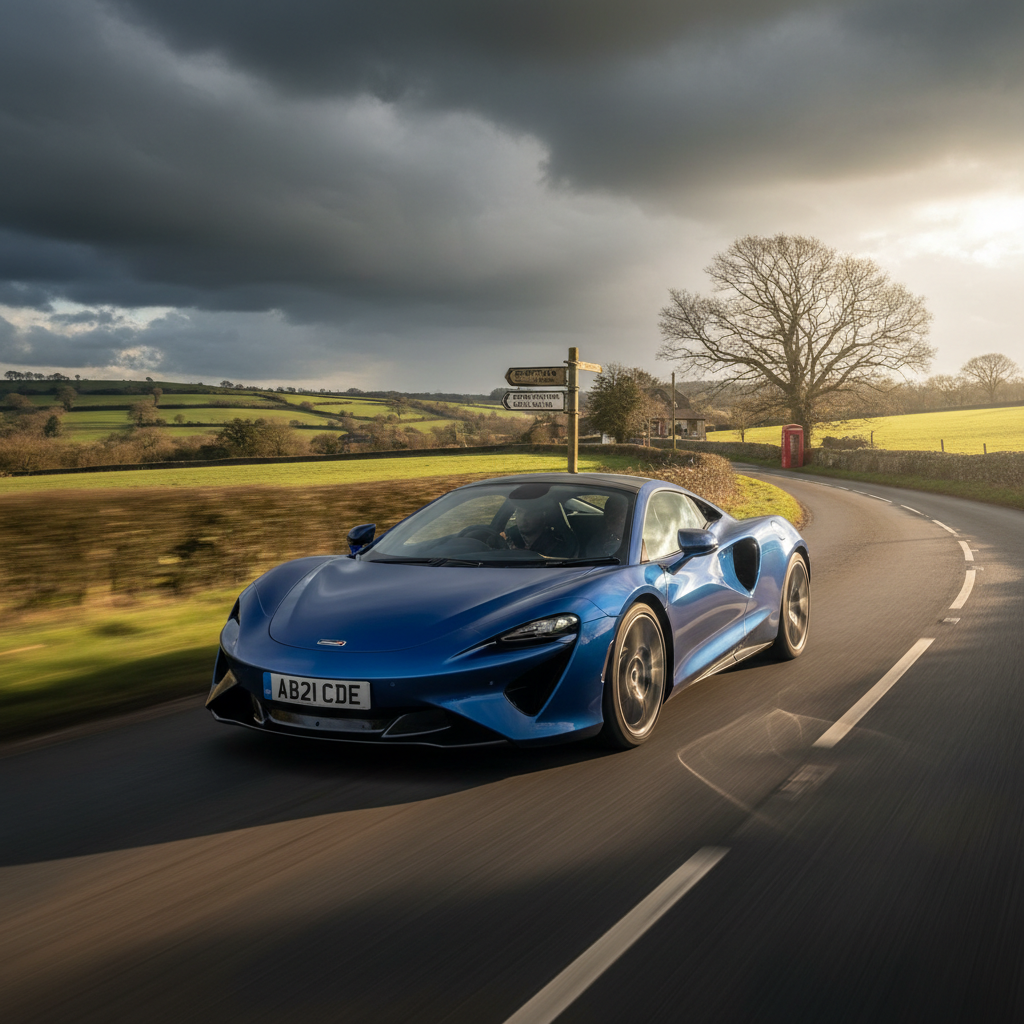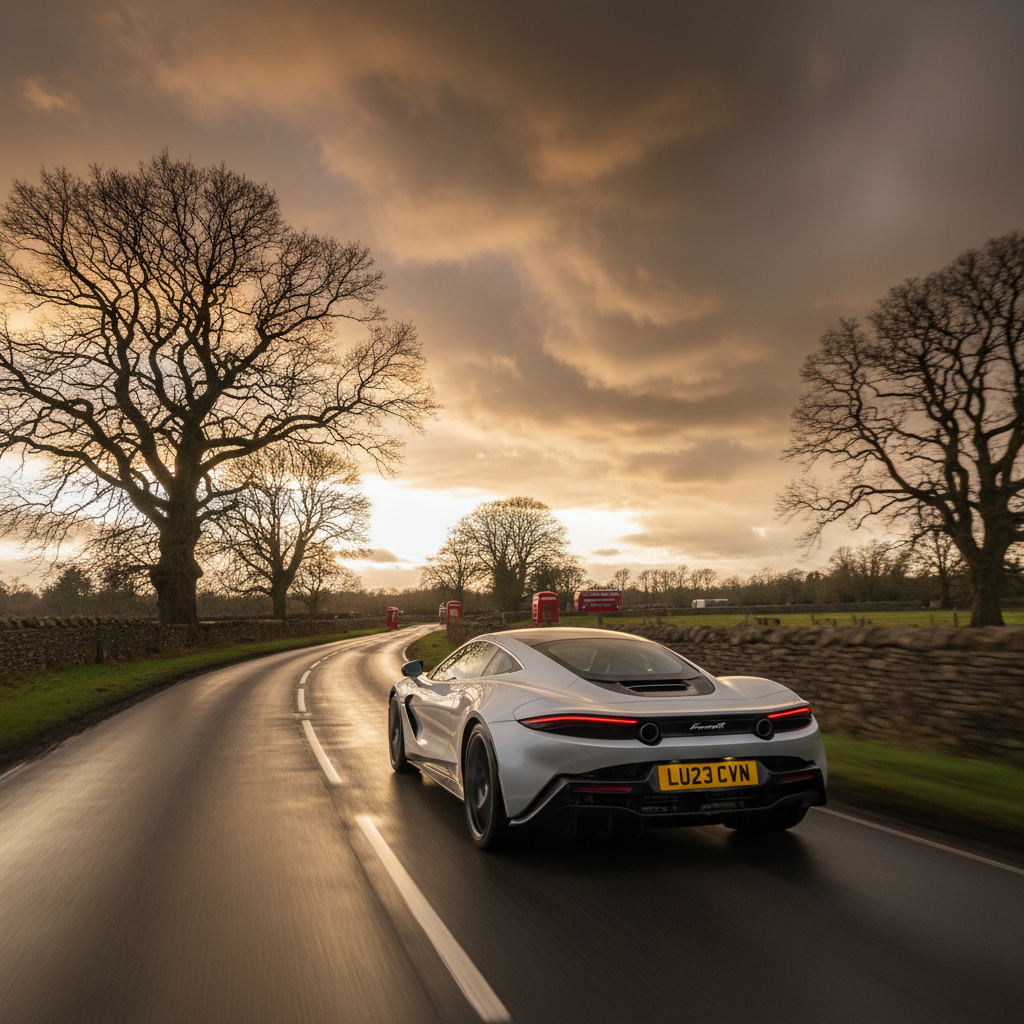


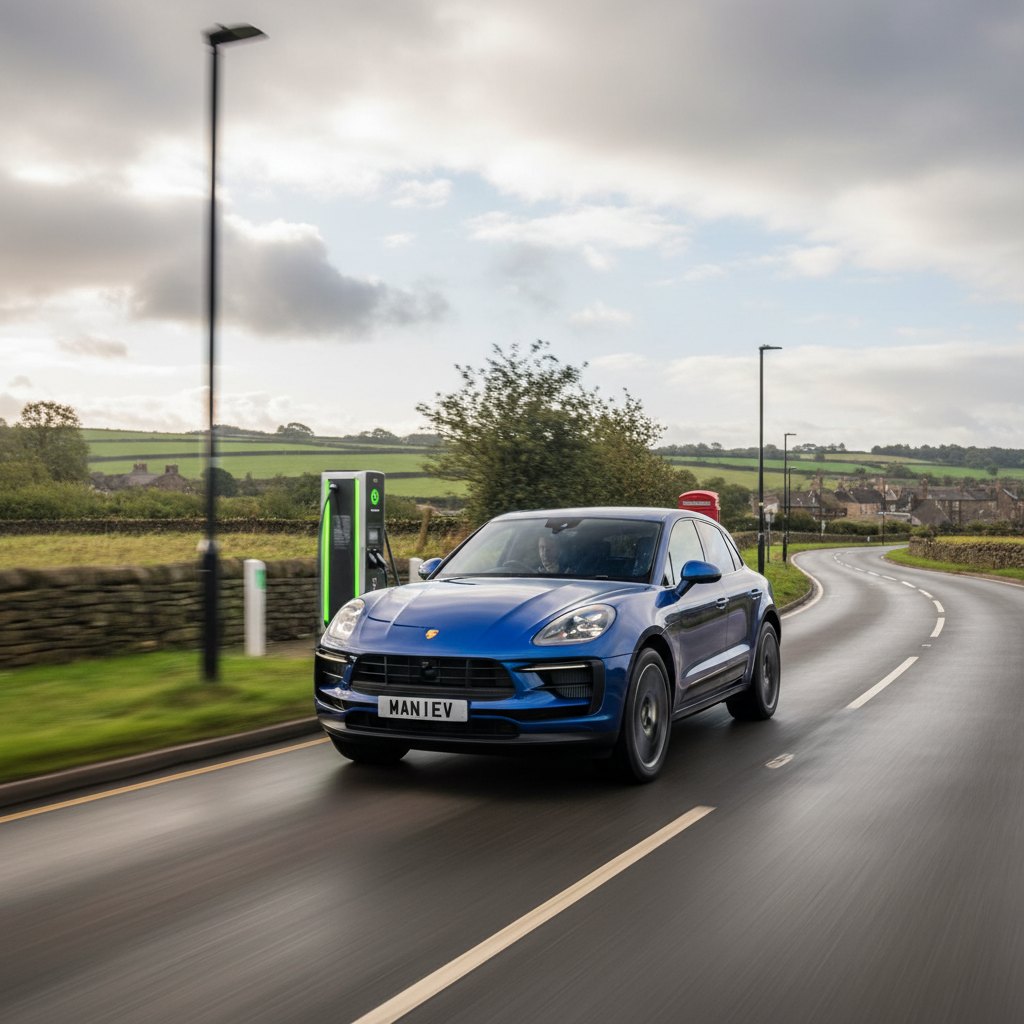
There is a specific kind of alchemy that happens when a manufacturer gets a front-engined, steel-sprung chassis absolutely spot on. If you live for that perfect apex, you will know exactly what I mean. It is the sensation of the nose biting hard on turn-in, the rear axle loading up predictably, and the steering wheel transmitting detailed, granular feedback about exactly how much grip is left on the tarmac. For the last decade, the global benchmark for this wizardry in a family-friendly package has been the petrol-powered Porsche Macan. But this month, the curtain finally falls.
The Death of a Giant-Killer
According to Autocar, Porsche is officially retiring the internal combustion engine (ICE) version of the Macan this month. Because of cybersecurity regulations, it already disappeared from European price lists, but now the production line stops globally. Here is the kicker: its direct electric successor is already on sale, but the ICE version is bowing out two years before the petrol model's true, final lifecycle was slated to end. For those of us who worship at the altar of lightweight, responsive engineering, this is a bittersweet moment.
In its ultimate GTS guise, the petrol Macan deployed a 2.9-litre twin-turbo V6 pushing out a punchy 434bhp and 405lb ft of torque. It would rocket to 60mph in just 4.1 seconds. But those numbers only tell a fraction of the story. What made the Macan GTS a masterpiece was its handling. It drove like a hot hatch on stilts. The active all-wheel-drive system was heavily rear-biased, meaning you could throttle-steer it out of corners with a level of adjustability that felt utterly alien for a high-riding SUV. It was planted, razor-sharp, and dynamically superior to many dedicated sports cars.
The Heavyweight Contenders: Genesis and Toyota
So, where does the performance-minded family buyer turn now? The market is flooded with electric alternatives promising ballistic straight-line speed. Take the Genesis Electrified GV70, highlighted by Autocar as a compelling luxury option. On paper, it is a powerhouse, sporting dual electric motors that pump out up to 483bhp in 'Boost' mode, dispatching 0-62mph in a mere 4.2 seconds. It is quiet, incredibly refined, and computationally brilliant.
But when you throw a 2.3-tonne EV into a sequence of demanding, off-camber bends, the laws of physics inevitably catch up. Where the old petrol Macan felt agile and light on its feet despite its size, heavy premium EVs have to manage their massive battery packs with complex air suspension and aggressive torque-vectoring software. It is a digital simulation of agility rather than the pure, mechanical joy of a well-sorted, lighter chassis. This numbers vs. nuance debate is at the heart of modern automotive engineering.
Further down the price bracket, option lists are getting stranger. Autocar recently reviewed the Toyota bZ4X Touring, a more rugged, outdoorsy iteration of Toyota's electric SUV. While it offers a likable, functional agenda for the weekly shop and weekend camping trips, its 215bhp dual-motor setup and eco-centric chassis setup are designed for safety and efficiency, completely bypassing any pretence of driver engagement.
Sound, Soul, and the Goodwood Epiphany
This structural shift in the industry highlights a broader crisis of soul. As Autocar noted in a recent opinion piece reflecting on the Goodwood Festival of Speed, the contrast between the spine-tingling scream of a highly strung classic V12 and the synthetic 'fake noise' generated by modern performance EVs has never been more stark. Manufacturers are trying to program emotion into electric motors, but a digital soundtrack piped through door speakers cannot replace the mechanical crescendo of a petrol engine chasing its redline. This battle between pure magic and silent might is something we've explored before.
That mechanical connection is what breeds passion, whether you are on a B-road or watching elite motorsport. Look at the British Touring Car Championship, where authentic mechanical grit still reigns supreme. Autosport reports that West Surrey Racing has just signed single-seater convert Lewis Gilbert to pilot their final BMW 330i M Sport for the remainder of the 2026 season. That touring car, with its roaring turbocharged inline-four, rear-wheel-drive layout, and sequential gearbox, represents the raw, unadulterated racing DNA that petrolheads crave. When we lose petrol icons like the Macan, we lose a vital link to that motorsport heritage.
Key Takeaways for the Enthusiast
- The End of an Icon: The petrol Porsche Macan retires this month, ending a decade-long reign as the world's best-handling petrol SUV.
- The Weight Penalty: Electric alternatives like the Genesis eGV70 offer ballistic straight-line speed (0-62mph in 4.2s) but struggle to match the agility of lighter petrol platforms.
- The Soul Deficit: Fake synthesised engine noises in performance EVs are failing to replicate the emotional connection of a real, mechanical power unit.
The Verdict
If you want a fast, quiet, and tax-efficient cruiser, vehicles like the Genesis Electrified GV70 are masterclasses in modern engineering. But if you want to feel connected to the machine—to hear the engine sing and feel the chassis work beneath you—the departure of the petrol Macan is a massive loss. My advice? If you want the ultimate everyday driver's car, find a late-model Macan GTS on the used market, cherish it, and hold onto it for as long as you possibly can. This desire for the combustion renaissance reflects a wider trend among enthusiasts.