

Alright, petrolheads, settle in. We’ve just witnessed a truly electrifying weekend across the motorsport spectrum, from the frantic elbow-to-elbow action of Brands Hatch to the gravel-spitting drama of Rally Portugal. But beyond the headlines of victories – Tom Ingram finally shaking off his 2026 jinx in BTCC, Aron Taylor-Smith’s shock win aboard his Toyota, and Thierry Neuville snatching a hard-fought WRC victory – there’s a deeper narrative unfolding. It’s a story about the relentless pursuit of driving perfection, not just in the bleeding-edge machinery of our racing heroes, but in the new generation of track-focused cars that are redefining what it means to be truly engaged behind the wheel.
The Art of the Drive: From Brands Hatch Brawlers to Rally Rockets
Let's talk about that BTCC action. Ashley Sutton's 50th win in Race One, mastering unforeseen rain that turned the Indy Circuit into an ice rink, perfectly illustrates that blend of raw power and driver finesse. And Ingram's Paddock Hill move? Pure, unadulterated commitment. These aren't just cars, they're extensions of the driver's will, honed to razor-sharp precision. This philosophy is filtering down, magnificently, to our road-legal and track-day weapons.
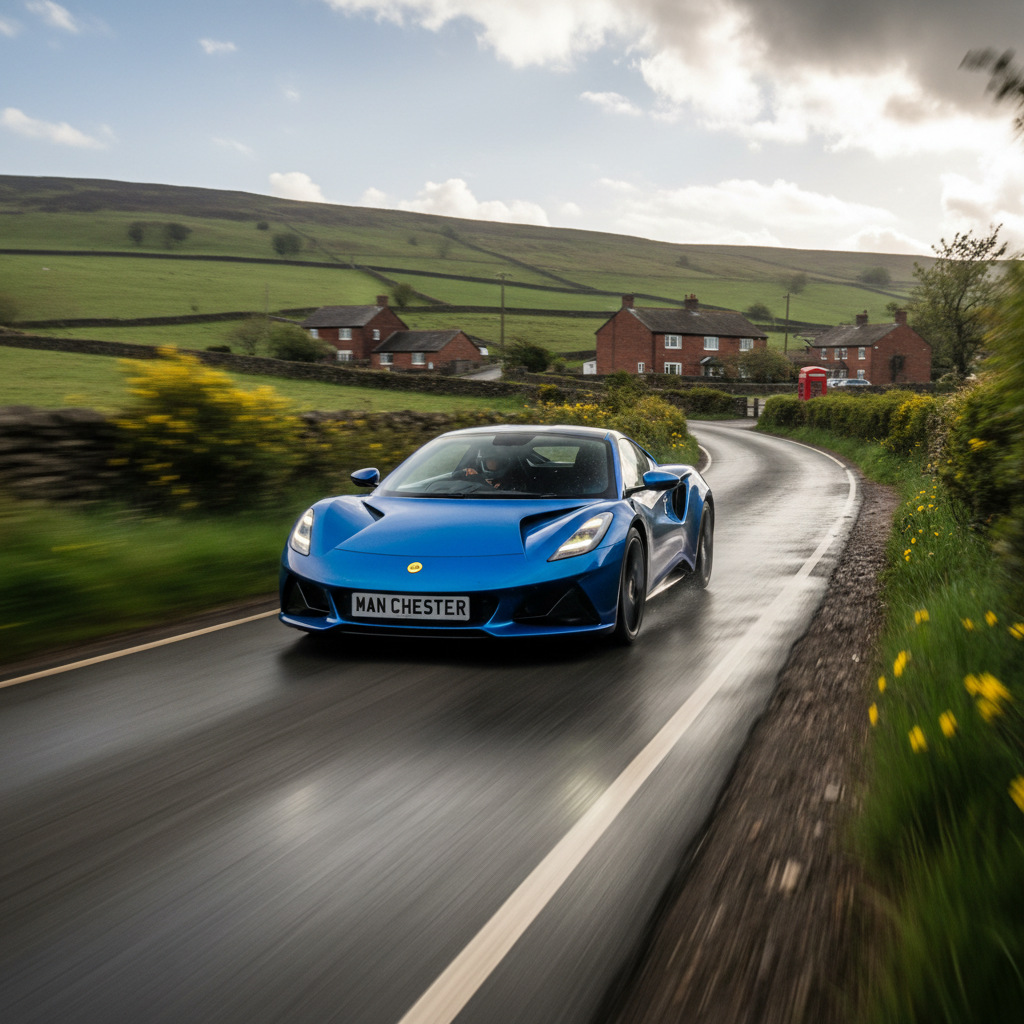
While the big manufacturers are pushing boundaries with immense power and seamless acceleration, as highlighted by Trackdays.co.uk, it’s often the cars that favour agility and connection over sheer brute force that truly capture our hearts. Think about the likes of the Caterham Seven, a car so pure in its intent that 30 years ago, even Caterham struggled to dilute its essence with the more 'everyday' Caterham 21, which ultimately couldn't survive the Lotus Elise, according to Autocar. Why? Because the Elise, like the Seven, understood that feel is everything. It’s not just about the destination, but the visceral journey.
Decoding the Dynamics: What Makes a truly Engaging Drive?
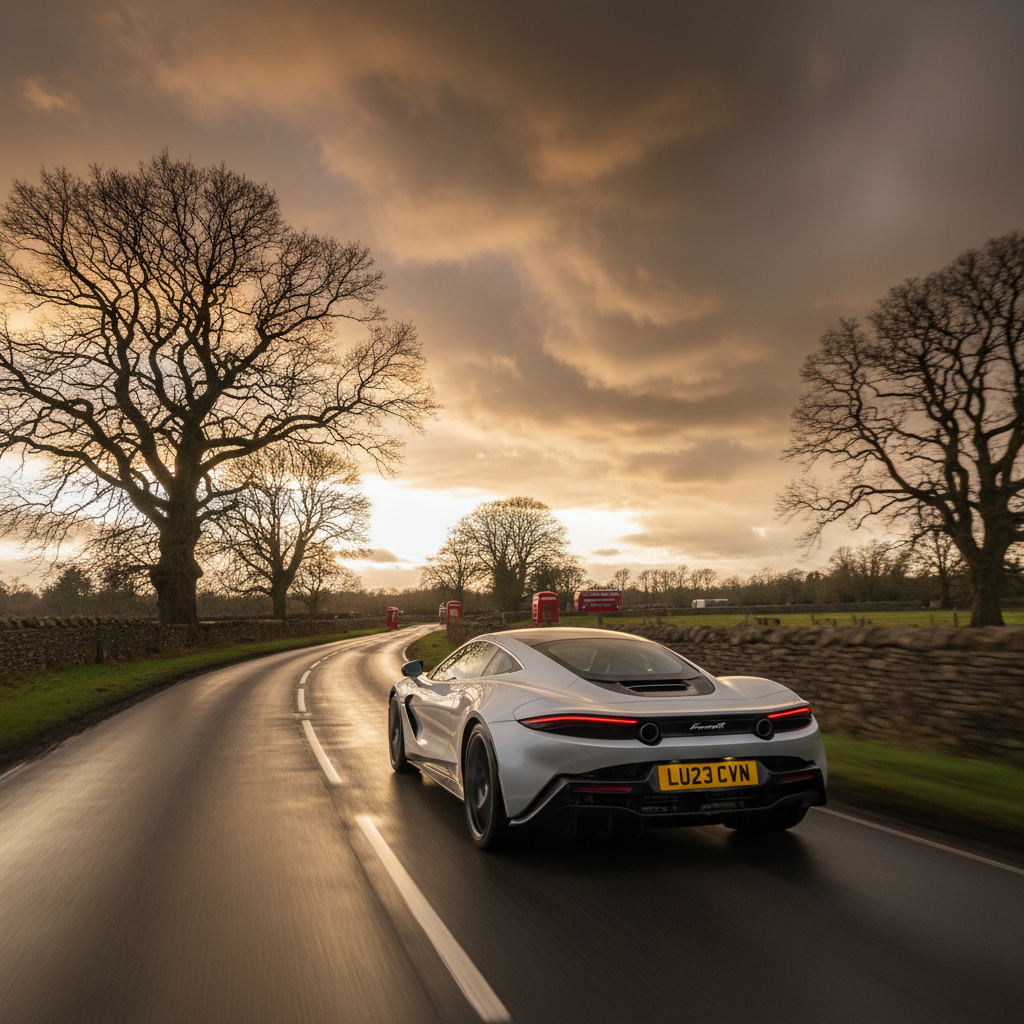
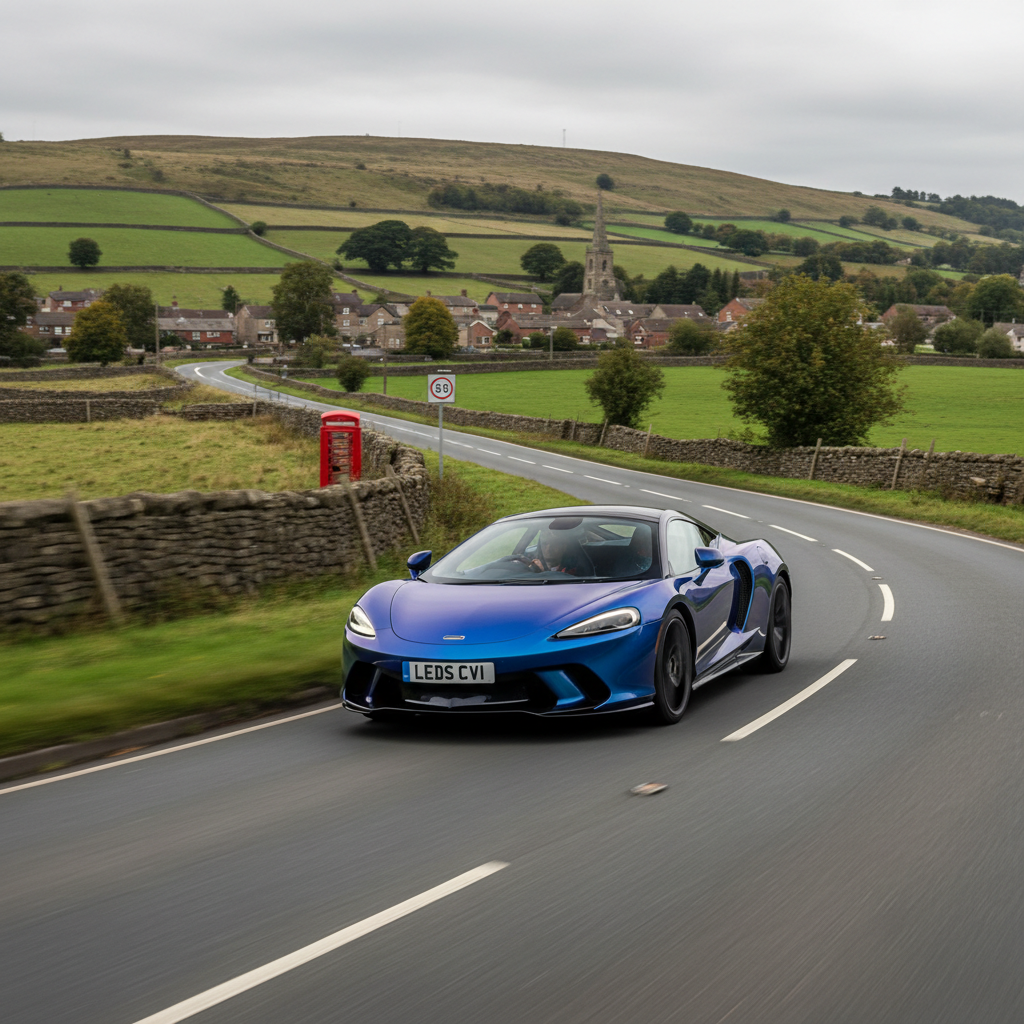
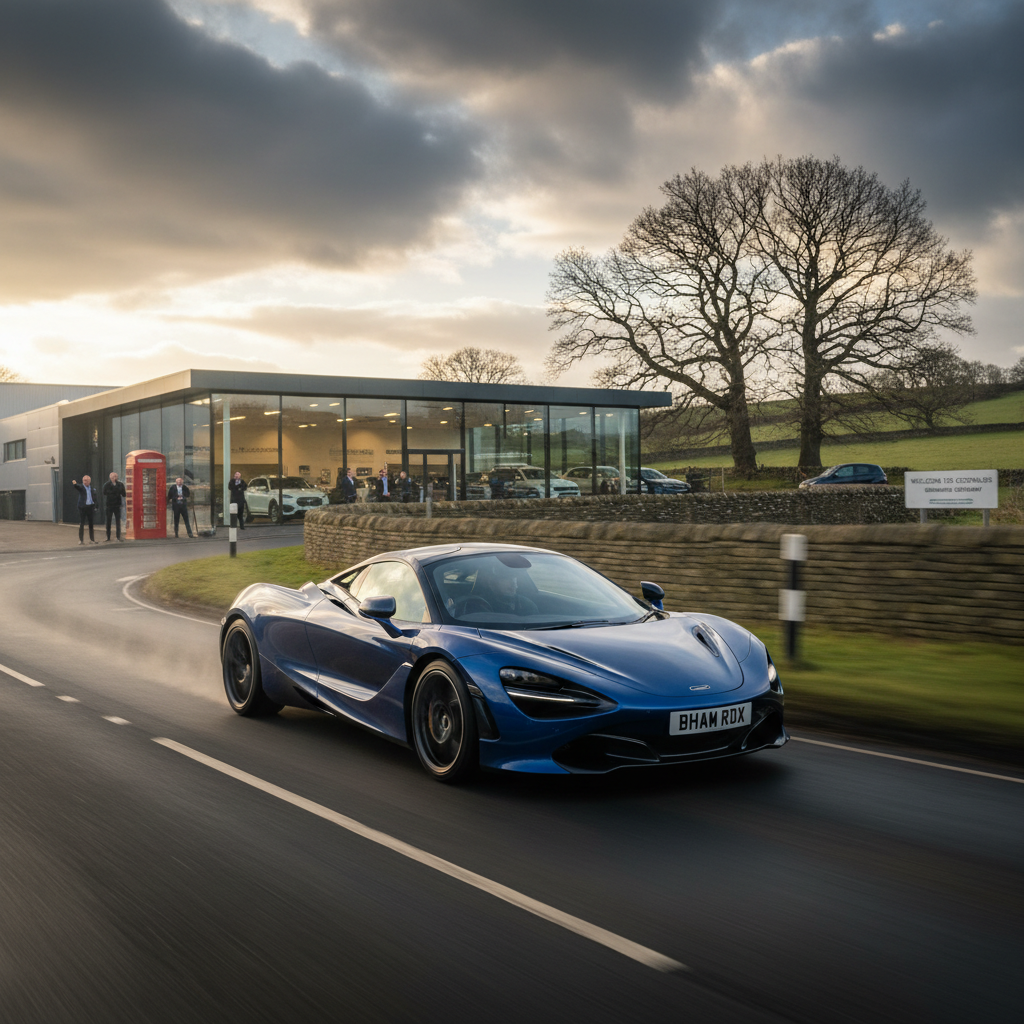
It’s no secret that the future of performance motoring is diverse, blending electric innovation with traditional combustion thrills. We’re seeing a resurgence in machines built specifically for the track, where every millimetre of suspension travel, every degree of steering input, and every ounce of power delivery is meticulously crafted for driver feedback. Auto Express highlighted the McLaren 765LT, noting its hydraulically-assisted power steering for transparent and confidence-inspiring feel – a crucial element that many modern supercars, ironically, can sometimes lose in the pursuit of electronic intervention.
But you don't need a multi-million-pound hypercar to experience this. The magic lies in the engineering. Evo's insights into track cars speak volumes: a vehicle with 612bhp that corners with such neutral handling it can lap close to GT3 pace isn't just about the horsepower number; it's about the chassis, the aero, the setup that allows a driver to truly exploit that power. And let's not forget the sheer joy of a lightweight, responsive machine. Carwow points out that the Ariel Atom, with its monumental power-to-weight ratio of 537hp per tonne (exceeding every current Ferrari production car), proves that less weight often means more engagement. That’s a ballistic figure for a car that offers such an immersive experience!
Even rally cars, like Neuville’s Hyundai that scored its first 2026 WRC win in Portugal despite Ogier’s late puncture drama, demonstrate this principle. They're designed to communicate every grain of gravel, every shift in traction, directly to the driver's hands and backside. This direct connection, this unvarnished feedback, is what we crave in a performance car, whether on track or a twisty B-road.
The Comeback Kid: Peugeot's 308 GTi and the EV Frontier
It’s not just the high-end. The news that Peugeot's boss believes bringing back the 308 GTi 'makes a lot of sense', potentially as an EV, signals a fascinating shift. If they can imbue an electric hot hatch with the same punchy, engaging dynamics that made its predecessors so beloved, that's a win. The challenge will be translating that visceral feel, that responsive surge, into an electric package without sacrificing the driver connection. It’s not just about straight-line speed; it’s about the whole dynamic package, the way it grips, turns, and begs you to push harder. Even a 393bhp BMW X3, as Autocar demonstrated with its London to Bruges trip on a single tank, shows that even larger vehicles can deliver potent performance, though the ultimate thrill factor will always lean towards lighter, more focused machines.
The message is clear: 2026 is shaping up to be a phenomenal year for drivers who value interaction. Track days, as Trackdays.co.uk reminds us, are more accessible than ever, offering the chance to push these incredible machines safely. The future might be electrified, but the core tenets of driving dynamics – razor-sharp steering, communicative chassis, and a feeling of being truly integrated with the machine – are more vital than ever, understanding the future of driver engagement.
Key Takeaways for the Engaged Driver:
- Driver Engagement Reigns: Raw feedback and communicative chassis are paramount.
- Weight is the Enemy: Lightweight construction profoundly enhances dynamics.
- Hydraulics Still Matter: Steering feel remains a critical differentiator.
- Motorsport Matters: Race-bred technology constantly refines road car performance.
So, whether you're eyeing a track-day special or simply appreciate the engineering marvels of the BTCC or WRC, remember that the true measure of a performance car isn't just its fastest lap, but how it makes you feel when you're behind the wheel. The pursuit of perfection isn't just about speed; it's about the raw, visceral connection between driver and machine. And right now, that connection is stronger than ever, continually refining performance for both road cars and the track. This passion for unparalleled speed and precision makes crafting driving perfection a continuous journey.