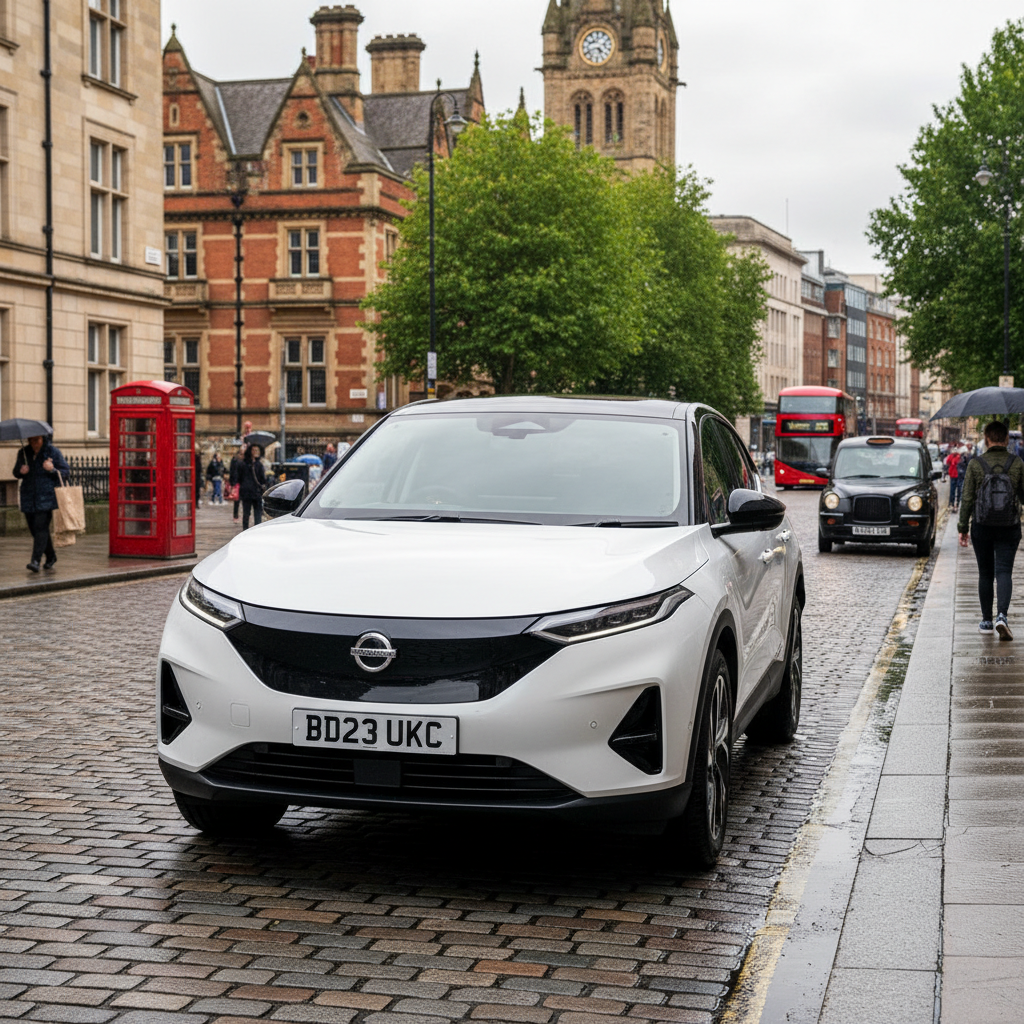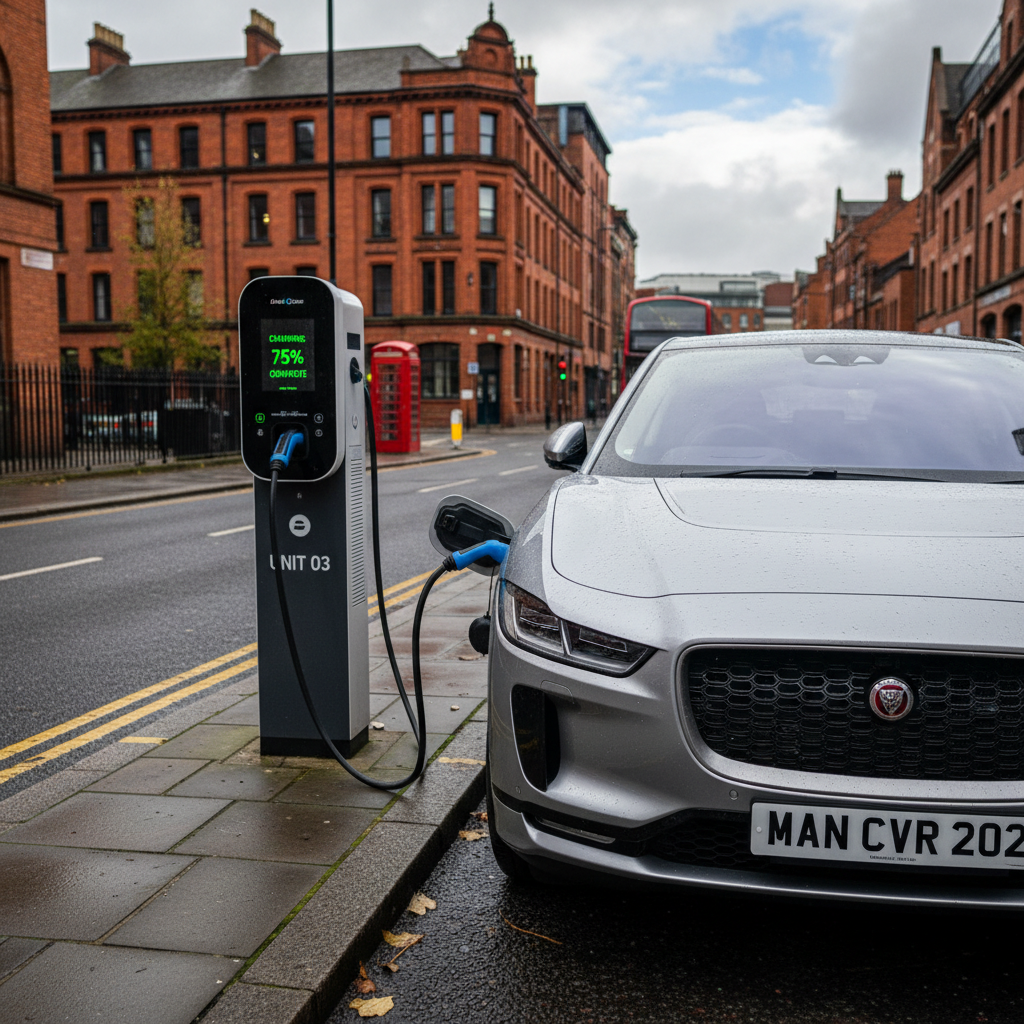



For years, the electric vehicle transition has been hyper-focused on what comes out of the tailpipe—or rather, what doesn't. We have obsessed over lithium-ion chemistry, kilowatt-hour capacities, and the race to build out a seamless rapid-charging network. But as the grid becomes cleaner and battery packs more efficient, the automotive industry is facing an inconvenient truth. The environmental footprint of building a car still matters immensely. To achieve true zero-emission motoring, we have to look beyond the battery pack and examine the very fabric of the vehicles themselves.
The Rise of Biophilic Engineering
Imagine a high-performance track machine constructed not from energy-intensive carbon fibre, but from a cocktail of natural materials, volcanic basalt, and seawater. This isn't science fiction. It is the reality of the Nichols N70S (frequently referred to as the T70S). According to reports from Ars Technica, this innovative racer—which can be configured to be fully road-legal—replaces traditional composite structures with plant-fibre and volcanic-rock materials. Basalt fibres, sourced from volcanic rock, require significantly less energy to manufacture than carbon fibre and are fully recyclable, yet they offer incredible structural integrity.
I reckon this shift toward "biophilic" engineering is absolutely crucial. If we are to make sustainable motoring a reality, we must reduce the embodied carbon of vehicle manufacturing. By utilising renewable natural fibres and abundant minerals, boutique manufacturers are proving that lightweight, ultra-rigid structures don't have to cost the Earth. It is a design philosophy that mainstream EV manufacturers must adopt to make future passenger cars truly eco-friendly from the assembly line to the scrap heap.
Hyper-efficiency and the Power of 3D Printing
While some engineers look to nature for raw materials, others are using advanced computing to mimic natural growth patterns. Enter the Czinger 21C, a hybrid hypercar that represents a massive shift in how vehicles are put together. As featured by Ars Technica, the 21C utilises organic-looking, 3D-printed chassis components. Rather than stamping massive sheets of aluminium, Czinger’s proprietary software designs structural nodes that put material only where loads demand it. The results look more like animal skeletons than traditional car parts. For my money, it looks sensational.
This generative design and additive manufacturing approach virtually eliminates material waste during production. When paired with a highly optimised hybrid powertrain, it showcases how advanced engineering can dramatically slash a vehicle's overall lifecycle emissions. For the everyday motorist, this technology paves the way for future EVs that are lighter, stronger, and far less resource-intensive to build. In fact, this approach, moving from volcanic rock to 3D-printed V8s, is revolutionising future EV design.
Democratising the Switch: Incentives and Policy
Of course, high-end materials and hypercars are completely meaningless if the average driver cannot afford to make the switch to clean transport. While we marvel at these engineering feats, the practical reality of EV adoption relies heavily on smart policy and financial accessibility. This push for 100% zero-emission transport is becoming a matter of life and death, impacting public health profoundly.
Over in the United States, California is addressing this by launching a new rebate program specifically targeted at first-time EV buyers, as reported by Ars Technica. This includes a dedicated $1,750 rebate for used EVs, subject to a price cap designed to keep the incentives focused on affordable, everyday transport rather than luxury playthings. In the UK, where the second-hand EV market is growing rapidly, similar targeted incentives could be the silver bullet needed to overcome upfront cost barriers. To be fair, it is exactly what our pre-owned market needs right now.
The Tom Chen Verdict
If you're considering making the switch to an EV, the lesson of 2026 is clear: the green credentials of your next vehicle will be judged by much more than its range on a single charge. The convergence of bio-materials, generative 3D printing, and targeted financial support is laying the groundwork for a truly circular automotive economy. The future of motoring isn't just electric. It is intelligent, resource-light, and inherently sustainable. Indeed, the true value of the EV transition is measured in human lives.
Key Takeaways: The Materials and Policy Shift
- Volcanic Power: Basalt and plant-fibre composites are emerging as viable, low-carbon alternatives to carbon fibre.
- Generative Design: 3D-printed, organic-looking components reduce material waste and vehicle weight.
- Circular Manufacturing: The focus of EV sustainability is shifting from tailpipe emissions to total lifecycle environmental impact.
- Targeted Subsidies: First-time buyer and used-EV rebates are critical to democratising clean mobility for everyday drivers.