

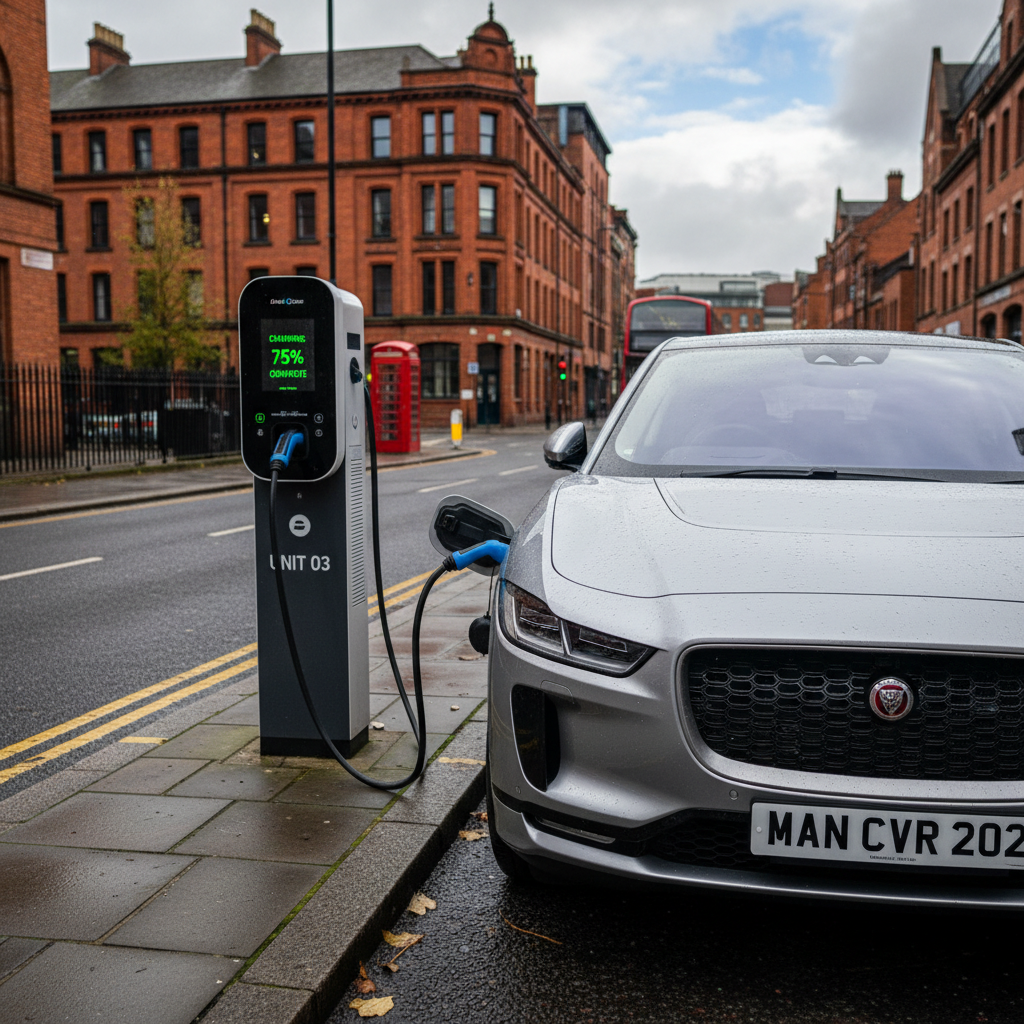
Forget the endless debates about range anxiety and charging speeds; the real revolution brewing in sustainable motoring isn't just about bigger batteries in our cars. It's about a fascinating convergence of ultra-fast charging infrastructure and the burgeoning world of micro-mobility, together promising to radically transform how we navigate our urban landscapes. This isn't just about swapping petrol for electrons; it's a fundamental reimagining of personal transport.
The Need for Speed: Megawatt Charging Arrives
For years, the Achilles' heel of widespread EV adoption has been the perceived slog of charging. While home charging remains king for most, the public network is rapidly evolving. We're talking about a significant leap, not just incremental upgrades. By mid-2026, the UK anticipates over 5,000 ultra-rapid chargers nationwide, a substantial jump from the 2,800 seen in late 2025. Crucially, as highlighted by Electric Car Scheme, some select locations will soon boast charging speeds up to a mind-boggling 500kW. This isn't just fast; it's transformative. Imagine adding 100 miles of range in under three minutes – that’s a game-changer for those quick top-ups on long journeys or during a coffee break.
This push for speed isn't just theoretical. As of May 2025, the UK had nearly 81,000 public charging points, with over 8,280 of them 150kW or above, according to BBC News. And while BYD is already talking about 1000kW batteries, the immediate impact of 500kW charging is immense for the everyday EV driver. It dissolves the 'waiting time' barrier, making EV ownership incredibly practical, even for those without dedicated home charging.
Beyond the Car: The Rise of Smart Micro-Mobility
But the picture of future mobility isn't solely painted by super-fast car chargers. It's also being etched by the increasing sophistication and accessibility of electric micro-mobility. Think beyond just e-scooters; we're seeing the emergence of genuinely utilitarian and enjoyable electric bikes. Take the Gazelle Arroyo, a high-end commuter e-bike featuring a belt drive and continuous variable transmission, as reported by Arstechnica. This isn't a toy; it's a serious piece of kit designed to make daily commutes effortless and car-free. And on the more budget-friendly side, the Lectric XPress 750, also noted by Arstechnica, demonstrates that accessibility doesn't mean sacrificing capability, offering a full-sized e-bike experience without breaking the bank.
These aren't just niche products; they represent a growing recognition that not every journey requires a multi-ton vehicle. For shorter urban hops, a well-engineered e-bike or e-cargo bike offers zero-emission, congestion-busting transport that's often quicker door-to-door than a car. They reduce pressure on public charging infrastructure for cars and offer a compelling eco-friendly alternative for everyday tasks.
A Holistic Approach to Sustainable Travel
The UK government is actively supporting this shift, not just for cars. The £63 million boost for Britain's electric vehicle revolution (Gov.uk) builds on previous investments in charging infrastructure and the Zero Emission Vehicle Mandate. While there was a slight relaxation of some ZEV mandate rules in April 2025 (House of Commons Library), the overall trajectory for green transport remains strong. This integrated approach – advancing EV charging alongside promoting accessible micro-mobility – is crucial for truly sustainable urban planning.
If you're considering making the switch to electric, or even just looking to reduce your carbon footprint, the evolving landscape offers more choice and practicality than ever before. While some car manufacturers might be adjusting their battery production plans, as seen with the Ford and SK On joint venture ending (Arstechnica), this doesn't signal a slowdown in EV adoption. Rather, it reflects a maturing market and the efficient allocation of resources as battery technology rapidly advances. The 2027 BMW iX3, described by Arstechnica as hitting it out of the park with its advanced EV tech, showcases the cutting-edge performance and range now achievable in electric cars. Meanwhile, innovations in battery density mean that newer EVs can achieve almost 300 miles on a single charge, according to Imperial College London, further alleviating range concerns.
Tom's Key Takeaways:
- Megawatt Charging is Here: Up to 500kW charging speeds will drastically cut public charging times, making EVs more practical for all.
- Micro-Mobility's Urban Power: High-tech e-bikes and affordable options provide viable, eco-friendly alternatives for city commutes.
- Integrated Infrastructure: Government investment supports both EV charging and broader sustainable transport initiatives.
- Practicality Over Hype: The focus is shifting to real-world usability, with advancements in both vehicles and charging networks.
- Beyond the Car: A holistic approach to future mobility includes diverse zero-emission options, not just electric cars.
The future of motoring isn't a singular vision of electric cars; it's a diverse ecosystem of sustainable transport options, from ultra-fast charging hubs for your electric SUV to a smart, reliable e-bike for your daily errands. This intelligent integration of technology and urban planning promises not just cleaner air, but smoother, more efficient journeys for everyone. The gridlock is slowly giving way to green.